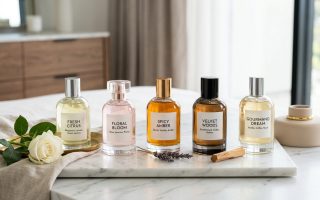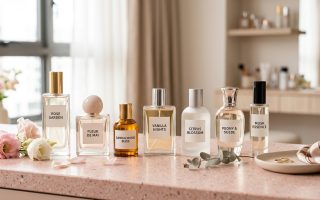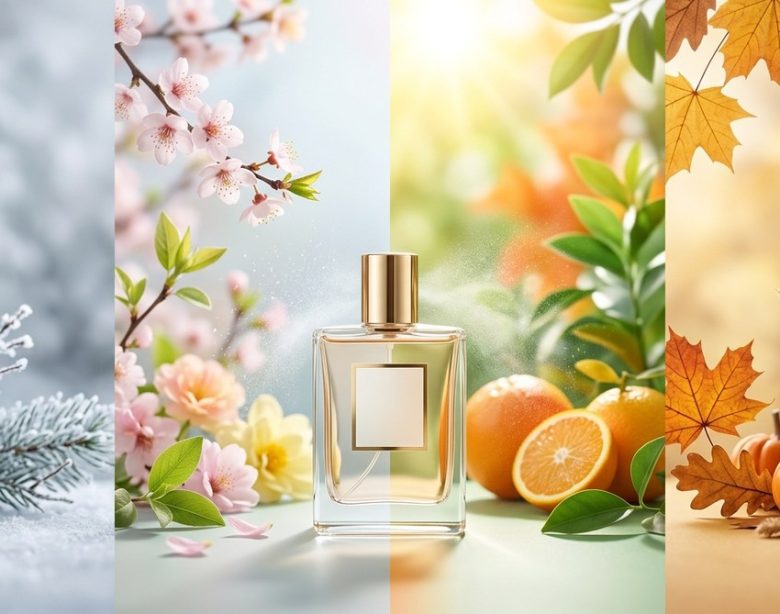
You spray on your favorite perfume before heading out, and it smells exactly how you remember it. An hour later, it feels like a completely different bottle. This isn’t your nose playing tricks on you. The weather, your skin temperature, and even the humidity outside are literally changing the way your fragrance behaves. Understanding why this happens is the first step to making your signature scent work for you no matter the season.
Heat makes perfume molecules evaporate faster, amplifying top notes and often making scents sweeter or more alcoholic. Cold weather slows evaporation, muting lighter notes and letting deeper base notes linger. Humidity changes how scent travels through the air. The fix involves adjusting where you apply it, how much you use, and which fragrance families you reach for in each season.
The Science Behind Your Scent’s Seasonal Mood Swings
Perfume is made of volatile molecules. These molecules lift off your skin and travel to your nose. The speed at which they evaporate depends heavily on temperature. Think of it like boiling water. High heat causes rapid evaporation. On a 90 degree summer day, those top notes of citrus and bergamot burn off quickly. You smell the bright opening for a shorter time before the heart and base notes take over.
In winter, your skin is cooler. Your body might be bundled under layers of clothing. The same perfume molecules evaporate much more slowly. That burst of grapefruit you love in July might barely register in January because it never gets warm enough to lift off your skin properly.
Humidity also plays a big role. Moist air helps scent molecules travel further. That is why a fragrance can feel more intense and diffusive on a humid summer evening. Dry winter air does the opposite. It pulls moisture away from your skin and makes the scent sit closer to your body.
How Your Skin Chemistry Changes With the Weather
Your skin is not a static canvas. It changes with the seasons too.
- Summer skin: Higher temperatures mean more oil and sweat production. Oily skin holds fragrance longer because many perfume ingredients are oil soluble. However, sweat can also alter the pH of your skin, which changes how certain notes smell. Aldehydes and some floral notes can turn sour or sharp when mixed with sweat.
- Winter skin: Cold air and indoor heating dry out your skin. Dry skin does not hold fragrance well. The scent evaporates faster because there is less oil to grip onto. This is why a perfume that lasts eight hours in July might fade after two hours in December.
- Transitional seasons: Spring and fall bring their own challenges. Fluctuating temperatures and changing humidity levels make your perfume behave unpredictably day to day.
Your skin’s moisture barrier changes with the weather too. If you are interested in how skin barrier health impacts everything from hydration to product absorption, check out our guide on 7 surprising habits that are secretly ruining your skin barrier.
Why Certain Notes Behave Differently in Heat and Cold
Not all perfume ingredients react the same way to temperature. Here is a breakdown of how common fragrance families perform across the seasons.
| Fragrance Family | Summer Behavior | Winter Behavior | Best Season |
|---|---|---|---|
| Citrus (lemon, bergamot, orange) | Evaporates very fast, can turn bitter | Barely projects, fades within minutes | Spring and summer |
| Green and aquatic notes | Fresh and clean, blends well with humidity | Can smell flat or watery | Late spring and summer |
| Floral (rose, jasmine, tuberose) | Can become heady or cloying | Warmer and more intimate | Spring and fall |
| Woody (sandalwood, cedar, vetiver) | Can feel heavy or sticky | Deepens and becomes richer | Fall and winter |
| Amber and vanilla | Can become syrupy or overwhelming | Cozy, warm, and long lasting | Fall and winter |
| Spices (cinnamon, clove, pepper) | Can feel sharp and irritating | Comforting and festive | Fall and winter |
3 Practical Steps to Adapt Your Fragrance Routine
You do not need to give up your signature scent when the seasons change. You just need to adjust how you wear it.
-
Change your application points. In summer, spray on pulse points that are exposed: wrists, behind the knees, and the back of your neck. Heat rises, so focusing on lower body points like your ankles can help the scent waft upward slowly. In winter, apply to clothed areas like your chest and collarbone. The fabric traps the heat and helps the perfume last longer. You can also spray a light layer on your hair or a scarf. Just be careful with alcohol based perfumes on delicate fabrics.
-
Moisturize before you spray. This is the single most effective trick for winter. Apply an unscented lotion or body oil to your skin before putting on perfume. The moisturizer gives the fragrance molecules something to hold onto. For an extra boost, use a matching body lotion from the same fragrance line. If you want to understand more about how product layering affects performance, read our article on how to layer fragrances like a pro without creating a scent disaster.
-
Adjust the number of sprays. Do not use the same amount in every season. In summer, one or two sprays are usually enough. The heat will amplify the scent. In winter, you might need three or four sprays to get the same level of projection. The cold air swallows the scent, so you need a little more to cut through.
Common Mistakes That Make Seasonal Scent Changes Worse
Many people accidentally make the problem bigger without realizing it. Here are a few traps to avoid.
- Storing perfume in the bathroom. Temperature and humidity fluctuations from showers wreck the chemical structure of your fragrance. Store bottles in a cool, dark drawer instead. We have a full guide on where to store your perfume so it doesn’t go bad.
- Rubbing your wrists together. This creates friction and heat that breaks down the top notes faster. Just spray and let it dry naturally.
- Judging a perfume immediately after spraying in winter. Give it 15 to 20 minutes to warm up on your skin. The cold air makes the initial spray feel weak, but the scent will develop as your body heat activates it.
- Wearing the same heavy gourmand in July as you do in December. Some fragrances are simply formulated for different temperatures. A dense amber vanilla blend can become cloying and even nauseating in high heat.
Expert tip from perfumer Sarah Rothe: “Think of your fragrance like a coat. You would not wear a heavy wool parka in August. Why would you wear a thick oriental perfume? Lighter formulations exist for a reason. If you love a specific note like vanilla, look for a fresh interpretation of it in summer. A vanilla and bergamot combination works much better in heat than a vanilla and patchouli one.”
Building a Seasonal Fragrance Wardrobe
You do not need a hundred bottles. A small, curated selection of three to four fragrances can cover the entire year.
- Spring: Look for green florals, light musks, and fresh tea notes. These sit comfortably on skin that is transitioning out of winter dryness.
- Summer: Citrus, aquatic, and clean cotton scents perform best. They match the heat and do not overwhelm. Check out our list of best summer perfumes that won’t overwhelm in the heat for specific recommendations.
- Fall: Woody, spicy, and slightly sweet scents come into their own. Think sandalwood, cardamom, and dried fruits.
- Winter: Amber, leather, tobacco, and deep vanillas thrive in the cold. They wrap around you like a warm blanket.
If you are just starting to build your collection, our guide on building your first perfume collection with 5 essential scent profiles will help you choose versatile options.
What to Do When You Absolutely Cannot Switch Scents
Sometimes you fall in love with one fragrance and want to wear it every single day. That is completely valid. Here is how to make it work.
- Layer with a neutral base. Use an unscented body oil or a fragrance free moisturizer as a canvas. This helps the perfume adhere better in winter and prevents it from turning sour in summer.
- Change your clothing strategy. In summer, spray on cotton clothing rather than directly on skin. Cotton absorbs and releases scent slowly. In winter, spray on wool or cashmere scarves. The fibers hold the fragrance for days.
- Use a smaller atomizer. Carry a travel sized spray with you. In summer, you can refresh the top notes after they burn off. In winter, you can reapply when the scent fades faster than expected.
- Test it in different weather conditions. Wear your perfume for a full day in each season before deciding it is your signature. What smells amazing in an air conditioned department store might behave very differently at a humid outdoor barbecue.
For a deeper look at why the same bottle can smell completely different from one person to another, read our article on why does my perfume smell different on me than on others.
Making Peace With the Seasons
Your signature scent does not have to be a one bottle commitment. The best fragrance lovers understand that adapting to the weather is part of the joy. It gives you permission to explore new notes, try fresh combinations, and keep your scent life interesting. Next time you step outside and notice your perfume acting differently, you will know exactly why. More importantly, you will know exactly what to do about it.