You have bleached, colored, or heat-styled hair. You have tried deep conditioners, protein masks, and pricey serums. Yet your strands still feel stretchy, brittle, or mushy when wet. That is where bond building treatments enter the conversation. These products promise to fix your hair at a molecular level, not just coat the surface. In 2026, the market is flooded with options, from salon-only liquids to drugstore drops. But are they worth the hype for your specific hair type? Let’s break down the science, the routine, and the honest truth.
Bond building treatments can genuinely repair broken disulfide bonds inside the hair shaft, but they are not a substitute for protein or moisture. They work best when used in a targeted routine, not as a daily cure-all. This guide explains exactly how to choose and use them for real results in 2026.
What Bond Building Treatments Actually Do
Hair is held together by three types of bonds: hydrogen bonds, salt bonds, and disulfide bonds. Hydrogen bonds break with water and heat (that is why your hair changes shape when wet). Salt bonds break with changes in pH. Disulfide bonds are the strongest. They give hair its shape and strength.
Chemical services like bleach, color, and perms break disulfide bonds. Heat styling and UV exposure can also damage them over time. When enough disulfide bonds snap, the hair cortex becomes weak. You see split ends, gummy texture, and breakage.
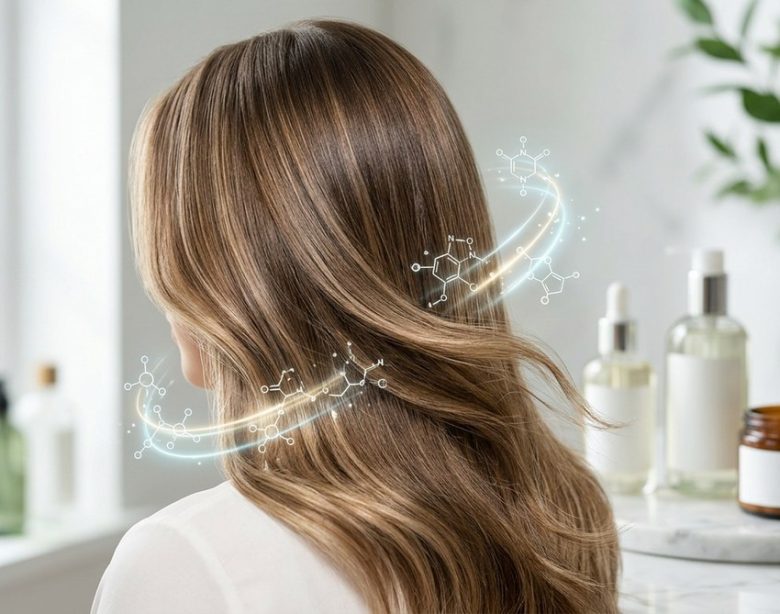
Bond building treatments use active ingredients like bis-aminopropyl diglycol dimaleate (found in Olaplex) or a biomimetic peptide complex (found in K18) to reconnect those broken disulfide bonds. They do not fill in gaps with plastic or wax. They create new links between the broken sulfur atoms. This is actual repair, not just smoothing.
“Think of bond builders as a bridge for broken chemical links. Conditioners are the paint on top. You need both, but they do different jobs.” — Dr. Michelle Park, cosmetic chemist and formulator.
Who Actually Needs Bond Building in 2026?
Not everyone needs a bond builder. If your hair is virgin and healthy, a good conditioner and occasional protein mask are enough. Bond builders are designed for specific damage patterns.
- Bleached or highlighted hair. Bleach is the most aggressive bond breaker. It lifts the cuticle and dissolves melanin, but it also attacks disulfide bonds. If you have gone more than two shades lighter, your hair likely needs bond repair.
- Chemically straightened or permed hair. Relaxers and perms work by breaking and reforming disulfide bonds. The process leaves some bonds permanently broken. Bond builders can help stabilize the remaining structure.
- High-heat users. Regular blow drying and flat ironing above 350 degrees Fahrenheit can degrade disulfide bonds over months. If your hair feels weaker at the ends than at the roots, heat damage may be the cause.
- Frequent color changers. If you color your hair every four to six weeks, the cumulative chemical exposure can weaken the cortex. Bond builders help maintain integrity between salon visits.
How to Use Bond Builders in a Routine
Using bond builders correctly matters more than which brand you pick. The wrong application can make hair feel stiff or limp. Here is a simple process that works for most damaged hair types.
-
Start with a clarifying wash. Buildup from silicones and oils can block bond builders from penetrating the cortex. Use a sulfate-free clarifying shampoo once to remove residue. Do not use a heavy conditioner before applying the bond builder.
-
Apply the bond builder to damp, towel-dried hair. Section your hair into four parts. Work the product through from mid-length to ends. Focus on the areas that feel gummy or stretchy. Avoid the scalp unless the product instructions say otherwise.
-
Let it sit for the full time. Most bond builders need 10 to 20 minutes to work. Some, like K18, require you to wait four minutes before styling. Do not rinse early. Do not leave it on overnight unless the label allows it.
-
Rinse and follow with a lightweight conditioner or mask. Bond builders repair, but they do not moisturize. You need a hydrating step afterward to seal the cuticle and add slip. Skip heavy protein treatments on the same day to avoid stiffness.
-
Use a low-heat styling method. After a bond building treatment, hair is more porous and vulnerable. Air dry or use the lowest heat setting on your blow dryer. Avoid flat irons for at least 24 hours.
Bond Builder vs. Protein Treatment vs. Deep Conditioner
Many people confuse these three categories. They serve different purposes and should not be swapped.
| Treatment Type | What It Does | How Often to Use | Best For |
|---|---|---|---|
| Bond Builder | Reconnects broken disulfide bonds inside the cortex | Every 3 to 4 washes (for damaged hair) | Chemically processed, over-bleached hair |
| Protein Treatment | Fills gaps in the hair shaft with hydrolyzed proteins | Every 2 to 4 weeks | Weak, limp hair that needs structure |
| Deep Conditioner | Adds moisture and smooths the cuticle | 1 to 2 times per week | Dry, frizzy, or brittle hair |
Common mistakes to avoid:
- Using a bond builder every single wash. Over-repair can make hair feel rigid and straw-like.
- Skipping conditioner after a bond builder. The cuticle needs hydration to lie flat.
- Using a protein treatment and bond builder on the same day. This can cause protein overload, leading to breakage.
What Bond Builders Cannot Do
It is important to set realistic expectations. Bond builders are powerful, but they have limits.
- They cannot fix split ends that have already traveled up the shaft. You still need regular trims.
- They cannot replace lost keratin. Bond builders reconnect sulfur bonds, but they do not add structural protein. If your hair is mushy from over-processing, you may need a protein treatment first.
- They cannot protect against future damage. Bond builders are repair tools, not preventatives. You still need heat protectant, UV protection, and gentle handling.
How to Choose the Right Bond Builder in 2026
The market has grown beyond the original Olaplex system. Here are the main categories you will find.
- Single-step leave-in treatments. These are sprays or drops you apply after washing and do not rinse out. They are convenient for maintenance but less potent. Good for mildly damaged hair.
- Multi-step systems. These include a shampoo, a pre-wash treatment, and a mask. They offer deeper repair but require more time. Best for heavily processed hair.
- In-salon professional treatments. These use higher concentrations of active ingredients and often require a stylist to apply. Results last longer, but the cost is higher.
- Drugstore bond builders. Brands like L’Oréal and Redken have launched affordable options. They contain similar active ingredients but at lower percentages. They work well for maintenance between salon visits.
If you are new to bond building, start with a single-step leave-in. Use it for one month. If you see improvement in elasticity and less breakage, you can move to a more intensive system.
The Bond Building Routine for Over-Processed Hair
If your hair is severely damaged from multiple chemical services, you need a structured approach. Here is a sample weekly routine.
- Wash day 1. Clarify with a gentle shampoo. Apply a bond builder for 15 minutes. Rinse and follow with a moisturizing mask. Air dry.
- Wash day 2. Use a regular sulfate-free shampoo and conditioner. No bond builder. Focus on hydration.
- Wash day 3. Repeat wash day 1 routine.
- Between washes. Use a bond-building leave-in spray on damp ends. Avoid heat styling.
- Once a month. Do a protein treatment instead of a bond builder. This balances the two repair mechanisms.
Adjust the frequency based on your hair’s response. If your hair feels stiff, reduce bond builder use. If it still feels stretchy, increase it.
Is the Hype Worth It?
For hair that has been chemically processed, bond building treatments are not a gimmick. They offer a real solution for a specific type of damage. They are not a daily necessity, and they will not replace good haircare habits. But when used correctly, they can extend the life of your color, reduce breakage, and allow you to grow your hair longer without it falling apart.
If your hair is healthy, save your money. If your hair is damaged from bleach, color, or heat, a bond builder is one of the most effective tools you can add to your routine.
Trust Your Strands, Not Just the Label
Bond building treatments have earned their place in the haircare world. The key is knowing when and how to use them. Pay attention to how your hair feels after each wash. If it snaps less and stretches more, the bond builder is working. If it feels stiff or coated, scale back.
For more guidance on repairing damaged hair, check out our guide on how to repair heat damaged hair at home without cutting it all off. And if you are wondering whether your hair is over-processed, read our list of 7 signs your hair is over-processed.
Start with one product. Use it with patience. Your hair will tell you if it is working.