You spent time blending your foundation, checking the mirror in natural light, and feeling pretty good about your makeup. Then you walked outside, or sat under office fluorescents, and suddenly your face looked like a cracked desert floor. Cakey. Patchy. Unforgiving.
That moment is frustrating. It makes you want to wash everything off and start over. But here is the truth: cakey foundation is almost never a product problem. It is a preparation and technique problem. And once you understand why it happens, you can stop it from happening again.
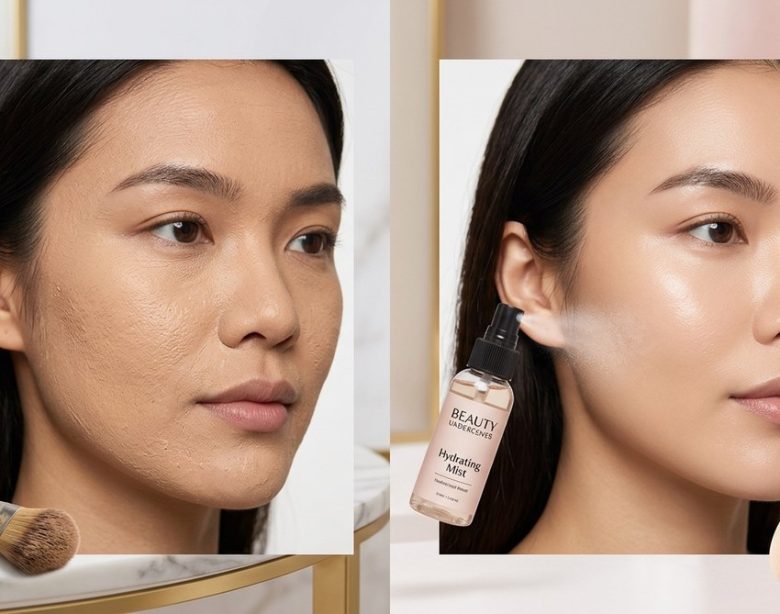
Cakey foundation happens when your skin isn’t prepped, when you use the wrong formula for your skin type, or when you apply too much product too fast. The fix starts with hydration and gentle exfoliation, then choosing the right tool and blending in thin layers. A damp sponge and a setting mist can rescue even the worst application in under 30 seconds.
The Real Reasons Your Foundation Turns Cakey
Let’s get specific about the culprits. Most of the time, it is not one single mistake. It is a chain of small missteps that build up.
Dry, Dehydrated, or Flaky Skin
This is the number one cause. When your skin is dry, foundation has nothing smooth to grip. Instead of gliding over a plump surface, it snags on every tiny flake and dry patch. The result looks like a layer of paint over cracked ground. If you have combination skin, you might notice this most on your cheeks or around your nose.
Wrong Foundation Formula for Your Skin Type
A matte, long-wear foundation on dry skin is a recipe for disaster. Those formulas contain powders and polymers that absorb oil. If you do not have oil to absorb, they suck the moisture right out of your skin and tighten up. The same goes for a dewy, hydrating foundation on very oily skin. It can slip and slide, then settle into pores and look greasy-cakey.
Too Much Product, Too Fast
Many of us pump foundation onto the back of our hand, dot it all over our face, and then start blending. That is too much product sitting on your skin at once. It dries before you can spread it evenly. Thick layers cannot melt into your skin. They sit on top and look heavy.
Skipping Primer or Using the Wrong One
Primer is not a scam. It creates a barrier between your skincare and your foundation. Without it, your moisturizer and foundation can mix in weird ways, causing pilling or separation. A silicone-based primer with a water-based foundation is a classic mismatch that leads to a chunky, uneven finish.
Using the Wrong Tools
Your fingers, a brush, a sponge. They all behave differently. A dense brush can apply too much product. A dry sponge can soak up your foundation and leave a streaky finish. Using a tool that fights against your formula is a fast track to cake town.
The 3-Step Fix You Can Do Right Now
If you are reading this mid-meltdown, here is how to salvage your makeup without starting from scratch.
-
Mist and press. Grab a facial mist or setting spray. Hold it about 10 inches from your face and give your skin a light spritz. Then, using a clean, damp beauty sponge, gently press and bounce across the cakey areas. Do not wipe. Pressing lifts the excess product and rehydrates the layer underneath.
-
Blot, don’t powder. If your cakey look is coming from too much powder or oil breaking through, take a blotting paper or the thin side of a tissue and press it gently onto the shiny or thick spots. This removes the excess without adding more product.
-
Use a damp sponge to blend edges. If you have a harsh line where your foundation ends, or a patchy spot near your jaw, wet your sponge, squeeze out all excess water, and bounce it along the edge. This softens the line and blends everything into your skin.
How to Prevent Cakey Foundation: A Step-by-Step Routine
The best fix is prevention. Here is a routine that works for most skin types.
| Step | What to Do | Common Mistake | Why It Matters |
|---|---|---|---|
| 1 | Exfoliate gently 2-3 times a week | Scrubbing too hard or using harsh physical scrubs | Smooth texture prevents foundation from snagging |
| 2 | Apply a hydrating serum or moisturizer | Skipping moisturizer because you have oily skin | Hydrated skin holds makeup better, even if you are oily |
| 3 | Wait 3-5 minutes after skincare | Applying foundation immediately after moisturizer | Products need time to absorb, or they mix with foundation |
| 4 | Use a primer suited to your skin type | Using a mattifying primer when your skin is dry | Creates a uniform base that extends wear time |
| 5 | Apply foundation in thin layers | Putting a full pump on your face all at once | Thin layers dry evenly and look more natural |
| 6 | Blend with a damp sponge or stippling brush | Swiping foundation like lotion | Pressing and bouncing pushes product into skin, not on top |
“The biggest mistake I see is people not waiting long enough between skincare and makeup. Your moisturizer needs time to sink in. If you apply foundation on top of a tacky layer of cream, it will pill and look cakey every single time.” – Professional makeup artist and educator, Sarah L.
Matching Your Foundation to Your Skin Type
One size does not fit all. Here is a breakdown of what to look for.
For Dry Skin
- Look for: Dewy, luminous, or hydrating formulas. Ingredients like hyaluronic acid and glycerin are your friends.
- Avoid: Matte, long-wear, or powder foundations. They will cling to dry patches.
- Application tip: Mix a drop of facial oil or your moisturizer into your foundation for a smoother glide. For more on building a base routine, check out our guide on how to build a simple 3-step skincare routine for absolute beginners.
For Oily Skin
- Look for: Oil-free, matte, or “natural finish” foundations. Powder foundations can work well for touch-ups.
- Avoid: Heavy, creamy formulas that feel thick. They can slide off or clog pores.
- Application tip: Use a mattifying primer on your T-zone and set your foundation with a light dusting of translucent powder. If your skin is prone to breakouts, you might find helpful information in our article on why your skin purges when you start new products and what to do about it.
For Combination Skin
- Look for: Buildable, medium-coverage foundations with a satin finish.
- Avoid: Ultra-matte or ultra-dewy formulas. They will exaggerate your dry and oily areas.
- Application tip: Prep different zones differently. Use a hydrating primer on your cheeks and a mattifying primer on your nose and forehead.
For Mature Skin
- Look for: Lightweight, hydrating, or “skin-like” finishes. Avoid heavy, full-coverage formulas that settle into fine lines.
- Avoid: Thick, cakey powders and matte foundations.
- Application tip: Use your fingers to warm the product and press it into the skin. The heat helps it melt in better than a brush.
Common Mistakes in a Table
Here is a quick reference for what to stop doing.
| Mistake | Why It Backfires | The Fix |
|---|---|---|
| Using powder to set every single area | Powder can look heavy and dry on cheeks and under eyes | Only powder your T-zone or areas that get oily. Leave the rest natural. |
| Applying foundation with a dry sponge | A dry sponge absorbs product and creates a patchy finish | Always wet your sponge and squeeze out the excess until it is damp |
| Pumping foundation directly onto your face | Too much product in one spot leads to thick, uneven layers | Dot a small amount on the back of your hand, then pick it up with your tool |
| Skipping primer to save time | Your moisturizer and foundation may mix poorly, causing pilling | Even a basic primer helps create a smooth, sticky surface for foundation |
| Using too much powder to set liquid foundation | Excess powder mixes with the liquid and creates a pasty, cakey texture | Use a light hand. Tap off excess powder from your brush before applying |
Tools That Make a Difference
You do not need a professional kit, but the right tool matters.
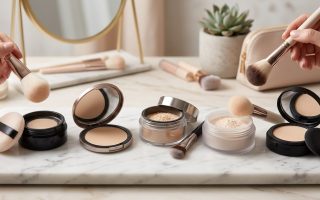
- Damp beauty sponge. Best for a natural, skin-like finish. It presses the product into your skin and sheers out coverage.
- Stippling brush. A duo-fiber brush with long, spaced bristles. It deposits color in a light, airy way. Great for liquid foundations.
- Flat kabuki brush. Good for buffing in powder foundation, but can apply too much liquid foundation if you are not careful.
- Your fingers. Seriously. The warmth of your hands melts product into your skin. This works beautifully for cream or stick foundations.
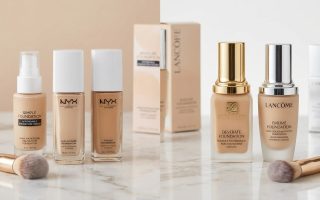
If you are looking for a foundation that works well with these tools, our roundup of the best drugstore foundations that rival high-end luxury brands is a great place to start.
When You Need to Start Over
Sometimes, no amount of fixing will save a bad foundation day. If your makeup is pilling, separating, or sliding off, it is kinder to your skin to remove it and start fresh. Use a gentle micellar water or cleansing balm. Then, reapply your moisturizer and primer before trying again with a much lighter hand.
How to Keep Your Skin Happy Under Foundation
Healthy skin is the best base. If you struggle with chronic cakey makeup, look at your skincare routine first. Are you exfoliating regularly? Are you moisturizing enough for your climate and skin type? Dehydrated skin can look oily on the surface but feel tight underneath. That is a sign you need more hydration, not less.
Adding a hydrating serum with ingredients like hyaluronic acid or glycerin can change everything. If you are curious about which ingredients work best for your skin, read our comparison of hyaluronic acid vs. glycerin: which hydrator your skin actually needs. And if you suspect your current routine might be working against you, take a look at 7 surprising habits that are secretly ruining your skin barrier.
One Final Check Before You Walk Out the Door
Before you leave the house, do the mirror test. Look at your face in natural light, not just your bathroom mirror. Turn your head side to side. If you see any patches or lines, take 10 seconds to mist and press with a sponge. That small step can save you from staring at your reflection all day and feeling self-conscious.
Cakey foundation is fixable. It is not a permanent flaw in your skin or your makeup bag. It is just a signal that something in your routine needs a small adjustment. Listen to that signal, make one change at a time, and your foundation will start looking like skin again.