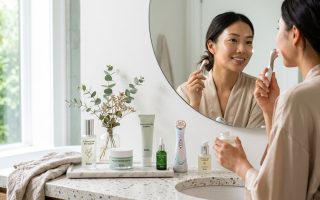
Skincare isn’t just about what products you use. Your daily habits can make or break your skin’s health. If your skin feels dull, sensitive, or prone to breakouts, some routine behaviors might be secretly damaging your skin barrier. Recognizing and changing these habits can lead to healthier, more resilient skin. Understanding the root causes of skin barrier damage is key to maintaining a glowing complexion that lasts.
Your everyday choices shape your skin’s health. Habits like over-washing, hot showers, and harsh products weaken the skin barrier. Small adjustments can prevent damage and promote stronger, brighter skin over time.
Habits damaging skin barrier you might not realize
Many of us have routines that seem harmless but can be detrimental. Damaging your skin barrier compromises its ability to protect against environmental stressors, retain moisture, and fight off irritants. Over time, this leads to increased sensitivity, redness, dry patches, and even breakouts. Let’s look at the most common habits that could be secretly hurting your skin and how you can fix them.
1. Over-washing and scrubbing your skin
Washing your face is essential, but doing it excessively or with harsh cleansers strips away natural oils. When you over-wash, your skin loses its protective lipid layer, making it vulnerable to irritants and moisture loss. Scrubbing too hard can cause microtears, further weakening the barrier.
How to fix it
- Limit washing to twice daily
- Choose gentle, sulfate-free cleansers
- Use lukewarm water, not hot
- Pat dry instead of rubbing
2. Hot showers and baths
A long, hot shower may feel relaxing but it’s a common habit that damages your skin. Hot water strips away the skin’s natural oils, leading to dryness and irritation. It also dilates blood vessels, which can increase redness and sensitivity.
How to fix it
- Opt for warm water instead of hot
- Keep showers brief, around five minutes
- Follow with a rich moisturizer immediately after drying
3. Using harsh skincare ingredients frequently
Acids, alcohols, and certain astringents can be beneficial in moderation but can become damaging if overused. These ingredients can disrupt the skin’s pH and weaken the barrier, especially when combined with aggressive scrubbing or over-exfoliating.
How to fix it
- Use acids like AHAs or BHAs sparingly
- Always follow with soothing ingredients
- Avoid combining multiple exfoliants at once
- Read ingredient labels carefully
4. Neglecting to moisturize properly
Skipping moisturizer or choosing the wrong formula can leave your skin dry and vulnerable. When the skin’s barrier is compromised, moisture escapes easily, leading to dehydration and irritation.
How to fix it
- Apply a hydrating moisturizer suited to your skin type
- Use ingredients like ceramides, glycerin, or hyaluronic acid
- Reapply as needed throughout the day
5. Touching your face frequently
Our hands collect dirt, bacteria, and oils, which can transfer onto your skin. Touching your face often introduces irritants and can cause micro-injuries that weaken the skin barrier.
How to fix it
- Be mindful of touching your face
- Wash hands regularly
- Use clean tools for applying products
- Avoid resting your face on your hands
6. Relying on alcohol-based toners and products
Many toners contain high levels of alcohol which can dry out skin and degrade the barrier. This leads to increased sensitivity, redness, and susceptibility to environmental damage.
How to fix it
- Choose alcohol-free toners
- Look for soothing ingredients like aloe or chamomile
- Limit use of astringent products
7. Poor sleep and high stress levels
Sleep and stress impact your skin’s ability to repair itself. Lack of rest increases cortisol levels, which can induce inflammation and weaken the skin barrier. Stress also triggers skin sensitivity and breakouts.
How to fix it
- Aim for seven to nine hours of quality sleep
- Practice stress management techniques like meditation or yoga
- Maintain a consistent sleep schedule
How to recognize and avoid damaging techniques
| Technique | Mistake |
|---|---|
| Using hot water to wash face | Strips oils and causes dryness |
| Over-exfoliating with acids | Damages skin cells and weakens the barrier |
| Rubbing skin vigorously | Microtears and irritation |
| Applying harsh products frequently | Disrupts pH and depletes natural oils |
| Skipping moisturizer | Leads to dehydration and barrier breakdown |
Expert advice on protecting your skin barrier
“Your skin’s barrier is like a fortress. Treat it gently, avoid overloading it with harsh ingredients, and keep it hydrated. Small habits make a big difference,” shares dermatologist Dr. Lisa Tran.
Practical steps to strengthen your skin barrier
- Limit your cleansing routine to twice a day with a gentle cleanser. Over-washing can strip away essential oils.
- Adjust your water temperature to warm instead of hot. Hot water feels good but damages your skin.
- Incorporate barrier-repair ingredients like ceramides, niacinamide, and fatty acids into your routine.
- Use soothing skincare products after cleansing to calm irritation and lock in moisture.
- Avoid touching your face unnecessarily to prevent bacteria transfer and micro-injuries.
- Stay consistent with your skincare routine and avoid switching products frequently. Give your skin time to adapt.
- Prioritize good sleep and manage stress for overall skin health.
Your skin deserves gentle care
Having a healthy skin barrier is essential for a radiant, resilient complexion. By adjusting your habits and choosing supportive products, you can repair damage and prevent future harm. Remember, consistency is key. Small daily changes lead to long-term benefits. Take care of your skin as you would a delicate fabric — with patience and kindness.
Keep your skin barrier strong and happy
Making mindful adjustments to your routine can protect your skin from damage caused by everyday habits. Think of your skin barrier as a shield that needs gentle handling. Incorporate nourishing ingredients, avoid overdoing it, and give your skin time to recover. With consistent care, your skin will thank you with a healthier, more vibrant glow.