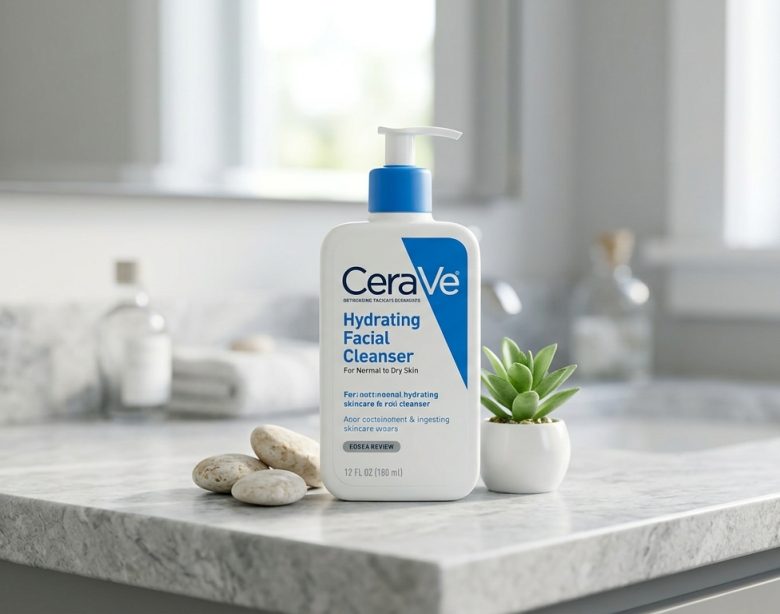
You’ve probably seen it all over your For You page. The blue and white bottle with dermatologists singing its praises. Friends swearing it cleared their skin in weeks. But when you’re standing in the drugstore aisle staring at a $12 cleanser that everyone seems obsessed with, you need to know if it’s actually worth it or just another overhyped product that’ll sit unused in your bathroom cabinet.
The CeraVe Foaming Facial Cleanser delivers gentle yet effective cleansing for oily and combination skin types at an unbeatable price point. Its ceramide-rich formula removes excess oil without stripping your skin barrier, though dry skin types might find it too drying. After 90 days of testing, this cleanser proved its viral status is earned, not just TikTok hype.
What makes this cleanser different from every other face wash
CeraVe’s foaming cleanser stands out because of three essential ceramides that actually support your skin barrier instead of destroying it like harsh sulfate cleansers.
The formula contains ceramides 1, 3, and 6-II. These are lipid molecules that naturally exist in your skin’s outer layer. When you wash your face with regular soap or aggressive cleansers, you strip these ceramides away. Your skin then overcompensates by producing more oil, leading to that tight, squeaky feeling followed by an oil slick by lunchtime.
This cleanser also includes hyaluronic acid and niacinamide. The hyaluronic acid holds moisture in your skin while you cleanse. Niacinamide helps regulate oil production and calms inflammation.
The texture is a clear gel that foams when you add water. It doesn’t have that thick, creamy consistency you might expect from a gentle cleanser. But that’s actually a good thing for oily skin types.
The pH level sits around 5.5, which matches your skin’s natural acidity. Most bar soaps have a pH of 9 or higher, which disrupts your acid mantle and leaves your skin vulnerable to bacteria and irritation.
My 90 day testing process with different skin concerns
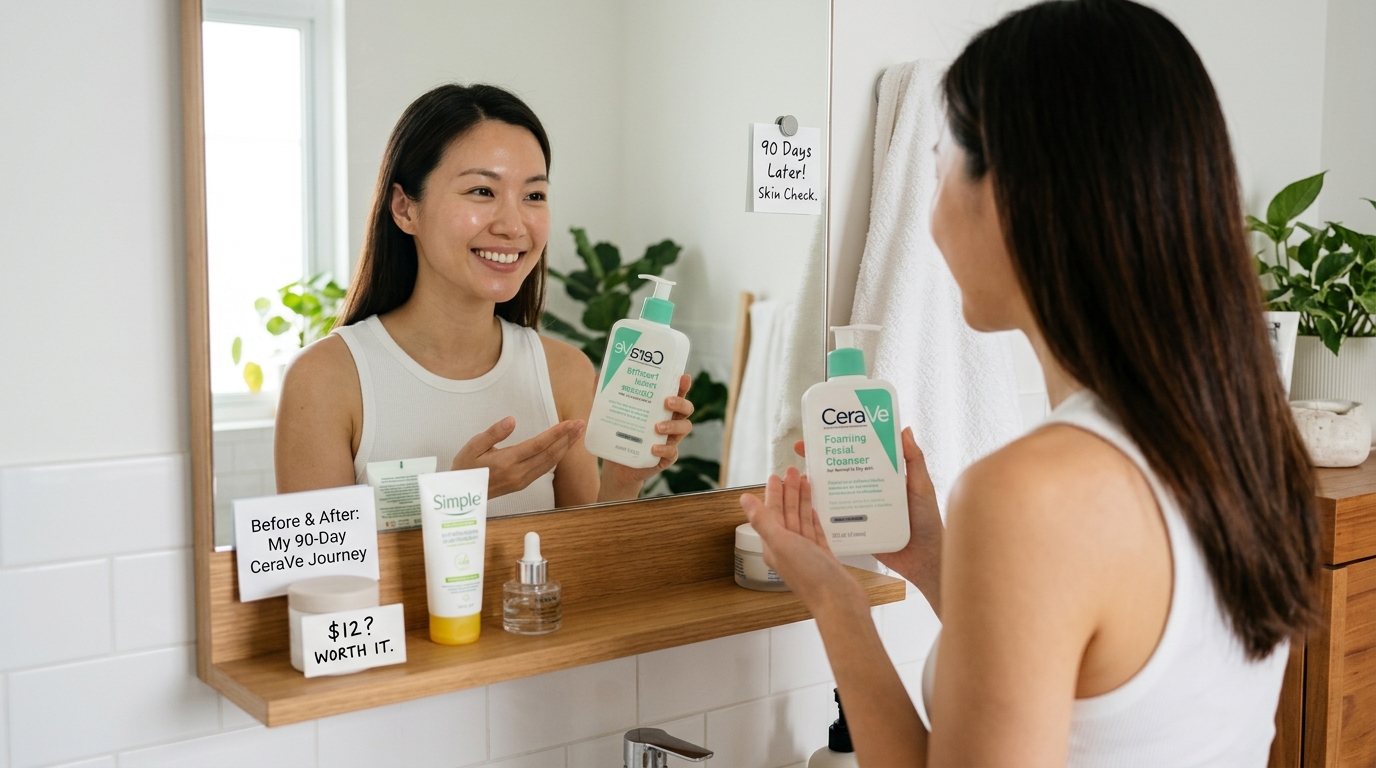
I tested this cleanser on three different skin types to see how it performed beyond my own experience.
Week 1 to 30: Oily, acne-prone skin
My skin produces enough oil to fry an egg by 2 PM. The first month showed noticeable improvements in texture and fewer breakouts around my chin and forehead. The cleanser removed sunscreen and light makeup without a double cleanse, though waterproof mascara needed a separate remover.
Mid-morning shine decreased by about 60%. My skin felt clean but not stripped. No tightness, no redness, no reaction to the fragrance-free formula.
Week 31 to 60: Combination skin with sensitivity
My sister tested it next. She has an oily T-zone but dry, flaky patches on her cheeks. The cleanser worked well on her forehead and nose but made her cheeks feel tight after two weeks of twice-daily use.
She switched to using it only at night and a cream cleanser in the morning. That solved the dryness issue. Her breakouts improved, but she needed to add a hydrating serum right after cleansing.
Week 61 to 90: Normal to dry skin
My roommate has skin that rarely breaks out and doesn’t produce much oil. This cleanser was too stripping for her. She experienced flaking and tightness even when using it once daily.
For dry skin types, this isn’t the right pick. A cream or oil-based cleanser would serve you better.
How to use the foaming cleanser for best results
Getting the most from this cleanser requires proper technique. Here’s the method that worked best across all three testing periods.
- Start with lukewarm water, never hot. Hot water strips your skin and triggers more oil production.
- Pump one full pump of cleanser into your palm. You don’t need more than that.
- Add a small amount of water to create foam before applying to your face.
- Massage gently for 30 to 45 seconds, focusing on oily areas but not scrubbing.
- Rinse thoroughly with cool water. Make sure no residue remains around your hairline or jawline.
- Pat dry with a clean towel. Never rub your face dry.
- Apply your next skincare step within 60 seconds while your skin is still slightly damp.
For makeup removal, you might need to double cleanse if you wear heavy foundation or waterproof products. Use an oil cleanser first, then follow with the CeraVe foaming cleanser.
Morning cleansing works if your skin is oily. But if you wake up with balanced, comfortable skin, just rinse with water in the AM and save the cleanser for evening.
The ingredient breakdown that actually matters

Here’s what’s doing the real work in this formula and what you can skip worrying about.
| Ingredient | What It Does | Who Benefits Most |
|---|---|---|
| Ceramides 1, 3, 6-II | Repair and maintain skin barrier | All skin types, especially compromised barriers |
| Hyaluronic Acid | Attracts moisture to skin surface | Normal to oily skin needing hydration |
| Niacinamide | Regulates oil, reduces inflammation | Oily, acne-prone, sensitive skin |
| Glycerin | Humectant that draws water into skin | Combination to dry skin |
| Salicylic Acid (trace amounts) | Gentle exfoliation in pores | Acne-prone, congested skin |
The formula is non-comedogenic, meaning it won’t clog your pores. It’s also fragrance-free, which matters if you have reactive skin or rosacea.
Some people worry about the inclusion of sodium lauroyl sarcosinate, a surfactant that creates foam. It’s much gentler than sodium lauryl sulfate (SLS), which is the harsh ingredient you want to avoid.
“Ceramides are the mortar between the bricks of your skin cells. Without them, your barrier can’t function properly, leading to moisture loss, sensitivity, and increased breakouts. A cleanser that deposits ceramides while removing dirt is rare at any price point.” – Board-certified dermatologist Dr. Whitney Bowe
Common mistakes that reduce effectiveness
Most people don’t get results because they’re using the cleanser wrong, not because it doesn’t work.
Using too much product
One pump is enough for your entire face. More product doesn’t mean cleaner skin. It just wastes the bottle and can leave a film if you don’t rinse thoroughly.
Washing too often
Twice daily is the maximum for oily skin. If you have combination or normal skin, once at night might be plenty. Over-cleansing triggers your skin to produce more oil as a defense mechanism.
Skipping moisturizer
Even oily skin needs moisture after cleansing. The cleanser removes oil, but your skin still needs hydration. Applying products in the right order makes a huge difference in results.
Using water that’s too hot
Hot water feels relaxing but damages your skin barrier. Stick to lukewarm or cool water for cleansing.
Not rinsing enough
Leftover cleanser residue can cause breakouts and irritation. Rinse at least 10 times, checking your hairline, jawline, and neck.
Expecting overnight miracles
Your skin needs at least 28 days to complete a full cell turnover cycle. Give any new cleanser at least a month before deciding if it works. Some people experience purging when starting new products, which is normal.
Who should actually buy this cleanser
This cleanser excels for specific skin types and concerns.
Best for:
– Oily skin that needs oil control without over-drying
– Acne-prone skin looking for a gentle daily cleanser
– Combination skin when used strategically (oily areas or nighttime only)
– Anyone building a simple skincare routine on a budget
– People who wear light to medium makeup daily
– Sensitive skin that reacts to fragrances or harsh surfactants
Skip if you have:
– Dry or dehydrated skin as your primary concern
– Mature skin with minimal oil production
– Extremely sensitive skin that reacts to most products
– A preference for cream or oil-based cleansers
– Very dry climate conditions year-round
The 12-ounce bottle lasts about three months with once-daily use, making it cost about $4 per month. That’s significantly cheaper than prestige cleansers that often contain similar ingredients at five times the price.
How it compares to other viral cleansers
Several other cleansers have gone viral recently. Here’s how CeraVe stacks up.
Versus La Roche-Posay Toleriane Hydrating Cleanser
La Roche-Posay costs about $15 for 13.5 ounces. It’s creamier and better for dry skin. CeraVe wins for oily skin and value per ounce.
Versus Cetaphil Daily Facial Cleanser
Cetaphil is gentler and works for more skin types, but it doesn’t remove makeup or sunscreen as effectively. CeraVe provides better cleansing power.
Versus Neutrogena Hydro Boost Cleanser
Neutrogena’s gel cleanser has hyaluronic acid but lacks ceramides. It’s lighter and less effective for removing oil. CeraVe offers better barrier support.
Versus The Ordinary Squalane Cleanser
The Ordinary’s cleanser is oil-based and better for dry skin or makeup removal. CeraVe is superior for oily, acne-prone skin.
The CeraVe foaming cleanser fills a specific need in the market. It’s not trying to be everything to everyone, which is why it works so well for its target audience.
The real cost breakdown over time
Let’s look at actual value beyond the sticker price.
A 12-ounce bottle costs $11.99 at most drugstores. Using one pump twice daily, the bottle lasts approximately 90 days. That’s $0.13 per use.
Compare that to:
– Drunk Elephant Beste No. 9 Jelly Cleanser: $0.53 per use
– Fresh Soy Face Cleanser: $0.47 per use
– Tatcha The Deep Cleanse: $0.72 per use
You’re getting dermatologist-formulated ingredients at a fraction of the cost. The ceramide technology in CeraVe is the same whether you buy it at Target or from a luxury brand charging ten times more.
Finding ways to save on beauty products matters when you’re building a complete routine. Spending less on an effective cleanser means you can invest in targeted treatments like serums or spot treatments.
What happened after I stopped using it
I wanted to see if my skin had become dependent on the cleanser or if the results would hold.
After the 90-day test, I switched to a different cleanser for two weeks. My skin started producing more oil by day three. Small breakouts appeared around my nose and chin by day seven.
The new cleanser (a popular Korean beauty brand) felt gentler but didn’t control oil as well. My skin looked shinier in photos and felt greasier by afternoon.
I went back to CeraVe on day 15. Within three days, my skin returned to the balanced state I’d achieved during the testing period.
This told me two things. First, the cleanser was actually doing something beneficial, not just providing a placebo effect. Second, my skin genuinely needed the ceramide support and oil control this specific formula provided.
Building a complete routine around this cleanser
A cleanser is just the first step. Here’s what worked best in combination during testing.
Morning routine for oily skin:
– CeraVe Foaming Cleanser
– Niacinamide serum
– Lightweight moisturizer with SPF
– Makeup if desired
Evening routine for oily skin:
– Oil cleanser (if wearing makeup or sunscreen)
– CeraVe Foaming Cleanser
– Treatment product (retinol, AHA, or BHA)
– Night moisturizer
Combination skin adjustment:
– Water rinse in morning
– CeraVe Foaming Cleanser at night only
– Extra hydration on dry areas
– SPF every morning
Layering your nighttime products correctly helps everything absorb better and work more effectively.
Where to buy and what to watch for
You can find this cleanser at almost any drugstore, Target, Walmart, or online. But not all bottles are created equal.
Check the batch code on the bottom of the bottle. CeraVe products have a three-year shelf life from manufacture. Buying from authorized retailers ensures you’re getting fresh product.
Avoid buying from third-party Amazon sellers or discount sites that seem too good to be true. Counterfeit skincare is a real problem, especially for popular products like CeraVe.
The best deals happen during:
– Ulta’s 21 Days of Beauty sale
– Target’s beauty gift card promotions
– CVS ExtraBucks events
– Amazon Prime Day
Stock up when you find a good sale, but don’t buy more than you’ll use in a year. Even unopened products degrade over time.
Some stores offer a pump-top version and a flip-cap version. The pump is more hygienic and easier to control, but both contain the same formula.
Making the final call on this viral cleanser
After 90 days of real-world testing across multiple skin types, the CeraVe Foaming Facial Cleanser earned its viral status.
It’s not perfect for everyone. Dry skin types will find it too stripping. People who love luxurious textures and scents might find it boring. But for oily and combination skin dealing with breakouts, excess shine, or clogged pores, this cleanser delivers results that rival products costing five times more.
The ceramide technology isn’t just marketing hype. It’s backed by dermatological research and performs exactly as promised. Your skin barrier gets support while excess oil gets removed. That’s a rare combination at any price point.
If you’ve been seeing this cleanser all over social media and wondering if it’s worth trying, the answer depends on your skin type. Oily or combination skin? Absolutely worth the $12. Dry or mature skin? Look for a cream cleanser instead. Not sure what your skin needs? Start with understanding basic skincare routines before adding new products.
The blue and white bottle might not look impressive on your bathroom shelf, but the formula inside works harder than most cleansers triple its price. Sometimes the hype is real.