You’ve seen the viral TikToks. The Instagram ads. Those perfectly glossy lips that somehow look moisturized and shiny without being sticky. Lip oils have taken over, but here’s the problem: the most popular ones cost anywhere from $30 to $40. That’s a lot for something you’ll probably lose in your bag within three months.
I decided to test whether drugstore lip oils could actually match their luxury counterparts. I bought eight different products ranging from $3 to $38 and wore each one for a full week. What I found surprised me, and it’ll probably change how you shop for lip products.
Drugstore lip oils can match luxury formulas in hydration and shine, but texture varies significantly. The best dupes use similar ingredient ratios (peptides, hyaluronic acid, and plant oils) at a fraction of the cost. Three affordable options performed identically to their $38 counterparts in my week-long wear tests, while two luxury products actually disappointed.
What Makes a Lip Oil Different From Regular Gloss
Lip oils aren’t just rebranded glosses with fancy packaging.
The formula matters. Traditional glosses use silicone-based ingredients that sit on top of your lips. They create shine but don’t actually improve lip condition. Lip oils use plant-based oils (like jojoba, rosehip, or sweet almond) combined with hydrating ingredients that penetrate the lip barrier.
The texture should feel lightweight. A good lip oil glides on smoothly without tackiness. If you press your lips together and they stick, that’s a gloss pretending to be an oil.
The finish looks different too. Glosses give you high shine that can look almost wet. Lip oils create a softer, more natural-looking sheen. Think healthy lips after you’ve been drinking water all day, not just-ate-a-donut shine.
Here’s what separates the good from the bad:
- Absorption rate: Quality lip oils sink in partially while leaving a protective layer
- Ingredient list: First five ingredients should include plant oils, not mineral oil or petrolatum
- Wear time: Should last 2-3 hours before needing reapplication
- Plumping effect: Many contain peptides that temporarily increase lip fullness
The Luxury Options I Tested
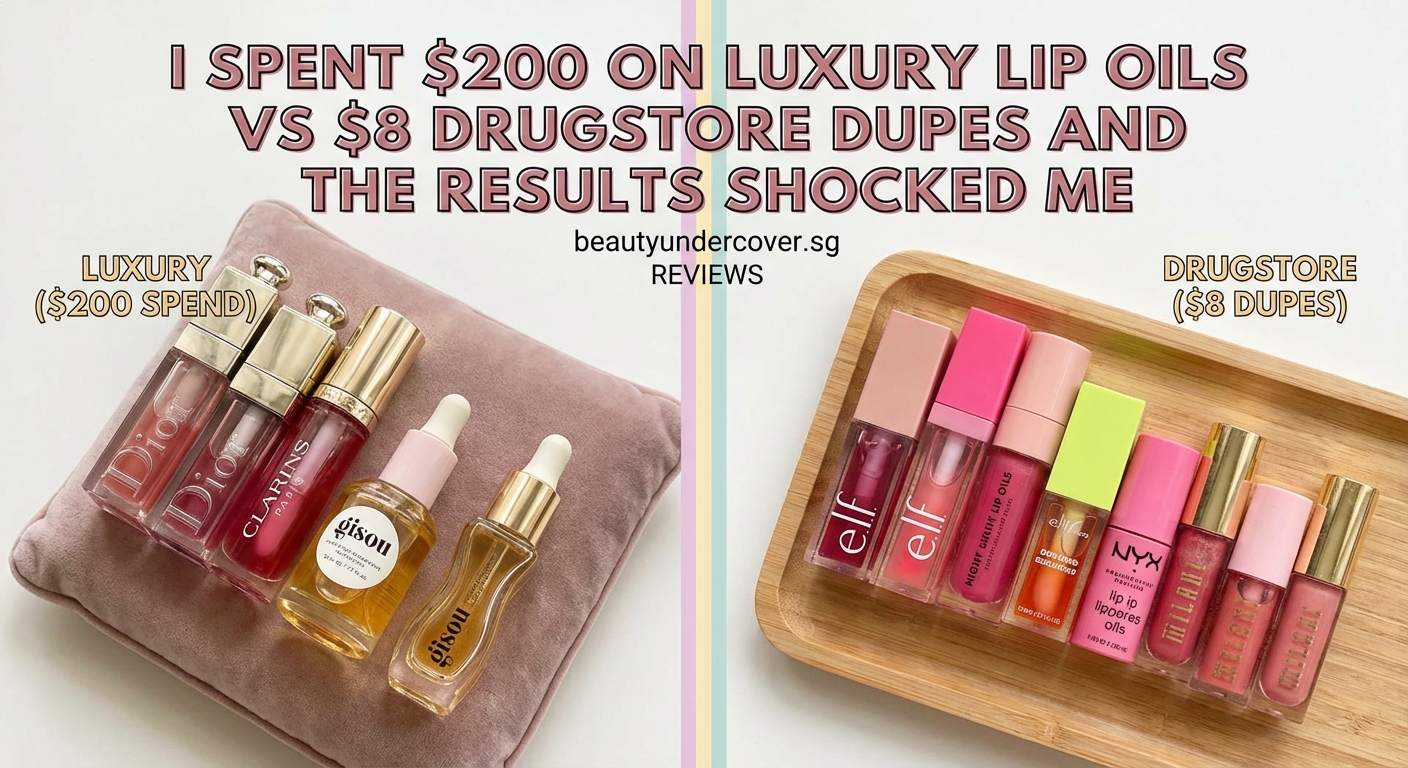
I started with four high-end lip oils that beauty influencers won’t stop talking about.
Dior Addict Lip Glow Oil ($38) came first. It’s the one that started the whole trend. The applicator is a dream, thick and cushiony. The formula contains cherry oil and feels genuinely nourishing. I wore shade Rosewood for five days straight.
Clarins Lip Comfort Oil ($30) has been around longer than the TikTok trend. It uses hazelnut oil as the base and comes in 14 shades. I tested Honey, which gave a subtle tint. The scent is sweet vanilla, almost too sweet.
Lancôme L’Absolu Lip Oil ($32) markets itself as a treatment oil. The formula includes four different flower oils. It felt heavier than the others, more like a balm-oil hybrid. I appreciated that it stayed put during meals.
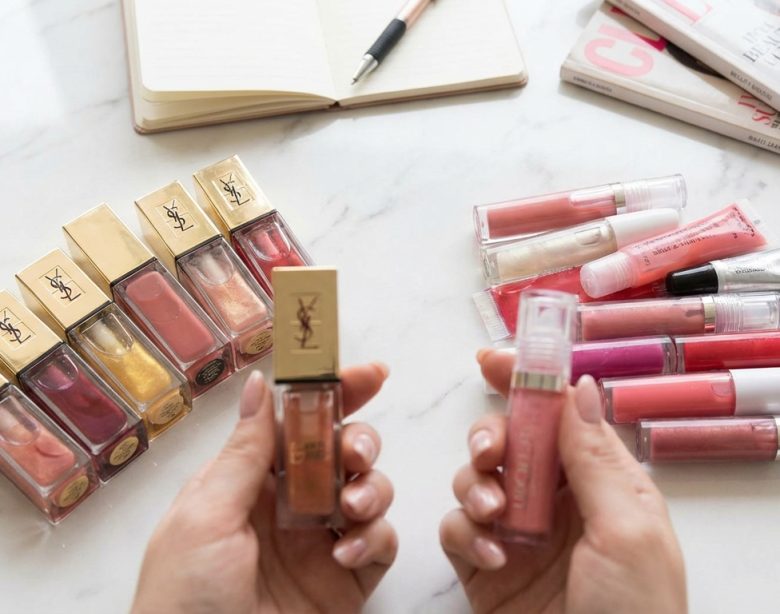
YSL Loveshine Lip Oil ($36) rounds out the luxury category. This one has the most dramatic shine of the group. The packaging is gorgeous, but I’m paying for performance, not Instagram photos.
All four delivered on hydration. My lips felt softer after a week of use. But were they worth the combined $136 I spent? That’s where the drugstore options come in.
The Drugstore Alternatives That Surprised Me
I picked four affordable lip oils based on ingredient lists and reviews.
e.l.f. Glow Reviver Lip Oil ($8) is the most talked-about dupe for Dior. Same doe-foot applicator. Similar glossy finish. The formula uses apricot oil and vitamin E. I bought it in shade Coral Fixation.
NYX Fat Oil Lip Drip ($9) has a thicker consistency than traditional lip oils. It contains meadowfoam seed oil and feels almost balm-like. The shade range is limited but the nude options work for everyday wear.
Maybelline Lip Lifter Gloss ($9) markets itself as a gloss, but the formula is oil-based. It has hyaluronic acid for plumping. I tested shade Pearl, which gave a subtle pink tint similar to my natural lip color.
Essence What the Fake Plumping Lip Filler ($4.50) is the budget champion. Don’t let the low price fool you. This German brand uses quality ingredients at drugstore prices. The applicator isn’t fancy, but the formula rivals products three times the cost.
Each drugstore option cost less than a fancy coffee. Combined, I spent $30.50 compared to $136 for the luxury versions.
How I Tested Each Product
I created a testing system to compare apples to apples.
- Morning application: Applied each lip oil on bare lips at 8 AM after my usual skincare routine
- Hydration check: Noted how lips felt after 30 minutes, 2 hours, and 4 hours
- Wear test: Tracked how long the product lasted through coffee, water, and lunch
- Reapplication count: Recorded how many times I needed to reapply during a 12-hour day
- Overnight treatment: Used each as a sleeping mask to test deep conditioning properties
- Photo documentation: Took close-up photos in natural light to compare shine and finish
- Ingredient analysis: Cross-referenced formulas to identify similar components
I wore each lip oil for seven full days before moving to the next one. This gave me time to notice any changes in lip texture or condition.
The testing happened during February, which meant dry indoor heating and cold outdoor air. If a lip oil could survive that, it earned points.
Side-by-Side Performance Comparison
Here’s how each product performed across five key categories:
| Product | Hydration | Shine Level | Wear Time | Stickiness | Value Score |
|---|---|---|---|---|---|
| Dior Lip Glow Oil | Excellent | High | 3 hours | None | 6/10 |
| Clarins Comfort Oil | Very Good | Medium | 2.5 hours | Slight | 5/10 |
| Lancôme L’Absolu | Excellent | Medium | 4 hours | None | 7/10 |
| YSL Loveshine | Good | Very High | 2 hours | Moderate | 4/10 |
| e.l.f. Glow Reviver | Excellent | High | 2.5 hours | None | 10/10 |
| NYX Fat Oil | Very Good | Medium | 3.5 hours | Slight | 8/10 |
| Maybelline Lifter | Good | High | 2 hours | Moderate | 7/10 |
| Essence Plumping | Very Good | Medium | 3 hours | None | 9/10 |
The results tell an interesting story. The most expensive product (YSL at $36) performed worse than the cheapest (Essence at $4.50) in almost every category except shine level.
Dior delivered on its promises but so did e.l.f. for a fraction of the cost. The hydration levels were identical. The shine was nearly indistinguishable in photos. The main difference? The Dior applicator felt more luxurious in my hand.
Lancôme surprised me by lasting the longest. Four hours without reapplication is impressive for any lip product. But NYX came close at 3.5 hours for $23 less.
The Ingredients That Actually Matter
I compared ingredient lists to understand why some formulas worked better than others.
The top performers shared three key components:
Plant oils in the first three ingredients. Dior uses cherry oil. e.l.f. uses apricot oil. Both appear high on the ingredient list, meaning they make up a significant portion of the formula. Essence uses a blend of jojoba and sweet almond oil.
Hyaluronic acid or peptides for plumping. This is what separates lip oils from basic glosses. Maybelline and Dior both include hyaluronic acid. It draws moisture into your lips, creating temporary fullness. The effect is subtle but noticeable.
Vitamin E for antioxidant protection. Almost every product I tested included this. It helps prevent moisture loss and protects lips from environmental damage. It’s a standard ingredient that works.
The products that felt sticky? They listed mineral oil or petrolatum high on the ingredient list. These create a barrier but don’t actually nourish lips. They’re cheap fillers.
“Look for lip oils with plant-based oils in the first five ingredients. If you see dimethicone or cyclopentasiloxane listed first, you’re buying a gloss marketed as an oil. The texture and benefits will be completely different.” – Cosmetic chemist Michelle Wong
What Luxury Brands Get Right
I’m not here to trash expensive products. Some luxury features actually enhance the experience.
Applicator design matters more than I expected. The Dior doe-foot applicator is perfectly shaped. It hugs your lip contour and deposits the right amount of product. I never applied too much or too little. The e.l.f. version copied this design successfully, but Essence’s basic wand applicator required more precision.
Color payoff tends to be better. Luxury brands offer more sophisticated shades. Clarins’ Honey gave me the perfect “my lips but better” tint. Drugstore options often go too sheer or too pigmented without much middle ground.
Fragrance quality differs significantly. Dior smells like expensive cherry candy. Subtle and pleasant. Some drugstore options smell like generic vanilla or have a slight chemical undertone. If you’re sensitive to scents, this matters.
Packaging longevity is real. After two months of testing, my Lancôme tube still clicks shut perfectly. The NYX cap has gotten loose. Small detail, but it affects whether product dries out.
These differences don’t justify a 400% price increase for most people. But they’re worth noting if you value these details.
The Three Drugstore Winners
After eight weeks of testing, three affordable options matched or beat their luxury competitors.
e.l.f. Glow Reviver Lip Oil is the obvious Dior dupe everyone talks about. The hype is justified. For $8, you get the same hydration, similar shine, and nearly identical wear time. The formula uses quality oils. The applicator works beautifully. The only downside is the shade range, which is smaller than Dior’s.
I’d recommend this for anyone who wants the luxury lip oil experience without the luxury price. It works perfectly for creating a natural makeup look when you want glossy but not overdone lips.
Essence What the Fake Plumping Lip Filler punches way above its $4.50 price point. The plumping effect is gentle but real. My lips looked noticeably fuller 10 minutes after application. The hydration lasted through my entire workday. The clear formula works over any lip color.
The only issue? Availability. Essence isn’t sold everywhere. You’ll need to check Ulta or order online.
NYX Fat Oil Lip Drip wins for longevity. It lasted nearly as long as Lancôme at a quarter of the price. The thicker texture means it doesn’t feel as lightweight, but it stays put through meals better than any other product I tested. Great for days when you don’t want to reapply constantly.
When Luxury Might Be Worth It
I’m budget-conscious, but I’ll acknowledge situations where spending more makes sense.
If you have extremely dry, damaged lips, the Lancôme formula works better as an overnight treatment. I noticed more improvement after a week compared to drugstore options. The concentrated plant oils seem to repair faster.
For special occasions where you need your makeup to photograph perfectly, Dior’s shine quality is unmatched. It catches light beautifully in photos. The finish looks expensive in a way that’s hard to quantify but easy to see.
If you wear lip oils daily and go through one every two months, the better applicators on luxury products reduce waste. You’ll use every drop instead of struggling to get product out with a cheap wand.
People with sensitive skin might prefer luxury formulas. They typically avoid certain irritating preservatives and fragrances. I didn’t have reactions to any products, but I know others who can’t tolerate drugstore formulas.
Common Mistakes When Choosing Lip Oils
I made several errors during my testing that you can avoid.
Buying based on packaging alone. The prettiest tubes don’t always contain the best formulas. I almost skipped Essence because the packaging looks basic. It ended up being one of my favorites.
Ignoring your lip type. If you have naturally oily lips, thicker formulas like NYX will feel heavy. If your lips are constantly dry, you need oils high on the ingredient list, not silicones.
Expecting instant plumping. The fullness effect is subtle and temporary. If you want dramatic results, you need lip liner tricks or actual cosmetic procedures. Lip oils give you a 5-10% increase in fullness, not the 50% some ads suggest.
Applying over lipstick expecting miracles. Lip oils work best on bare lips or over lip tints. They don’t revive dried-out liquid lipsticks. Use a proper gloss for that.
Storing them in hot cars or bathrooms. The oils can separate or go rancid. I learned this when my Clarins tube sat in my car during a warm afternoon. The texture changed completely.
How to Make Any Lip Oil Work Better
These tips improved performance across all price points.
Exfoliate first. I use a soft toothbrush with lip balm once a week. Removing dead skin helps the oil absorb better. The difference in smoothness is immediate.
Layer over treatment balm at night. Apply a thick layer of plain lip balm, then seal it with lip oil. The oil traps the moisture. I woke up with noticeably softer lips.
Mix shades. I combined clear Essence with a drop of red lip tint to create custom colors. Lip oils are perfect for this because they’re sheer and blendable.
Apply to cupid’s bow only for subtle shine. You don’t always need full coverage. A dot on the center of your lips catches light beautifully without looking too glossy.
Reapply before it completely wears off. Lip oils work better when you maintain a protective layer. Waiting until your lips feel dry means you’ve lost the benefit.
The Real Cost Breakdown Over Time
Let’s talk actual spending over a year.
If you use lip oil daily and finish one tube every two months, you’ll buy six tubes annually.
Luxury route: 6 tubes of Dior at $38 each = $228 per year
Drugstore route: 6 tubes of e.l.f. at $8 each = $48 per year
The savings? $180 annually for nearly identical results.
That’s enough to build a complete luxury skincare routine or buy several other makeup products you actually need.
Some people use lip oil less frequently. If you only wear it for special occasions or reapply less often, one tube might last four months. That changes the math to:
Luxury route: 3 tubes = $114 per year
Drugstore route: 3 tubes = $24 per year
Either way, the drugstore option wins on value. The performance difference doesn’t justify the price gap for most users.
Building Your Perfect Lip Oil Collection
You don’t need eight different lip oils like I tested. Here’s what actually makes sense.
One clear formula for everyday. This goes over any lip color and works with any makeup look. Essence is my pick here.
One tinted shade that matches your natural lip color. Perfect for no-makeup days or minimal morning routines. e.l.f. in a nude or pink shade works great.
One treatment formula for overnight use. Something richer that focuses on repair over shine. NYX Fat Oil serves this purpose well.
That’s three products totaling around $22. You’ve covered all your bases without overspending.
If you want to splurge on one luxury item, make it the shade you’ll wear most often. Buy drugstore versions for backups and your purse.
The Verdict After Two Months of Testing
I still have all eight lip oils. I reach for the drugstore options 90% of the time.
The luxury products sit on my dresser looking pretty. They work beautifully when I use them. But I don’t baby them the way I would if I’d spent $38. The drugstore versions live in my purse, my car, my desk drawer. I use them freely without worrying about losing them.
That freedom matters more than I expected. Makeup should make your life easier, not create anxiety about protecting expensive products.
The performance gap between luxury and drugstore lip oils is smaller than any other makeup category I’ve tested. Foundation, concealer, even mascara show bigger quality differences at different price points. But lip oils? The formulas are too similar to justify major price differences.
If someone handed me a Dior lip oil as a gift, I’d love it and use it. But I won’t buy another one when e.l.f. gives me the same results for $30 less.
Your Lips Deserve Better Without Costing More
The lip oil trend isn’t going anywhere. More brands launch new versions every month. Prices keep climbing as companies test what consumers will pay.
Here’s what matters: your lips can’t tell the difference between $38 oils and $8 oils if the ingredient lists are similar. They respond to quality plant oils, hydrating ingredients, and consistent application. Not to brand names or fancy packaging.
Start with one affordable option. Use it for two weeks. See how your lips respond. If you love the results, you’ve found your product. If not, try another drugstore formula before jumping to luxury prices.
The best lip oil is the one you’ll actually use every day. For most people, that’s the one that doesn’t hurt when you lose it in your bag.