Dry skin on your body feels different than dry skin on your face. It’s tighter, flakier, and often shows up in patches you didn’t even know existed until you put on that black dress. Your arms feel rough. Your legs look dull. And no matter how much lotion you slather on, the dryness comes back within hours.
The problem isn’t always the lotion itself. Sometimes it’s the ingredients. Sometimes it’s how you’re applying it. And sometimes, it’s because you’re treating body skin like facial skin when they need completely different approaches.
The best body lotions for dry skin combine occlusive ingredients like shea butter with humectants like glycerin and ceramides to repair your moisture barrier. Apply within three minutes of showering on damp skin, and look for formulas with at least 10% urea or lactic acid for severe dryness. Avoid fragranced products if you experience irritation, and layer a body oil under your lotion for extra protection during winter months.
What makes body skin different from facial skin
Your body skin is thicker than your face. It has fewer sebaceous glands, which means it produces less natural oil. This is why your face might be oily while your shins are flaking off.
Body skin also gets more friction. Clothes rub against it all day. Hot showers strip away protective oils faster than you can replace them. And most people forget to moisturize their body until it’s already uncomfortable.
The skin on your arms, legs, and torso needs heavier formulas than your face can tolerate. What feels greasy on your cheeks works perfectly on your calves. This is why facial moisturizers rarely solve body dryness, no matter how expensive they are.
Key ingredients that actually hydrate dry body skin
Not all moisturizing ingredients work the same way. Some pull water into your skin. Others lock it in. The best body lotions for dry skin use both types together.
Humectants attract water from the air and deeper skin layers:
– Glycerin (the most effective and affordable)
– Hyaluronic acid (holds 1000 times its weight in water)
– Urea (also gently exfoliates dead skin)
– Lactic acid (hydrates while smoothing texture)
Occlusives create a barrier that prevents water loss:
– Shea butter (rich but absorbs well)
– Dimethicone (silky, non-greasy feel)
– Petrolatum (the gold standard for severe dryness)
– Lanolin (mimics skin’s natural oils)
Ceramides repair your skin barrier so it can hold moisture on its own. Look for ceramide 1, 3, and 6-II on ingredient lists. They’re not glamorous, but they work better than most trendy ingredients.
If you’re building a complete routine, pairing your body lotion with the best hydrating serums for dry skin under $30 can address both face and body concerns without breaking your budget.
How to choose a body lotion for your specific dryness level
Dry skin isn’t one-size-fits-all. Someone with mildly dry arms needs a different formula than someone dealing with eczema patches.
| Dryness Level | Texture to Look For | Key Ingredients | Application Frequency |
|---|---|---|---|
| Mild (slight tightness after showering) | Lightweight lotion | Glycerin, hyaluronic acid | Once daily |
| Moderate (visible flaking, rough texture) | Rich cream | Shea butter, ceramides, urea | Twice daily |
| Severe (painful cracks, constant itching) | Thick balm or ointment | Petrolatum, colloidal oatmeal, dimethicone | Multiple times daily, especially after water exposure |
| Eczema-prone (red, inflamed patches) | Fragrance-free cream | Colloidal oatmeal, ceramides, niacinamide | As needed, plus prescription treatments |
Mild dryness responds to almost any decent lotion. Moderate to severe dryness needs targeted treatment. Don’t waste money on lightweight lotions if your skin is seriously compromised. They won’t penetrate deeply enough.
The right way to apply body lotion for maximum absorption
Most people rub lotion into completely dry skin and wonder why it disappears so fast. Timing matters more than you think.
- Shower or bathe in warm (not hot) water for no more than 10 minutes
- Pat your skin with a towel until it’s damp, not bone dry
- Apply lotion within three minutes while your skin is still slightly wet
- Use more product than you think you need (a quarter-sized amount per limb minimum)
- Focus on the driest areas first: elbows, knees, shins, and feet
This method traps water in your skin instead of just sitting on top of it. Your lotion will last longer and work better. If you’re dealing with extremely dry skin, layer a few drops of body oil under your lotion for extra protection.
The same principle applies to facial skincare. Understanding morning vs. night skincare: which products go when and why it matters helps you time your body care routine for better results too.
Common mistakes that make dry skin worse
You might be sabotaging your own efforts without realizing it. These habits strip moisture faster than any lotion can replace it.
Taking scalding hot showers. Hot water feels amazing, but it destroys your skin’s protective lipid layer. Stick to warm water, and keep showers under 10 minutes.
Using harsh soaps. Bar soaps with high pH levels disrupt your skin barrier. Switch to gentle, fragrance-free cleansers with a pH close to 5.5.
Skipping sunscreen on your body. UV damage makes dry skin worse by breaking down collagen and elastin. Apply sunscreen to exposed areas year-round. Check out 7 body sunscreens that won’t leave a white cast or greasy residue for options that layer well under or over body lotion.
Over-exfoliating. Scrubs and loofahs feel satisfying, but daily use removes protective oils. Exfoliate no more than twice a week, and let chemical exfoliants like lactic acid do the work instead of physical scrubs.
Wearing rough fabrics. Wool and synthetic materials create friction that irritates dry skin. Choose soft cotton or bamboo clothing, especially in winter.
“The biggest mistake I see is patients moisturizing once and expecting permanent results. Dry skin is a chronic condition that requires consistent care, not a one-time fix. Apply lotion at least once daily, and increase frequency during winter or in dry climates.” – Board-certified dermatologist
Special considerations for different body areas
Not every part of your body has the same needs. Your hands face constant washing. Your feet deal with friction from shoes. Your back is hard to reach.
Hands need frequent reapplication because you wash them multiple times daily. Keep a thick hand cream at every sink and in your bag. Look for formulas with dimethicone or lanolin that create a protective barrier against water.
Feet have thicker skin that can handle stronger ingredients. Use lotions with 10-15% urea or salicylic acid to soften calluses. Apply at night and wear cotton socks to lock in moisture.
Back and shoulders are prone to breakouts if you use heavy creams. Choose lightweight lotions with non-comedogenic ingredients. If you struggle with what causes bacne and how to clear it for good, you might need a different product for your back than the rest of your body.
Chest and neck show aging faster than other areas. Use lotions with niacinamide or peptides to address texture and tone while hydrating.
When to upgrade from lotion to cream or ointment
Lotions contain more water than oil. They absorb fast but don’t provide long-lasting protection for severely dry skin. Creams have a higher oil content and create a stronger barrier. Ointments are almost pure oil and work best for extreme cases.
If your current lotion stops working after a few hours, move up to a cream. If your skin still feels tight, try an ointment at night. You can use different formulas for different times of day. Lightweight lotion in the morning under clothes, richer cream at night when you can let it soak in.
Understanding the best body oils vs body butters: which one does your skin actually need? helps you decide whether to add an extra layer or switch formulas entirely.
Seasonal adjustments for year-round hydration
Your skin’s needs change with the weather. Winter air is dry and cold. Summer brings sun exposure and chlorine. Spring and fall have unpredictable humidity.
Winter: Switch to thicker creams or layer oil under your regular lotion. Run a humidifier in your bedroom. Apply lotion twice daily minimum.
Summer: Lighter lotions work fine, but don’t skip them entirely. Focus on sun-exposed areas and reapply after swimming. Choose water-resistant formulas if you spend time outdoors.
Spring and fall: These transition seasons can trick you. Indoor heating and air conditioning still dry out skin even when outdoor temps are mild. Adjust your routine based on how your skin feels, not what the calendar says.
Learning how to transition your skincare routine from summer to fall without breaking out applies to body care too. Gradual changes prevent irritation.
Budget-friendly options that work as well as luxury brands
Expensive doesn’t always mean better. Some drugstore body lotions outperform luxury versions at a fraction of the cost.
CeraVe Moisturizing Cream contains ceramides, hyaluronic acid, and a time-release system that hydrates for 24 hours. It costs around $15 for a large tub that lasts months.
Eucerin Advanced Repair Lotion uses ceramides and natural moisturizing factors to repair damaged skin barriers. It’s fragrance-free and works for sensitive skin. Around $10 for a generous bottle.
Aveeno Daily Moisturizing Lotion with colloidal oatmeal soothes irritation while hydrating. It’s lightweight enough for daily use but effective for moderate dryness. About $8.
Vaseline Intensive Care Advanced Repair absorbs surprisingly fast for a petroleum-based product. It creates a protective barrier without feeling greasy. Around $6.
These products focus on proven ingredients instead of fancy packaging. They work because they use high concentrations of effective moisturizers, not because they cost more.
For more budget-conscious beauty shopping, explore 15 drugstore beauty products that work better than their high-end counterparts.
Building a complete body care routine that addresses multiple concerns
Dry skin rarely exists in isolation. You might also deal with rough texture, dark spots, or keratosis pilaris. A strategic routine tackles everything at once.
Step 1: Cleanse with a gentle, creamy body wash. Avoid anything that lathers heavily or contains sulfates.
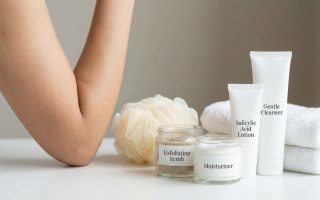
Step 2: Exfoliate 2-3 times per week with a chemical exfoliant containing lactic acid or glycolic acid. This removes dead skin so your lotion can penetrate better. If you have those small bumps on your arms, read how to treat and prevent keratosis pilaris (those tiny bumps on your arms) for targeted solutions.
Step 3: Apply treatment products if needed. This might be a vitamin C serum for dark spots or a retinol body lotion for texture and aging concerns.
Step 4: Moisturize while skin is still damp. Use your chosen body lotion, cream, or ointment based on your dryness level.
Step 5: Seal with a body oil if your skin is extremely dry or you live in a harsh climate.
This might sound like a lot, but most steps take seconds once you establish the habit. The payoff is smooth, comfortable skin that doesn’t crack or itch.
The complete guide to building a body care routine that actually works breaks down each step in more detail if you want to customize your approach.
Signs your body lotion isn’t working and what to do instead
Sometimes a product just doesn’t match your skin’s needs. Here’s how to tell when it’s time to switch.
Your skin feels dry again within an hour of applying lotion. This means the formula is too lightweight or lacks occlusives. Move to a richer cream or add a layer of oil.
You develop small bumps or a rash after using a new product. This could be an allergic reaction to fragrance or preservatives. Switch to a fragrance-free, hypoallergenic option. Why your skin purges when you start new products and what to do about it explains how to distinguish between irritation and normal adjustment.
Your skin feels greasy but still looks dry. You’re using too much product or applying it to completely dry skin. Use less lotion but apply it on damp skin for better absorption.
Nothing seems to help no matter what you try. See a dermatologist. You might have eczema, psoriasis, or another condition that needs prescription treatment. Over-the-counter lotions can only do so much for medical conditions.
Making body moisturizing a habit you’ll actually stick to
Consistency matters more than the perfect product. The best body lotion for dry skin is the one you’ll use every single day.
Keep your lotion visible. Store it next to your towel so you see it right after showering. Out of sight means out of mind.
Choose a texture you like. If you hate greasy feelings, pick a fast-absorbing lotion even if it’s slightly less moisturizing. You’ll use it more often than a heavy cream you avoid.
Start with just the driest areas if full-body application feels overwhelming. Focus on your hands, shins, and elbows. Once that becomes automatic, expand to other areas.
Pair it with an existing habit. Apply lotion right after brushing your teeth at night. Your brain will link the two actions, making it easier to remember.
Small, consistent actions beat perfect routines you abandon after a week. Even basic moisturizing done daily beats expensive products used sporadically.
Your skin deserves better than afterthought care
Body skin covers most of your surface area, yet it gets a fraction of the attention you give your face. That doesn’t make sense when you consider how much discomfort dry skin causes.
Finding the best body lotions for dry skin means understanding your specific needs, choosing proven ingredients, and applying products at the right time. It’s not complicated, but it does require consistency.
Start tonight. Apply lotion within three minutes of your next shower. Notice how your skin feels tomorrow morning. Make one small adjustment based on what you learned here. Your skin will thank you for finally giving it the care it’s been asking for all along.