The glass skin look ruled makeup tutorials and skincare routines for what felt like forever. Dewy, reflective, almost wet-looking skin became the gold standard. But walk into any beauty store or scroll through social media in 2024, and you’ll notice something different. The conversation has shifted.
The glass skin trend peaked in 2023 but has evolved significantly in 2024. The new preferred finish is “soft blur” or “velvet skin,” featuring a naturally matte, airbrushed appearance without shine or visible texture. This shift reflects a desire for long-lasting, filter-like makeup that photographs well in any lighting while still looking skin-like and breathable rather than overly dewy or reflective.
What happened to glass skin in 2024
Glass skin isn’t dead, but it’s definitely not the default anymore. The ultra-dewy, highlighter-heavy look started feeling impractical for everyday wear. People realized that while it looked stunning in carefully lit photos, it didn’t always translate well to real life.
The shine could read as oily by midday. The products required to maintain that wet look often felt heavy. And in certain lighting, especially harsh office fluorescents or direct sunlight, the reflective quality could emphasize texture rather than hide it.
By early 2024, beauty creators started pivoting. The comments sections filled with requests for something different. Something that still looked polished but felt more wearable.
The finish that replaced glass skin
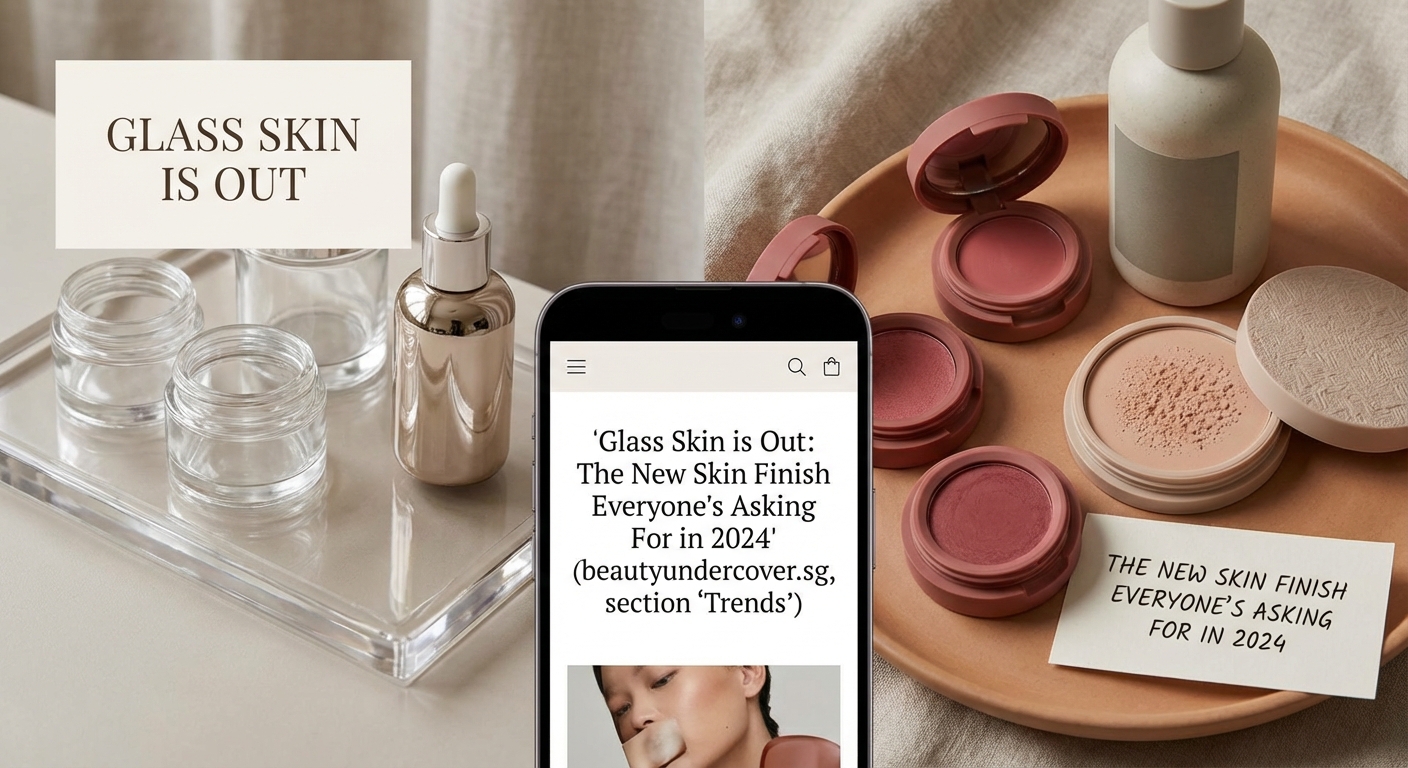
Enter the soft blur finish, sometimes called velvet skin or cloud skin. This technique creates a naturally matte, airbrushed appearance that mimics what your skin looks like through a subtle filter.
The key difference? No shine. No visible glow. Just smooth, even-toned skin that looks almost powdery but never cakey. Think of how your skin appears in a professionally retouched photo, where pores are minimized and everything looks impossibly smooth yet still real.
This finish gained momentum because it solves the practical problems glass skin created:
- Lasts longer without touch-ups
- Photographs consistently well in any lighting
- Works better for oily and combination skin types
- Doesn’t emphasize texture or large pores
- Feels lighter and more breathable
- Transitions seamlessly from day to night
The soft blur look also aligns with the “no-makeup makeup” aesthetic that’s been building for years. It’s polished without being obviously made up.
How to achieve the soft blur finish
Getting this look requires a different approach than glass skin. Here’s the step-by-step process:
- Start with a mattifying primer that blurs pores without feeling silicone-heavy.
- Apply a medium coverage foundation with a satin or natural finish using a damp beauty sponge.
- Set strategically with a finely milled translucent powder, focusing on areas that get oily.
- Skip highlighter entirely or use only the tiniest amount on the high points of your face.
- Finish with a pore-blurring setting spray that dries down to a soft-focus finish.
The technique is less about layering moisture and glow products and more about creating an even canvas. You’re essentially building a breathable veil over your skin.
“The soft blur trend is all about skin that looks perfected but not plastic. You want people to think you have amazing skin, not that you’re wearing a mask of makeup. The goal is natural flawlessness.” — Celebrity makeup artist Katie Chen
Glass skin vs soft blur: the key differences
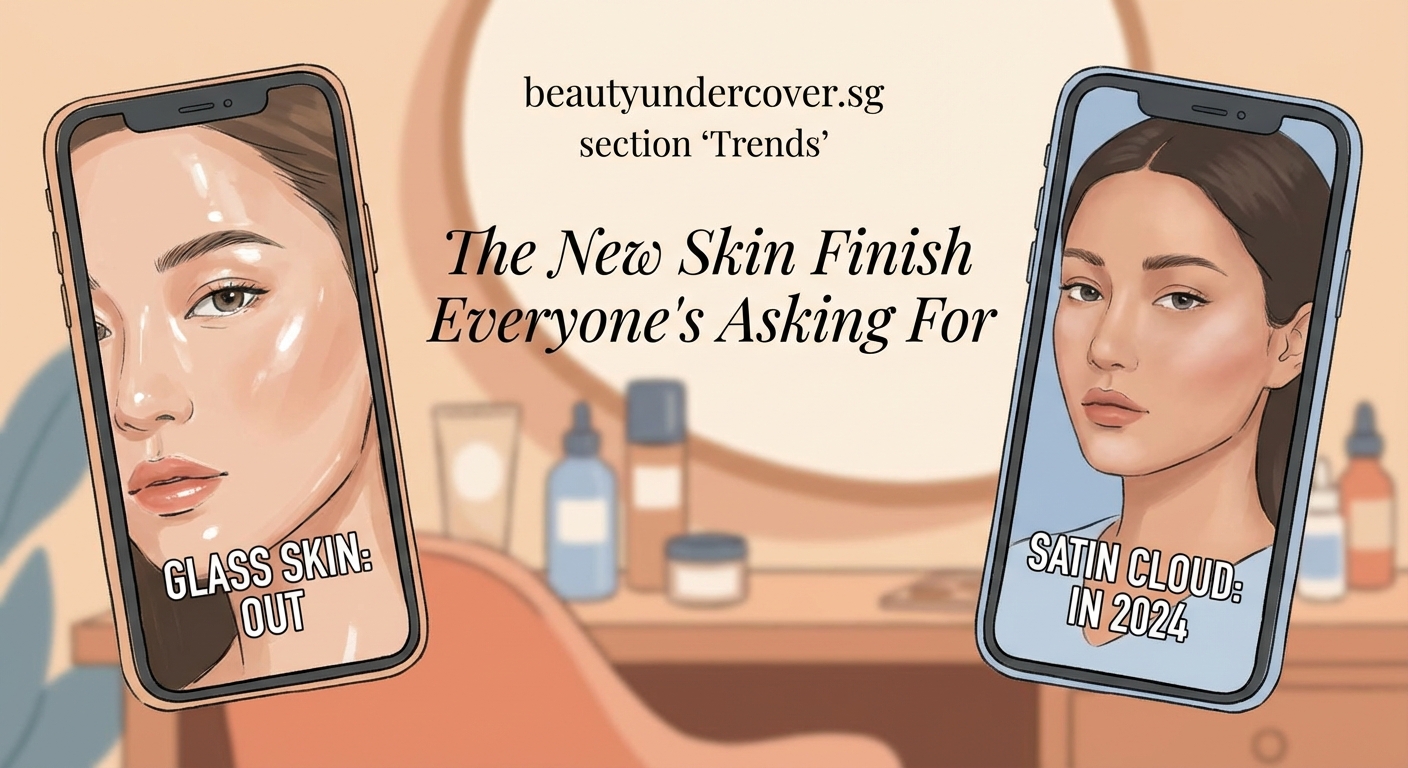
Understanding what sets these finishes apart helps you decide which works better for your needs.
| Aspect | Glass Skin | Soft Blur |
|---|---|---|
| Finish | Reflective, dewy, wet-looking | Matte, velvety, airbrushed |
| Texture visibility | Can emphasize in wrong lighting | Minimizes appearance of pores |
| Longevity | Requires frequent touch-ups | Lasts 8+ hours without fading |
| Best for skin type | Dry, mature skin | Oily, combination, textured skin |
| Product weight | Heavy, multiple layers | Light, breathable layers |
| Highlight placement | Generous, strategic glow | Minimal to none |
| Photography | Stunning in controlled light | Consistent in all lighting |
Neither finish is objectively better. They serve different purposes and flatter different skin types. But the shift toward soft blur reflects changing priorities in how we want our makeup to perform.
Products that create the soft blur effect
The right products make this finish achievable without professional skills. Look for formulas described as “blurring,” “soft-focus,” “velvet,” or “airbrushed.”
For primers, silicone-based options still work, but newer formulas use light-reflecting particles and polymers that create a blurred effect without the slippery feel. Brands have released entire lines focused on this aesthetic.
Foundations matter more than ever. You want something that dries down to a natural matte, not flat or chalky. The coverage should be buildable so you can customize based on your skin’s needs that day.
Setting powders have evolved too. The best ones for this look are ultra-fine and almost invisible on the skin. They shouldn’t look powdery or settle into lines.
Setting sprays complete the effect. Look for ones that specifically mention pore-blurring or soft-focus benefits. These contain ingredients that create a subtle veil over your makeup, locking everything in place while maintaining that airbrushed appearance.
Common mistakes when attempting soft blur skin
Getting this finish wrong can leave you looking flat or overly matte. Here are the pitfalls to avoid:
| Mistake | Why It Fails | Better Approach |
|---|---|---|
| Using too much powder | Creates a cakey, aged appearance | Set only where needed, use light hand |
| Skipping skincare prep | Makeup clings to dry patches | Hydrate skin first, let absorb fully |
| Wrong foundation formula | Dewy formulas won’t blur | Choose satin or natural matte finishes |
| Over-blending | Removes coverage, disrupts blur | Use patting motions, minimal rubbing |
| Adding shimmer products | Breaks the soft-focus illusion | Use only matte or satin products |
The soft blur finish walks a fine line. You want matte without looking flat. Smooth without appearing filtered in an obvious way. It takes practice to find the right balance for your skin.
Who should stick with glass skin
Not everyone needs to jump on the soft blur trend. Glass skin still has its place, especially for certain skin types and occasions.
If you have very dry skin, the dewy finish can look more natural and healthy on you. The glow reads as well-moisturized rather than oily. Mature skin also often benefits from the luminosity that glass skin provides, as it can make the complexion look more youthful.
For special events and professional photography, glass skin still photographs beautifully when lighting is controlled. Wedding makeup, for example, often still leans toward that radiant finish because it looks stunning in professional photos.
The glass skin aesthetic also works better in cooler, drier climates where the dewiness won’t turn into actual sweat or oil breakthrough. If you live somewhere with low humidity, maintaining the look becomes much easier.
How the trend evolved on social media
The shift from glass to blur happened gradually on platforms like Instagram and TikTok. Creators started using phrases like “my skin but better” and “real skin finish” more frequently.
Makeup tutorials began focusing on longevity and practicality rather than just the initial application. Videos showing how makeup held up after eight hours became more popular than perfect vanity lighting demos.
The hashtag patterns shifted too. While #glassskin still has millions of posts, #softblur, #cloudskinn, and #velvetskin gained serious traction throughout 2024. The engagement on these newer tags often surpassed the older glass skin content.
Beauty brands noticed and adjusted their marketing. Product launches in the second half of 2024 heavily featured blurring technology, pore-minimizing benefits, and long-wear claims rather than glow and radiance.
Adapting the trend to your skin type
The beauty of the soft blur finish is its flexibility. You can adjust the technique based on your specific skin concerns.
For oily skin, embrace the matte aspect fully. Use oil-control primers and set generously. Your natural oils will actually help the finish look more skin-like as the day progresses, preventing it from looking too powdery.
Combination skin benefits from strategic application. Blur and mattify your T-zone while keeping your cheeks slightly more natural. This prevents the flat, one-dimensional look that can happen when you treat your entire face the same way.
Dry skin requires the most careful approach. Prep with hydrating products and let them fully absorb before applying makeup. Use cream products where possible and set only the areas that need it. Your version of soft blur will have slightly more dimension than someone with oily skin, and that’s perfectly fine.
Textured skin actually loves this trend. The blurring effect minimizes the appearance of acne scars, large pores, and uneven texture better than glass skin ever did. Just make sure your skincare routine addresses the underlying concerns so you’re not relying solely on makeup.
Seasonal considerations for both finishes
Your environment plays a huge role in which finish works better for you at any given time.
Summer heat and humidity make soft blur the practical choice. The matte finish holds up better against sweat and doesn’t turn into an oil slick by afternoon. Glass skin in summer often requires constant blotting and powder touch-ups.
Winter dryness can make soft blur look a bit flat if you’re not careful with your skincare prep. This is when glass skin makes a comeback for many people. The extra moisture and glow combat the dull, dehydrated look that winter can bring.
Spring and fall offer the most flexibility. The moderate temperatures and humidity levels mean both finishes can work beautifully. This is the perfect time to experiment and see which aesthetic you prefer.
The future of skin finish trends
Predicting where beauty trends will go is tricky, but patterns suggest we’ll continue moving toward more natural, practical finishes.
The soft blur aesthetic fits into a larger movement toward makeup that enhances rather than transforms. People want to look like themselves, just slightly perfected. The Instagram face with heavy contouring and obvious makeup has fallen out of favor for everyday wear.
Technology will play a role too. As phone cameras and social media filters become more sophisticated, people want their real-life appearance to match their digital presence more closely. Soft blur makeup creates that filter-like effect in person.
Skincare will continue influencing makeup trends. As people invest more in their skin health, they want makeup that showcases their improved skin rather than covering it completely. This supports finishes that look skin-like rather than heavily made up.
Making the switch from glass to blur
If you’ve been doing glass skin for years, transitioning to soft blur requires some product and technique adjustments.
Start by swapping your dewy foundation for one with a natural or satin finish. You don’t need to replace everything at once. This single change makes the biggest difference.
Add a pore-blurring primer to your routine. This creates the smooth canvas that makes the soft blur effect possible. Apply it after your skincare has fully absorbed.
Reduce your highlighter usage gradually. If you’re used to a strong glow, going completely matte might feel wrong at first. Try using just a tiny amount on your cheekbones and brow bones, then slowly decrease over time.
Invest in a good setting powder and learn to use it strategically. This is the product that really locks in the soft blur finish. Focus on your T-zone and any areas that tend to get shiny throughout the day.
Practice different application techniques. The damp beauty sponge works beautifully for this finish because it presses product into the skin without disturbing the blur. Brushes can sometimes create streaks or unevenness.
Your skin, your choice
The glass skin trend served its purpose. It taught us about the importance of skincare, introduced us to new products, and gave us a fresh aesthetic to try. But beauty trends exist to inspire, not dictate.
The soft blur finish offers something different: practicality, longevity, and a more universally flattering approach to flawless skin. It works with your life rather than requiring constant maintenance. Whether you fully embrace it or cherry-pick elements that work for you, the goal stays the same. Confidence in how your skin looks, regardless of which finish you choose.