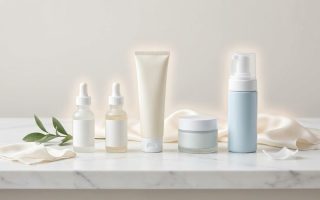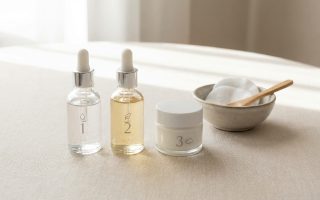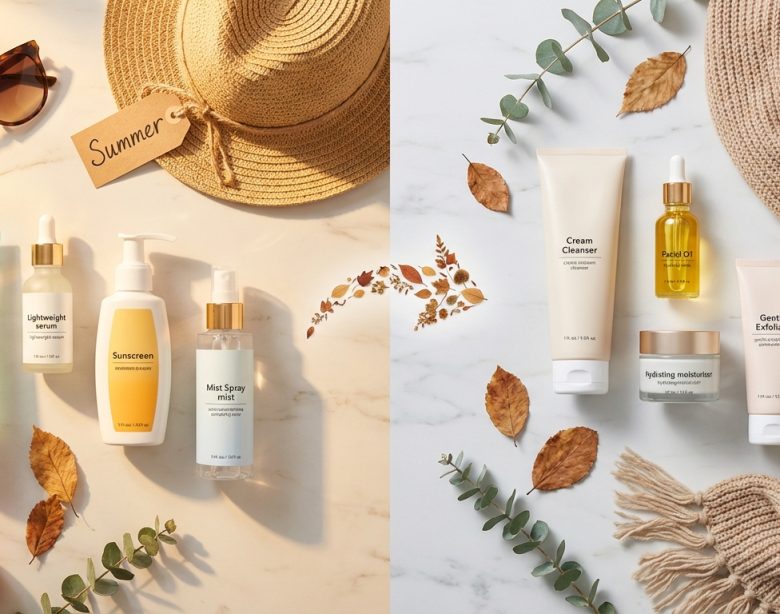
Your skin feels different lately. Maybe it’s tighter after cleansing, or that lightweight gel moisturizer isn’t cutting it anymore. The air is cooler, humidity drops, and suddenly your summer skincare lineup feels all wrong. Switching seasons means switching products, but doing it carelessly can trigger breakouts, irritation, and frustration. The good news? You can adjust your routine smoothly without your skin freaking out.
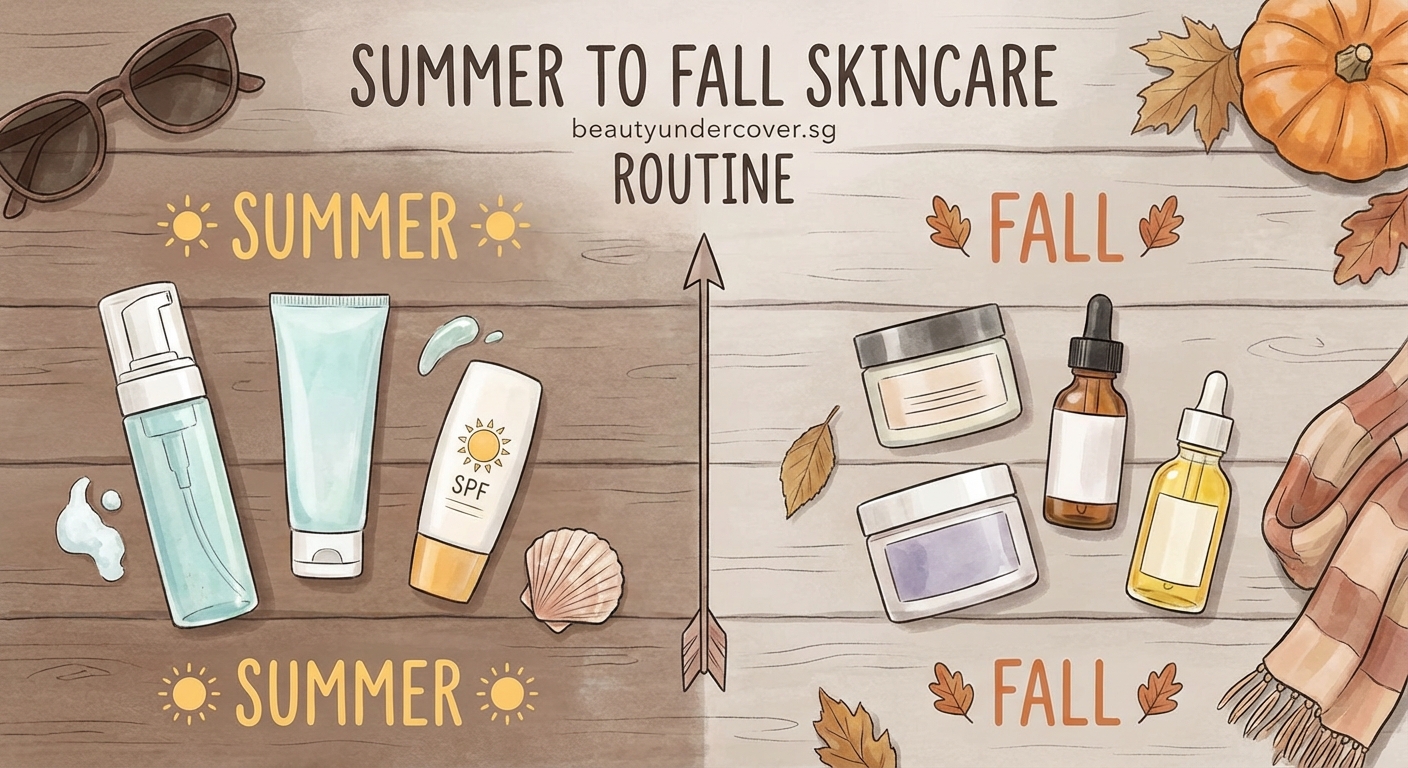
Transitioning your skincare routine from summer to fall requires gradual product swaps, richer moisturizers, gentler cleansers, and adjusted exfoliation frequency. The key is introducing one change at a time to prevent breakouts while addressing cooler weather’s impact on your skin barrier. Keep SPF year-round and monitor how your skin responds to each adjustment.
Why Your Summer Routine Stops Working in Fall
Summer skincare focuses on oil control, lightweight hydration, and sweat resistance. Your skin produces more sebum in heat and humidity.
Fall brings cooler temperatures and lower humidity levels. Indoor heating starts running. These environmental shifts strip moisture from your skin faster than summer ever did.
Your barrier function weakens when moisture evaporates too rapidly. This triggers your skin to overproduce oil as compensation, which can clog pores and cause breakouts.
That mattifying moisturizer that saved you in July? It’s now making your cheeks feel like sandpaper.
Signs Your Skin Needs a Seasonal Adjustment
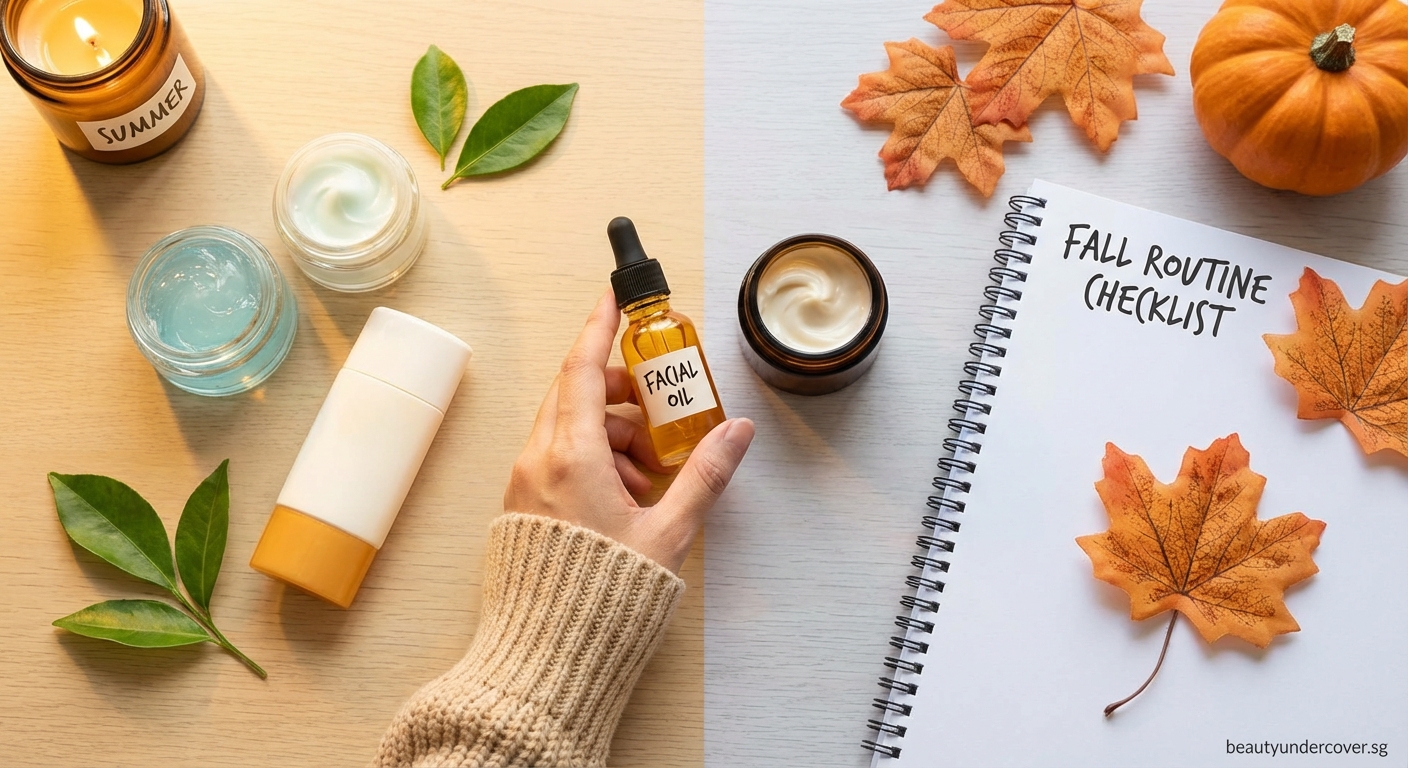
Watch for these signals that your routine needs updating:
- Tightness after cleansing that doesn’t resolve with moisturizer
- Flaky patches appearing around your nose or forehead
- Increased sensitivity to products that never bothered you before
- Makeup sitting poorly on dry areas
- More breakouts than usual, especially around your chin and jawline
- Dullness or rough texture that wasn’t there last month
These symptoms tell you your barrier is compromised and your products aren’t meeting current needs.
The Step-by-Step Transition Process
Making abrupt changes confuses your skin. Follow this methodical approach instead.
1. Start With Your Cleanser
Foaming cleansers with high sulfate content work great in summer. They strip excess oil and remove sunscreen effectively.
Fall demands gentler options. Switch to cream or milk cleansers that don’t leave your face feeling squeaky clean. That squeaky feeling means you’ve stripped too much natural oil.
Look for cleansers with glycerin, ceramides, or hyaluronic acid. These ingredients clean without compromising your barrier.
Make this swap first. Give your skin one week to adjust before changing anything else.
2. Reduce Exfoliation Frequency
Summer skin tolerates frequent exfoliation because it’s naturally more resilient with higher oil production.
Fall skin needs less mechanical and chemical exfoliation. If you’re using acids or scrubs four times weekly, cut back to twice.
Your skin cell turnover naturally slows in cooler months. Aggressive exfoliation on already dry skin creates micro-tears that invite bacteria and inflammation.
If you notice increased sensitivity, drop to once weekly and reassess.
3. Layer in a Hydrating Serum
Serums deliver concentrated active ingredients without heavy texture. Adding a hydrating serum before moisturizer makes a huge difference.
Hyaluronic acid serums attract moisture from the environment into your skin. Apply them to damp skin for maximum benefit.
What does niacinamide really do for your skin? It strengthens your barrier, regulates oil production, and reduces inflammation. Perfect for fall transitions.
Wait one week after adjusting your cleanser before introducing a new serum. This prevents confusion about what’s helping or hurting.
4. Upgrade Your Moisturizer
Gel moisturizers feel amazing in summer humidity. They absorb fast and don’t feel heavy under sunscreen and makeup.
Fall requires more emollient formulas. Look for creams with shea butter, squalane, or ceramides.
You don’t need to throw out your summer moisturizer. Use it in your morning routine and save the richer cream for nighttime. This gradual approach prevents overwhelming your skin.
After two weeks, if your skin still feels dry, switch to the heavier moisturizer twice daily.
5. Maintain Sun Protection
The biggest mistake people make? Dropping SPF when summer ends.
UV rays damage skin year-round. Clouds don’t block UVA rays. Windows don’t either.
Keep your broad-spectrum SPF 30 or higher every single day. If your summer sunscreen feels too light now, choose one with added moisturizing ingredients.
Many fall-appropriate moisturizers now include SPF, which simplifies your routine if you prefer fewer steps.
6. Add a Face Oil (If Needed)
Face oils aren’t necessary for everyone, but they help certain skin types in fall.
If you have naturally dry skin or live in a particularly harsh climate, a few drops of facial oil seal in all your other products.
Apply oil as your final step at night, after moisturizer. Rosehip, marula, and jojoba oils work well for most skin types.
Oily skin types can still benefit from lightweight oils like squalane, which mimics your skin’s natural sebum.
Common Mistakes That Trigger Fall Breakouts
Knowing what not to do matters as much as knowing what to do.
| Mistake | Why It Causes Breakouts | Better Approach |
|---|---|---|
| Switching all products at once | Overwhelms skin, makes it impossible to identify irritants | Change one product per week |
| Using summer and fall products randomly | Inconsistent barrier support confuses skin | Phase out summer products systematically |
| Skipping moisturizer because you’re breaking out | Dehydration triggers more oil production | Use a lightweight, non-comedogenic moisturizer |
| Over-exfoliating dry patches | Creates irritation and inflammation | Reduce exfoliation, focus on hydration |
| Applying thick creams to oily areas | Clogs pores in your T-zone | Use different products for different face zones |
| Stopping retinoids abruptly | Disrupts skin’s adjustment process | Continue with added moisture support |
Adjusting Active Ingredients for Fall
If you use actives like retinoids, vitamin C, or acids, fall requires special attention.
Retinoids already cause dryness and sensitivity. Cooler weather amplifies these effects. Don’t stop using retinoids, but add more hydrating layers around them.
Apply retinoid to completely dry skin, wait 20 minutes, then follow with a rich moisturizer. Some people add a thin layer of moisturizer before retinoid to buffer irritation.
Vitamin C serums work beautifully in fall. They protect against environmental damage and brighten summer sun damage. Just ensure your formula is stable and stored properly.
AHAs and BHAs need frequency adjustments. If you’re using them daily in summer, drop to every other day or twice weekly in fall.
“The key to successful seasonal transitions is listening to your skin, not the calendar. Some years you’ll need to switch earlier, other years later. Your skin’s feedback matters more than the date.” – Dr. Rachel Ho, Dermatologist
Product Texture Guide for Fall
Understanding textures helps you make smarter swaps.
Cleansers:
– Summer: Gel, foam, clarifying
– Fall: Cream, milk, oil-based
Toners:
– Summer: Astringent, alcohol-based, mattifying
– Fall: Hydrating, essence-type, alcohol-free
Serums:
– Summer: Lightweight, water-based, mattifying
– Fall: Slightly viscous, with humectants, barrier-supporting
Moisturizers:
– Summer: Gel, gel-cream, oil-free
– Fall: Cream, lotion, emollient-rich
SPF:
– Summer: Lightweight, matte finish, water-resistant
– Fall: Moisturizing, can have dewy finish, nourishing
Zone-Specific Application Strategies
Your entire face doesn’t need the same treatment.
Your T-zone (forehead, nose, chin) typically stays oilier than your cheeks. Apply lighter products there even in fall.
Your cheeks and around your eyes dry out fastest. Layer extra hydration in these areas.
This targeted approach prevents breakouts in oily zones while adequately moisturizing dry zones.
Some people apply gel moisturizer to their T-zone and cream moisturizer to their cheeks. Perfectly fine.
Timeline for a Smooth Transition
Here’s a practical six-week schedule:
Week 1: Switch to a gentler cleanser. Keep everything else the same.
Week 2: Reduce exfoliation frequency. Still using summer moisturizer.
Week 3: Add a hydrating serum to your routine.
Week 4: Start using a richer moisturizer at night only.
Week 5: Switch to richer moisturizer morning and night if needed.
Week 6: Add face oil or additional treatments based on remaining concerns.
This gradual approach lets you identify what works and what doesn’t. If you break out during any week, you know exactly which change caused it.
When to Seek Professional Help
Sometimes DIY transitions aren’t enough.
Persistent breakouts that don’t respond to routine adjustments need professional evaluation. You might need prescription treatments.
Severe dryness, cracking, or eczema-like symptoms require dermatologist attention.
If you’re unsure whether a product is causing problems or helping, a professional can assess your barrier function and recommend specific ingredients.
Don’t wait months hoping things improve. Early intervention prevents long-term damage.
Building Habits That Support Healthy Skin
Product changes matter, but lifestyle factors affect your skin too.
Drink more water as the air gets drier. Your skin’s hydration starts from within.
Run a humidifier in your bedroom at night. This prevents moisture loss while you sleep.
Avoid scalding hot showers. They feel amazing when it’s cold outside, but they strip your skin’s natural oils. Stick to lukewarm water.
Pat your skin dry instead of rubbing. Apply products while your skin is still slightly damp to lock in moisture.
If you’re building a routine from scratch, learning how to build a simple 3-step skincare routine for absolute beginners provides a solid foundation before seasonal adjustments.
Ingredient Spotlight for Fall Skin
Certain ingredients shine in fall formulations.
Ceramides repair and strengthen your skin barrier. They’re naturally occurring lipids that decrease with age and environmental stress.
Hyaluronic acid holds up to 1,000 times its weight in water. It’s a humectant that draws moisture into your skin.
Niacinamide regulates oil production, strengthens barriers, and reduces inflammation. It works for almost every skin type.
Squalane mimics your skin’s natural sebum. It’s lightweight but deeply moisturizing.
Glycerin is an underrated humectant that appears in many products. It’s gentle and effective for all skin types.
Look for these ingredients when shopping for fall products.
Makeup Adjustments That Prevent Breakouts
Your base makeup needs updating too.
Heavy, matte foundations that controlled shine in summer can emphasize dry patches in fall.
Switch to hydrating or luminous finish foundations. They contain moisturizing ingredients that support your skin throughout the day.
Use a hydrating primer before foundation. This creates a smooth canvas and prevents makeup from clinging to dry spots.
Setting sprays with glycerin or hyaluronic acid add moisture instead of just locking in makeup.
If you wear makeup daily, making these adjustments prevents your skincare progress from being undermined.
For a fresh-faced approach that’s gentler on transitioning skin, consider how to create a flawless no-makeup makeup look in 5 easy steps.
Tracking What Works for You
Keep notes on your phone about product changes and skin reactions.
Note the date you switched each product. Record how your skin felt after one week, two weeks, and one month.
Take photos in consistent lighting every week. Your eyes might not notice gradual improvements, but photos don’t lie.
This documentation helps you refine your routine year after year. You’ll remember exactly what worked last fall and can replicate success.
Budget-Friendly Transition Tips
Seasonal transitions don’t require buying entirely new routines.
Start with the most important swaps: cleanser and moisturizer. These make the biggest impact.
Many affordable drugstore brands offer excellent fall-appropriate products. Price doesn’t always correlate with effectiveness.
Use up your summer products on your body. That lightweight moisturizer works great on arms and legs.
Sample sizes let you test products before committing to full sizes. Many brands offer discovery sets perfect for seasonal transitions.
For strategies on getting premium results without premium prices, check out how to build a luxury skincare routine without breaking the bank.
Your Skin Deserves This Attention
Seasonal skincare transitions feel like extra work, but they’re actually skin maintenance. You wouldn’t wear a winter coat in July or shorts in January. Your skin needs the same seasonal consideration.
Start with one small change this week. Swap your cleanser or add a hydrating serum. Notice how your skin responds. Build from there.
Your skin will thank you with fewer breakouts, better texture, and that healthy glow that doesn’t depend on highlighter. The effort you put in now prevents the frustration of dealing with barrier damage later.
Take it slow, pay attention, and trust the process. Your fall skin can look just as good as your summer skin with the right adjustments.