Walking into a beauty outlet for the first time feels like stumbling into a secret club. Rows of high-end foundations, prestige serums, and cult-favorite palettes sit at prices that make you double-check the tags. But not every beauty outlet trip delivers the savings you expect. Some shoppers walk out with expired products, wrong shades, or items they could have found cheaper elsewhere. The difference between a great haul and a disappointing one comes down to knowing what you’re walking into.
Beauty outlet shopping can save you 30-70% on luxury cosmetics, but success requires strategy. Check expiration dates carefully, know which products outlets stock regularly, visit on weekdays for better selection, and understand that shade ranges are often limited. Bring your current products for color matching, inspect packaging for damage, and never assume outlet prices beat online sales without comparing first.
What beauty outlets actually sell
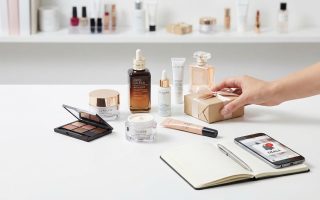
Beauty outlets are not just clearance bins for expired lipsticks. Most carry a mix of discontinued shades, previous season packaging, overstock from department stores, and products that didn’t sell well in traditional retail. You’ll also find testers that were used in stores, slightly damaged packaging, and items from brands that have been reformulated or rebranded.
The best finds are usually products with nothing wrong except the timing. A foundation shade that didn’t sell well in one region might be perfect for your skin tone. A palette from last spring still has the same quality formula, just different outer packaging.
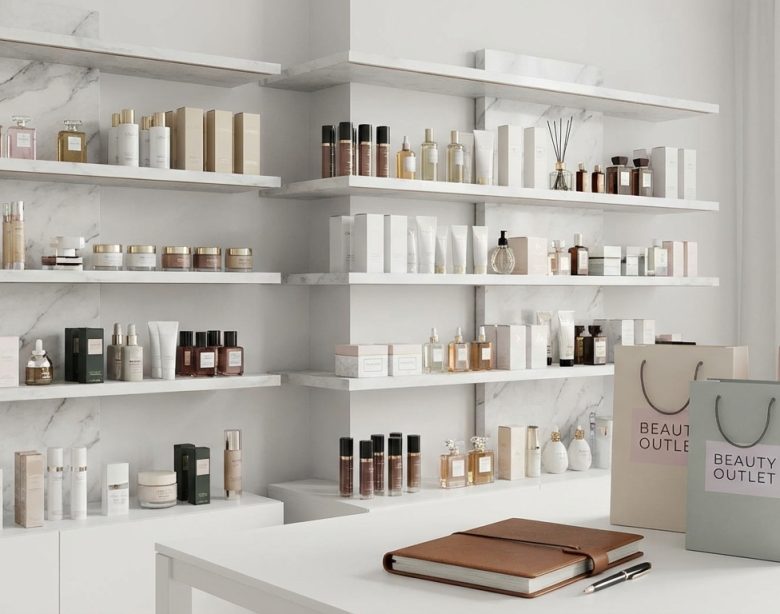
Some outlets focus exclusively on one parent company’s brands. The Cosmetics Company Store, for example, carries Estée Lauder family brands like MAC, Clinique, Bobbi Brown, and Tom Ford Beauty. Others mix multiple brands but have less consistent stock.
Here’s what you’ll typically find at different outlet types:
- Brand-specific outlets: Deep discounts on one family of brands, better shade selection, knowledgeable staff
- Multi-brand outlets: Wider variety but unpredictable stock, mixed quality control
- Department store outlet sections: Higher-end products, often better condition, smaller discounts
- Online outlet stores: Convenience and comparison shopping, but you can’t inspect products before buying
The inventory changes constantly. What you see one week might be completely gone the next. This unpredictability is both the thrill and the frustration of outlet shopping.
When to visit for the best selection
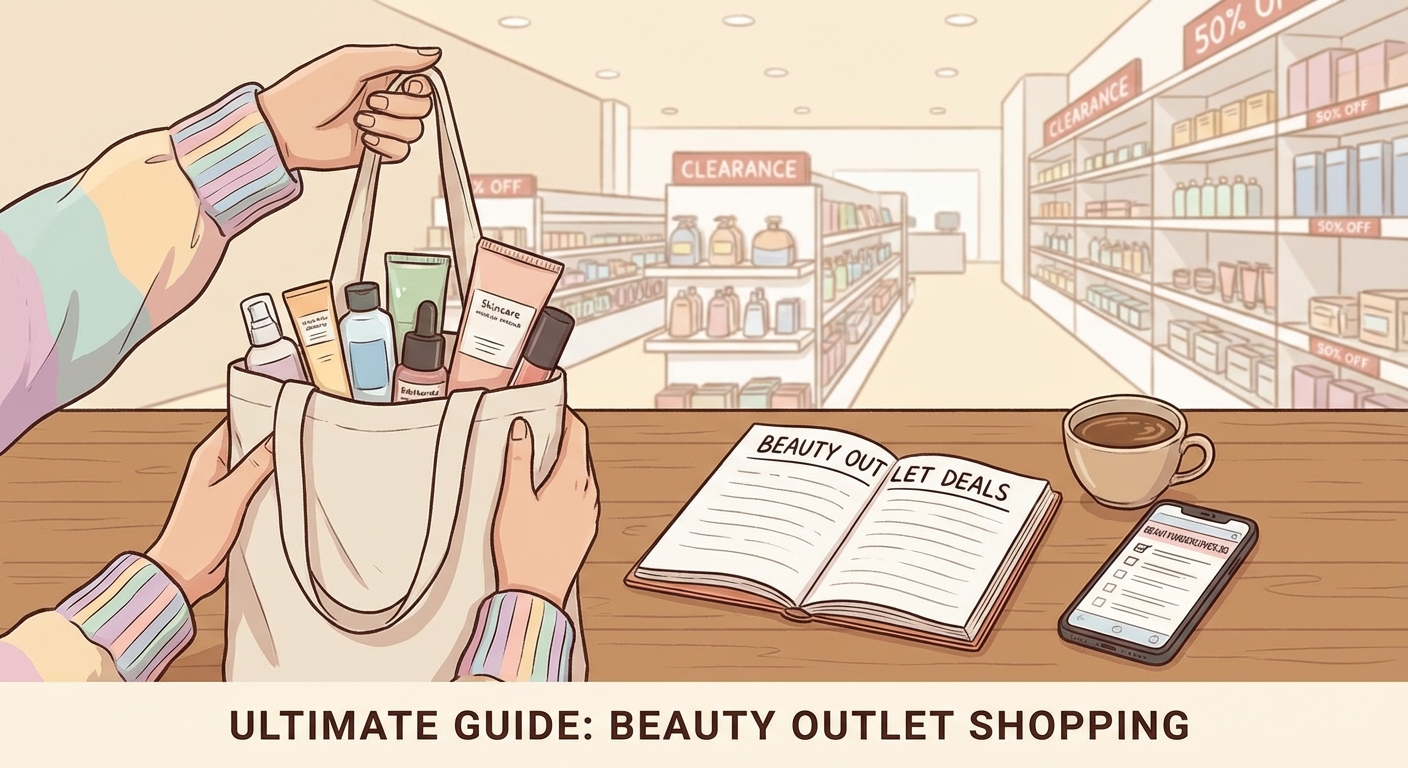
Timing matters more at beauty outlets than regular stores. Most outlets restock midweek, usually Tuesday through Thursday. Weekend shoppers face picked-over shelves and longer lines.
Seasonal shifts bring the biggest inventory changes. January and July see major restocks as brands clear out holiday sets and summer launches. Right after major shopping holidays, outlets receive returns and overstock from department stores.
Early morning visits on weekdays give you first access to overnight restocks. Staff members are usually less rushed and more willing to check the back room or answer detailed questions about when specific products might arrive.
End-of-month visits can yield extra discounts. Some outlets mark down products that have been sitting for 30-60 days to make room for new inventory. Ask staff if they have a markdown schedule.
Avoid these times if you want a good experience:
- Weekends between 11am and 3pm (peak crowds, depleted stock)
- The week before major holidays (everyone has the same idea)
- First week of the month (lowest inventory before restocks)
- During lunch hours on weekdays (local workers crowd the store)
How to inspect products before buying
Not every outlet product is a good deal. Some have been sitting in warehouses for months or were damaged during shipping. A careful inspection saves you from bringing home products you can’t use.
Start with the packaging. Check for dents, cracks, or signs that the product has been opened and resealed. Makeup palettes should close flush. Pump bottles should pump smoothly without sticking. Twist-up lipsticks should twist without resistance.
Expiration dates hide in different spots depending on the brand. Look for a small symbol showing an open jar with a number (like 12M or 24M), indicating how many months the product lasts after opening. Also check for a batch code, usually stamped on the bottom or back. You can look up these codes online to find the manufacturing date.
“I never buy mascara or liquid eyeliner from outlets unless the manufacturing date is within six months. These products have the shortest shelf life and can harbor bacteria faster than powder products.” – Beauty retail consultant with 12 years of experience
Test if the store allows it. Many outlets have testers or will open a product if you ask nicely. For foundations and concealers, swatch on your jawline in natural light near a window or outside the store.
Smell everything before buying. Rancid oils in makeup smell like crayons or old paint. Skincare with vitamin C or retinol should not smell metallic or unusually strong. If a product smells off, it probably is.
Compare this checklist for different product types:
| Product Type | What to Check | Red Flags |
|---|---|---|
| Foundation/Concealer | Separation, consistency, smell | Oil floating on top, grainy texture, chemical smell |
| Powder Products | Surface texture, pan condition | Deep dents suggesting contamination, crumbling, discoloration |
| Lipstick/Gloss | Texture, smell, bullet condition | Beading, white film, rancid smell, melted appearance |
| Skincare | Seal integrity, consistency, color | Broken seal, separated layers, color change from oxidation |
| Fragrance | Spray mechanism, color, scent | Discolored liquid, weak projection, alcohol-heavy smell with no depth |
Smart strategies for maximizing savings
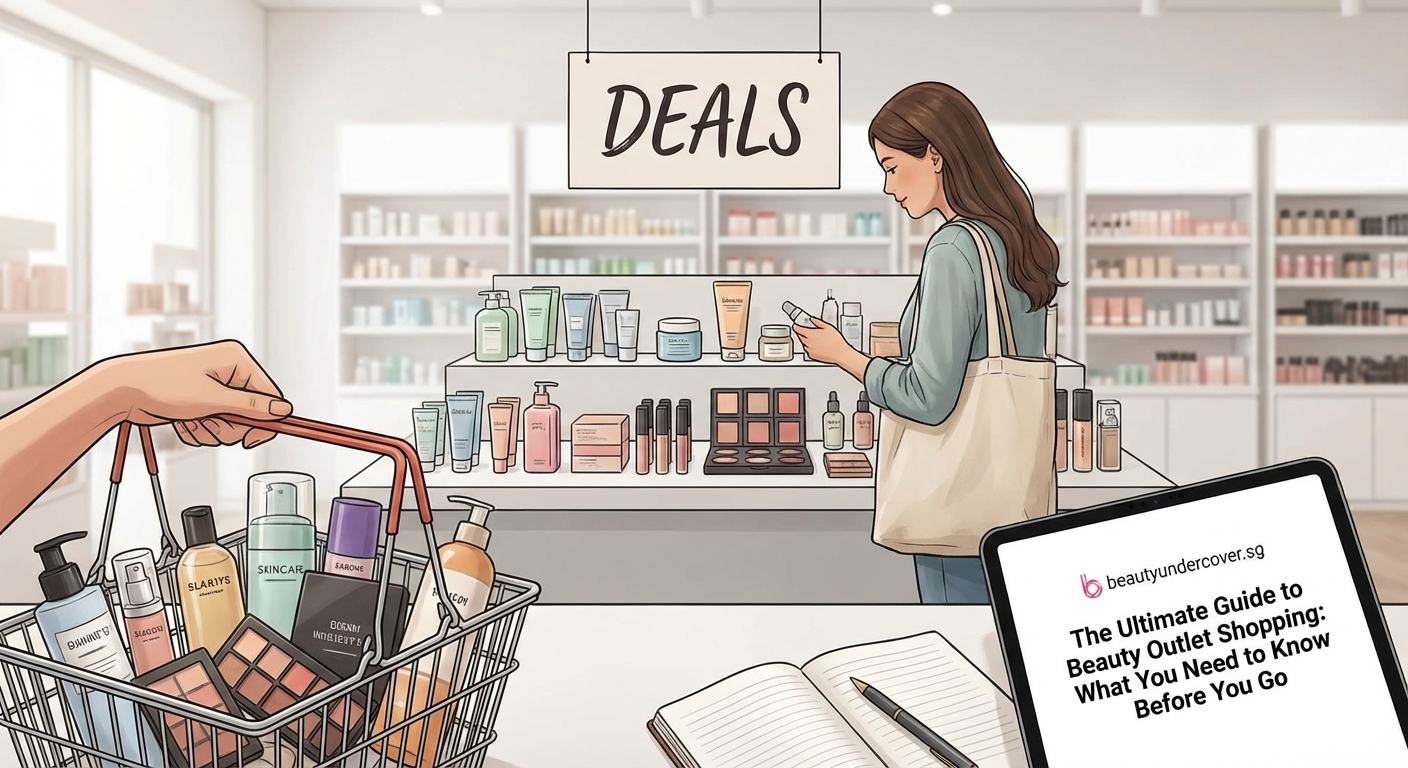
Just because something is at an outlet doesn’t mean it’s cheaper than other options. Before you buy, check current online prices. Many times, a brand’s website sale or a retailer like Sephora during a promotion beats outlet pricing.
Stack your savings when possible. Some outlets accept manufacturer coupons or have their own loyalty programs. Sign up for email lists to get additional discount codes for outlet-exclusive sales.
Buy multiples of products you know you love. If you find your holy grail mascara for half price and it’s fresh stock, grab two or three. Outlet inventory rarely repeats.
Focus on these categories for the best value:
- Eyeshadow palettes: Powder formulas have long shelf lives and colors rarely go truly “out of style”
- Brushes and tools: These don’t expire and outlet prices can be 50-70% off retail
- Fragrance: Perfumes last years if stored properly, making them safe outlet purchases
- Luxury skincare in sealed packaging: High-end serums and creams at outlet prices offer real savings
Skip these unless you’re certain about freshness:
- Mascara and liquid eyeliner (short shelf life)
- Sunscreen (effectiveness decreases over time)
- Products with active ingredients like retinol or vitamin C (degrade quickly)
- Anything in a jar that might have been contaminated by testers
Building a luxury skincare routine without breaking the bank becomes easier when you know which outlet products maintain their effectiveness.
Common mistakes that waste money
The biggest mistake is buying the wrong shade because you didn’t test it properly. Outlet lighting is notoriously bad. Always check foundation and concealer colors in natural daylight before committing.
Impulse buying at outlets costs you more than overpaying at regular stores. That eyeshadow palette in colors you’ll never wear is not a deal, even at 60% off. Stick to your actual needs and products you know work for your skin type and coloring.
Assuming all outlet products are authentic is dangerous. While rare, some outlets (especially online ones) have been caught selling counterfeit products mixed with real stock. Buy only from outlets directly operated by brands or authorized retailers.
Ignoring return policies leads to stuck-with-it situations. Many beauty outlets have strict no-return policies on opened products. Some don’t accept returns at all. Read the policy before you pay.
Not comparing prices across outlets in the same shopping center wastes potential savings. If you’re at a large outlet mall, check multiple beauty outlets. The same MAC lipstick might be $12 at one store and $16 at another.
Building your outlet shopping routine
Create a list before you go. Check what you’re running low on and what shades you need. Take photos of your current products or bring them along for exact color matching.
Set a budget and stick to it. Outlets make it easy to overspend because everything feels like a deal. Decide your maximum spend before you walk in.
Join loyalty programs for outlets you visit regularly. Points add up faster than you think, especially if you’re strategic about when you shop during bonus point events.
Follow your favorite outlets on social media. Many announce restocks, special sale days, or new brand arrivals through Instagram stories or Facebook posts. This insider information helps you time your visits perfectly.
Bring a friend who will be honest. Someone who’ll tell you that coral lipstick actually washes you out, even though it’s only $8. Outlet shopping with a trusted second opinion prevents buyer’s remorse.
When creating a flawless no-makeup makeup look, outlet-purchased neutral palettes and natural-finish foundations work just as well as full-price versions.
Understanding outlet pricing psychology
Outlets display “compare at” prices that aren’t always accurate. That tag saying “compare at $45” might reference a price from three years ago or a price only charged at airport duty-free shops. Do your own research.
Percentage-off signs can be misleading. “Up to 70% off” means most items are discounted far less. The 70% items are usually the least desirable products or those nearing expiration.
Outlet-exclusive products exist. Some brands manufacture lower-quality versions specifically for outlets, using similar but not identical formulas to their department store products. These items often have slightly different product names or packaging markers. Ask staff directly if a product is outlet-exclusive or overstock from regular retail.
Sales on top of outlet prices happen but require patience. If you can wait, outlets often have additional 20-30% off sales quarterly. Sign up for text alerts to catch these.
What to do with your outlet finds
Once you get home, immediately check everything again. Test products within the return window if the outlet allows returns. Mark down when you opened each item so you can track how long you’ve been using it.
Store outlet purchases properly to extend their life. Keep them in a cool, dark place. Bathroom humidity shortens the life of makeup and skincare. A bedroom drawer or closet shelf works better.
Share your finds with friends who have similar coloring or skin types. That foundation shade that’s slightly too dark for you might be perfect for someone else. Trading or gifting outlet products you can’t use prevents waste.
Document what works. Keep notes on your phone about which outlet products performed well and which didn’t. This helps you make smarter choices on future trips. If that $15 luxury serum worked as well as the $80 retail version, you’ll want to grab it again if you see it.
Consider how outlet products fit into your overall routine. Sometimes mixing one or two high-end items purchased at outlets with drugstore foundations under $15 creates a balanced, budget-friendly collection.
Making outlet shopping work for your lifestyle
If you live near an outlet mall, monthly visits make sense. You’ll learn the restock patterns and build relationships with staff who can text you when products you want arrive.
For those without nearby outlets, plan trips around other errands or travel. Many outlet malls sit near highways between cities. A 30-minute detour on a road trip can yield months of beauty products.
Online outlet shopping works when you know exactly what you want. Brand websites often have outlet sections with detailed product descriptions and reviews. The tradeoff is paying shipping and not being able to inspect products in person.
Subscribe-and-save options at some online outlets offer additional discounts. If you’ve found a product you love and confirmed it’s not outlet-exclusive quality, automatic deliveries can save another 10-15%.
Balance outlet shopping with regular retail when needed. Some products are worth paying full price for, especially if you need a specific shade immediately or want the latest formula. Outlets complement regular shopping but shouldn’t completely replace it.
Your outlet shopping success plan
Beauty outlet shopping stops being overwhelming once you understand the system. You’re not just hunting for deals anymore. You’re strategically building a collection of products you actually need at prices that make sense.
Start small on your first visit. Pick up one or two products you’ve researched and know you want. Test them at home. See if the quality matches your expectations. Then expand your outlet shopping as you get comfortable with what to look for and which outlets near you stock the best products. Your makeup bag will thank you, and so will your bank account.