TikTok has become the go-to source for skincare inspiration, but let’s be real: not every viral trend deserves a spot in your routine. Some hacks are genuinely brilliant, backed by science and approved by the experts who actually went to medical school. Others? They’re a one-way ticket to irritation, breakouts, or worse. The good news is that dermatologists are finally speaking up about which trends actually work, and we’re here to share the ones that passed their test.
TikTok skincare trends dermatologists approve include slugging with petroleum jelly, skin cycling routines, SPF reapplication methods, double cleansing techniques, and barrier repair focus. These viral methods are backed by science, safe for most skin types, and deliver real results without the risk of damage. Always patch test new products and consult a professional if you have specific skin concerns before trying any trend.
Slugging for overnight hydration
Slugging sounds strange, but dermatologists love this one. The trend involves applying a thin layer of petroleum jelly or a similar occlusive as the final step in your nighttime routine. The concept is simple: seal in all the good stuff you just applied.
This method works because occlusives create a physical barrier that prevents water loss from your skin. Your skin loses moisture throughout the night, and slugging keeps that hydration locked in where it belongs.
Who should try it:
- People with dry, dehydrated skin
- Anyone dealing with winter dryness or air conditioning damage
- Those with compromised skin barriers from over-exfoliation
- People using prescription retinoids who need extra moisture support
Who should skip it:
- Anyone prone to acne or clogged pores
- People with very oily skin
- Those dealing with active breakouts or fungal acne
The trick is using the right product. Pure petroleum jelly works beautifully for most people. Some brands now make lighter occlusives specifically designed for slugging that feel less heavy on the skin.
Apply it after all your other skincare products have absorbed. You only need a thin layer, not a thick mask. Think of it as sealing an envelope, not frosting a cake.
Skin cycling creates structure without overwhelm
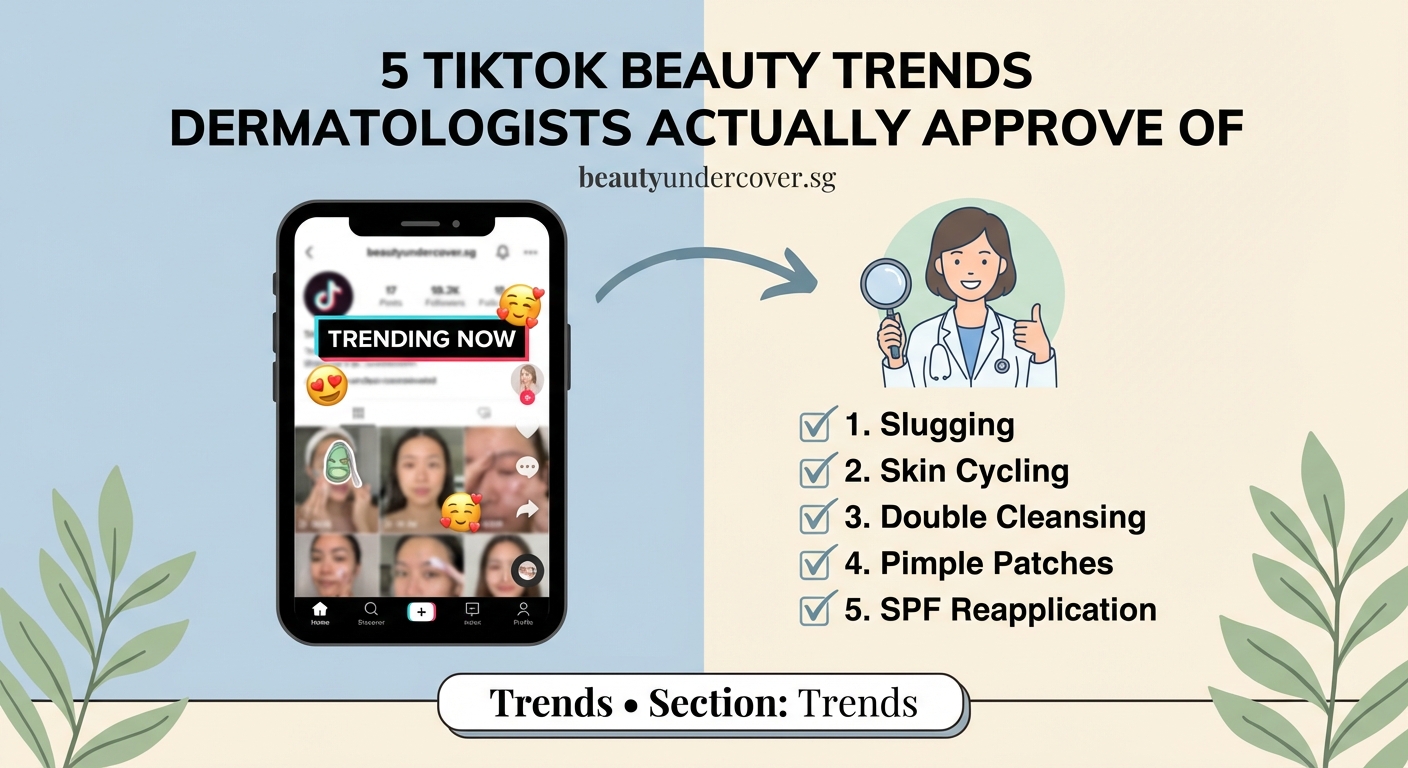
Skin cycling took off because it solves a real problem: figuring out when to use active ingredients without irritating your skin. The method involves rotating different types of products throughout the week instead of throwing everything at your face every night.
Here’s the basic framework dermatologists recommend:
| Night | Focus | Products to Use |
|---|---|---|
| Night 1 | Exfoliation | Chemical exfoliant (AHA or BHA) |
| Night 2 | Retinoid | Retinol or prescription tretinoin |
| Night 3 | Recovery | Hydrating and soothing products only |
| Night 4 | Recovery | Hydrating and soothing products only |
This rotation gives your skin time to recover between active treatments. You get the benefits of powerful ingredients without the irritation that comes from using them all at once.
The recovery nights are just as important as the treatment nights. During these 48 hours, focus on building a simple routine with gentle cleansers, hydrating serums, and moisturizers.
Your morning routine stays consistent every day. Cleanse, apply antioxidants like vitamin C, moisturize, and always finish with SPF.
“Skin cycling isn’t about restricting your routine. It’s about giving your skin the recovery time it needs to actually benefit from active ingredients. When you use retinoids and acids every single night, you’re just irritating your barrier without getting better results.” – Board-certified dermatologist
You can adjust the cycle based on your skin’s tolerance. Beginners might need three recovery nights instead of two. People with resilient skin might handle more frequent active nights. Pay attention to how your skin responds and modify accordingly.
SPF reapplication hacks that actually work
Sunscreen reapplication has always been the hardest part of sun protection. TikTok finally made it easier with methods that work over makeup and throughout the day.
The viral SPF powder brush trend gets dermatologist approval because it solves a real barrier to reapplication. These brushes contain mineral SPF in the bristles, making it easy to reapply without disturbing your makeup or feeling greasy.
Effective reapplication methods:
- SPF powder brushes for touch-ups over makeup
- SPF setting sprays as a midday refresh
- Stick sunscreens for targeted reapplication on nose and cheeks
- Cushion compacts with SPF for combination protection and coverage
The key is understanding that these methods work best as supplements to your morning sunscreen, not replacements. Apply a proper amount of traditional sunscreen in the morning, then use these tools for reapplication every two hours.
For days when you’re mostly indoors, reapplication matters less. But if you’re outside, near windows, or driving, these methods make protection realistic instead of theoretical.
Some people worry that powder sunscreens don’t provide enough coverage. Dermatologists confirm they work when applied correctly. You need about six swirls of the brush across your entire face to get adequate protection.
Double cleansing done right
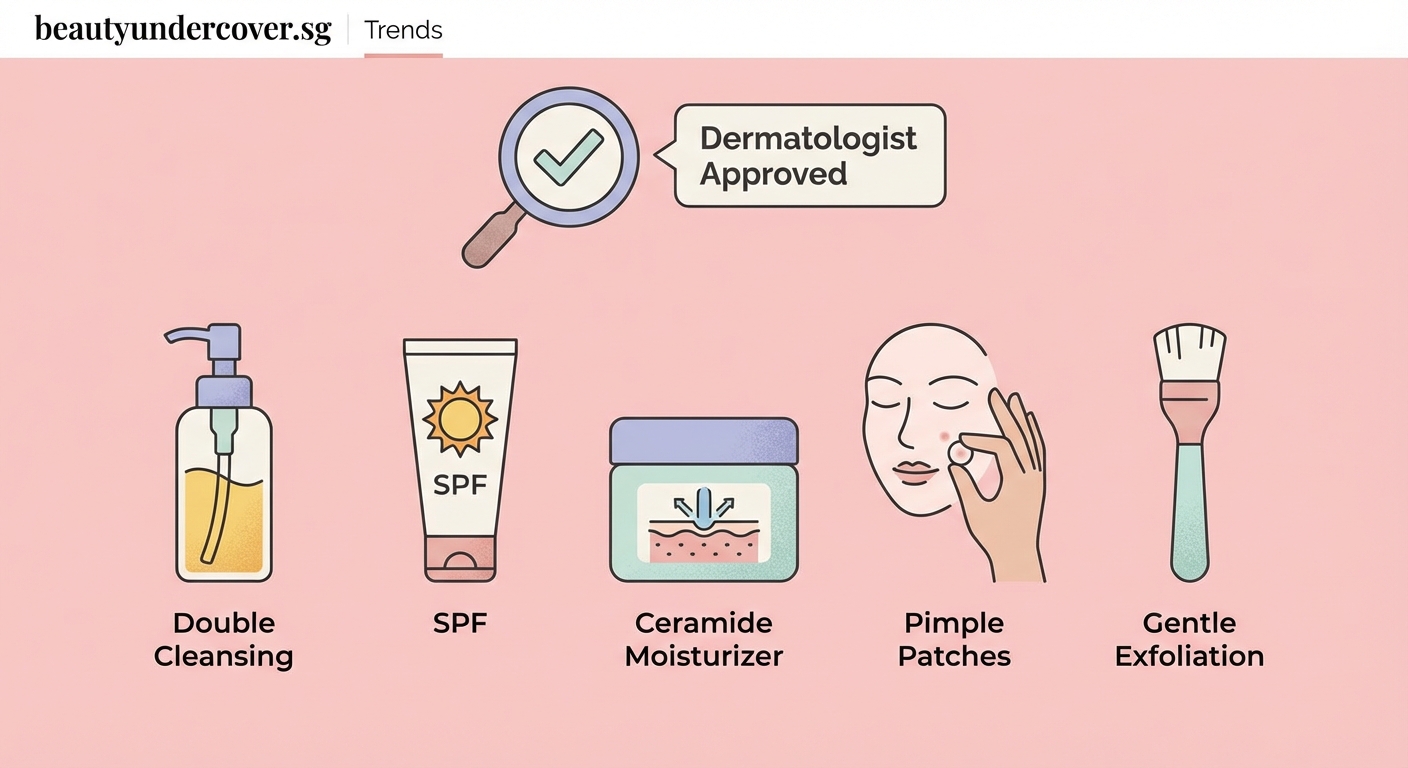
The Korean beauty import of double cleansing finally got its moment on TikTok, and dermatologists are here for it. This method thoroughly removes sunscreen, makeup, and oil without stripping your skin.
The first cleanse uses an oil-based cleanser or cleansing balm. Oil dissolves oil, which means it breaks down sunscreen, sebum, and makeup better than anything else. The second cleanse uses a water-based cleanser to remove any remaining residue and clean your skin.
Step-by-step process:
- Apply oil cleanser to dry skin
- Massage for 60 seconds to break down makeup and SPF
- Add a small amount of water to emulsify the oil
- Rinse thoroughly with lukewarm water
- Follow with water-based cleanser
- Massage for 30 seconds
- Rinse and pat dry
This method works for all skin types when you choose the right products. Oily skin does well with lightweight cleansing oils. Dry skin benefits from richer cleansing balms. Sensitive skin needs fragrance-free formulas with minimal ingredients.
You don’t need to double cleanse in the morning. Your skin isn’t dirty when you wake up. A single gentle cleanse or even just water is enough for most people before applying morning skincare.
The biggest mistake people make is using harsh second cleansers. Your oil cleanser already did the heavy lifting. The water-based cleanser just needs to refresh your skin, not strip it bare.
Barrier repair focus over active ingredient obsession
TikTok’s shift toward barrier repair represents a major mindset change that dermatologists fully support. Instead of constantly adding more actives, this trend focuses on strengthening your skin’s natural protective barrier.
Your skin barrier is made of lipids and proteins that keep moisture in and irritants out. When it’s damaged, you experience dryness, sensitivity, redness, and increased breakouts. Most people damage their barriers by over-exfoliating or using too many active ingredients at once.
Barrier repair ingredients that dermatologists recommend:
- Ceramides that rebuild the lipid layer
- Niacinamide that strengthens and soothes
- Centella asiatica that calms inflammation
- Hyaluronic acid that binds moisture
- Squalane that mimics skin’s natural oils
The barrier-first approach means taking breaks from actives when your skin shows signs of damage. Tightness, stinging when applying products, increased sensitivity, and persistent redness all signal barrier problems.
A barrier repair routine looks different from a typical routine. You temporarily remove acids, retinoids, and vitamin C. Focus entirely on gentle cleansing, hydrating layers, and occlusive moisturizers for two to four weeks.
Once your barrier recovers, you can slowly reintroduce actives. But this time, you’ll know the warning signs and can adjust before causing damage again.
This trend pairs perfectly with skin cycling. The built-in recovery nights give your barrier regular breaks from active ingredients, preventing damage before it starts.
Choosing trends that match your skin goals
Not every dermatologist-approved trend belongs in your routine. The best approach is selecting methods that address your specific concerns and fit your lifestyle.
If dryness is your main issue, slugging and barrier repair should be your focus. People dealing with signs of aging benefit most from skin cycling that incorporates retinoids safely. Those struggling with sun damage need to prioritize the SPF reapplication methods.
Think about your current routine before adding new trends. If you’re already using multiple actives without a structured approach, skin cycling provides the framework you need. If you cleanse once and still see makeup residue, double cleansing solves that problem.
The beauty of these approved trends is that they work together. You can double cleanse at night, follow a skin cycling schedule, slug on recovery nights, and reapply SPF during the day. They complement each other instead of competing for space in your routine.
Start with one trend at a time. Master it, see how your skin responds, then add another if needed. Changing everything at once makes it impossible to know what’s actually helping.
Remember that even approved trends need customization. A basic skin cycling schedule might need adjustment based on your skin’s tolerance. Slugging might work better with a lighter occlusive if petroleum jelly feels too heavy.
Pay attention to your skin’s feedback. Increased sensitivity, persistent redness, or new breakouts mean something isn’t working for you, even if dermatologists generally approve it. Your skin’s individual response matters more than any trend’s popularity.
Making viral skincare work for real life
These five TikTok trends earned dermatologist approval because they’re based on solid skincare science, not just aesthetic appeal. They address real skin concerns with methods that have been used in dermatology for years, just repackaged in more accessible ways.
The best part? None of these trends require expensive products or complicated techniques. You can start with affordable options and see real results. Focus on consistency over perfection, and give each method at least four weeks before deciding if it works for your skin. Your routine should make you feel confident, not stressed about keeping up with every new viral hack.