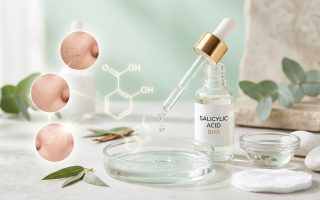
Dark spots don’t fade overnight, but tranexamic acid might be the most underrated ingredient in your skincare arsenal. While vitamin C and hydroquinone get all the attention, dermatologists have been quietly recommending this powerful brightening agent to patients struggling with stubborn hyperpigmentation. Originally used in medicine to reduce bleeding, tranexamic acid has proven itself as a gentle yet effective solution for melasma, post-inflammatory hyperpigmentation, and uneven skin tone.
Tranexamic acid for hyperpigmentation works by blocking melanin production pathways and reducing inflammation. This synthetic amino acid derivative treats melasma, dark spots, and uneven tone with minimal irritation. Studies show visible results in 8 to 12 weeks when used consistently. It pairs well with niacinamide and sunscreen, making it ideal for sensitive skin that can’t tolerate stronger brightening agents like hydroquinone or high-strength vitamin C.
What Makes Tranexamic Acid Different from Other Brightening Ingredients
Tranexamic acid stands apart because it targets hyperpigmentation through multiple mechanisms. Most brightening ingredients work on a single pathway. Vitamin C inhibits tyrosinase, the enzyme that produces melanin. Hydroquinone blocks melanin synthesis directly. Tranexamic acid does both while also reducing inflammation and preventing new pigmentation from forming.
The ingredient blocks plasmin, a protein that triggers melanin production when your skin experiences inflammation. This makes it particularly effective for melasma and post-inflammatory hyperpigmentation, conditions where inflammation drives the darkening process.
Unlike hydroquinone, tranexamic acid doesn’t carry risks of ochronosis or rebound hyperpigmentation. Unlike vitamin C, it remains stable in formulations and doesn’t oxidize easily. Unlike retinoids, it doesn’t cause purging or increased sun sensitivity.
Clinical studies back up these benefits. A 2016 study in the Journal of Clinical and Aesthetic Dermatology found that 5% tranexamic acid reduced melasma severity by 43% after 12 weeks. Participants reported minimal irritation compared to hydroquinone treatment groups.
How Tranexamic Acid Works on Different Types of Hyperpigmentation
Not all dark spots respond the same way to treatment. Understanding your specific type of hyperpigmentation helps set realistic expectations.
Melasma responds exceptionally well to tranexamic acid. This hormonal pigmentation appears as symmetrical patches on the cheeks, forehead, and upper lip. Because melasma involves both melanin overproduction and vascular changes, tranexamic acid’s anti-inflammatory properties make it particularly effective. Studies show it works better than kojic acid for melasma treatment.
Post-inflammatory hyperpigmentation from acne, eczema, or injury also improves with consistent use. The ingredient prevents the inflammatory cascade that deepens pigmentation after skin trauma. If you’re prone to dark marks after breakouts, tranexamic acid can fade existing spots while preventing new ones.
Sun spots and age spots see gradual improvement, though they may require longer treatment periods. These spots result from cumulative sun damage rather than active inflammation, so results appear more slowly than with melasma or post-inflammatory hyperpigmentation.
Freckles typically don’t respond well because they’re genetic rather than acquired. Tranexamic acid can lighten them slightly, but they’ll return with sun exposure.
Board-certified dermatologist Dr. Jenny Liu notes that tranexamic acid works best for pigmentation driven by inflammation and hormones. For purely sun-related spots, combining it with vitamin C and diligent sun protection yields better results than using it alone.
The Right Way to Add Tranexamic Acid to Your Routine
Starting with tranexamic acid requires strategy, not guesswork. Follow these steps to maximize benefits while minimizing irritation:
-
Start with a low concentration. Look for products with 2% to 5% tranexamic acid. Higher percentages don’t necessarily work faster and may cause sensitivity in some skin types.
-
Introduce it slowly. Use it every other evening for the first two weeks. Your skin needs time to adjust to any new active ingredient, even gentle ones.
-
Apply it after cleansing and toning. Tranexamic acid works best on clean skin. If you use a toner, wait until it fully absorbs before applying your tranexamic acid serum.
-
Layer it correctly with other actives. Apply tranexamic acid before heavier creams but after lighter serums. If you use multiple actives, apply them from thinnest to thickest consistency.
-
Follow with moisturizer. Even though tranexamic acid is gentle, sealing it with moisturizer prevents any potential dryness and helps with absorption.
-
Never skip sunscreen in the morning. Tranexamic acid doesn’t increase sun sensitivity like retinoids, but treating hyperpigmentation without daily SPF 30 or higher is pointless. Sun exposure will undo all your progress.
If you’re building a routine from scratch, learn how to build a simple 3-step skincare routine for absolute beginners before adding targeted treatments.
Ingredients That Pair Perfectly with Tranexamic Acid
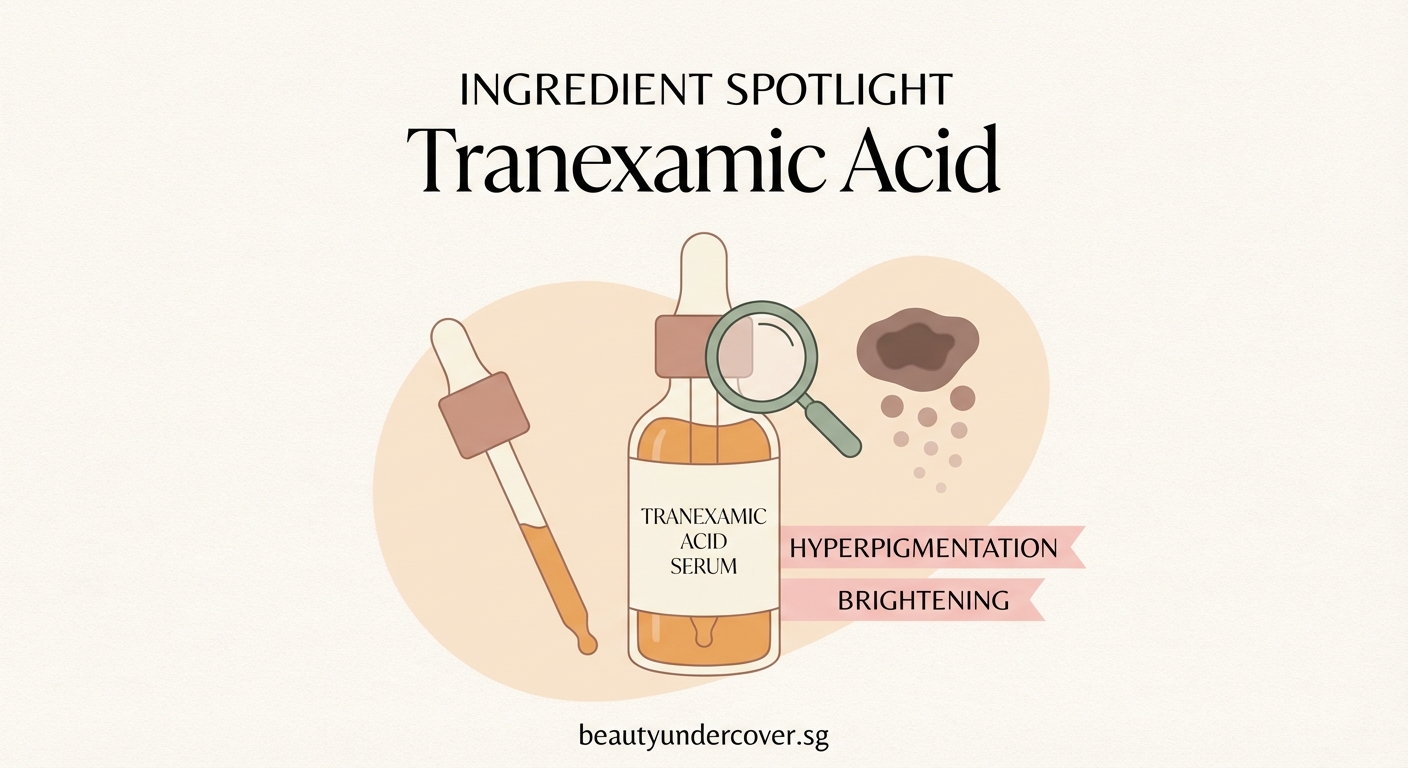
Tranexamic acid plays well with most skincare ingredients, making it easy to incorporate into existing routines. These combinations enhance its brightening effects:
-
Niacinamide strengthens the skin barrier while reducing inflammation. The two ingredients complement each other beautifully for stubborn melasma. Many dermatologist-favorite products combine both in one formula. Understanding what niacinamide really does for your skin helps you appreciate this powerful pairing.
-
Vitamin C provides antioxidant protection and additional brightening power. Use vitamin C in the morning and tranexamic acid at night, or look for stable formulations that combine both.
-
Azelaic acid offers additional melanin-inhibiting benefits with gentle exfoliation. This combination works particularly well for acne-prone skin dealing with post-inflammatory hyperpigmentation.
-
Alpha arbutin blocks tyrosinase through a different mechanism than tranexamic acid, creating a synergistic brightening effect.
-
Centella asiatica soothes inflammation and supports skin healing, making it an excellent companion for sensitive skin using tranexamic acid.
-
Licorice root extract contains glabridin, which disperses melanin and calms irritation. It enhances tranexamic acid’s anti-inflammatory benefits.
What to Avoid When Using Tranexamic Acid
While tranexamic acid tolerates most ingredients, a few combinations require caution:
Retinoids can be used with tranexamic acid, but not at the same time. Apply retinol or tretinoin at night and use tranexamic acid in the morning, or alternate nights. Starting both simultaneously increases irritation risk.
Strong chemical exfoliants like high-percentage glycolic acid or salicylic acid can be too much when combined with daily tranexamic acid use. If you use chemical exfoliants, apply them two to three times weekly and use tranexamic acid on other days.
Benzoyl peroxide may oxidize some tranexamic acid formulations. Use benzoyl peroxide as a spot treatment in the morning and reserve tranexamic acid for evening application.
Direct acids like pure L-ascorbic acid (vitamin C) at very high percentages can destabilize some tranexamic acid serums. Look for formulations specifically designed to combine both, or use them at different times of day.
Common Mistakes That Slow Your Results
| Mistake | Why It Matters | Better Approach |
|---|---|---|
| Expecting overnight results | Hyperpigmentation takes months to develop and months to fade | Track progress with monthly photos in consistent lighting |
| Skipping sunscreen | UV exposure triggers new melanin production daily | Apply SPF 30+ every morning, reapply every two hours outdoors |
| Using too many actives at once | Overloading skin causes irritation and barrier damage | Add one new active every four weeks |
| Applying on damp skin | Water dilutes the product and reduces effectiveness | Pat skin completely dry before application |
| Stopping too soon | Visible improvement takes 8 to 12 weeks minimum | Commit to three months before evaluating results |
| Inconsistent application | Melanin production happens continuously | Use daily for cumulative benefits |
The biggest mistake? Forgetting that hyperpigmentation treatment is a marathon, not a sprint. Your dark spots didn’t appear in a week, and they won’t disappear that fast either.
How Long Before You See Real Results
Patience is essential when treating hyperpigmentation. Here’s a realistic timeline:
Weeks 1 to 4: You probably won’t see visible changes yet. Your skin is adjusting to the ingredient, and cellular turnover takes time. Some people notice their skin looks slightly brighter or more even, but significant fading hasn’t started.
Weeks 4 to 8: This is when most people start seeing subtle improvements. Dark spots may appear slightly lighter. New post-inflammatory hyperpigmentation from recent breakouts fades faster than older spots.
Weeks 8 to 12: Noticeable improvement becomes apparent. Melasma patches lighten. Post-inflammatory hyperpigmentation continues fading. Overall skin tone looks more even.
Beyond 12 weeks: Maximum results typically appear between three and six months. Some stubborn spots may require up to a year of consistent treatment.
Taking monthly progress photos helps you see gradual changes that daily mirror checks might miss. Use the same lighting, angle, and time of day for accurate comparison.
Who Should and Shouldn’t Use Tranexamic Acid
Tranexamic acid suits most skin types, but certain situations require extra consideration.
Best candidates:
– People with melasma resistant to other treatments
– Those with post-inflammatory hyperpigmentation from acne or eczema
– Individuals with sensitive skin who can’t tolerate hydroquinone or high-strength vitamin C
– Anyone dealing with uneven skin tone from sun damage
– Pregnant or breastfeeding individuals seeking safe brightening options (always consult your doctor first)
Use with caution if you:
– Have a history of blood clots or clotting disorders (topical use is generally safe, but discuss with your doctor)
– Take oral contraceptives or hormone replacement therapy (monitor for any unusual changes)
– Have very sensitive skin prone to reactions (start with lower concentrations)
Avoid if you:
– Are allergic to tranexamic acid or any ingredients in the formulation
– Have active skin infections or open wounds in treatment areas
Most people tolerate tranexamic acid better than traditional brightening agents. Side effects are rare and typically limited to mild dryness or temporary redness.
Product Formats and How to Choose
Tranexamic acid comes in several formats. Each has advantages depending on your skin type and routine preferences.
Serums offer the highest concentration and best absorption. They layer easily under moisturizer and work well for targeted treatment. Look for 2% to 5% concentrations in lightweight, fast-absorbing bases.
Toners provide lower concentrations suitable for beginners or those with sensitive skin. They prep skin for better absorption of subsequent products while delivering gentle brightening benefits.
Creams combine tranexamic acid with moisturizing ingredients, making them ideal for dry skin types. They work well as an all-in-one treatment and hydration step.
Masks offer occasional intensive treatment. Sheet masks or wash-off masks with tranexamic acid provide temporary brightening and work well before events, though they won’t replace consistent daily use for long-term results.
Spot treatments concentrate the ingredient on specific dark spots. They’re useful for post-inflammatory hyperpigmentation from individual blemishes.
When shopping, check the ingredient list. Tranexamic acid should appear in the first five ingredients for meaningful concentration. Avoid products that list it near the end, as the amount may be too low to provide benefits.
Building a Complete Hyperpigmentation Routine
Tranexamic acid works best as part of a comprehensive approach. Here’s a sample routine that maximizes brightening while maintaining skin health:
Morning:
– Gentle cleanser
– Vitamin C serum (optional but beneficial)
– Tranexamic acid serum
– Niacinamide moisturizer
– SPF 30 or higher sunscreen (non-negotiable)
Evening:
– Oil-based cleanser (if wearing makeup or sunscreen)
– Water-based cleanser
– Tranexamic acid serum
– Moisturizer with ceramides or peptides
– Facial oil (optional, for dry skin)
Two to three times weekly:
– Gentle chemical exfoliant (lactic acid or mandelic acid)
– Use on nights you skip tranexamic acid, or apply tranexamic acid first and exfoliant 30 minutes later
This routine addresses hyperpigmentation through multiple angles while supporting overall skin health. Adjust based on your specific concerns and skin type.
For those new to multi-step routines, the ultimate 10-minute morning skincare routine for busy people offers a streamlined approach that still delivers results.
Oral vs. Topical Tranexamic Acid
Some dermatologists prescribe oral tranexamic acid for severe melasma resistant to topical treatments. The oral form works systemically to reduce melanin production throughout the body.
Oral tranexamic acid:
– Requires prescription and medical supervision
– Typically taken at 250mg twice daily
– Shows faster results than topical application
– Carries more potential side effects
– Not suitable for people with clotting disorders or those taking hormonal birth control
Topical tranexamic acid:
– Available over the counter
– Minimal side effects
– No systemic absorption concerns
– Takes longer to show results
– Safer for most people
Most people achieve satisfactory results with topical products alone. Oral tranexamic acid remains reserved for stubborn cases that don’t respond to topical treatments, chemical peels, or laser therapy.
Real Talk About Expectations and Limitations
Tranexamic acid is powerful, but it’s not magic. Setting realistic expectations prevents disappointment.
The ingredient works best on hyperpigmentation caused by inflammation, hormones, or recent sun damage. Decades-old sun spots or very deep pigmentation may require professional treatments like chemical peels, microneedling, or laser therapy alongside topical products.
Genetic pigmentation like freckles or birthmarks won’t disappear with tranexamic acid. You can lighten them temporarily, but they’ll return.
Melasma is notoriously stubborn and often requires combination therapy. Tranexamic acid helps significantly, but you may need to add prescription treatments, chemical peels, or lifestyle changes for complete clearance.
Maintenance is essential. Once you achieve your desired results, you can’t stop treatment entirely. Reducing frequency to two to three times weekly helps maintain improvements, but discontinuing use often leads to pigmentation returning, especially with melasma.
Sun protection matters more than any ingredient. The best tranexamic acid serum won’t help if you’re not wearing sunscreen daily. UV exposure triggers melanin production continuously, undoing all your hard work.
Why Dermatologists Keep Recommending This Ingredient
Tranexamic acid has earned its place in dermatology for good reason. It delivers results comparable to hydroquinone without the risks. It’s gentler than retinoids while still providing visible improvement. It works synergistically with other brightening agents instead of competing with them.
The ingredient addresses multiple causes of hyperpigmentation simultaneously. It blocks melanin production, reduces inflammation, strengthens blood vessels, and prevents new pigmentation from forming. This multi-pronged approach makes it effective for various types of dark spots and uneven tone.
Safety and tolerability matter just as much as efficacy. Tranexamic acid rarely causes irritation, making it suitable for sensitive skin types who struggle with other brightening ingredients. Pregnant and breastfeeding individuals have more options since tranexamic acid appears safer than many alternatives, though medical consultation remains essential.
The ingredient also fits easily into existing routines. You don’t need to restructure your entire regimen or stop using favorite products. It layers well, absorbs completely, and doesn’t interfere with makeup application.
Research continues supporting its benefits. New studies regularly confirm its effectiveness for melasma, post-inflammatory hyperpigmentation, and general skin brightening. As more people discover it, product options expand, making it easier to find formulations that suit individual preferences and budgets.
Your Brightening Journey Starts with Consistency
Tranexamic acid for hyperpigmentation offers a gentle yet effective path to clearer, more even skin. Unlike harsh treatments that strip and irritate, this ingredient works with your skin’s natural processes to reduce excess pigmentation while maintaining barrier health.
Success comes from consistent application, realistic expectations, and comprehensive sun protection. Start with a simple formulation, give it three months to work, and track your progress with monthly photos. Pair it with complementary ingredients like niacinamide and vitamin C for enhanced results.
Remember that treating hyperpigmentation takes time and patience. Your skin didn’t develop dark spots overnight, and they won’t disappear that fast either. But with tranexamic acid as part of your routine, you’re giving your skin one of the most effective, well-tolerated brightening ingredients available today.
The dark spots that have bothered you for months or years can fade. You just need the right ingredient, the right routine, and the commitment to stick with it long enough to see results.