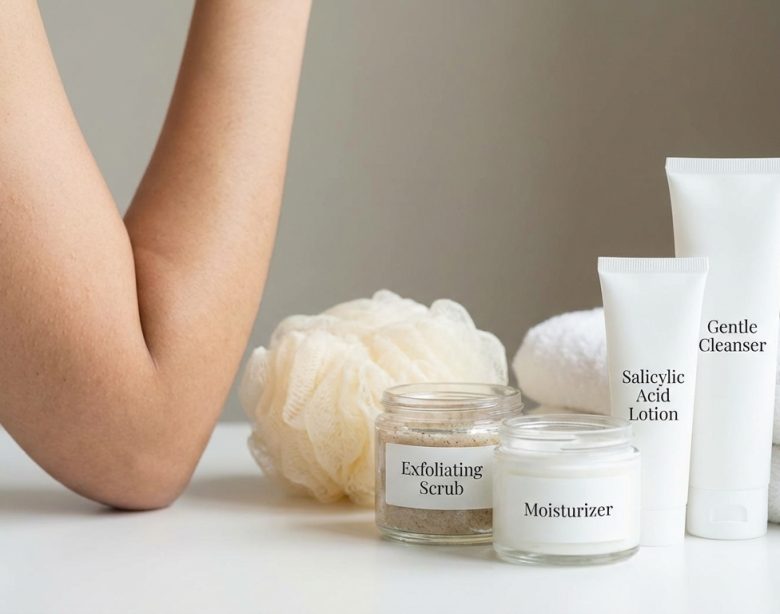
You run your hand down your arm and feel it. Tiny, rough bumps that look like permanent goosebumps. They don’t hurt, but they’re annoying. You’ve tried scrubbing harder in the shower, switching body washes, even ignoring them completely. Nothing seems to help. If this sounds familiar, you’re dealing with keratosis pilaris, and you’re definitely not alone. Millions of people have these little bumps, and the good news is that treating them is simpler than you might think.
Keratosis pilaris treatment focuses on gentle exfoliation and intense moisturization. Chemical exfoliants like lactic acid and urea work better than physical scrubs. Consistency matters more than expensive products. Most people see improvement within four to six weeks of daily treatment. The condition is harmless but persistent, requiring ongoing maintenance rather than a one-time cure.
Understanding what causes those bumps
Keratosis pilaris happens when your skin produces too much keratin. This protein builds up around hair follicles, creating small plugs that trap the hair inside. The result is those characteristic bumps that feel rough to the touch.
Your genes play a big role here. If your parents had these bumps, you’re more likely to develop them too. The condition often appears during childhood or teenage years, though it can show up at any age.
Dry skin makes everything worse. Cold weather, low humidity, and harsh soaps strip away your skin’s natural oils. Without that protective barrier, keratin plugs form more easily.
People with eczema or atopic dermatitis face a higher risk. Their skin barrier is already compromised, making it easier for keratin to build up.
Where keratosis pilaris shows up most
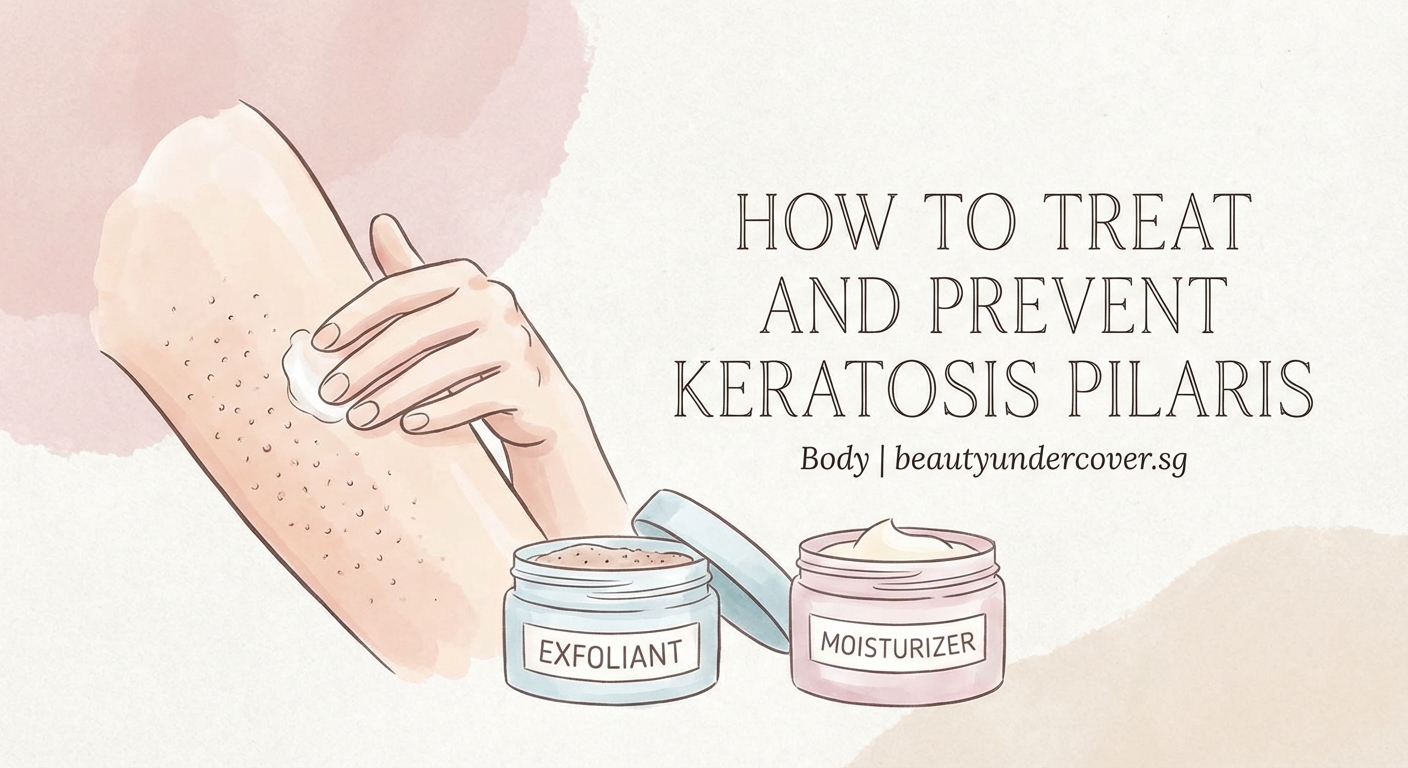
The back of your upper arms is the most common location. That’s usually the first place people notice the bumps.
Your thighs come next, especially the outer and front areas. Some people only get bumps on their legs, while others have them on both arms and legs.
The buttocks are another frequent spot. These bumps might be redder or more inflamed than elsewhere on your body.
Less commonly, keratosis pilaris appears on the face, particularly on the cheeks. This can be more distressing since it’s visible, but the same treatment principles apply.
The most effective treatment ingredients
Keratosis pilaris treatment works best when you use the right active ingredients. Not all lotions are created equal.
Alpha hydroxy acids top the list. Lactic acid and glycolic acid gently dissolve the keratin plugs without harsh scrubbing. They also help your skin retain moisture.
Urea is another powerhouse ingredient. It softens keratin and acts as a humectant, drawing water into your skin. Concentrations between 10% and 40% work well for keratosis pilaris.
Salicylic acid penetrates into pores and breaks down the plugs from inside. It’s particularly helpful if your bumps are also inflamed or red.
Retinoids increase cell turnover and prevent dead skin from clogging follicles. Over-the-counter retinol works for mild cases, while prescription tretinoin tackles more stubborn bumps.
Your step-by-step treatment routine
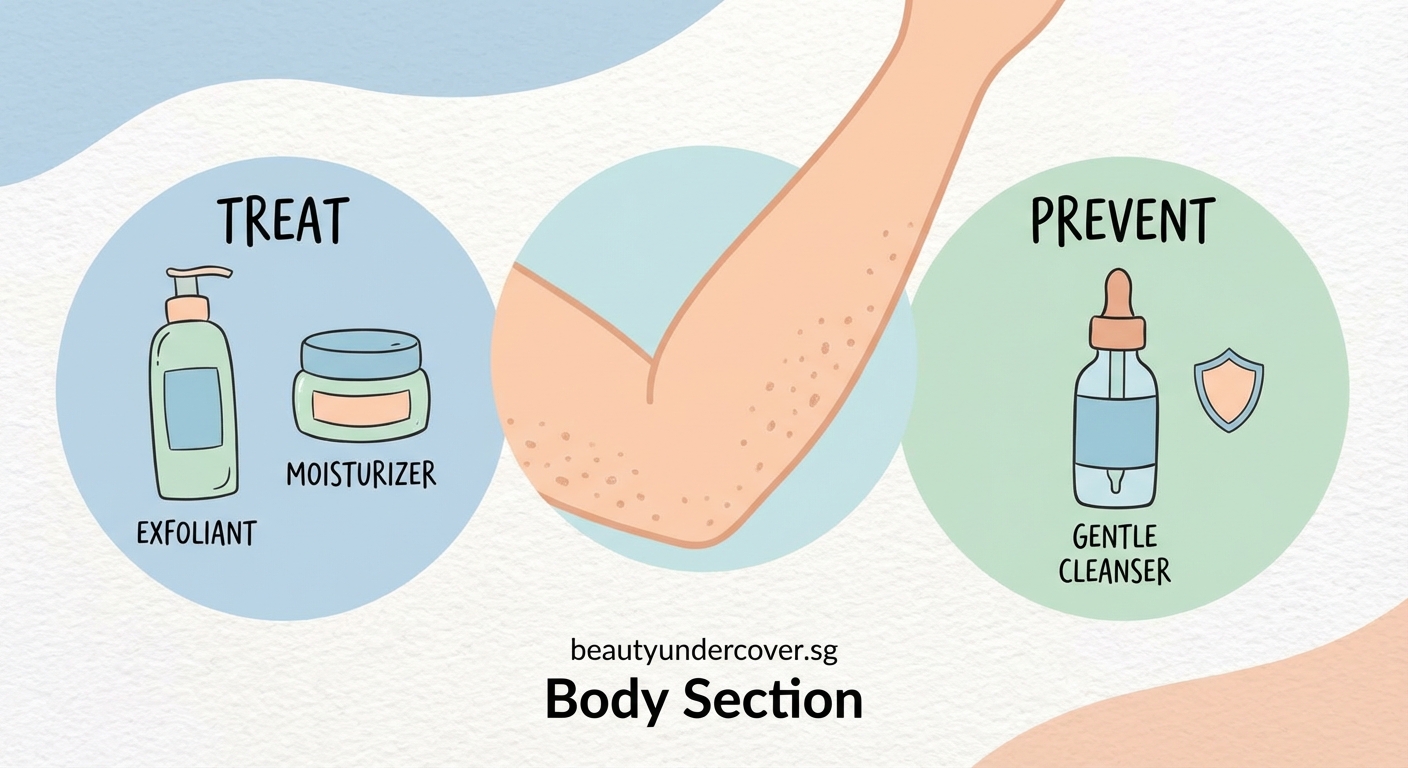
Getting smooth skin takes consistency. Here’s exactly what to do:
-
Shower with lukewarm water instead of hot. High temperatures strip your skin’s natural oils and worsen dryness.
-
Use a gentle, fragrance-free cleanser on affected areas. Skip anything labeled “antibacterial” or “deep cleaning” as these tend to be too harsh.
-
Apply your treatment product immediately after patting skin dry. Your pores are still open and your skin is slightly damp, helping ingredients absorb better.
-
Wait five minutes before adding a moisturizer on top. This layering technique locks in the treatment and prevents irritation.
-
Moisturize again before bed if your skin feels tight or dry. You can’t over-moisturize keratosis pilaris.
-
Repeat daily without skipping. You’ll see the best results with consistent application, not sporadic treatments.
Products that deliver real results
You don’t need to spend a fortune on keratosis pilaris treatment. Many effective options exist at different price points.
Drugstore body lotions with 12% ammonium lactate work well for most people. These are often marketed for rough, dry skin or eczema.
CeraVe SA Lotion contains salicylic acid and ceramides. The combination exfoliates while repairing your skin barrier.
Eucerin Advanced Repair Lotion offers urea at a therapeutic concentration. It’s fragrance-free and absorbs without leaving a greasy film.
AmLactin Daily Moisturizing Body Lotion uses lactic acid to smooth bumps. The texture is lightweight enough for daily use, even in humid weather.
For prescription options, dermatologists often recommend tretinoin cream or stronger urea preparations. These require monitoring but can produce faster results.
If you’re building out a body care routine that actually works, treating keratosis pilaris should be one of your main focuses.
Common mistakes that make bumps worse
Many people unknowingly sabotage their keratosis pilaris treatment. Avoid these pitfalls.
Aggressive scrubbing feels productive but inflames your skin. Those rough exfoliating gloves or brushes can cause micro-tears and make bumps redder.
Using multiple active ingredients at once might seem like it would work faster. Instead, you’ll likely irritate your skin and have to stop all treatment while it heals.
Expecting overnight results leads to disappointment. Keratosis pilaris takes weeks to improve, not days.
Stopping treatment as soon as bumps fade guarantees they’ll come back. This condition requires ongoing maintenance.
Picking at bumps creates scars and potential infections. Keep your hands off, no matter how tempting it is.
What works versus what doesn’t
| Treatment approach | Effectiveness | Why |
|---|---|---|
| Chemical exfoliants (AHAs, BHA) | High | Dissolve keratin plugs gently and consistently |
| Physical scrubs | Low | Can irritate skin and worsen inflammation |
| Regular moisturizing | High | Prevents keratin buildup and softens existing bumps |
| Spot treating | Low | Keratosis pilaris requires full-area treatment |
| Prescription retinoids | High | Increase cell turnover and prevent clogging |
| Coconut oil alone | Low | Moisturizes but doesn’t address keratin buildup |
| Laser therapy | Moderate | Reduces redness but doesn’t prevent new bumps |
How long before you see improvement
Most people notice smoother skin after four to six weeks of daily treatment. The bumps don’t vanish overnight.
During the first two weeks, you might not see much change. Your skin is adjusting to the new routine and ingredients are starting to work beneath the surface.
Weeks three and four bring visible improvement. Bumps become less pronounced and the rough texture starts smoothing out.
By week six, many people see significant reduction in both bumps and redness. Your skin feels noticeably softer.
Some stubborn cases take three months of consistent treatment. Don’t give up if you’re not seeing results as fast as you’d like.
Preventing flare-ups and maintaining results
Once you’ve smoothed those bumps, keeping them away requires ongoing effort.
Continue using your treatment products at least three times per week. You can reduce frequency once bumps clear, but don’t stop completely.
Run a humidifier during winter months. Indoor heating dries out your skin and triggers flare-ups.
Choose loose, breathable clothing. Tight fabrics create friction that can irritate follicles and worsen bumps.
Skip long, hot showers. Limit yourself to 10 minutes in warm (not hot) water to preserve your skin’s moisture barrier.
Apply sunscreen to affected areas. Sun damage can worsen the appearance of keratosis pilaris and make redness more noticeable.
Dermatologists agree that patience and consistency are more important than any single miracle product. Keratosis pilaris responds best to gentle, regular care rather than aggressive treatments. Think marathon, not sprint.
Special considerations for different skin types
Sensitive skin needs extra care during keratosis pilaris treatment. Start with lower concentrations of active ingredients and increase gradually.
Oily skin can handle stronger formulas without feeling greasy. Look for lightweight lotions rather than thick creams.
Dark skin tones often develop post-inflammatory hyperpigmentation from keratosis pilaris. Treating bumps early prevents dark spots from forming.
If you have eczema alongside keratosis pilaris, focus on barrier repair first. Use ceramide-rich moisturizers before adding exfoliating treatments.
Children’s skin is more delicate. Stick to gentler formulations and always patch test before applying to large areas.
When to see a dermatologist
Most cases of keratosis pilaris respond well to over-the-counter treatments. Sometimes professional help makes sense.
If you’ve tried consistent treatment for three months without improvement, a dermatologist can prescribe stronger options.
Severe redness or inflammation might indicate another condition. Getting a proper diagnosis ensures you’re treating the right thing.
Bumps on your face deserve professional guidance. The skin there is more sensitive and visible, making expert advice valuable.
If keratosis pilaris significantly affects your confidence or quality of life, don’t hesitate to seek help. Dermatologists have additional tools like prescription retinoids and laser treatments.
Natural remedies that complement medical treatment
Some gentle, natural approaches can support your keratosis pilaris treatment routine.
Coconut oil works as an occlusive moisturizer. Apply it over your treatment products to seal everything in, not as a standalone solution.
Oatmeal baths soothe irritated skin. They won’t clear bumps but can reduce redness and itching.
Dry brushing before showering helps remove dead skin cells. Use light pressure and always moisturize immediately after.
Apple cider vinegar diluted with water can balance skin pH. Some people find it helpful, though scientific evidence is limited.
Remember that natural doesn’t always mean better. Proven ingredients like lactic acid and urea typically deliver more reliable results.
Lifestyle factors that influence your skin
What you do every day affects your keratosis pilaris more than you might realize.
Staying hydrated helps your skin maintain moisture from the inside out. Aim for eight glasses of water daily.
Your diet might play a role. Some people notice improvement when they reduce dairy or increase omega-3 fatty acids. The connection isn’t proven, but experimenting costs nothing.
Stress can trigger inflammation throughout your body, including your skin. Managing stress through exercise, sleep, or meditation might help reduce flare-ups.
Vitamin D deficiency has been linked to keratosis pilaris in some studies. Getting moderate sun exposure or taking supplements could help, though more research is needed.
Adjusting your routine with the seasons
Keratosis pilaris often worsens in winter and improves in summer. Adapting your routine helps maintain smooth skin year-round.
Winter adjustments
Cold weather demands richer moisturizers. Switch to thicker creams or add an oil layer over your regular lotion.
Increase treatment frequency if bumps worsen. You might need daily application instead of every other day.
Protect skin from harsh wind with clothing. Exposed arms and legs face more environmental stress.
Summer modifications
Humidity helps keep skin hydrated. You might get away with lighter formulations or less frequent application.
Don’t skip treatment completely just because bumps improve. Maintenance prevents them from coming back when weather changes.
Sunscreen becomes crucial. Some treatment ingredients increase sun sensitivity, making protection essential.
Building keratosis pilaris treatment into your existing routine
You don’t need to overhaul your entire skincare regimen. Treating keratosis pilaris fits naturally into what you’re already doing.
If you already follow a simple 3-step skincare routine for absolute beginners for your face, apply the same principles to your body. Cleanse, treat, moisturize.
Apply your keratosis pilaris treatment right after your shower, when you’d normally moisturize anyway. You’re just swapping one product for a more targeted one.
Keep your treatment lotion in the bathroom where you’ll see it daily. Out of sight truly means out of mind when it comes to consistency.
Set a phone reminder for the first few weeks until the routine becomes automatic. After that, it’ll feel as natural as brushing your teeth.
The realistic timeline for smooth skin
Understanding what to expect helps you stay motivated during treatment.
Week 1: Your skin adjusts to new products. You might not see visible changes yet, but ingredients are starting to work.
Week 2: Texture begins improving slightly. Bumps might feel less rough when you run your hand over them.
Week 3-4: Visible reduction in bump size and redness. This is when most people start feeling encouraged.
Week 5-6: Significant improvement for many people. Skin feels noticeably smoother and looks more even.
Week 8-12: Stubborn cases finally start responding. Some people need this full timeline to see major changes.
Ongoing: Maintenance mode begins. Continue treatment at reduced frequency to prevent bumps from returning.
Why your bumps deserve attention
Keratosis pilaris might be harmless, but that doesn’t mean you have to live with it. Smooth skin feels good. Wearing sleeveless shirts without self-consciousness feels even better.
Treatment doesn’t require expensive products or complicated routines. The basics work: gentle exfoliation, serious moisturization, and patience. Start with one good product containing lactic acid or urea. Apply it every single day after your shower. Give it six weeks before you judge the results.
Your skin won’t transform overnight, but it will transform. Those rough bumps will smooth out. The redness will fade. And you’ll finally feel comfortable in your own skin again.