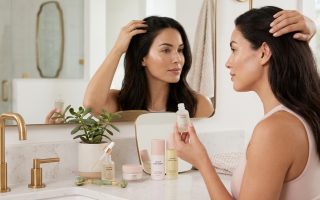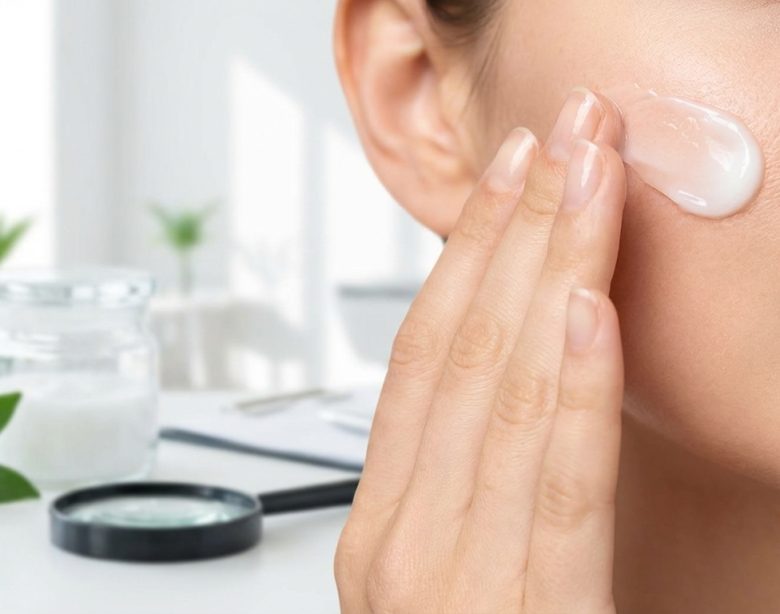
Slugging took over TikTok in 2022, and now in 2024, the internet is still debating whether coating your face in petroleum jelly is genius or just greasy. The viral trend promised glowing, hydrated skin overnight, but dermatologists have some thoughts about who should actually be doing this. If you’ve been wondering whether slugging is still relevant or just another trend that’s overstayed its welcome, here’s what the experts are saying right now.
Slugging remains effective in 2024, but dermatologists emphasize it’s not for everyone. The technique works best for dry skin types during cold months, using occlusive products over moisturizer at night. Avoid slugging if you have acne-prone or oily skin, and never apply occlusives over active ingredients like retinol without proper layering. The trend has evolved beyond petroleum jelly to include gentler alternatives.
What Slugging Actually Means in 2024
Slugging is the practice of applying an occlusive product as the final step in your nighttime skincare routine. The term comes from the thick, slug-like layer of product you’re left with on your face.
The original trend used petroleum jelly, but the slugging skincare trend 2024 has expanded to include other occlusive products. These create a physical barrier on your skin that prevents water loss while you sleep.
Think of it like wrapping your skin in plastic wrap, except way less suffocating and actually beneficial for some people.
The technique isn’t new. Dermatologists have recommended occlusive moisturizers for decades to treat extremely dry skin conditions. TikTok just gave it a catchier name and made it go viral.
How Dermatologists Actually Feel About It

Board-certified dermatologists have mixed feelings about slugging becoming a universal trend. Most agree it works, but not for everyone who’s trying it.
Dr. Jenny Liu, a board-certified dermatologist, notes that slugging can be highly effective for people with compromised skin barriers or those living in dry climates. The problem? Most people on social media don’t fit that description.
“Slugging is excellent for very dry skin, but if you’re someone with normal to oily skin or acne-prone skin, you’re likely making things worse. The occlusive layer can trap bacteria and sebum, leading to breakouts.”
The consensus in 2024 is that slugging should be personalized, not generalized. Your skin type, climate, and existing routine all matter.
Many dermatologists appreciate that the trend has gotten people thinking about moisture retention. But they wish the viral videos came with more disclaimers about who shouldn’t try it.
Who Should Actually Try Slugging
Not everyone needs to slug their face. Here’s who benefits most from this technique:
- People with extremely dry or dehydrated skin
- Anyone dealing with eczema or compromised skin barriers
- Those living in cold, dry climates
- People using prescription retinoids who experience dryness
- Anyone recovering from aggressive skincare treatments
If you wake up with tight, flaky skin even after moisturizing, slugging might help you. The occlusive layer keeps your skincare products from evaporating overnight.
Winter is prime slugging season. Central heating strips moisture from indoor air, and cold outdoor temperatures damage your skin barrier. That’s when slugging makes the most sense.
If you’re already working on how to build a simple 3-step skincare routine for absolute beginners, consider adding slugging as an optional fourth step during particularly dry months.
Who Should Skip This Trend Completely
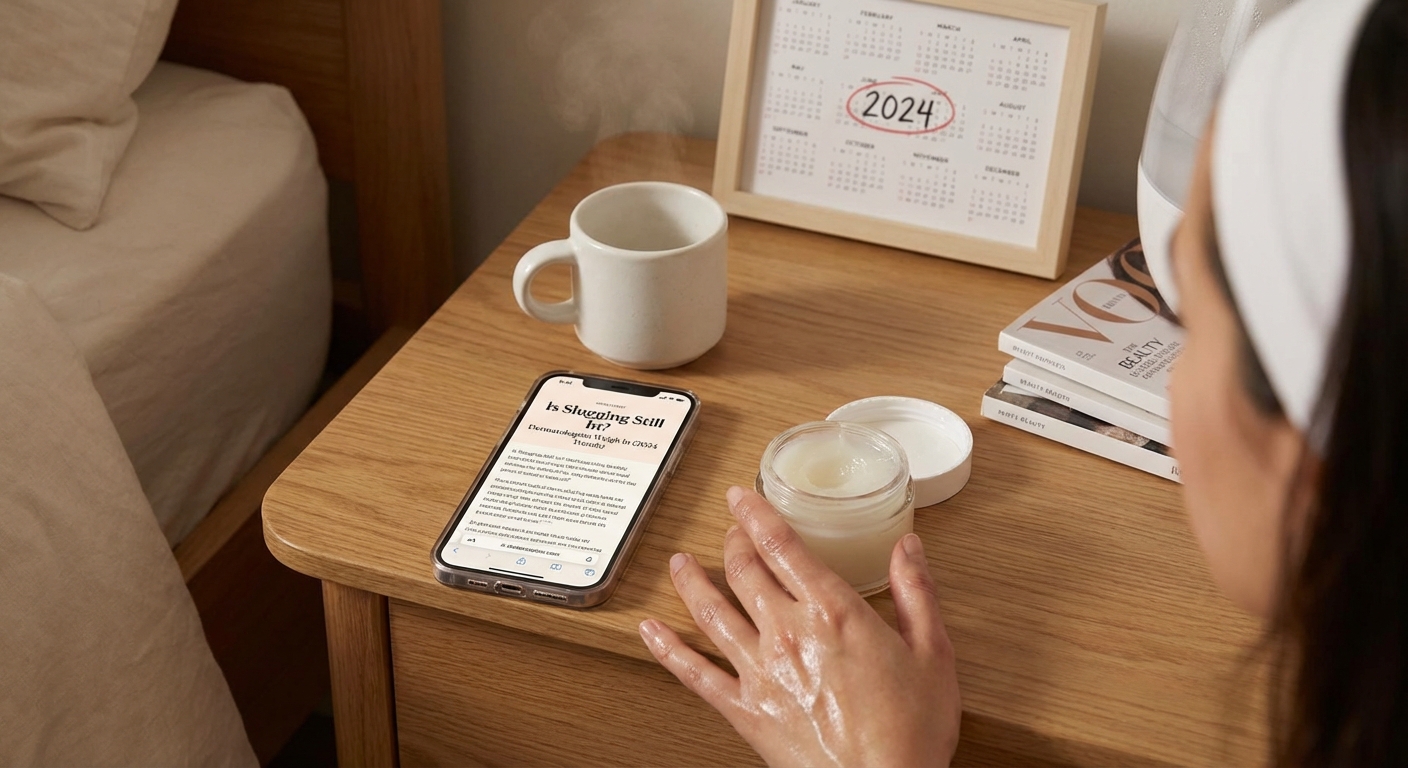
Slugging isn’t for everyone. Skip it if you have:
- Acne-prone or oily skin
- Active breakouts or cystic acne
- Fungal acne (malassezia folliculitis)
- Very humid climate conditions
- Sensitivity to occlusive ingredients
Trapping oil and bacteria under an occlusive layer is a recipe for congestion. If your skin already produces plenty of sebum, you don’t need an extra barrier preventing moisture loss.
People with fungal acne should be especially careful. Occlusives can create the perfect environment for malassezia to thrive, making your condition worse.
Living somewhere humid? Your skin probably doesn’t need the extra moisture retention that slugging provides.
The Right Way to Slug Your Face
If you’ve determined slugging is right for your skin type, here’s how to do it properly:
- Start with a completely clean face using a gentle cleanser
- Apply your water-based serums or treatments first
- Layer on your regular moisturizer and let it absorb for a few minutes
- Take a pea-sized amount of your occlusive product
- Warm it between your fingers
- Gently press it onto your face in a thin layer
- Avoid the eye area unless using an eye-specific product
The key is using a thin layer. You don’t need to cake it on. A little goes a long way with occlusive products.
Always slug as your absolute last step. Nothing goes on top of your occlusive layer, or you defeat the purpose.
Most people slug 2-3 times per week rather than every night. Daily slugging can be too much even for dry skin types.
Products Beyond Petroleum Jelly
The slugging skincare trend 2024 has evolved beyond drugstore petroleum jelly. Here are popular alternatives:
| Product Type | Best For | Texture |
|---|---|---|
| Petroleum jelly | Very dry skin, eczema | Heavy, greasy |
| Lanolin | Sensitive, dry skin | Thick, sticky |
| Squalane | Normal to dry skin | Lightweight, absorbs better |
| Ceramide ointments | Compromised barriers | Medium weight |
| Mineral oil-based balms | Dry skin, affordable option | Slippery, occlusive |
Squalane has become the favorite among people who want slugging benefits without the heavy feel. It’s less occlusive than petroleum jelly but still helps lock in moisture.
Ceramide-rich ointments offer the added benefit of repairing your skin barrier while preventing water loss. They’re pricier but multitask better.
Some brands now market products specifically for slugging, but you don’t need anything fancy. A simple occlusive that works for your skin type is enough.
Common Slugging Mistakes People Make
Even people who should be slugging often do it wrong. Here are the biggest mistakes:
Slugging over active ingredients. If you apply an occlusive over retinol or acids without a buffer, you’ll increase irritation. Always put moisturizer between actives and your occlusive layer.
Using too much product. More isn’t better. A thick layer just transfers to your pillowcase without additional benefits.
Slugging with dirty skin. Trapping dirt, makeup, or sunscreen under an occlusive is asking for breakouts. Always start with clean skin.
Doing it every single night. Your skin needs to breathe sometimes. Over-slugging can lead to milia or congestion even in dry skin types.
Ignoring your neck. If you’re slugging your face, extend it to your neck and décolletage. These areas get dry too.
Expecting instant results. Slugging helps with hydration over time. One night won’t transform your skin.
How Slugging Fits Into Your Full Routine
Slugging works best when it’s part of a complete routine, not a standalone fix. Think about your overall skincare strategy.
If you’re using what does niacinamide really do for your skin during the day, slugging at night can help lock in the benefits of your morning products by maintaining your skin barrier.
For people with the ultimate 10-minute morning skincare routine for busy people, slugging offers a simple nighttime counterpart that requires minimal effort.
Never slug in the morning before makeup. The occlusive layer will make your foundation slide around and prevent proper application.
Consider slugging as a seasonal adjustment to your routine rather than a year-round commitment. Increase frequency in winter, decrease in summer.
The Evolution of Slugging in 2024
The trend has matured since its viral peak. People are now more selective about when and how they slug.
“Slugging Sundays” has become a thing, where people reserve the technique for one night a week as a moisture treatment rather than doing it daily.
Multi-masking combined with slugging has emerged. Some people apply occlusive products only to dry patches rather than their entire face.
The conversation has shifted from “everyone should slug” to “slug if it makes sense for your skin.” That’s a healthier approach.
Dermatologists are also seeing fewer patients with slugging-related breakouts compared to 2022, suggesting people are getting smarter about whether the trend fits their skin type.
Some skincare enthusiasts have started “mini slugging” where they apply occlusives only around the eyes or on particularly dry areas like the nose and chin.
Alternatives If Slugging Isn’t For You
If you’ve tried slugging and it didn’t work, or you know it’s not right for your skin type, here are other ways to boost hydration:
Humectant-rich serums. Products with hyaluronic acid or glycerin draw water into your skin without the occlusive layer.
Sleeping masks. These provide moisture without being as heavy as traditional slugging products.
Facial oils. Lighter than occlusives but still help seal in hydration for people with normal to dry skin.
Humidifiers. Adding moisture to your bedroom air prevents water loss without putting anything on your skin.
Layering lightweight moisturizers. Sometimes applying your regular moisturizer twice works better than adding an occlusive.
The goal is moisture retention. Slugging is one method, but not the only one.
What Dermatologists Wish You Knew
Before you jump on the slugging bandwagon, dermatologists want you to understand a few things.
First, viral trends aren’t one-size-fits-all. What works for a TikTok creator with dry skin in Minnesota won’t necessarily work for you if you have oily skin in Singapore.
Second, slugging won’t fix underlying skin issues. If you have chronic dryness, you might need to address your cleanser, water temperature, or overall routine rather than just adding an occlusive layer.
Third, your skin barrier is important. Slugging helps maintain it, but aggressive exfoliation, harsh cleansers, and skipping sunscreen will damage it faster than slugging can repair it.
Fourth, patience matters. You won’t see dramatic results overnight. Consistent moisture retention over weeks is what makes the difference.
Finally, if something feels wrong, stop doing it. Breakouts, irritation, or increased oiliness are signs that slugging isn’t working for your skin type.
When to Actually Slug Your Face
Timing matters more than most people realize. Here’s when slugging makes the most sense:
During winter months. Cold air and indoor heating create the perfect storm for dry skin.
After flights. Airplane cabins are incredibly dry. Slugging the night after traveling helps restore moisture.
When starting retinoids. The adjustment period often causes dryness. Slugging 2-3 times per week can help.
During skin barrier repair. If you’ve over-exfoliated or damaged your skin, slugging supports healing.
On particularly dry days. If you’ve been outside in harsh weather, a slugging night can help recovery.
Don’t slug right before important events. You might wake up with sheet marks on your face or temporary puffiness.
Making Slugging Work for Your Lifestyle
Practicality matters. Here’s how to make slugging fit into real life:
Use old pillowcases on slugging nights. Even thin layers can transfer to fabric.
Keep a designated slugging towel for your pillow if you don’t want to change cases.
Slug earlier in the evening if possible. This gives products time to absorb before bed.
Skip slugging if you’re sleeping over somewhere. It’s not exactly a travel-friendly technique.
Warn your partner if you share a bed. Nobody wants to accidentally touch a slugged face in the middle of the night.
Consider sleeping on your back on slugging nights to minimize product transfer and prevent unnecessary pressure on your skin.
Why This Trend Still Matters
Despite newer trends constantly emerging, slugging has staying power because it’s based on solid dermatological principles.
Occlusive moisturization isn’t going anywhere. It’s been a cornerstone of medical skincare for decades.
The trend brought attention to skin barrier health, which is genuinely important. More people now understand that moisture retention matters.
It also sparked conversations about personalized skincare. Not every viral trend works for everyone, and that’s okay.
The slugging skincare trend 2024 represents a maturation of the original viral moment. People are now using it thoughtfully rather than blindly following TikTok.
For those building how to build a luxury skincare routine without breaking the bank, slugging offers an affordable way to maximize your existing products.
The Real Verdict on Slugging
After all the hype and backlash, here’s what actually matters.
Slugging works for specific skin types in specific situations. It’s not magic, but it’s not nonsense either.
If you have dry skin and you’ve tried it successfully, keep doing it. If it caused breakouts, that’s valuable information about your skin type.
The technique has evolved from a trendy hack to a legitimate tool in the skincare arsenal for people who need it.
Dermatologists in 2024 aren’t telling people to stop slugging. They’re telling people to slug smarter.
Your skin is unique. What works for someone else might not work for you, and that’s completely normal. Pay attention to how your skin responds rather than following trends blindly.
If you’re still figuring out your basic routine, focus on getting your cleanser, moisturizer, and sunscreen right first. Slugging is an advanced technique that works best when your foundation is solid.
The slugging conversation in 2024 is healthier than it was during the initial viral wave. People are asking better questions, dermatologists are providing clearer guidance, and the technique is being used more appropriately.
Whether you slug or skip it, the most important thing is understanding your own skin and making informed choices based on what it actually needs.