Finding a hyaluronic acid serum that actually delivers visible results can feel overwhelming. Shelves overflow with bottles promising plumped skin and erased fine lines, but most formulas disappoint. The molecule size matters. The concentration matters. Even how you apply it makes a difference. After testing dozens of serums and consulting dermatologists, I’ve learned what separates products that genuinely hydrate from those that just sit on your skin.
The best hyaluronic acid serums contain multiple molecular weights to penetrate different skin layers, ideally between 1% to 2% concentration. Apply to damp skin and seal with moisturizer immediately. Look for formulas combining low, medium, and high molecular weight HA, plus supporting ingredients like vitamin B5 or glycerin. Results appear within two weeks when used correctly.
What Makes Hyaluronic Acid Different From Other Hydrators
Hyaluronic acid holds 1,000 times its weight in water. Your skin naturally produces it, but production drops after age 25. This decline shows up as dryness, dullness, and more pronounced fine lines.
Unlike oils that sit on your skin’s surface, hyaluronic acid pulls moisture from the air into your skin cells. It works like a sponge, binding water molecules and creating a plumping effect. This makes it different from occlusives like petrolatum or emollients like ceramides.
The molecular weight determines how deeply it penetrates. Large molecules hydrate the surface. Small molecules reach deeper layers. The best formulas contain both.
Most serums list sodium hyaluronate on their ingredient labels instead of hyaluronic acid. They’re essentially the same thing. Sodium hyaluronate is the salt form, which absorbs more easily into skin.
How to Identify Quality Formulas Before You Buy
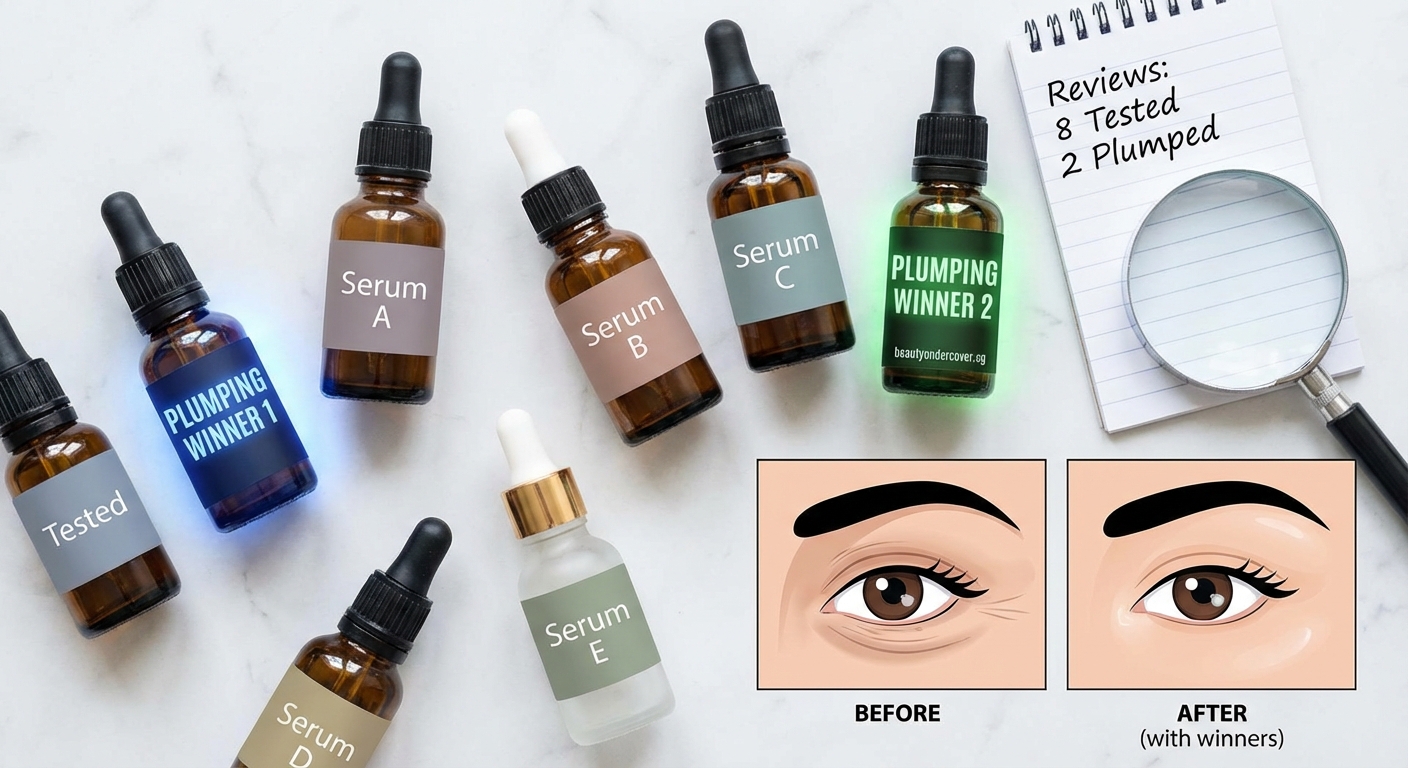
Reading ingredient lists saves money and disappointment. Here’s what to check before purchasing any serum.
Concentration matters more than marketing claims. Look for 1% to 2% hyaluronic acid. Higher percentages don’t necessarily work better and may feel sticky. Lower amounts won’t deliver noticeable results.
Multiple molecular weights maximize benefits. The label should list different forms like hydrolyzed hyaluronic acid (small molecules), sodium hyaluronate (medium), and hyaluronic acid (large). This trio ensures hydration at every skin layer.
Supporting ingredients boost effectiveness. Vitamin B5 (panthenol) helps hyaluronic acid penetrate better. Glycerin adds extra moisture retention. Niacinamide reduces irritation and strengthens your skin barrier.
Avoid formulas with alcohol high on the ingredient list. It evaporates moisture instead of adding it. Also skip serums with heavy fragrances, which can irritate sensitive skin and offer zero skincare benefits.
Check the packaging too. Hyaluronic acid degrades when exposed to light and air. Opaque bottles or airless pumps preserve potency better than clear glass droppers.
The Right Way to Apply Hyaluronic Acid Serums
Application technique determines whether your serum works or wastes money. Most people make critical mistakes that reduce effectiveness.
- Cleanse your face thoroughly and pat semi-dry with a clean towel
- While skin is still slightly damp, apply 3 to 4 drops of serum to your face and neck
- Press gently into skin using upward motions rather than rubbing vigorously
- Wait 60 seconds for absorption before applying the next product
- Seal everything with a moisturizer within 2 minutes to lock in hydration
Never apply hyaluronic acid to completely dry skin. The molecule needs water to work properly. If applied to dry skin in a low-humidity environment, it can actually pull moisture from deeper skin layers, causing dehydration.
“Hyaluronic acid is hygroscopic, meaning it draws water from its surroundings. In dry climates or heated indoor spaces, always apply it to damp skin and follow with an occlusive moisturizer to prevent transepidermal water loss.” — Dr. Michelle Wong, cosmetic chemist
Morning and evening application works for most skin types. If you have oily skin, once daily might suffice. Dry or mature skin benefits from twice-daily use.
Common Mistakes That Sabotage Your Results
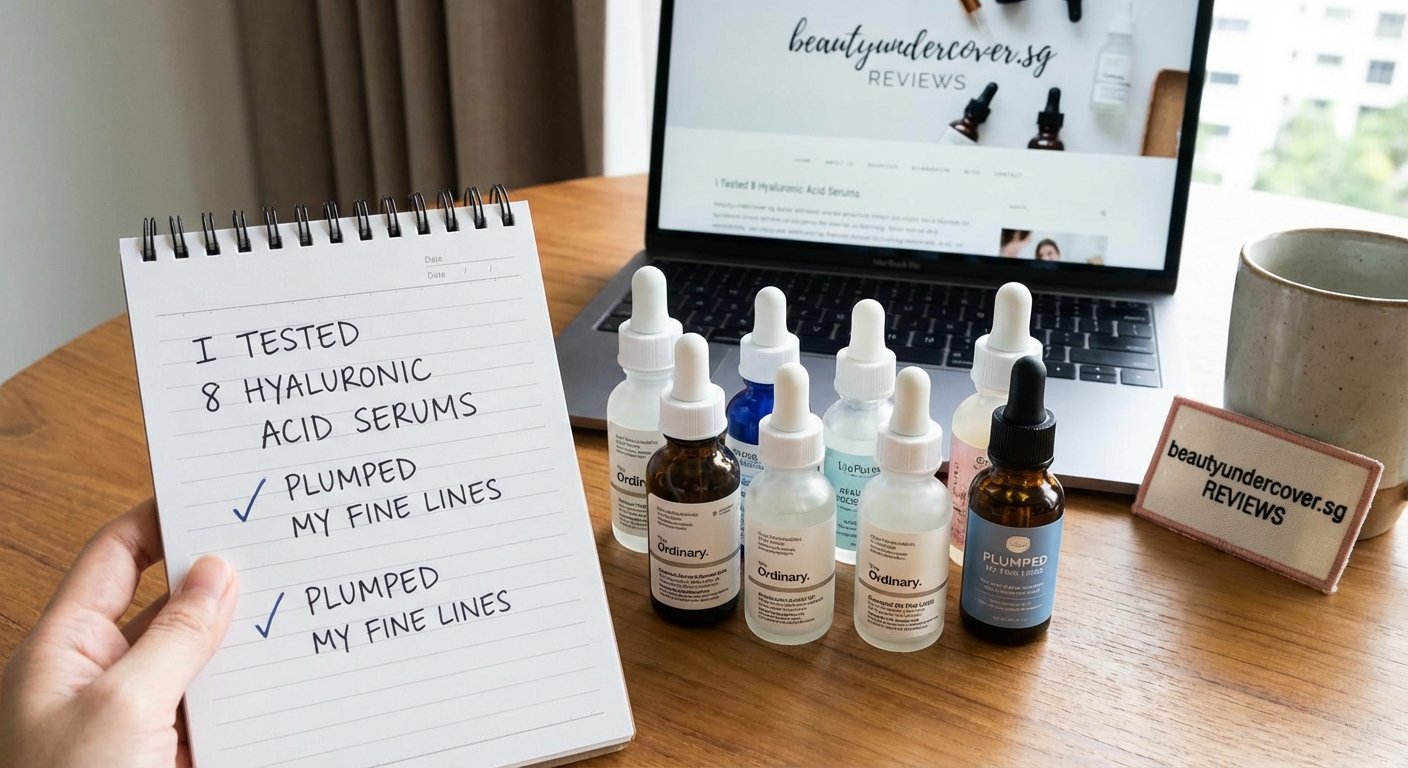
Even expensive serums fail when used incorrectly. These errors explain why many people claim hyaluronic acid doesn’t work for them.
| Mistake | Why It Fails | Better Approach |
|---|---|---|
| Applying to bone-dry skin | HA pulls from deeper layers instead of air | Mist face first or apply right after cleansing |
| Skipping moisturizer after | Water evaporates, taking HA with it | Layer cream or oil within 2 minutes |
| Using in very dry climates without prep | Low humidity means no moisture to attract | Apply to damp skin, seal immediately |
| Expecting overnight miracles | Skin cell turnover takes 2 to 4 weeks | Consistent use shows results by week two |
| Layering too many actives | Conflicting ingredients reduce effectiveness | Use HA before heavier serums, after toners |
Another common error is applying too much product. Three to four drops covers your entire face. More doesn’t equal better results. Excess serum just pills up under your moisturizer and wastes product.
Temperature matters too. Cold weather and indoor heating create dry conditions that challenge hyaluronic acid. During winter months, consider using a humidifier in your bedroom and applying an extra layer of moisturizer over your serum.
Top Ingredients to Pair With Hyaluronic Acid
Hyaluronic acid plays well with most skincare ingredients, but certain combinations amplify results.
Vitamin C brightens while HA hydrates. Apply vitamin C serum first, wait one minute, then layer hyaluronic acid. This combo addresses both dullness and dehydration. Just make sure your vitamin C formula has a pH between 3 and 4 for optimal absorption.
Niacinamide strengthens your moisture barrier. Using what does niacinamide really do for your skin alongside hyaluronic acid reduces water loss throughout the day. Many serums now combine both ingredients in one bottle.
Peptides and HA target different aging concerns. Peptides signal collagen production while hyaluronic acid plumps existing skin. Use them in the same routine without conflict.
Retinol and hyaluronic acid make excellent partners too. Retinol can cause dryness and irritation. Hyaluronic acid counteracts these side effects while retinol works on cell turnover and collagen stimulation.
Avoid using hyaluronic acid with clay masks or products containing high amounts of alcohol. These ingredients actively dry your skin, working against HA’s hydrating mission.
What Your Skin Type Needs From an HA Serum
Different skin types benefit from adjusted formulations. The core ingredient stays the same, but supporting ingredients should match your specific concerns.
Oily skin: Choose lightweight, water-based serums without added oils. Look for formulas that include niacinamide to control sebum production. Gel textures absorb faster and won’t clog pores.
Dry skin: Select richer formulas with added glycerin, squalane, or ceramides. These ingredients work alongside hyaluronic acid to repair your moisture barrier. Cream-serum hybrids work particularly well.
Combination skin: Standard hyaluronic acid serums work fine. Apply more generously to dry areas like cheeks, less to oily zones like your T-zone. A balanced formula without heavy oils prevents breakouts while hydrating dry patches.
Sensitive skin: Fragrance-free formulas with minimal ingredients reduce irritation risk. Look for added panthenol (vitamin B5) and avoid essential oils, even natural ones.
Mature skin: Formulas combining multiple molecular weights plus peptides or antioxidants address both hydration and aging concerns. Thicker textures provide extra nourishment for skin that produces less natural oil.
If you’re building a complete routine, consider how to build a simple 3-step skincare routine for absolute beginners to understand where hyaluronic acid fits into your daily regimen.
When You’ll Actually See Results
Managing expectations prevents disappointment. Hyaluronic acid delivers some benefits immediately, while others take weeks.
Immediate effects (within hours): Your skin feels softer and looks more supple. Surface hydration creates a temporary plumping effect that smooths very fine lines. This doesn’t mean deeper wrinkles disappear overnight.
Short-term results (1 to 2 weeks): Consistent hydration improves skin texture. Dry patches diminish. Makeup applies more smoothly. Your complexion looks brighter because hydrated skin reflects light better.
Long-term benefits (4 to 8 weeks): Fine lines appear less pronounced with sustained moisture levels. Your skin barrier strengthens, reducing sensitivity and redness. Overall skin health improves as cells function better in a properly hydrated environment.
Take progress photos in the same lighting every two weeks. Subtle changes become obvious when you compare images side by side. Natural bathroom lighting works better than ring lights, which can hide texture.
Remember that hyaluronic acid primarily addresses hydration, not collagen loss or deep wrinkles. For comprehensive anti-aging results, combine it with retinol, vitamin C, and sunscreen in your routine.
Budget Options That Actually Perform
Expensive doesn’t always mean better with hyaluronic acid serums. Several affordable options contain quality ingredients at effective concentrations.
The Ordinary Hyaluronic Acid 2% + B5 costs under $10 and contains multiple molecular weights plus vitamin B5. The watery texture absorbs quickly, though you’ll need a good moisturizer on top since it provides minimal occlusion.
Neutrogena Hydro Boost Hyaluronic Acid Serum offers drugstore convenience with a proven formula. It includes hyaluronic acid and purified hyaluronic acid for multi-level hydration. The lightweight gel works well under makeup.
CeraVe Hydrating Hyaluronic Acid Serum adds ceramides to support your moisture barrier. This combination prevents water loss throughout the day. The fragrance-free formula suits sensitive skin.
Naturium Multi-Peptide Serum combines hyaluronic acid with five peptides at a mid-range price point. You get hydration plus collagen-supporting ingredients in one product.
Budget serums sometimes skip elegant textures or fancy packaging, but the active ingredients work just as effectively. Save money on your serum and invest in a quality moisturizer and sunscreen instead. Those products matter more for long-term skin health.
Premium Formulas Worth the Splurge
Higher-priced serums often include patented ingredients, advanced delivery systems, or luxurious textures that justify the cost for some users.
SkinCeuticals Hyaluronic Acid Intensifier contains 1.3% hyaluronic acid plus a botanical blend that stimulates your skin’s natural HA production. Clinical studies back the formula’s effectiveness, and the elegant texture feels luxurious during application.
Drunk Elephant B-Hydra Intensive Hydration Serum combines pro-vitamin B5 with pineapple ceramide for enhanced barrier support. The gel-cream texture provides more moisture than typical serums, potentially eliminating the need for separate moisturizer for some skin types.
Peter Thomas Roth Water Drench Hyaluronic Cloud Serum uses a 75% hyaluronic acid complex with a unique cloud-like texture. It feels substantial without heaviness and provides intense hydration for very dry skin.
Premium serums typically invest in better textures, elegant packaging, and clinical testing. Whether these extras justify the price depends on your budget and preferences. The basic hydrating function works similarly across price points when formulas contain comparable HA concentrations and molecular weights.
Signs Your Current Serum Isn’t Working
Not every hyaluronic acid serum delivers on its promises. Watch for these red flags that indicate you should switch products.
- Your skin feels tight or dry within an hour of application
- The serum pills up when you layer moisturizer over it
- You notice increased sensitivity or redness after use
- The texture never absorbs and leaves a sticky film all day
- No improvement in hydration appears after three weeks of consistent use
- The product has a strong chemical or artificial fragrance that lingers
Some people experience temporary stinging when first using hyaluronic acid, especially if their skin barrier is compromised. This should resolve within a few days. Persistent irritation means the formula doesn’t suit your skin.
If your serum isn’t working, evaluate your application method before buying a new product. Many “failures” result from technique errors rather than poor formulations.
Building Your Complete Hydration Routine
Hyaluronic acid works best as part of a complete skincare strategy. Here’s how to structure your routine for maximum hydration benefits.
Morning routine:
– Gentle cleanser
– Hydrating toner or essence (optional)
– Hyaluronic acid serum on damp skin
– Antioxidant serum like vitamin C (optional)
– Moisturizer with SPF
Evening routine:
– Cleansing oil or balm to remove makeup
– Water-based cleanser
– Treatment products like retinol (2-3 times weekly)
– Hyaluronic acid serum on damp skin
– Richer night moisturizer or facial oil
For those managing their routine efficiently, the ultimate 10-minute morning skincare routine for busy people offers streamlined approaches that still deliver results.
Consider adding a hydrating sheet mask once or twice weekly for an extra moisture boost. The occlusive mask backing helps hyaluronic acid penetrate more effectively than regular application.
Drink adequate water throughout the day too. Topical hydration works better when your body maintains proper hydration from within. While drinking water won’t magically fix dry skin, chronic dehydration does affect skin appearance.
Your Skin Deserves Hydration That Actually Shows Up
The right hyaluronic acid serum transforms skin texture, minimizes fine lines, and creates that healthy glow everyone wants. Success comes down to choosing quality formulas with multiple molecular weights, applying them correctly to damp skin, and sealing everything with moisturizer.
Start with an affordable option to test how your skin responds. Apply consistently for at least two weeks before judging results. Pay attention to application technique since even the best serum fails when used incorrectly.
Your skin changes with seasons, age, and life circumstances. The serum that works perfectly now might need adjustment later. Stay flexible and willing to modify your routine as needed. Hydrated, plump skin isn’t about finding one miracle product but building sustainable habits that support your skin’s natural moisture levels every single day.