You spray perfume before work and by lunch, it’s gone. You’re left wondering if you imagined the whole thing. The truth is, most fragrances fade fast because they lack the right ingredients and concentration levels. But some perfumes are built to stick around. They’re formulated with rich base notes, higher oil content, and molecules that cling to your skin for hours. These are the scents that earn their place in your rotation.
Long lasting perfumes contain higher concentrations of fragrance oils, typically 15% or more, combined with heavy base notes like amber, musk, and woods. These formulas bond with your skin chemistry and release scent gradually over 8 to 12 hours. Choosing the right concentration and applying strategically makes all the difference between a scent that vanishes and one that endures through meetings, commutes, and evening plans.
Why Some Perfumes Disappear While Others Last
Fragrance longevity isn’t magic. It’s chemistry.
Perfumes are built in layers called notes. Top notes hit first but evaporate within minutes. Middle notes develop next and last a few hours. Base notes form the foundation and determine how long a scent sticks around.
The concentration of perfume oil matters enormously. Eau de cologne contains just 2 to 4% oil. Eau de toilette sits at 5 to 15%. Eau de parfum ranges from 15 to 20%. Pure parfum or extrait can reach 20 to 30%.
Higher oil content means more staying power.
Your skin type plays a role too. Dry skin absorbs fragrance faster, causing it to fade. Oily skin holds scent longer because the oils trap fragrance molecules. Climate affects wear time as well. Heat amplifies scent but also speeds evaporation. Cold weather mutes fragrance but extends longevity.
Understanding these factors helps you choose perfumes that won’t let you down halfway through your day.
What Makes a Perfume Actually Last
Certain ingredients are workhorses for longevity.
Base notes that anchor scent:
- Amber creates warmth and depth
- Musk adds skin-like softness that lingers
- Sandalwood provides creamy, woody persistence
- Patchouli delivers earthy richness
- Vanilla offers sweet, comforting staying power
- Oud brings intense, resinous longevity
- Vetiver grounds fragrances with smoky grass notes
These ingredients have large, heavy molecules that evaporate slowly. They form the backbone of any long lasting perfume.
Synthetic molecules also boost longevity. Iso E Super, for example, extends wear time while adding a velvety wood note. Ambroxan mimics ambergris and clings to skin for hours. These lab-created ingredients often outlast natural ones.
The formula structure matters too. Perfumes with rich, layered compositions last longer than simple, linear scents. Complex fragrances reveal different facets as they dry down, keeping your nose interested and the scent present.
How to Test for Real Longevity
Don’t trust marketing claims alone.
Test perfumes properly before buying. Spray on your wrist, not a paper strip. Paper can’t replicate your skin chemistry. Wait at least six hours. Check how the scent evolves and whether it’s still detectable.
Pay attention to sillage and projection. Sillage is the trail your perfume leaves. Projection is how far the scent radiates from your body. A perfume can last on skin but have weak projection, making it seem like it faded.
Ask someone else to smell your wrist after several hours. Your nose adapts to scents you wear, a phenomenon called olfactory fatigue. You might think your perfume disappeared when it’s actually still there.
Track your results. Note which perfumes last through your workday, which need touch-ups, and which vanish entirely. This personal data beats any review.
Top Fragrance Families for Maximum Staying Power
Not all scent families are created equal.
Oriental fragrances dominate longevity rankings. They’re built on amber, vanilla, and spices. These warm, opulent scents often last 10+ hours. Think rich, enveloping, and bold.
Woody fragrances come in close second. Sandalwood, cedar, and vetiver create long-lasting foundations. These scents work beautifully for both professional settings and evening wear.
Chypre fragrances combine oakmoss, patchouli, and citrus. The earthy base notes ensure impressive longevity despite bright openings. They’re sophisticated and tenacious.
Gourmand fragrances featuring vanilla, tonka bean, and caramel stick around thanks to sweet, heavy notes. They’re comforting and persistent.
Lighter families like citrus and aquatic typically fade faster. Their fresh, clean molecules evaporate within hours. If you love these scents, look for versions labeled “intense” or “parfum” for better staying power.
Application Techniques That Extend Wear Time
Where and how you apply perfume affects longevity dramatically.
- Moisturize first. Apply unscented lotion to pulse points before spraying. Hydrated skin holds fragrance longer.
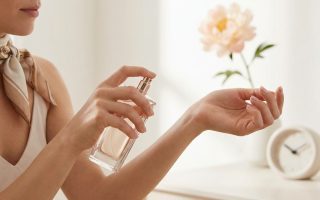
- Target warm areas. Spray wrists, neck, behind ears, and inner elbows. Body heat activates and projects scent.
- Don’t rub wrists together. This breaks down fragrance molecules and shortens wear time.
- Layer your scent. Use matching body wash, lotion, and perfume to build intensity and duration.
- Spray hair and clothing. Fabric holds fragrance longer than skin, though it may alter the scent slightly.
Some people spray perfume in the air and walk through the mist. This wastes product and delivers weak application. Direct spraying on skin works better.
For extra longevity, apply a thin layer of petroleum jelly to pulse points before spraying. The occlusive barrier traps fragrance molecules against your skin.
Learn more about strategic application in our guide on how to make your perfume last all day.
Common Mistakes That Kill Fragrance Longevity
Even great perfumes fail with poor handling.
| Mistake | Why It Hurts Longevity | Better Approach |
|---|---|---|
| Storing in bathroom | Heat and humidity break down fragrance oils | Keep in cool, dark drawer or closet |
| Leaving cap off | Allows evaporation and oxidation | Always replace cap immediately |
| Shaking bottle | Introduces air bubbles that degrade scent | Keep bottle still and upright |
| Applying to dry skin | Fragrance absorbs and fades faster | Moisturize before application |
| Using old perfume | Oils break down over time, losing strength | Replace after 3 to 5 years |
| Spraying from too far | Delivers weak, dispersed application | Spray 3 to 6 inches from skin |
Temperature fluctuations are particularly damaging. Never store perfume near windows or in your car. Light exposure causes chemical changes that weaken scent and shorten shelf life.
Budget Considerations for Long Lasting Options
You don’t need luxury prices for impressive longevity.
Many affordable perfumes use synthetic ingredients that actually last longer than natural ones. Look for eau de parfum concentrations in the drugstore. They cost more than eau de toilette but deliver better value per wear.
Middle-market brands often offer excellent longevity. They invest in quality base notes without the luxury markup. You’re paying for the juice, not the advertising campaign or fancy bottle.
Sample before committing. Many retailers offer discovery sets or small decants. Testing prevents expensive mistakes and helps you find hidden gems.
Consider cost per wear rather than bottle price. A $150 perfume that lasts 12 hours and requires one spray beats a $50 scent that fades in three hours and needs multiple applications.
“The best long lasting perfume isn’t always the most expensive one. It’s the formula that works with your unique skin chemistry and lifestyle needs. Test thoroughly, apply strategically, and store properly to get maximum value from every bottle.”
Building Your Rotation for Different Occasions
Different settings call for different staying power.
For work, choose moderate projection with 8+ hour longevity. You want presence without overwhelming colleagues in meetings or elevators. Woody, fresh, or soft oriental scents work well.
Evening events allow bolder choices. Rich orientals, intense gourmands, or smoky woods make statements and last through dinner and beyond.
Weekend wear can go either way. Casual settings suit lighter scents, but if you’re running errands all day, you still want longevity.
Build a small collection that covers these bases. Three to five well-chosen perfumes handle most situations better than a dozen mediocre ones.
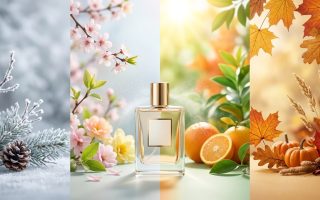
Rotate seasonally too. Heavy orientals shine in cold weather. Woody scents transition beautifully between seasons. Save fresh fragrances for summer, but choose intense versions for better performance.
Reading Labels and Descriptions Correctly
Marketing language can mislead.
“Long lasting” appears on many bottles but means different things. Look for specific concentration information. “Eau de parfum” or “parfum” indicates higher oil content than “eau de toilette” or “cologne.”
Ingredient lists matter. Spot base notes like amber, musk, vanilla, patchouli, or woods. These signal staying power. If the description focuses only on top notes like citrus or berries, expect shorter wear time.
“Intense,” “absolute,” “extrait,” or “elixir” versions typically offer boosted longevity. Brands release these flankers specifically for customers wanting more staying power.
Reviews provide real-world data. Search for mentions of longevity, projection, and sillage. Look for reviewers with similar skin types and climate conditions to yours.
Be skeptical of “24-hour wear” claims. While some perfumes last that long on clothing, true skin longevity of 8 to 12 hours is more realistic for even the best formulas.
Matching Longevity to Your Lifestyle Needs
Your daily routine determines what “long lasting” really means.
Office workers need 8 to 10 hours minimum. You apply before leaving home and want scent through the commute home. Moderate projection prevents overwhelming shared spaces.
Healthcare and food service professionals often can’t wear fragrance at work. For them, longevity matters more for off-duty hours. A 6-hour perfume works fine for evening plans.
People with active lifestyles need perfumes that survive sweat and movement. Look for sports-appropriate scents with tenacious synthetic molecules.
Those working from home might prioritize projection over longevity. A beautiful 6-hour scent works perfectly when you can reapply easily.
Parents of young children often prefer softer scents that still last. You want presence without overwhelming little noses during close contact.
Consider your access to touch-ups. If you carry your perfume everywhere, 6 hours suffices. If reapplication isn’t practical, demand 10+ hours.
Seasonal Strategies for Consistent Performance
Weather changes everything about fragrance performance.
Summer heat amplifies scent but speeds evaporation. Choose perfumes with strong base notes to compensate. Apply to clothing in addition to skin. The fabric holds scent even as skin oils break down faster in heat.
Winter cold mutes fragrance. You need stronger projection and application to multiple pulse points. The good news is that scent lasts longer in cool, dry air. Layer with matching body products for maximum impact.
Humidity affects longevity too. Moist air can either enhance or diminish scent depending on the formula. Test your favorites in different conditions to learn how they perform.
Spring and fall offer ideal conditions for most fragrances. Moderate temperatures let perfumes develop naturally without extremes affecting performance.
Adjust application amounts seasonally. One spray might suffice in summer while winter demands three or four.
Why Your Routine Matters as Much as Your Perfume
Fragrance doesn’t exist in isolation.
Your body care products affect how perfume performs. Heavily scented lotions, body washes, and deodorants compete with your perfume. They can clash, creating muddy scents, or overpower your chosen fragrance entirely.
Switch to unscented or lightly scented basics. This creates a clean canvas for your perfume. You’ll notice better projection and truer scent development.
Diet influences your skin chemistry. Spicy foods, alcohol, and certain medications can alter how fragrance smells on you and how long it lasts. This doesn’t mean changing your diet, just being aware that internal factors matter.
Your overall body care routine affects skin condition, which impacts fragrance longevity. Well-hydrated, healthy skin holds scent better. Consider this connection when building your body care routine.
Making Peace with Olfactory Fatigue
Your nose lies to you constantly.
Olfactory fatigue means you stop smelling scents you’re exposed to continuously. This adaptation happens within 15 to 20 minutes. Your perfume didn’t disappear. Your brain just stopped registering it.
This phenomenon causes people to overapply fragrance or think their perfume has poor longevity. Before declaring a scent weak, get a second opinion from someone who hasn’t been wearing it.
Take “smell breaks” if you’re testing perfumes. Step outside for fresh air between scents. Give your nose time to reset.
Accept that you won’t smell your own perfume as strongly as others do. This is normal and doesn’t mean you need to apply more. In fact, overcompensating for olfactory fatigue is a common cause of overpowering fragrance.
Trust the process. If you applied properly and chose a quality long lasting perfume, it’s working even when you can’t smell it.
Finding What Actually Works for You
Generic recommendations only go so far.
Your skin chemistry is unique. A perfume that lasts 12 hours on your friend might fade in 4 on you. The only way to know is testing on your own skin.
Keep notes on what works. Track brand, concentration, fragrance family, and actual wear time. Note environmental conditions too. Over time, you’ll spot patterns that guide future purchases.
Don’t dismiss a perfume after one test. Try it in different seasons and with different application techniques. Some scents need warmth to perform while others prefer cool weather.
Sample widely before committing to full bottles. Discover sets, subscription services, and decant communities let you test extensively without huge investment.
Be honest about your preferences. If you love fresh, light scents but they don’t last, decide whether you’d rather reapply frequently or train your nose to appreciate heavier fragrances. Neither choice is wrong.
When Longevity Isn’t Everything
Sometimes shorter wear time is actually better.
Powerful, long lasting perfumes can overwhelm in small spaces or during close interactions. A 6-hour scent might suit your needs better than a 12-hour powerhouse.
Variety matters too. If you love changing scents throughout the day, shorter longevity gives you that flexibility without fragrances competing.
Some occasions call for subtlety. Job interviews, medical appointments, or meeting fragrance-sensitive people require restraint. A beautiful but brief scent respects boundaries while still letting you enjoy fragrance.
Consider layering different longevity levels. Start with a long lasting base and add a shorter-wearing scent on top. As the top scent fades, your base keeps you covered.
Balance your collection. Own a few workhorses for busy days and some lighter options for when you want something different.
Your Scent Signature Starts Here
Finding long lasting perfumes that work for your life takes experimentation.
Start with one or two quality eau de parfums in fragrance families known for longevity. Test them thoroughly across different conditions. Learn how they perform and what techniques maximize their staying power.
Build slowly. Resist the urge to buy every recommended scent. Focus on what actually works on your skin and fits your lifestyle.
Store properly, apply strategically, and give each perfume a fair chance. Some reveal their staying power only after you’ve worn them several times.
Remember that the best long lasting perfume is the one you’ll actually wear. It needs to smell good on you, fit your budget, and match your daily routine. All the longevity in the world doesn’t matter if you hate the scent.
Take what you’ve learned here and start testing. Your perfect long lasting perfume is out there waiting. You just need to find it.