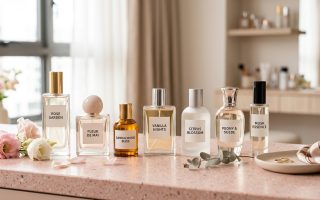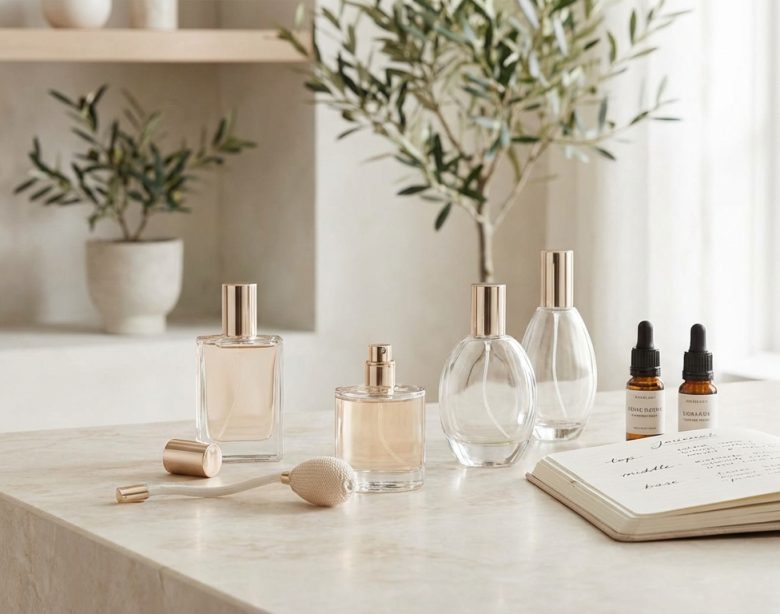
Layering perfume sounds like a dream until you accidentally combine jasmine with patchouli and end up smelling like a headache in a bottle. The idea of creating a signature scent that no one else wears is incredibly appealing, but the fear of mixing the wrong notes keeps most people from trying. The good news? Learning how to layer perfume is easier than you think, and once you understand the basics, you can experiment with confidence.
Layering perfume means combining multiple fragrances to create a unique scent. Start with a base note like vanilla or musk, add a middle note such as florals, then finish with a fresh top note like citrus. Apply from heaviest to lightest, test combinations on your skin first, and stick to two or three scents maximum to avoid overwhelming results.
Why bother layering fragrances in the first place
Wearing one perfume straight from the bottle is fine, but it means you smell exactly like everyone else who owns that same fragrance. Layering gives you control over your scent profile. You can adjust intensity, add complexity, and create something that feels entirely personal.
Layered scents also tend to last longer. When you build fragrance in stages, each layer interacts with your skin chemistry differently. The result is a more dynamic scent that evolves throughout the day instead of fading into a flat note by lunchtime.
Some people layer because they want to stretch expensive perfumes further. A few spritzes of a luxury fragrance combined with a more affordable body mist can give you that high-end effect without emptying your wallet every month.
Understanding fragrance notes before you start mixing
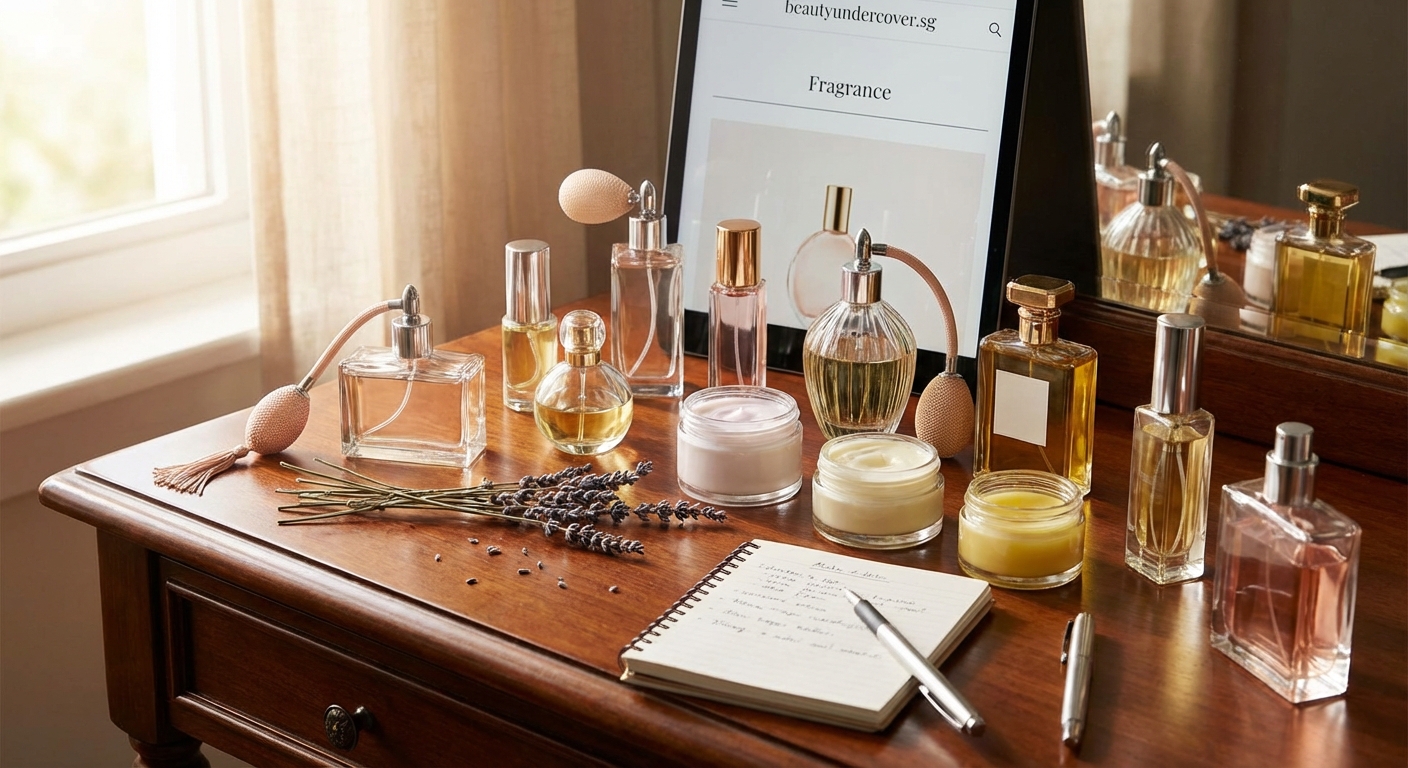
Every perfume is built from three types of notes: base, middle, and top. Base notes are the heaviest and longest-lasting. Think amber, sandalwood, musk, or vanilla. These anchor your scent and provide depth.
Middle notes, also called heart notes, appear after the top notes fade. Florals like rose, jasmine, and lavender fall into this category, along with spices like cinnamon and cardamom. They add character and warmth.
Top notes are what you smell immediately after spraying. Citrus, herbs, and light fruits are common top notes. They evaporate the fastest but create that first impression.
When you layer perfume, you’re essentially building your own fragrance pyramid. Start with a strong base, add a middle note for complexity, and finish with a bright top note for freshness.
Step-by-step process for layering perfume successfully
1. Choose your base fragrance
Pick a scent with a strong base note. Vanilla, musk, amber, and woody fragrances work well because they provide a solid foundation. Apply this first to your pulse points: wrists, neck, inner elbows, and behind your knees.
Let it sit for a minute. Your skin needs time to warm the fragrance and release its full character.
2. Add your middle layer
Select a fragrance with floral, spicy, or fruity middle notes. This should complement, not compete with, your base. For example, if you started with a warm vanilla base, a rose or peony middle note will blend beautifully.
Spray this second layer on the same pulse points, but use fewer spritzes than you did with the base. You want the middle note to enhance, not overpower.
3. Finish with a top note
Choose something light and fresh. Citrus scents like bergamot, lemon, or grapefruit work well, as do green notes like tea or cucumber. Apply this sparingly to your wrists and collarbone.
The top note will fade first, leaving the middle and base to carry your scent through the day. This creates a natural evolution that keeps your fragrance interesting.
4. Test before committing
Before you spray your entire body, test your combination on a small patch of skin. The inside of your wrist is ideal. Wait 15 minutes and smell it again. Fragrance changes as it settles, and what smells good initially might turn sour after it interacts with your body chemistry.
If the combination works, you’re good to go. If it doesn’t, adjust by removing one layer or swapping in a different note.
Pairing rules that actually work
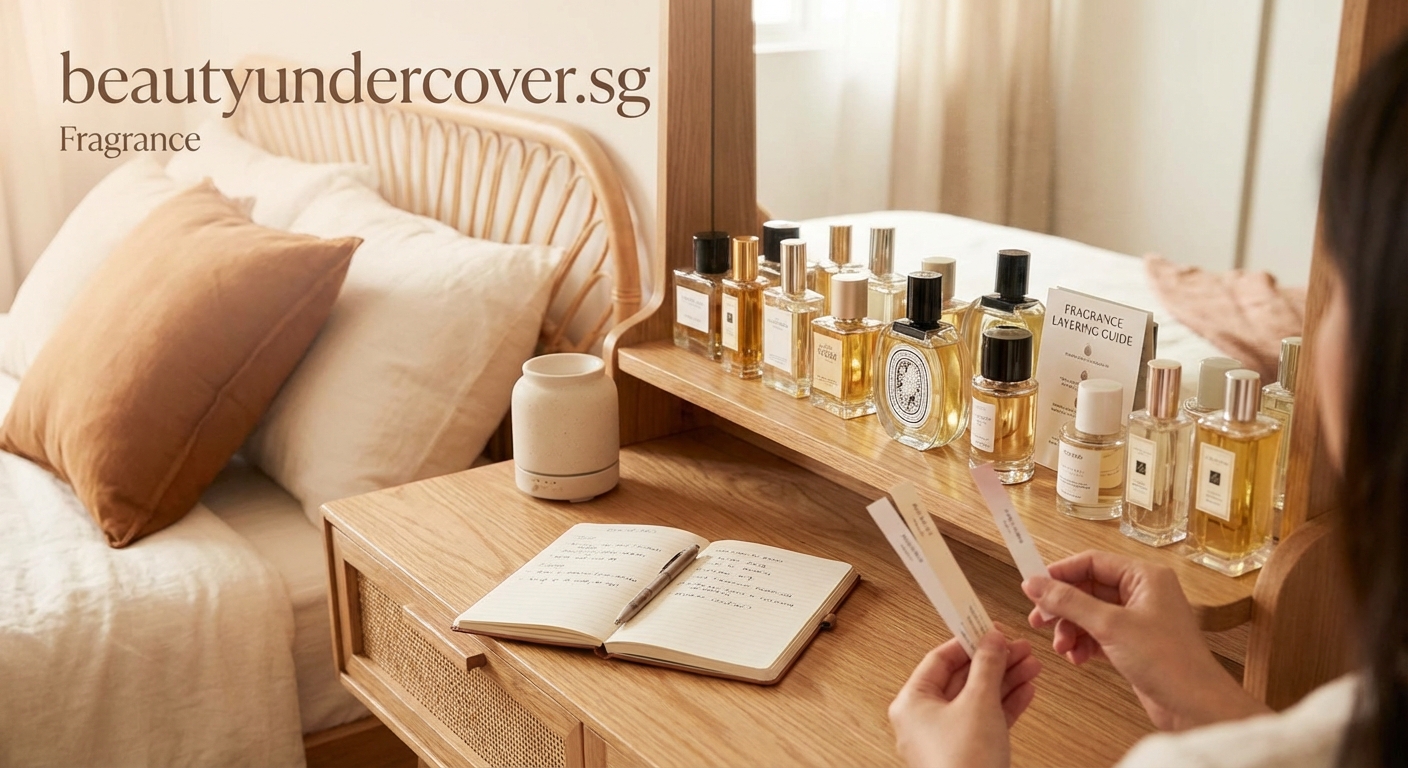
Not every fragrance plays nicely with others. Some combinations clash instantly, while others blend seamlessly. Here are the pairing rules that make layering easier.
Similar families blend smoothly. Florals layer well with other florals. Woody scents pair nicely with other earthy notes. If you’re new to layering, stick within the same fragrance family until you get comfortable.
Opposites can attract. Sweet and fresh create balance. A gourmand base like caramel or tonka bean pairs beautifully with a crisp citrus top note. The sweetness is tempered by the brightness, and neither overpowers the other.
Avoid doubling up on strong notes. Two heavy musks or two intense ouds will compete for dominance and create a muddy scent. Keep one layer bold and the others softer.
Consider intensity levels. If your base is a powerhouse fragrance, your middle and top layers should be lighter. Conversely, if you start with a subtle base, you can afford a more prominent middle note.
“The best layered scents feel intentional, not accidental. You should be able to identify each note without any single one dominating the entire composition.”
Common mistakes that ruin layered scents
Layering perfume is forgiving, but certain mistakes will sabotage your efforts. Avoid these pitfalls and you’ll have a much better experience.
Using too many scents at once. Three is the maximum. More than that and you’re creating chaos, not complexity. Your nose can’t distinguish individual notes when you pile on five different fragrances.
Ignoring your skin type. Dry skin absorbs fragrance faster, which means your scent will fade sooner. If you have dry skin, moisturize first with an unscented lotion or use a matching scented body lotion as your base layer. This helps the fragrance cling longer.
Spraying on clothes instead of skin. Fragrance needs body heat to develop properly. Clothes don’t provide that warmth, so the scent stays flat and one-dimensional. Always apply to skin first. If you want extra staying power, then lightly mist your clothes as a final step.
Skipping the test phase. What smells good in the bottle might smell terrible on your skin. Always test combinations before wearing them out. Fragrance interacts with your unique body chemistry, and there’s no way to predict the result without trying it first.
Layering perfumes with clashing undertones. A fragrance with heavy patchouli won’t blend well with something featuring sharp aldehydes. Pay attention to the full note breakdown, not just the main accords.
Practical combinations to try right now
If you’re ready to experiment but need a starting point, these combinations are beginner-friendly and reliably pleasant.
- Vanilla + lavender + bergamot: Warm, calming, and fresh. Perfect for daytime wear.
- Sandalwood + rose + lemon: Earthy, romantic, and bright. Works well for both casual and formal settings.
- Musk + jasmine + grapefruit: Sensual, floral, and zesty. Great for evening events.
- Amber + cinnamon + orange: Cozy, spicy, and uplifting. Ideal for cooler weather.
- Tonka bean + peony + green tea: Sweet, soft, and clean. A subtle everyday option.
These combinations follow the base-middle-top structure and use notes that naturally complement each other. Once you’ve tried a few, you’ll start to notice patterns in what works for your personal taste.
How to make your layered scent last all day
Layering isn’t just about creating a unique scent. It’s also about making that scent last. Here’s how to extend the life of your fragrance.
Moisturize before applying perfume. Hydrated skin holds fragrance better than dry skin. Use an unscented lotion or one that matches your base fragrance.
Apply to pulse points where your skin is warmest. Heat activates fragrance molecules and helps them diffuse into the air. Wrists, neck, and inner elbows are the most effective spots.
Layer scented body products underneath your perfume. If you’re using a vanilla-based fragrance, start with a vanilla body wash and lotion. This builds a stronger scent foundation that lasts longer.
Don’t rub your wrists together after applying perfume. This breaks down the fragrance molecules and makes the scent fade faster. Let it dry naturally.
Reapply strategically throughout the day. Carry a travel-size version of your top note and refresh it after lunch. This keeps your scent dynamic without overwhelming anyone around you.
If you want even more tips on making fragrance last, check out how to make your perfume last all day for additional techniques that work.
What to do when a combination doesn’t work
Sometimes you’ll mix two fragrances and immediately regret it. The blend smells off, or one note completely dominates the other. Don’t panic. Here’s how to fix it.
Wash it off if it’s truly unbearable. Use soap and warm water, then moisturize to restore your skin’s balance. You can try again with a different combination once your skin is clean.
Add a neutral layer to tone it down. A light body mist with minimal scent can dilute an overpowering combination without completely removing it.
Wait it out. Fragrance evolves as it dries. What smells harsh immediately after application might mellow into something pleasant after 20 minutes. Give it time before you scrub it off.
Take notes on what didn’t work. Keep a small notebook or use your phone to track combinations you’ve tried. Write down what you layered and how it turned out. This helps you avoid repeating mistakes and speeds up your learning process.
How body chemistry affects your layered scent
Your skin’s pH, diet, and even hormones influence how fragrance smells on you. Two people can wear the exact same layered combination and smell completely different.
Oily skin holds fragrance longer but can also intensify certain notes. If you have oily skin, you might find that musky or animalic notes become more pronounced.
Dry skin causes fragrance to fade faster. You’ll need to reapply more often or use richer, oil-based perfumes as your base.
Diet plays a role too. Spicy foods, garlic, and alcohol can alter your body’s natural scent, which in turn affects how perfume smells on you. If you notice your fragrance smells different after a big meal, that’s why.
Hormonal changes during your cycle, pregnancy, or menopause can shift your body chemistry. A combination that worked beautifully last month might smell off this month. Don’t be afraid to adjust your layers based on how your body is responding.
Tools and products that make layering easier
You don’t need a lot of fancy equipment to layer perfume, but a few tools can make the process smoother.
Fragrance samples and discovery sets let you test multiple scents without committing to full bottles. Many brands offer sample sets specifically designed for layering.
Unscented body lotion provides a neutral base that won’t interfere with your fragrance combination. Keep a bottle in your routine if you plan to layer regularly.
Scent blotters or testing strips allow you to test combinations before applying them to your skin. Spray each fragrance on a separate strip, then hold them together to get a sense of how they’ll blend.
Travel-size atomizers make it easy to carry your layered combination with you. Decant your favorite base, middle, and top notes into small spray bottles so you can reapply throughout the day.
A fragrance journal helps you track what works and what doesn’t. Note the date, the combination you tried, how long it lasted, and whether you’d wear it again. Over time, you’ll build a reference guide tailored to your preferences.
Seasonal layering strategies that work year-round
Your layered scent should shift with the seasons. What smells perfect in summer can feel cloying in winter, and vice versa.
Spring: Light florals with green or aquatic notes. Try jasmine with cucumber or peony with lemon. Keep it fresh and airy.
Summer: Citrus and tropical fruits shine in warm weather. Layer bergamot with coconut or grapefruit with mango. Avoid heavy bases that will feel suffocating in the heat.
Fall: Spices and woods create cozy, comforting scents. Cinnamon with amber or cardamom with sandalwood work beautifully as the weather cools.
Winter: Rich, warm bases with deeper middle notes. Vanilla with tonka bean and a hint of orange, or oud with rose and a touch of bergamot. These combinations feel luxurious and enveloping.
Adjust your layers as the temperature changes. You’ll find that certain combinations feel more appropriate at different times of year, and that’s completely normal.
Comparison table for layering techniques
| Technique | Best for | Pros | Cons |
|---|---|---|---|
| Base-middle-top layering | Beginners | Easy to follow, predictable results | Can feel formulaic |
| Same-family layering | Playing it safe | Low risk of clashing notes | Less complexity |
| Opposite-note pairing | Experienced layerers | Creates unique, balanced scents | Higher risk of mistakes |
| Body product layering | Longevity | Extends wear time significantly | Requires matching products |
| Single-note accent | Subtle enhancement | Adds dimension without overwhelming | Limited creativity |
Building confidence in your layering skills
The more you practice, the better you’ll get at identifying which notes work together. Start simple. Pick two fragrances and layer them. Wear the combination for a full day and pay attention to how it evolves.
Once you’re comfortable with two-scent layering, add a third. Experiment with different application methods. Try spraying one scent on your wrists and another on your neck. See how the distance between layers affects the overall scent.
Don’t be afraid to break the rules once you understand them. Some of the best layered scents come from unexpected combinations. If you think a gourmand base might work with a fresh aquatic top note, try it. You might discover something amazing.
Ask for feedback from people you trust. Sometimes we become nose-blind to our own scent, and an outside perspective can tell you whether your combination is working or needs adjustment.
Just like learning how to build a simple skincare routine, mastering fragrance layering takes practice and patience. Start with the basics and build from there.
When to layer and when to wear a single scent
Layering isn’t always necessary. Some fragrances are complex enough on their own and don’t need any help. If you own a perfume that already has multiple notes and good longevity, wearing it solo is perfectly fine.
Save layering for when you want something truly unique or when you need to extend the life of a fragrance that fades too fast. It’s also useful when you want to adjust a scent to fit a specific occasion. A perfume that feels too sweet on its own can be balanced with a citrus top note for daytime wear.
If you’re attending an event where you’ll be in close quarters with others, go lighter on the layers. Three full spritzes of three different fragrances will overwhelm everyone around you. One or two light layers are more appropriate in those settings.
Turning layering into a daily ritual
Once you get comfortable with layering, it becomes second nature. You’ll start to notice which combinations suit your mood, the weather, or the occasion without having to think too hard about it.
Keep your most-used fragrances in an easy-to-reach spot. If your layering routine takes too long or feels complicated, you’ll stop doing it. Streamline the process by organizing your perfumes by note type: bases in one section, middles in another, tops in a third.
Set aside a few minutes in the morning to apply your layers mindfully. This small ritual can become a grounding part of your routine, similar to building a morning skincare routine that sets the tone for your day.
Rotate your combinations regularly. Wearing the same layered scent every day can make you nose-blind to it. Switch things up every few weeks to keep your fragrance wardrobe feeling fresh.
Your scent, your rules
Layering perfume isn’t about following a rigid formula. It’s about understanding the basics well enough to break the rules confidently. Start with simple combinations, test everything on your skin, and pay attention to how different notes interact with your body chemistry.
The best part? No one else will smell exactly like you. Your layered scent becomes a signature that’s entirely your own, and that’s worth the experimentation. Grab a few of your favorite perfumes, start mixing, and see what you create.