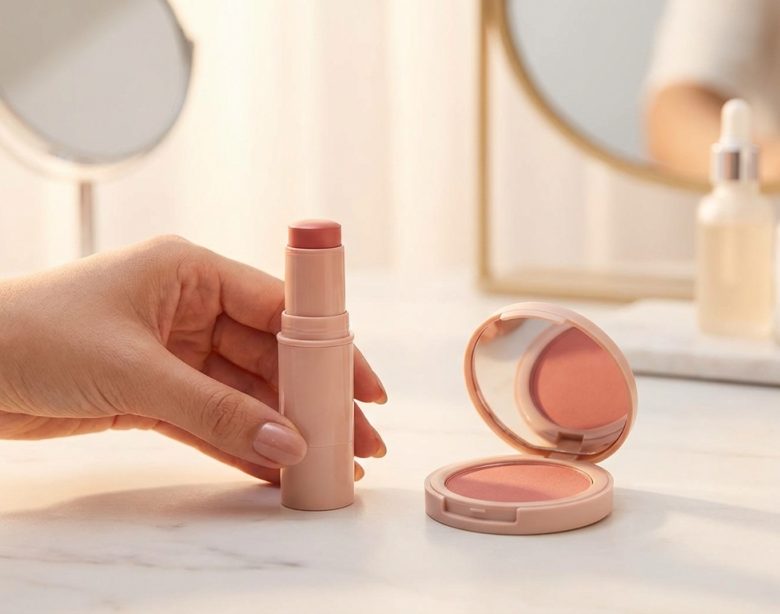
Standing in front of your makeup bag, staring at two blush options, you’ve probably wondered which one actually works better for your face. The cream formula promises a dewy glow, while the powder version claims all-day staying power. Both look gorgeous in the pan, but picking the wrong one can mean patchy application, faded color by lunch, or makeup that just wonps’t blend the way you want it to.
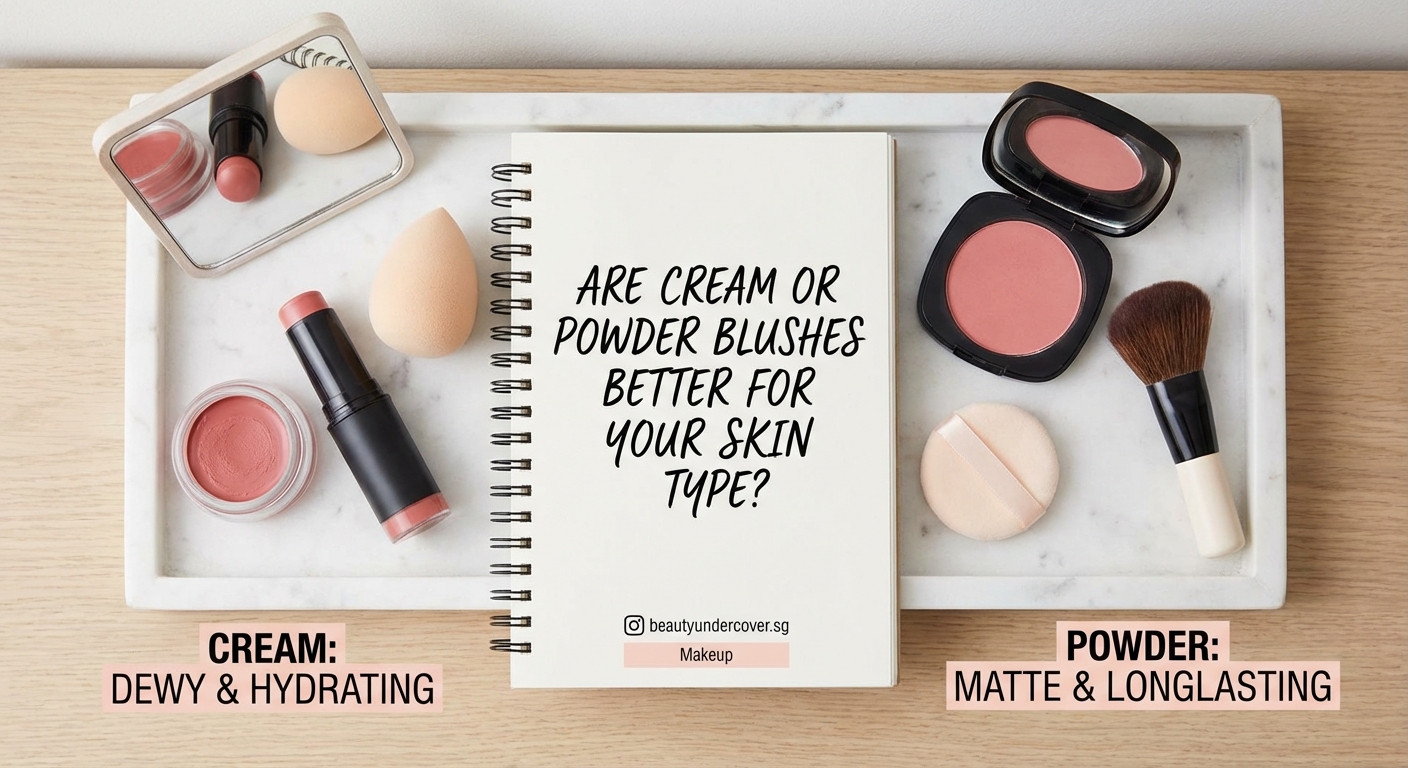
Cream blush works beautifully on dry or mature skin, offering buildable color and a natural, dewy finish that blends seamlessly into bare skin or lightweight base makeup. Powder blush suits oily or combination skin types better, providing long-lasting color with a matte or satin finish that layers well over foundation. Your skin’s moisture level, your preferred makeup finish, and your daily routine all determine which formula delivers the most flattering, longest-lasting results.
Understanding the texture differences
Cream blush contains emollients and oils that give it a soft, balmy consistency. You can apply it with your fingers, a damp sponge, or a synthetic brush. The formula melts into skin, creating a flush that looks like it’s coming from within rather than sitting on top.
Powder blush is finely milled pigment pressed or loose in a compact. It requires a fluffy brush for application and sits on the skin’s surface. The dry texture absorbs oils and creates a more defined color payoff that photographs well and resists fading.
The physical difference matters because your skin’s natural oil production interacts with each formula differently. Cream formulas need some moisture to blend smoothly. Powder formulas need a relatively matte surface to adhere properly.
How your skin type changes everything
Dry skin craves the hydration boost that cream blush provides. The emollient base prevents the chalky, patchy look that powder can create on flaky areas. If you notice your foundation clinging to dry patches, cream blush will blend right over those spots without emphasizing texture.
Oily skin benefits from powder’s oil-absorbing properties. The formula helps set your base makeup while adding color. Throughout the day, powder blush resists breaking down as your skin produces sebum. Cream formulas can slide around or fade faster on oily complexions, especially in humid weather.
Combination skin can handle both, but placement matters. You might use cream blush on drier cheek areas and powder on your T-zone. Many people with combination skin prefer powder overall because it offers more control and doesn’t migrate into pores.
Mature skin often looks more radiant with cream formulas. Powder can settle into fine lines, while cream blush’s dewy finish plumps the appearance of skin. The light-reflecting particles in many cream blushes also help soften the look of texture.
“Cream blush gives you that lit-from-within glow that makes skin look healthier and more youthful. Powder blush gives you precision and staying power. Neither is better, they just serve different purposes.” – Makeup artist Lisa Eldridge
Applying cream blush the right way
Getting cream blush to look natural requires the right technique. Here’s how to apply it for the most flattering results.
- Start with moisturized skin or a lightweight base like tinted moisturizer or foundation.
- Dot a small amount of cream blush onto the apples of your cheeks using your finger or the product applicator.
- Blend immediately using gentle tapping motions with your fingertips, a damp beauty sponge, or a dense synthetic brush.
- Work in thin layers, building color gradually rather than applying too much at once.
- Set with a light dusting of translucent powder only if you have oily skin or need extended wear time.
The key with cream formulas is speed. They dry down and become harder to blend after 30 seconds, so work on one cheek at a time. If you’re working with how to create a flawless no-makeup makeup look in 5 easy steps, cream blush creates that believable flush better than powder.
Applying powder blush for lasting color
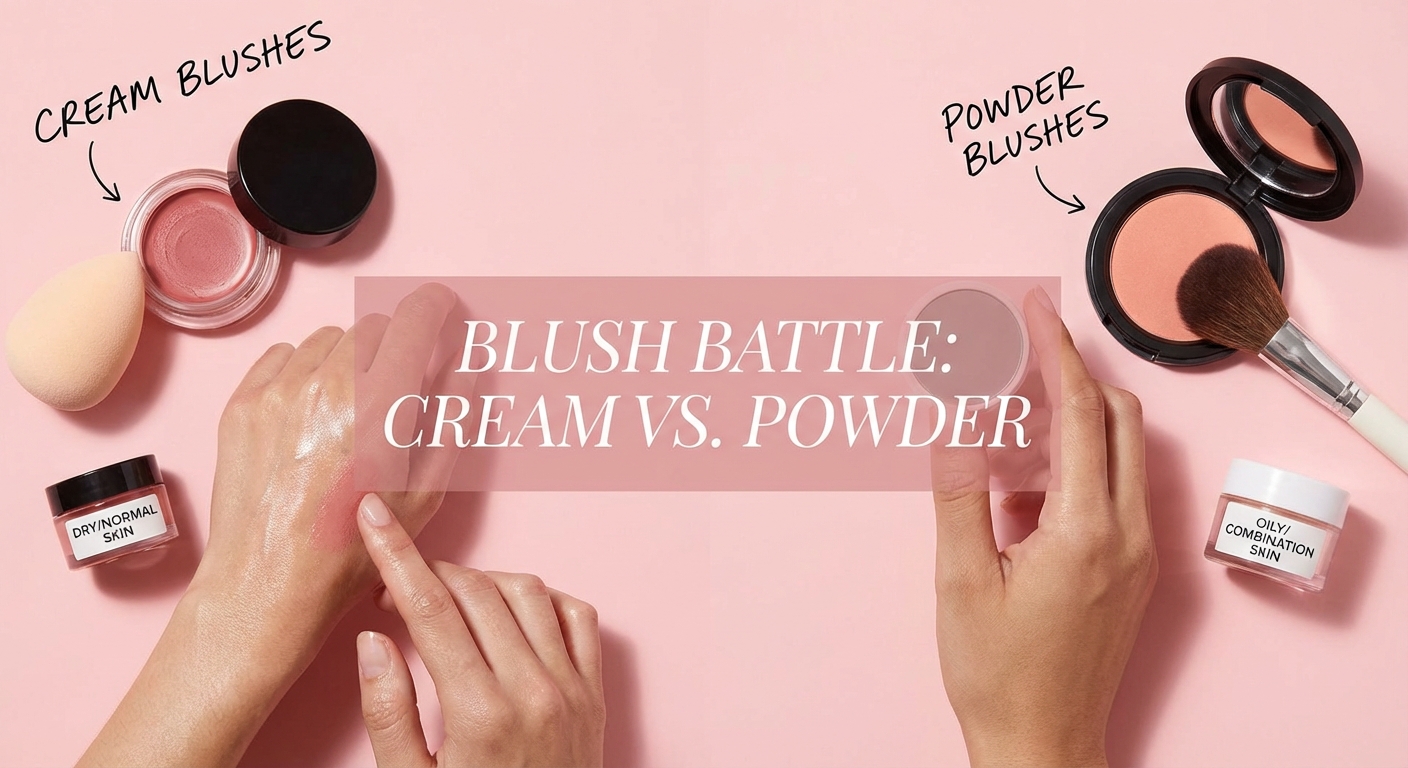
Powder application requires a different approach to avoid harsh lines or uneven color.
- Use a fluffy, dome-shaped blush brush with natural or synthetic bristles.
- Tap the brush into the powder, then tap off excess product on the back of your hand.
- Apply to the apples of your cheeks using circular buffing motions or sweeping strokes toward your temples.
- Build color slowly with multiple light layers rather than one heavy application.
- Blend the edges using a clean fluffy brush to soften any visible lines.
Powder blush works best over a set base. If you wear foundation, apply powder blush after setting powder. If you skip foundation, powder blush still adheres well to bare skin but may need touch-ups throughout the day.
Comparing formulas side by side
| Feature | Cream Blush | Powder Blush |
|---|---|---|
| Best for skin type | Dry, normal, mature | Oily, combination, normal |
| Finish | Dewy, natural, glowy | Matte, satin, or shimmer |
| Longevity | 4-6 hours without setting | 8-12 hours on most skin types |
| Application tools | Fingers, sponge, synthetic brush | Fluffy powder brush |
| Blending difficulty | Easy if worked fast | Moderate, requires blending |
| Layering capability | Works over bare skin or light base | Works best over powder products |
| Portability | Can melt in heat, may need careful storage | Travel-friendly, won’t spill or melt |
| Learning curve | Beginner-friendly | Requires practice for even application |
When cream blush works better
Certain situations call specifically for cream formulas. Fresh-faced weekend looks benefit from cream’s natural appearance. When you’re wearing minimal makeup or just concealer and mascara, cream blush blends seamlessly without looking like obvious makeup.
Photoshoots and special events where you want glowing skin favor cream formulas. The light-reflecting properties photograph beautifully, and the dewy finish looks healthy and dimensional in pictures.
Colder months when skin tends toward dryness make cream blush more comfortable to wear. The formula won’t emphasize flakes or dry patches that appear during winter.
Mature skin types almost always look better with cream. The formula doesn’t settle into lines, and the hydrating base keeps skin looking plump and youthful.
When powder blush is the better choice
Long days requiring 10-plus hours of wear demand powder’s staying power. If you’re heading to work at 7 a.m. and won’t be home until evening, powder blush maintains its color far longer than cream.
Full makeup looks with heavy foundation, contour, and highlight work better with powder blush. The formula layers seamlessly over other powder products and won’t disturb your base makeup during application.
Hot, humid climates challenge cream formulas. Powder blush resists melting, sliding, or fading when temperatures rise and humidity increases.
Oily skin that breaks down makeup by midday needs powder’s oil-controlling benefits. The formula actually improves as your skin produces oil, rather than breaking down.
Precise color placement matters more with editorial looks or dramatic makeup. Powder gives you crisp edges and controlled application that cream can’t match.
Common mistakes that ruin your blush
Applying cream blush over powder products creates a patchy, uneven mess. The cream can’t blend properly into powder, so it sits on top in splotches. Always apply cream blush before powder products.
Using too much product at once is the fastest way to look clownish. Both formulas build better in thin layers. Start with barely any product and add more as needed.
Skipping primer on oily skin shortens wear time for both formulas. A mattifying primer creates the ideal base for powder blush, while a hydrating primer helps cream blush blend smoothly on dry skin.
Wrong brush choices affect application quality. Stiff, dense brushes create harsh lines with powder blush. Natural hair brushes can absorb too much cream product before it reaches your skin.
Applying blush to the wrong area of your face changes your whole look. The apples of your cheeks work for youthful, lifted placement. Applying too low drags your face down visually.
Mixing both formulas strategically
You don’t have to choose just one. Many makeup artists layer cream and powder blush for dimension and longevity. Apply cream blush first for a natural flush, then dust powder blush over the same area in a similar shade. The cream provides the base glow while the powder extends wear time.
Another technique uses cream blush on the apples of your cheeks and powder blush swept along your cheekbones. This creates depth and makes the blush look more three-dimensional.
For maximum staying power, apply cream blush, set it with translucent powder, then apply powder blush over the top. This sandwich method locks color in place for 12-plus hours.
Shopping for your first blush
- Look for cream blushes in stick, pot, or tube format depending on your preference for portability and application method
- Choose powder blushes that are finely milled without visible chunks or glitter particles
- Test blush shades on your cheeks rather than your hand, since hand swatches don’t show how the color translates to your face
- Consider multipurpose cream blushes that also work on lips for streamlined makeup bags
- Read ingredient lists if you have sensitive skin, avoiding potential irritants like fragrance or certain dyes
- Start with neutral, wearable shades like soft pink, warm peach, or rosy mauve before experimenting with bold colors
If you’re just starting with makeup, how to build a simple 3-step skincare routine for absolute beginners creates the perfect base for any blush formula to perform its best.
Troubleshooting common blush problems
Blush that disappears within an hour usually means you’re not using enough product or you need to switch formulas. Oily skin needs powder, and the color needs to be built up in layers for it to last.
Patchy application happens when you apply cream blush over powder products or use powder blush on extremely dry skin. Match your formula to your base products and skin condition.
Harsh lines that won’t blend indicate you used too much product at once or you’re using the wrong tools. Blend with a clean brush or sponge, and always start with less product than you think you need.
Color that looks muddy or dirty means you’re layering incompatible shades or applying blush over the wrong base. Stick to one color family and ensure your base makeup is set before adding blush.
Blush that emphasizes texture requires a formula switch. Powder settles into pores and lines on dry or mature skin. Switch to cream for a smoother appearance.
Building your ideal blush collection
You don’t need dozens of blushes, but having options helps. A small, strategic collection might include:
One everyday cream blush in a shade that mimics your natural flush. This works for minimal makeup days and creates an effortless look.
One neutral powder blush for full makeup looks and long wear days. Choose a shade that complements your skin tone without looking too pink, orange, or brown.
One statement shade in either formula for nights out or creative looks. This could be a bright coral, deep berry, or warm terracotta depending on your coloring.
Having both a cream and powder option in similar shades gives you flexibility based on your skin’s needs each day, weather conditions, and the look you’re creating.
Adjusting for seasons and skin changes
Your skin changes throughout the year, and your blush choice should adapt. Winter dryness often means switching from powder to cream or adding a hydrating primer before powder application.
Summer heat and humidity favor powder formulas even on normally dry skin. The oil-controlling properties prevent your blush from sliding off your face.
Hormonal changes, new skincare products, or different climates all affect how your skin behaves. Pay attention to whether your makeup lasts as long as it used to or if your skin feels different. Adjust your blush formula accordingly.
If you’ve recently changed your base makeup from powder foundation to tinted moisturizer, cream blush will blend better. If you switched from dewy foundation to matte, powder blush will layer more seamlessly.
Professional tips for flawless application
Warm cream blush on the back of your hand before applying it to your face. This softens the formula and makes it blend more easily, especially if you store your makeup in a cool room.
Use a light hand with both formulas. You can always add more color, but removing excess is much harder and often disturbs your base makeup.
Apply blush with good lighting, preferably natural daylight. Bathroom lighting can make blush appear more subtle than it actually is, leading to overapplication.
Check your blush from multiple angles, not just straight-on in the mirror. Step back and look at your full face to ensure the placement and intensity look balanced.
Blend blush slightly higher than you think you should. As the day goes on and you look at your face from different angles, higher placement looks more lifted and youthful.
Finding your perfect flush
Choosing between cream or powder blush isn’t about one being universally better. Your skin type, preferred finish, daily routine, and the look you want to create all factor into which formula serves you best. Dry skin thrives with cream’s hydrating properties, while oily skin benefits from powder’s staying power and oil control.
Test both formulas on your own skin. Notice how each blends, how long it lasts, and how it makes your skin look throughout the day. Your personal experience matters more than any general rule. Most people end up loving both formulas for different purposes, reaching for cream on casual days and powder when they need makeup that lasts from morning meetings through evening plans.