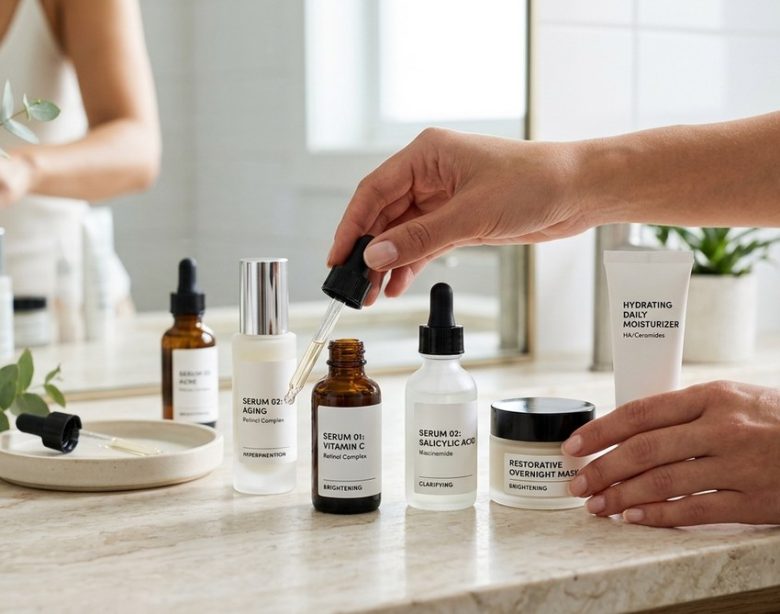
Skincare issues can feel overwhelming. You might be frustrated by stubborn pimples, dullness, dark spots, or fine lines. The good news is that understanding your skin concerns helps you choose the right targeted products. With a clear routine and the right ingredients, you can improve your skin’s health and appearance. This guide walks you through common skin concerns and how to address them confidently.
Identifying your specific skin concerns allows you to select targeted treatments that deliver visible results. Using the right ingredients, consistent routines, and professional advice can transform your skin over time.
Understanding Your Common Skin Concerns
Every skin concern has root causes and effective treatments. Recognizing your issues is the first step toward healthier skin. Whether it’s acne, hyperpigmentation, dryness, or signs of aging, there are targeted products designed to help.
How To Tackle Skin Concerns Effectively
Addressing skin issues involves a practical approach. Here’s a simple process to start with:
- Identify your main concern. Observe your skin for persistent issues like breakouts, dark spots, or dryness.
- Learn about ingredients that target your specific concern. For example, salicylic acid for acne or vitamin C for dark spots.
- Build a routine that incorporates these targeted treatments, applying them consistently and correctly.
Key ingredients for common concerns include:
- Acne: salicylic acid, benzoyl peroxide, niacinamide
- Hyperpigmentation: vitamin C, alpha arbutin, tranexamic acid
- Dryness: hyaluronic acid, glycerin, ceramides
- Aging signs: retinol, peptides, antioxidants
Managing Acne and Blemishes
Acne remains one of the most common skin concerns. It can be caused by excess oil, bacteria, hormonal fluctuations, or even stress. Targeted treatments can clear pimples and prevent new breakouts.
How to treat acne effectively:
- Cleanse twice daily with a gentle cleanser to remove excess oil and dirt.
- Apply topical actives like salicylic acid or benzoyl peroxide on affected areas.
- Use non-comedogenic moisturizers to keep skin hydrated without clogging pores.
Practical process:
- Select a cleanser suited for oily or acne-prone skin.
- Incorporate a serum with salicylic acid into your routine.
- Finish with a lightweight, oil-free moisturizer.
Common mistakes and techniques
| Technique | Mistake |
|---|---|
| Applying too much product | Causing irritation and dryness |
| Using multiple actives simultaneously | Increasing risk of over-drying or irritation |
| Not patch testing new products | Risking flare-ups |
“Consistency is key when treating acne. Use your targeted products regularly and give them time to work.” — Dermatologists recommend patience as some treatments may take weeks to show results.
Hyperpigmentation and Dark Spots
Hyperpigmentation results from excess melanin production due to sun exposure, inflammation, or hormonal changes. Targeted ingredients can brighten dark patches and even skin tone.
Effective treatments include:
- Vitamin C serums for brightening
- Alpha arbutin to inhibit melanin production
- Tranexamic acid for stubborn dark spots
How to address hyperpigmentation:
- Always wear broad-spectrum sunscreen daily.
- Use a serum with vitamin C in the morning to brighten skin.
- Apply a treatment with alpha arbutin at night for ongoing lightening.
Techniques and mistakes
| Technique | Mistake |
|---|---|
| Layering multiple brightening agents | Causing irritation or redness |
| Skipping sunscreen | Allowing dark spots to worsen |
| Using harsh scrubs | Damaging skin and worsening hyperpigmentation |
“Patience and consistent use of targeted ingredients like vitamin C and alpha arbutin can significantly fade dark spots over time.” — Experts suggest combining ingredients carefully to avoid irritation.
Dealing With Dryness and Sensitive Skin
Dry, flaky skin can result from cold weather, dehydration, or over-cleansing. Sensitive skin types require gentle, hydrating treatments.
Tips for dry or sensitive skin:
- Use hydrating ingredients like hyaluronic acid and glycerin.
- Avoid harsh alcohol-based toners or abrasive scrubs.
- Incorporate ceramides to strengthen your skin barrier.
Routine steps:
- Cleanse with a gentle, hydrating cleanser.
- Apply a hyaluronic acid serum while skin is damp.
- Seal in moisture with a rich moisturizer containing ceramides.
Common pitfalls:
| Technique | Mistake |
|---|---|
| Over-exfoliating | Damaging the skin barrier |
| Using fragranced products | Causing irritation |
| Skipping moisturizer | Leading to increased dryness |
“Hydration is the foundation of healthy skin. Focus on nourishing your skin with ingredients that restore moisture and protect your barrier.” — Dermatologists emphasize gentle skincare for sensitive, dry skin.
Signs of Aging and How To Reduce Them
Aging skin shows fine lines, wrinkles, and loss of firmness. Targeted treatments can support collagen production and improve skin elasticity.
Key ingredients:
- Retinol for cell turnover
- Peptides for skin firmness
- Antioxidants like vitamin C to protect from environmental damage
How to incorporate anti-aging treatments:
- Use a retinol product at night, starting with low concentrations.
- Apply a peptide serum to boost collagen.
- Protect with SPF daily to prevent further aging signs.
Mistakes to avoid:
| Technique | Mistake |
|---|---|
| Using retinol without moisturizer | Causing irritation |
| Skipping sunscreen | Accelerating aging signs |
| Overusing active ingredients | Leading to sensitivity |
“The best results come from consistent use of targeted anti-aging ingredients combined with sun protection.” — Experts recommend patience and gradual introduction of actives.
The Power of Consistency and Knowledge
Choosing the right targeted products is only part of the journey. Consistency and understanding your skin’s unique needs are essential. Track your progress and adjust your routine as your skin responds.
Final tips:
- Introduce new products gradually.
- Patch test before full application.
- Be patient and persistent.
Your Personal Skin Journey Starts Now
Addressing common skin concerns does not require complex routines or harsh treatments. By identifying your main issues and selecting targeted products with proven ingredients, you can see real improvements. Remember, every person’s skin is different. What works for one may not work for another. Pay attention to how your skin reacts and adapt your routine accordingly.
Taking small, consistent steps will help you build confidence in your skincare choices. A well-informed approach ensures you’re using effective treatments safely and comfortably. With patience and care, your skin can become healthier, brighter, and more resilient.
Keep Moving Forward with Confidence
Your skin is a reflection of your overall health and habits. When you understand your concerns and choose targeted treatments wisely, you unlock the potential for lasting change. Make skincare a daily act of self-care, and don’t hesitate to seek advice from professionals if needed. Your journey to better skin is a marathon, not a sprint. Keep learning, stay consistent, and celebrate your progress along the way.