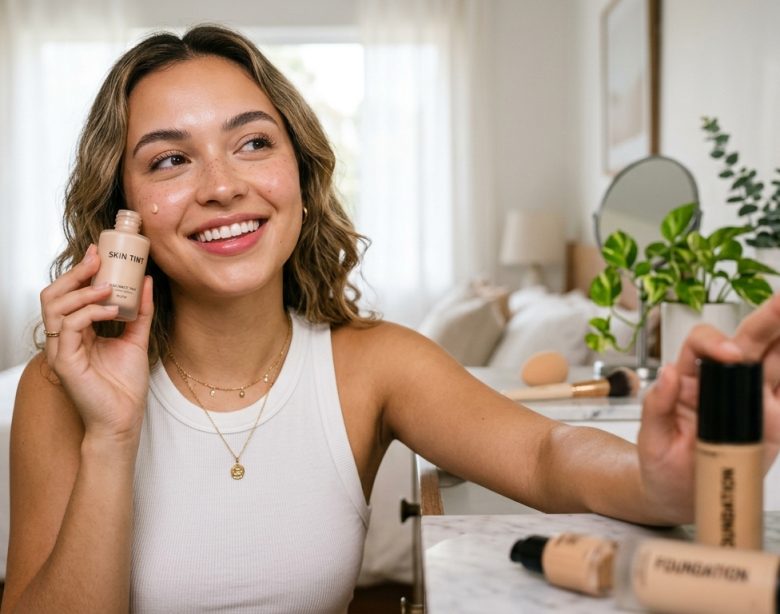
Full-coverage foundation used to be the gold standard for flawless skin. But walk into any beauty store today and you’ll notice something different. The shelves are packed with skin tints, tinted moisturizers, and sheer complexion products. Gen Z is leading this charge away from heavy makeup, and the beauty industry is scrambling to keep up.
Gen Z prefers skin tints over traditional foundation because they prioritize skincare, value authenticity, and want makeup that looks like real skin. Skin tints offer sheer coverage, lightweight feel, and skin-loving ingredients. They work best for those with good skin or minor concerns, but may not suit everyone. The shift reflects broader changes in beauty standards toward natural, skin-first approaches rather than heavy coverage.
The foundation market is shrinking while skin tints explode
Sales data tells a clear story. Foundation sales dropped 15% between 2019 and 2023, while skin tint and tinted moisturizer sales jumped 42% in the same period. This isn’t a small blip. It’s a fundamental change in how younger consumers approach base makeup.
Gen Z grew up watching YouTube beauty gurus apply full-glam makeup. But their own habits look nothing like those tutorials. They’re buying lighter products, using less of them, and focusing more on skincare than coverage.
The pandemic accelerated this trend. When masks covered half your face for two years, heavy foundation stopped making sense. People got used to seeing their real skin. They started caring more about improving it than covering it up.
Why skin tints appeal to Gen Z beauty values
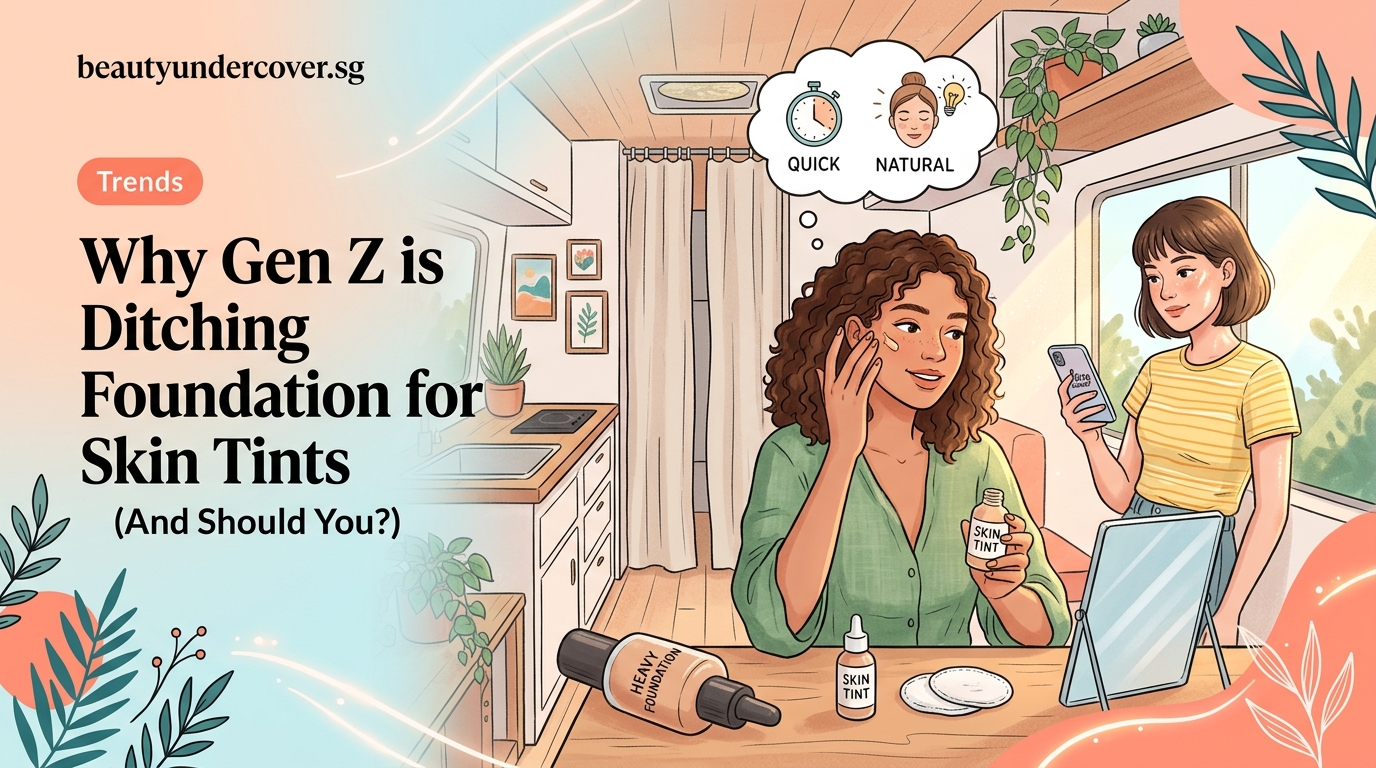
Gen Z approaches beauty differently than previous generations. They value transparency, sustainability, and authenticity. Skin tints check all these boxes in ways traditional foundation doesn’t.
Skincare comes first
Most skin tints contain actual skincare ingredients. Hyaluronic acid, niacinamide, vitamin C, and SPF show up in ingredient lists. Foundation formulas focus on coverage and wear time. Skin tints promise to improve your skin while evening out your tone.
This matches how Gen Z shops. They read ingredient lists. They research actives. They want products that multitask. A skin tint that hydrates, protects, and evens tone beats a foundation that just covers.
Many younger consumers follow how to build a simple 3-step skincare routine for absolute beginners approaches that emphasize skin health over coverage. Adding a skin tint fits naturally into this philosophy.
Real skin looks better than perfect skin
Instagram face is out. Texture is in. Gen Z grew up with filtered selfies, but they’re rejecting that aesthetic. They want to see pores, freckles, and natural variation.
Skin tints let your real skin show through. They even out redness and discoloration without erasing everything that makes your face yours. Foundation creates a uniform surface. Skin tints enhance what’s already there.
This connects to broader body positivity movements. If you’re celebrating natural bodies, natural faces follow. Heavy makeup starts to feel like you’re hiding instead of enhancing.
Less product waste and simpler routines
Foundation requires primers, setting powders, and specific application tools. Skin tints need your fingers and 30 seconds. Gen Z values efficiency and sustainability. Complicated routines with multiple products create waste and take time most people don’t have.
The average Gen Z consumer owns fewer makeup products than millennials did at the same age. They’re not collecting full vanities. They want a few products that work well and serve multiple purposes.
What skin tints actually do differently than foundation
The formulation differences matter. These aren’t just watered-down foundations. They’re built differently from the ground up.
| Feature | Foundation | Skin Tint |
|---|---|---|
| Coverage | Medium to full | Sheer to light |
| Finish | Matte, satin, or dewy | Natural, skin-like |
| Wear time | 8-12 hours | 4-6 hours |
| Skincare ingredients | Minimal | Often included |
| Application method | Brush, sponge, or fingers | Usually just fingers |
| Shade range | 20-50 shades typical | 10-20 shades typical |
Coverage levels and what they hide
Skin tints even out your overall tone. They’ll soften redness, blur minor discoloration, and create a more uniform base. They won’t cover acne, dark spots, or significant hyperpigmentation without additional concealer.
Foundation builds coverage. You can apply it lightly for medium coverage or layer it for full coverage. Skin tints don’t build the same way. Adding more just makes you look shiny or streaky.
This works fine if your skin is in decent shape. If you’re dealing with active breakouts or significant concerns, you’ll need more coverage than most skin tints provide. Understanding why your skin purges when you start new products and what to do about it helps you determine whether your skin is ready for minimal coverage products.
Texture and how it feels on skin
Skin tints feel like moisturizer with a hint of color. They’re thin, spreadable, and lightweight. You forget you’re wearing them after five minutes.
Foundation has more body. You can feel it sitting on your skin. Some people like this. It makes them feel put-together and polished. Others find it uncomfortable or heavy.
The texture difference affects how products wear throughout the day. Foundation can crack, separate, or look cakey if your skin gets oily or dry. Skin tints just fade. They don’t really break down in obvious ways because there isn’t enough product to break down.
Ingredient profiles and skin benefits
Check the back of a skin tint bottle. You’ll often see ingredients you’d find in serums or moisturizers. Peptides for firmness. Ceramides for barrier support. Antioxidants for protection.
Foundation ingredients focus on pigments, binding agents, and preservatives. The goal is color payoff and longevity. Skin benefits aren’t the priority.
This doesn’t mean foundation damages your skin. But it doesn’t actively improve it either. Skin tints position themselves as skincare-makeup hybrids. Whether they deliver significant skincare benefits is debatable, but the approach appeals to consumers who want every product to earn its place in their routine.
How to know if you should make the switch
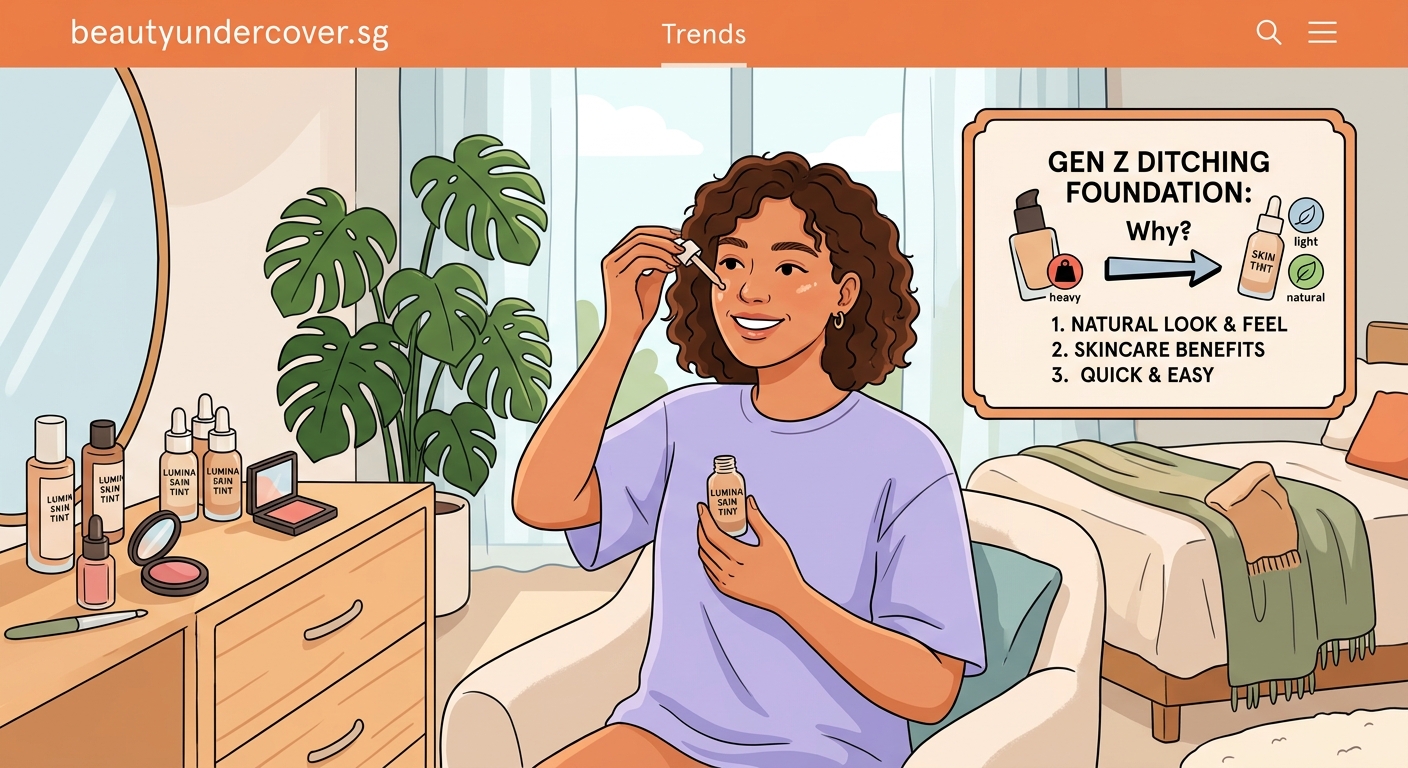
Not everyone should ditch foundation. Skin tints work brilliantly for some people and terribly for others. Here’s how to figure out which camp you’re in.
Your skin determines if this works
Skin tints favor people with:
– Generally clear skin with minor concerns
– Even texture without significant scarring
– Mild redness or discoloration
– Good skincare routines already in place
– Comfort with their natural skin showing through
They struggle for people with:
– Active acne or frequent breakouts
– Significant hyperpigmentation or dark spots
– Uneven texture from scarring
– Rosacea or severe redness
– Preference for full coverage looks
Be honest about your skin and what you’re comfortable showing. There’s no moral high ground here. If you feel better with full coverage, wear full coverage. The goal is feeling confident, not following trends.
Testing the waters without committing
Try this experiment before buying anything:
- Apply your current foundation with a damp beauty sponge using very light pressure and minimal product
- Blend it out more than you normally would until coverage is sheer
- Wear this for a full day and notice how you feel
If you constantly want to add more coverage, skin tints probably aren’t for you. If you like how your skin looks and feels, you’re a good candidate.
You can also try mixing your foundation with moisturizer. Use one part foundation to two parts moisturizer. This creates a DIY skin tint that shows you what sheer coverage looks like with your actual skin.
Building a routine around lighter coverage
Switching to skin tints changes your whole makeup approach. You’ll need to adjust other products too.
Concealer becomes more important. You’ll use it for spots, under eyes, and any areas needing extra coverage. Choose a concealer that matches your skin tone exactly, not one shade lighter like you might with foundation.
Skincare matters more. When your skin shows through, its condition affects how good your makeup looks. Invest time in the best hydrating serums for dry skin under 30 if dryness is your concern. Address your skin issues directly instead of covering them.
Your application technique shifts too. Skin tints work best applied with clean fingers, warmed up between your palms, and pressed into skin rather than rubbed. This gives the most natural finish.
The best skin tints for different needs and budgets
The market is flooded with options. Here’s what actually works for different situations.
For dry skin
Look for skin tints with hyaluronic acid, glycerin, or squalane high in the ingredient list. These add moisture while evening tone. Avoid anything labeled “matte” or “oil-free.”
Apply these over a good moisturizer. Let your moisturizer sink in for two minutes before adding the tint. This prevents pilling and gives the most natural finish.
Reapply moisturizer throughout the day if needed. Skin tints won’t stop your skin from getting dry. They just add a hint of coverage to your existing skincare routine.
For oily skin
Oil-free or “skin-balancing” formulas work best. Some contain niacinamide or salicylic acid to help control oil production. These still feel lightweight but won’t slide off by noon.
Set these with a light dusting of translucent powder on your T-zone only. Don’t powder your whole face or you’ll lose the natural finish that makes skin tints appealing.
Blotting papers become your friend. Keep them in your bag for touch-ups. They remove excess oil without disturbing your makeup.
For combination skin
You need something that works for both dry and oily areas. Medium-weight formulas with a natural finish handle this best. Avoid anything too dewy or too matte.
Apply less product to oily zones and more to dry areas. You don’t need to use the same amount everywhere. Your forehead might need barely any while your cheeks need more.
Consider using different products on different areas if one skin tint doesn’t cut it. There’s no rule saying your whole face needs the same product.
Budget-friendly options that actually work
You don’t need to spend $40 on a skin tint. Several drugstore options perform just as well as prestige versions.
Look for products labeled as “tinted moisturizer,” “BB cream,” or “CC cream” if your drugstore doesn’t carry items specifically called skin tints. The formulas are often identical.
Test these in natural light if possible. Drugstore return policies vary, but many now allow returns on opened makeup. Keep your receipt and test products immediately so you can return anything that doesn’t work.
Common mistakes people make when switching
Even simple products come with a learning curve. Avoid these pitfalls and you’ll have better results.
“The biggest mistake I see is people applying skin tint like foundation. They use too much product, blend it too thoroughly, and wonder why it looks streaky. Skin tints need a light hand and minimal blending. Press them in, don’t rub them around.” – Celebrity makeup artist Jamie Greenberg
Using too much product
A pea-sized amount covers your entire face. Seriously. Skin tints are highly pigmented despite being sheer. You need way less than you think.
Start with a tiny amount. You can always add more. You can’t easily remove excess once it’s on your face.
Squeeze product onto the back of your hand first. Dot it on your forehead, cheeks, nose, and chin. Then blend from there. This distributes product more evenly than applying straight from the tube.
Skipping SPF because your tint has it
Many skin tints contain SPF 15 or 30. This isn’t enough protection for daily wear. You need SPF 30 minimum, and you need to apply the right amount.
The amount of skin tint you use doesn’t provide adequate SPF coverage. You’d need to apply way more product than looks good to get the listed SPF protection.
Wear separate sunscreen under your skin tint. Let it sink in for a few minutes before adding your tint. This ensures proper protection without compromising your makeup finish.
Expecting full-day wear
Skin tints fade. They’re meant to. This is part of their natural, skin-like finish. If you need makeup that lasts 12 hours without touch-ups, stick with foundation.
Bring your skin tint with you for midday touch-ups if needed. A 30-second reapplication in the bathroom keeps you looking fresh. This is easier and faster than touching up full-coverage foundation.
Accept that your makeup will look more lived-in by evening. This is the trade-off for comfort and a natural finish during the day.
Not adjusting the rest of your makeup
Skin tints pair best with how to create a flawless no-makeup makeup look in 5 easy steps approaches. Heavy eye makeup or bold lips can look odd with barely-there base makeup.
Keep everything else light and natural. Cream blushes, tinted lip balms, and minimal eye makeup complement the skin-tint aesthetic. Save dramatic looks for days when you wear fuller coverage.
Your makeup style becomes more cohesive when all your products match in intensity. Skin tints work best as part of a minimal makeup approach, not as a replacement for foundation in otherwise full-glam looks.
Making foundation and skin tints work together
You don’t have to choose one forever. Many people use both depending on the situation.
When to use each product
Use skin tints for:
– Regular workdays or school
– Running errands or casual outings
– Hot weather when you want minimal makeup
– Days when your skin is behaving well
– Situations where you want to look polished but natural
Use foundation for:
– Special events or occasions
– Photos or video calls where you want more coverage
– Days when your skin needs extra help
– Professional situations requiring a more polished appearance
– Times when you simply feel like wearing more makeup
Mixing them for custom coverage
Combine foundation and skin tint on your hand before applying. This creates medium coverage that’s lighter than foundation alone but more substantial than straight skin tint.
Start with 70% skin tint and 30% foundation. Adjust the ratio based on how much coverage you need that day. This gives you infinite customization without buying multiple products.
You can also apply skin tint all over, then spot-apply foundation only where you need more coverage. This saves time and product while giving you a natural finish with targeted coverage.
The bigger picture behind this beauty shift
Understanding why gen z ditching foundation for skin tints reveals broader changes in how we think about beauty, self-presentation, and what makeup should do.
The foundation-to-skin-tint shift isn’t just about products. It reflects changing attitudes toward authenticity, perfection, and what “looking good” means. Gen Z grew up with more access to information about ingredients, formulations, and marketing tactics. They’re skeptical of beauty standards that previous generations accepted.
Social media plays a complex role. It created impossible beauty standards through filters and editing. But it also gave people platforms to push back against those standards. The result is a generation that values realness over perfection, even while still caring about appearance.
This trend also connects to minimalism and intentional consumption. Younger consumers own less stuff overall. They want products that serve multiple purposes and align with their values. A skin tint that provides skincare benefits fits this mindset better than a foundation that just covers.
The beauty industry is responding. Brands are reformulating existing products and launching new lines focused on skin-first makeup. The shade ranges for skin tints are expanding. The formulations are getting more sophisticated. This isn’t a fad that’ll disappear next season.
Your skin, your choice, your confidence
The best makeup is whatever makes you feel like yourself. Skin tints work brilliantly for people who want minimal coverage and a natural finish. Foundation remains the right choice for anyone who prefers more coverage or simply likes how it looks.
Try a skin tint if you’re curious. Start with an inexpensive option so you’re not committed if it doesn’t work. Give yourself a week to adjust to seeing more of your real skin in the mirror. Then decide whether this approach fits your life and preferences.
Your makeup routine should make your mornings easier and your days more confident. Whether that happens with skin tint, foundation, or nothing at all is entirely up to you.