You reach for your hair brush every morning, but have you ever stopped to think whether it’s actually working for your hair or against it? The wrong brush can snap delicate strands, create frizz, or leave your styling routine feeling like a battle you never win.
Choosing the best hair brush for your hair type transforms your styling routine and protects your strands from damage. Fine hair needs soft bristles, thick hair benefits from sturdy paddle brushes, curly hair requires wide-tooth tools, and damaged hair thrives with flexible detangling options. Match your brush to your texture, and you’ll see smoother, healthier results every time you style.
Understanding why your brush matters more than you think
Hair damage doesn’t always come from heat tools or chemical treatments. Sometimes, it’s the brush you use twice a day that’s causing breakage, split ends, and frizz.
Different hair types have different needs. Fine hair breaks easily under pressure. Thick hair tangles without the right tool. Curly hair loses its shape when brushed incorrectly. And damaged hair needs gentle handling to recover.
Using the wrong brush is like wearing shoes that don’t fit. You can make it work, but it’s never comfortable, and eventually, something’s going to hurt.
How to identify your actual hair type
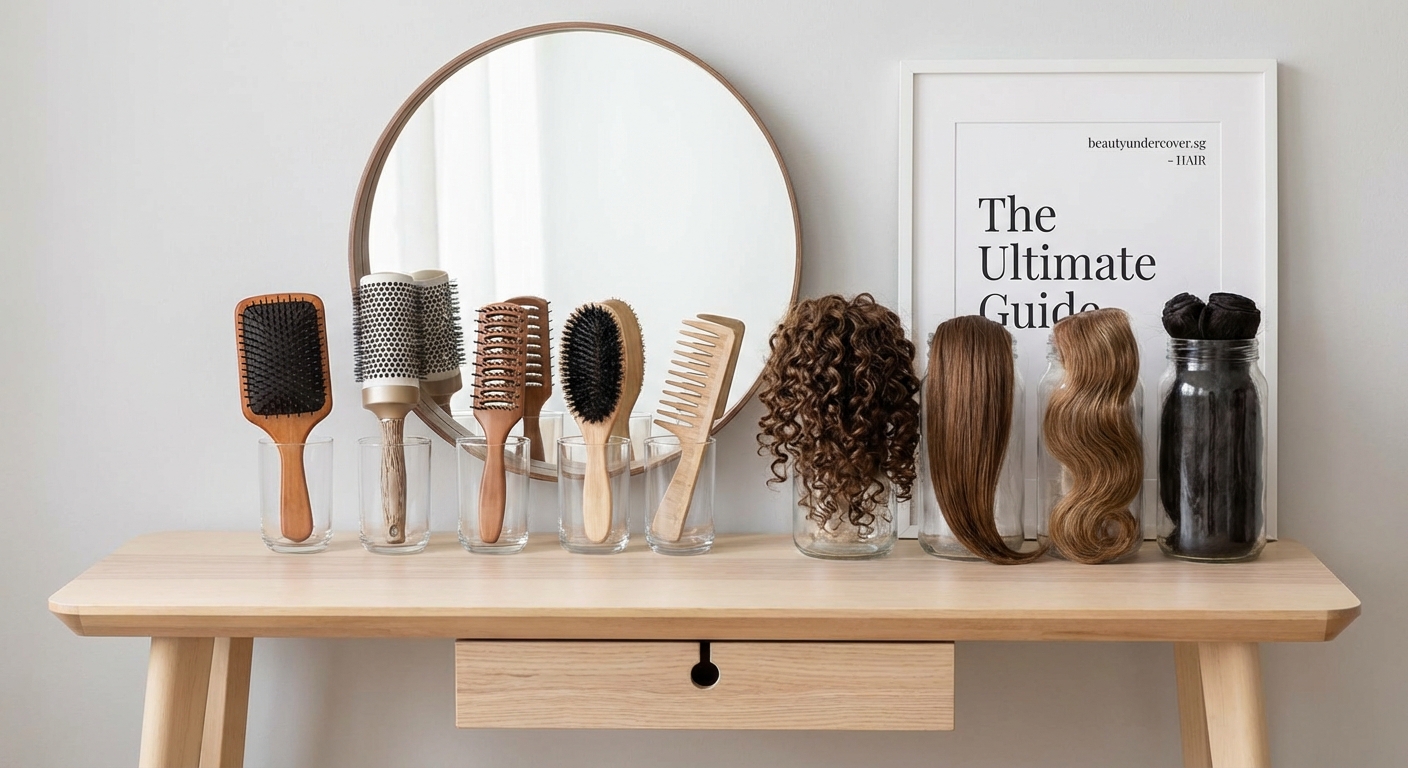
Before you can choose the right brush, you need to know what you’re working with. Hair type isn’t just about straight versus curly. It’s about density, texture, and condition.
Density refers to how many strands you have per square inch. Hold a ponytail in your hand. If your fingers touch easily, you have fine or low-density hair. If you can barely wrap your hand around it, you have thick or high-density hair.
Texture describes the width of individual strands. Pull out a single hair and hold it up to the light. If you can barely see it, your hair is fine. If it’s clearly visible and feels sturdy, your hair is coarse or thick.
Condition matters just as much. Heat damage, chemical processing, or environmental stress changes how your hair responds to brushing. If your ends feel rough or your hair snaps easily, you’re dealing with damage that requires extra care.
The best brushes for fine or thin hair
Fine hair needs a gentle touch. Heavy brushes with stiff bristles will pull and break delicate strands.
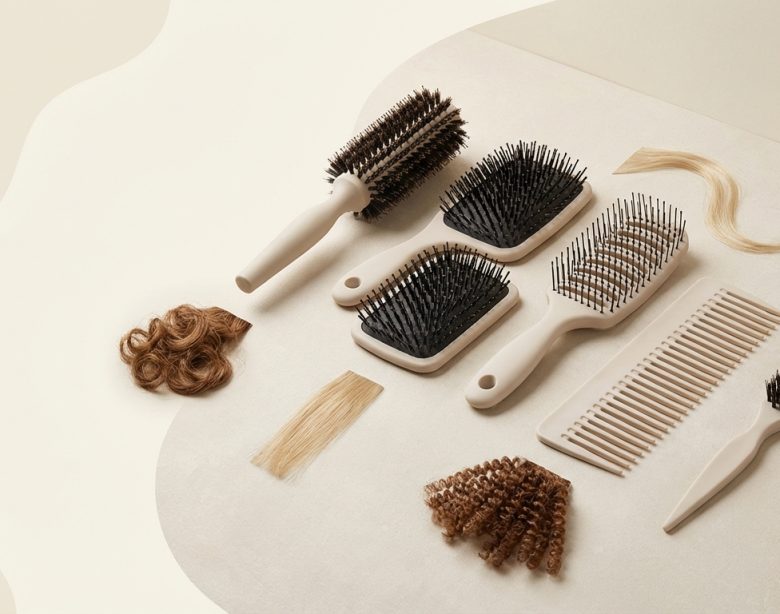
Look for brushes with soft, flexible bristles. Boar bristle brushes work beautifully because they distribute natural oils from root to tip without tugging. They add shine and smooth the cuticle without causing breakage.
Avoid metal bristles or brushes with ball tips that can snag. Skip paddle brushes with widely spaced pins. They might seem gentle, but they often miss sections and require multiple passes, which increases friction and damage.
A cushioned brush with densely packed bristles gives you control without pressure. The cushion absorbs some of the force, so you’re not pulling directly on your roots.
If you style with heat, a vented brush speeds up drying time and reduces heat exposure. Just make sure the bristles are still soft enough for your hair type.
“Fine hair is more susceptible to damage because each strand has a smaller diameter. The right brush can be the difference between healthy growth and constant breakage.” – Trichologist recommendation
The best brushes for thick or coarse hair
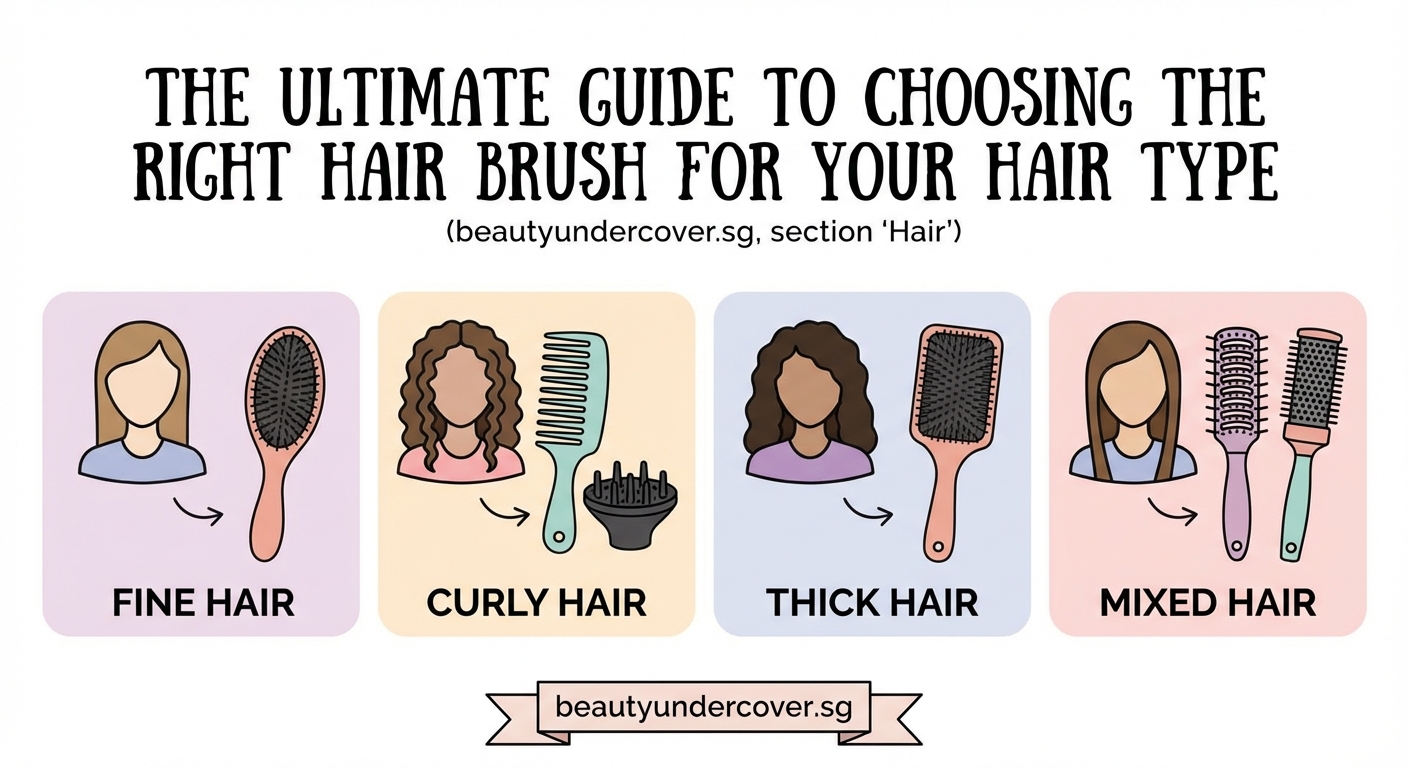
Thick hair can handle more robust tools. You need something that can actually get through your hair without bending or breaking.
Paddle brushes with sturdy, widely spaced pins work well. They detangle large sections without getting stuck. Look for brushes with rounded tips to protect your scalp.
Boar bristle brushes can still work if you choose a stiffer version or one combined with nylon pins. The nylon helps penetrate thick hair while the boar bristles smooth the surface.
A detangling brush with flexible bristles is your friend on wash days. These brushes bend and flex as they move through knots, reducing the pull on your roots.
For styling, a round thermal brush with a ceramic or tourmaline barrel helps you achieve volume and smoothness. The heat-conductive material speeds up styling and reduces frizz.
Avoid brushes that are too small or delicate. They’ll bend under the weight of your hair and make brushing take twice as long.
The best brushes for curly and coily hair
Curly hair has its own set of rules. Brushing dry curls can destroy your curl pattern and create frizz that lasts all day.
A wide-tooth comb is your best tool for detangling in the shower. Use it on wet hair with conditioner to gently work through knots without disrupting your curl clumps.
If you prefer a brush, choose a detangling brush with very flexible bristles. The Denman brush is a classic for a reason. It defines curls while detangling, and the rows of bristles let you control how much you’re manipulating each section.
Never use a paddle brush or boar bristle brush on dry curls. These tools are designed to smooth and straighten, which is the opposite of what curly hair needs.
A pick or wide-tooth comb also works for adding volume at the roots without disturbing your curl pattern. Lift from the base rather than combing through the lengths.
Some people with looser curl patterns can use a soft-bristle brush on damp hair to create a smoother wave. But if your curls are tight or coily, stick with fingers or wide-tooth tools.
The best brushes for damaged or fragile hair
Damaged hair is in recovery mode. It needs tools that minimize stress and prevent further breakage.
A wet brush or flexible detangling brush is essential. These brushes have bristles that bend and flex, so they glide through knots instead of pulling. They work on wet or dry hair, which is helpful if your hair tangles easily.
Avoid brushes with stiff bristles, metal pins, or any tool that requires force to get through your hair. If you’re pulling hard, you’re causing more damage.
A microfiber towel or t-shirt is better than a regular towel for drying. Rough towel fibers create friction that leads to breakage. Pat your hair dry instead of rubbing.
If you’re trying to repair heat damaged hair at home without cutting it all off, your brush choice becomes even more important. Damaged hair can’t handle the same tools it could before.
Consider a wooden brush with rounded pins. Wood is naturally gentle and helps distribute oils without static. Just make sure the pins aren’t too sharp or closely spaced.
How to brush your hair without causing damage
The tool matters, but so does your technique. Even the best brush can cause damage if you use it wrong.
Step-by-step brushing method
- Start at the ends and work your way up. Never start brushing at the roots and drag down through tangles.
- Hold the section of hair above where you’re brushing to reduce tension on your scalp and roots.
- Use short, gentle strokes instead of long, aggressive pulls.
- If you hit a knot, stop and gently work it out with your fingers or the brush tips before continuing.
- Brush when your hair is dry or damp with conditioner, not soaking wet and unprotected.
Wet hair is more fragile than dry hair. The cuticle swells and becomes more susceptible to damage. If you must brush wet hair, use a detangling spray or leave-in conditioner first.
Brushing too often can also cause problems. You don’t need to brush multiple times a day unless you’re styling. Once in the morning and once before bed is usually enough.
Common brushing mistakes that ruin your hair
Some habits feel harmless but actually contribute to long-term damage.
| Mistake | Why it’s harmful | Better alternative |
|---|---|---|
| Brushing from roots to ends | Creates tension and pulls on tangles | Start at the ends and work upward |
| Using a brush on soaking wet hair | Wet hair stretches and breaks more easily | Use a wide-tooth comb or wait until damp |
| Brushing too aggressively | Causes breakage and scalp irritation | Use gentle strokes with less pressure |
| Using the same brush for years | Worn bristles and buildup reduce effectiveness | Replace brushes every 6-12 months |
| Skipping brush cleaning | Oils and product buildup transfer back to clean hair | Clean your brush weekly with soap and water |
Sharing brushes can also transfer oils, product buildup, and even scalp conditions between people. Keep your brush personal, just like your toothbrush.
What to look for when shopping for a new brush
Not all brushes are created equal, even within the same category. Here’s what separates a good brush from a great one.
Bristle quality matters more than brand name. Natural boar bristles should feel smooth, not scratchy. Nylon pins should be flexible, not rigid. Check that ball tips are securely attached and won’t pop off.
Handle comfort affects how you use the brush. If the handle is uncomfortable, you’ll grip it too tightly and use more force than necessary. Look for ergonomic designs with a non-slip grip.
Cushion responsiveness on paddle brushes should feel springy, not stiff. Press the bristles against your palm. They should give a little and bounce back.
Heat resistance matters if you use your brush while blow-drying. Ceramic and tourmaline barrels conduct heat evenly. Plastic handles should be heat-resistant and clearly labeled as such.
Size and weight should match your hair length and thickness. A large paddle brush is great for long, thick hair but too cumbersome for a short bob. A small round brush won’t make a dent in thick, shoulder-length hair.
Price doesn’t always indicate quality, but extremely cheap brushes often have rough edges, weak bristles, and short lifespans. A mid-range brush from a reputable brand usually offers the best value.
Specialty brushes worth considering
Beyond the basics, a few specialty brushes can solve specific problems.
Vented brushes speed up drying time by allowing air to flow through. They’re perfect if you blow-dry regularly and want to reduce heat exposure.
Ionic brushes claim to reduce frizz by emitting negative ions that neutralize static. They work best on fine to medium hair that’s prone to flyaways.
Scalp massage brushes have soft silicone bristles designed to stimulate blood flow and remove buildup. They’re not for detangling, but they feel amazing and can promote healthier hair growth.
Loop brushes have looped bristles that are extremely gentle. They’re popular for extensions but also work well for very fine or damaged hair.
Tangle teasers have a unique design with tiered bristles that flex in multiple directions. They’re polarizing, but many people with thick or tangled hair swear by them.
You don’t need every specialty brush. Focus on one or two that address your specific challenges.
How to care for your brushes so they last
A dirty brush can’t do its job properly. Product buildup, oils, and shed hair create a layer that transfers back to your clean hair.
Clean your brush at least once a week. Remove all loose hair first. Then wash the bristles with warm water and a drop of shampoo or gentle soap. Use an old toothbrush to scrub between the bristles if needed.
Rinse thoroughly and let the brush dry bristle-side down on a clean towel. Don’t leave it sitting in water, especially if it has a wooden handle or cushion base.
Replace your brush when the bristles become bent, broken, or worn. Most brushes last 6 to 12 months with regular use. If you’re using heat tools with your brush, you might need to replace it more often.
Store brushes in a clean, dry place. Avoid leaving them in humid bathrooms where bacteria and mold can grow.
Signs you’ve found the right brush
You’ll know you’ve matched the best hair brush for your hair type when styling becomes easier and your hair looks healthier.
Your hair should detangle smoothly without excessive pulling or pain. You shouldn’t need to go over the same section multiple times.
Frizz and static should decrease. The right brush smooths the cuticle instead of roughing it up.
Your scalp should feel comfortable during and after brushing. No scratching, no soreness, no irritation.
Over time, you should notice less breakage. Check your brush after use. If it’s full of broken hairs rather than full-length shed hairs, something’s wrong.
Your style should hold better and look more polished. The right brush distributes products evenly and creates a smooth base for any look.
Why your hair deserves the right tools
Your hair is with you every day. It frames your face, affects how you feel about yourself, and responds to how you treat it.
Using the best hair brush for your hair type isn’t about being fussy or high-maintenance. It’s about respecting what you have and giving it what it needs to thrive. The right brush makes styling faster, protects your strands from damage, and helps you feel more confident in how you look.
Start by identifying your hair type honestly. Choose a brush that matches your needs, not just what looks pretty on the counter. Use it correctly, clean it regularly, and replace it when it wears out. Your hair will thank you with less breakage, more shine, and styles that actually last.