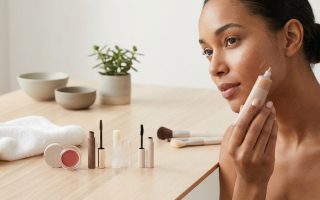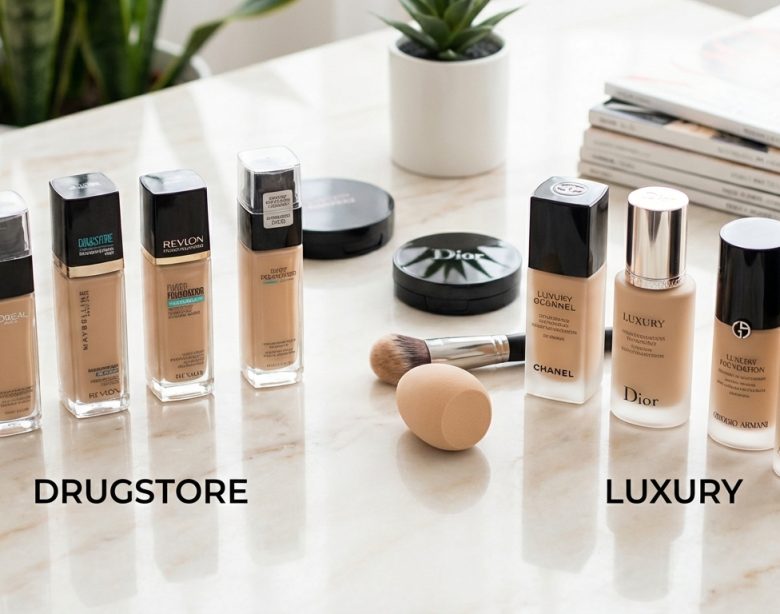
You don’t need to spend $60 on foundation to get a flawless finish. The drugstore aisle is packed with formulas that blur pores, match skin tones perfectly, and last through long workdays just as well as their designer counterparts. The difference? You’ll have money left over for the rest of your makeup bag.
Drugstore foundations now rival luxury brands in coverage, longevity, and shade range. Look for formulas with skin-loving ingredients like hyaluronic acid and niacinamide. Test shades in natural light, check ingredient lists for your skin type, and read verified reviews before buying. Smart shopping means getting department store results at pharmacy prices without compromising on performance or finish.
Why drugstore foundations deserve your attention
The gap between affordable and luxury foundations has narrowed dramatically. Major beauty brands now invest in the same research and development for their mass-market lines. You’ll find identical active ingredients, similar textures, and comparable wear time.
Luxury foundations often cost more because of packaging, marketing budgets, and brand prestige. The actual product inside? Frequently manufactured in the same facilities as drugstore options.
Budget-friendly doesn’t mean settling. Many affordable foundations outperform their expensive competitors in specific categories. Some offer better shade ranges. Others last longer on oily skin. A few provide more buildable coverage without looking cakey.
Top performers that rival high-end formulas
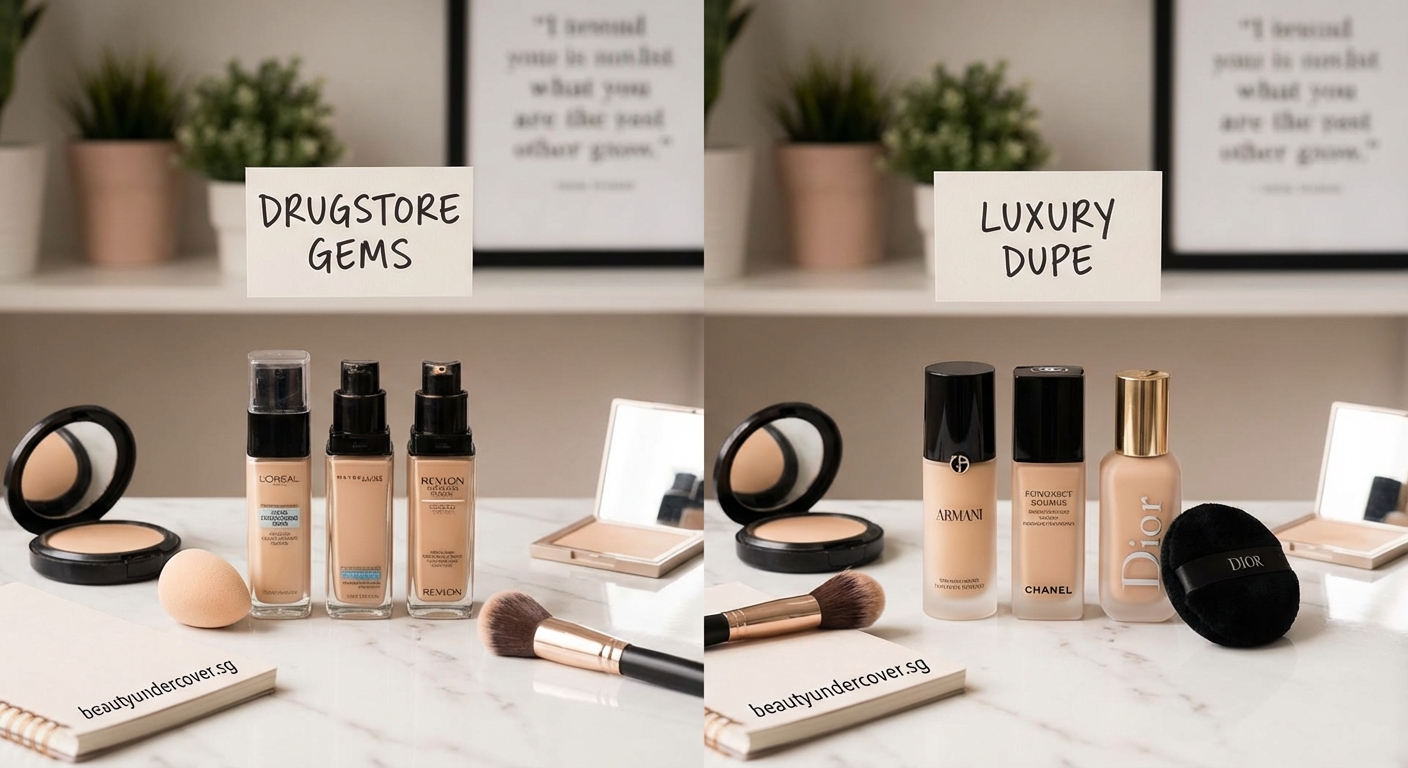
These foundations consistently earn praise from makeup artists and everyday users alike.
L’Oréal Infallible Pro-Matte delivers full coverage that stays put for 24 hours. The formula works beautifully on combination and oily skin types. It photographs well without flashback, making it perfect for events and selfies.
Revlon ColorStay remains a cult favorite for good reason. The liquid formula comes in versions for different skin types. Dry skin? Choose the combination/oily version for long wear. Normal to dry skin gets its own hydrating formula.
Maybelline Fit Me Matte + Poreless offers 40 shades and a natural matte finish. The formula blurs pores without settling into fine lines. It works across age ranges, from college students to women in their 40s.
e.l.f. Flawless Finish Foundation proves that under $10 can still mean quality. The buildable coverage goes from light to medium without looking heavy. Bonus: it contains SPF 15 for daily sun protection.
NYX Can’t Stop Won’t Stop lives up to its name with incredible staying power. The full-coverage formula resists sweat, humidity, and tears. Perfect for summer weddings or gym-to-dinner days.
Physicians Formula The Healthy Foundation packs skincare benefits into makeup. Hyaluronic acid, SPF 20, and vitamins create a foundation that improves skin over time.
How to choose the right formula for your skin
Your skin type determines which foundation will work best.
For oily skin
Look for oil-free, matte formulas. Ingredients like salicylic acid help control shine throughout the day. Avoid anything labeled “dewy” or “luminous” as these add extra glow your skin doesn’t need.
Set with powder in your T-zone. This creates a barrier that extends wear time. Blotting papers become your best friend for midday touch-ups.
For dry skin
Hydrating foundations with glycerin or hyaluronic acid prevent flaking. Skip powder entirely or use it sparingly. A damp beauty sponge helps blend foundation smoothly over dry patches.
Prep with a moisturizing primer. This creates a smooth canvas and prevents the foundation from clinging to rough texture.
For combination skin
You need balance. Matte formulas often work well if you moisturize properly beforehand. Apply lighter coverage on dry areas and build up in the T-zone.
Consider using two different formulas. Sounds excessive, but mixing a matte and hydrating foundation lets you customize coverage exactly where you need it.
For mature skin
Satin or radiant finishes look most natural. Matte formulas can emphasize fine lines. Choose foundations with light-reflecting particles that blur imperfections without shimmer.
Less is more. Sheer to medium coverage with strategic concealer beats heavy foundation every time.
Shade matching strategies that actually work
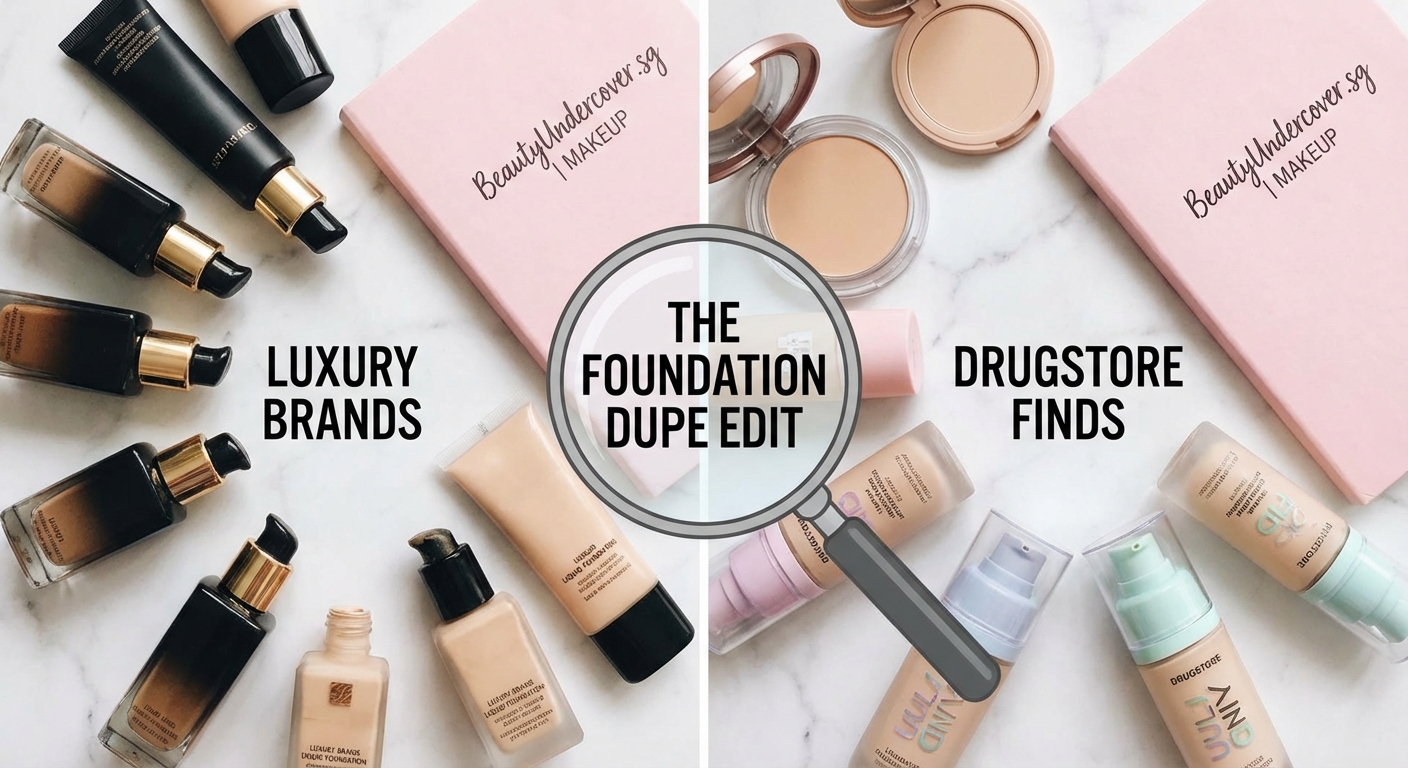
Getting the right shade makes or breaks your foundation choice.
- Test three shades on your jawline in natural light. The one that disappears is your match.
- Check the formula in different lighting throughout the day. Indoor lighting lies.
- Consider your undertone: cool (pink), warm (yellow/golden), or neutral (mix of both).
- Don’t rely on online swatches alone. Monitor settings change how colors appear.
- Ask for samples when possible. Many drugstores now offer testers.
Your shade might change with the seasons. Summer tans mean you need a slightly deeper shade. Winter skin often requires going lighter.
“The best foundation is the one you forget you’re wearing. It should enhance your natural skin, not mask it completely. Start with less product than you think you need and build coverage only where necessary.”
Ingredients that make affordable foundations perform
Smart formulations explain why drugstore foundations compete with luxury options.
Dimethicone creates that silky, smooth application. It fills in pores and fine lines for an airbrushed effect. Nearly every long-wearing foundation includes this silicone.
Niacinamide improves skin texture over time. This vitamin B3 derivative reduces redness and minimizes pores. You’re treating skin while covering it.
Hyaluronic acid holds 1000 times its weight in water. Foundations with this ingredient keep skin hydrated all day without looking greasy.
Iron oxides provide the actual color pigments. Quality foundations use finely-milled versions that blend seamlessly into skin.
Titanium dioxide and zinc oxide offer sun protection. These mineral ingredients protect against UV damage while providing coverage.
Common mistakes and how to avoid them
| Mistake | Why It Happens | The Fix |
|---|---|---|
| Foundation looks orange | Wrong undertone selected | Test on jawline, not hand or wrist |
| Cakey texture by midday | Too much product applied | Use thin layers and build coverage |
| Foundation separates on nose | Oil breaking through | Use mattifying primer on oily zones |
| Looks gray in photos | Titanium dioxide flashback | Choose flash-friendly formulas or skip powder |
| Settles into lines | Formula too matte for skin type | Switch to satin or hydrating finish |
| Oxidizes darker after application | Chemical reaction with skin oils | Let primer set before applying foundation |
Application techniques for flawless results
The right tools make drugstore foundations look expensive.
Damp beauty sponges create the most natural finish. Wet the sponge, squeeze out excess water, and bounce foundation onto skin. This technique sheers out coverage while maintaining evenness.
Flat-top brushes work best for full coverage. Buff foundation into skin using circular motions. This method pushes product into pores for a smooth surface.
Fingers warm up the product for seamless blending. Your natural body heat makes foundation more pliable. Perfect for touching up throughout the day.
Start with a pea-sized amount. You can always add more, but removing excess creates a mess. Build coverage gradually in areas that need it.
Making your foundation last all day
Longevity separates good foundations from great ones.
- Apply primer suited to your skin concerns
- Set with translucent powder using a damp sponge
- Use setting spray as the final step
- Carry blotting papers instead of adding more powder
- Touch up with a beauty sponge, not fingers
Skincare prep matters as much as the foundation itself. Well-moisturized skin holds makeup better. Exfoliate regularly to prevent texture issues.
Shopping smart at the drugstore
Return policies vary by store. CVS and Walgreens often accept returns on opened cosmetics. Target’s policy is particularly generous. Keep your receipt and original packaging.
Watch for sales cycles. Drugstore makeup goes on sale every few weeks. Sign up for store rewards programs to stack discounts.
Read verified reviews before buying. Look for reviewers with your skin type and concerns. Photos in reviews show real results better than brand marketing.
Buy travel sizes first if available. Testing a $5 mini beats gambling on a $15 full size. Some brands offer starter sets with multiple shades.
Budget breakdown of drugstore versus luxury
A luxury foundation costs $45 to $65 on average. Drugstore options range from $6 to $18. That’s a difference of $30 to $50 per bottle.
Most people replace foundation every six months. Over a year, choosing drugstore saves $60 to $100. That money buys brushes, primers, setting sprays, or other makeup essentials.
The cost per wear tells the real story. A $50 foundation used 100 times costs 50 cents per application. A $12 foundation used the same amount costs 12 cents. Both give you a finished face.
Seasonal adjustments for year-round wear
Summer heat requires different formulas than winter cold.
Summer foundations need oil control and water resistance. Matte formulas prevent melting. Look for sweat-proof claims on the label. Set everything with waterproof setting spray.
Winter foundations should hydrate and protect. Dewy finishes prevent that tight, dry feeling. Mix a drop of facial oil into foundation for extra moisture.
Spring and fall let you experiment. These transition seasons work well for trying new formulas. Your skin behaves more predictably without extreme temperatures.
Why expensive doesn’t always mean better
Blind tests consistently show that people can’t reliably identify luxury versus drugstore foundations. Performance depends on matching formula to skin type, not price point.
Luxury brands spend millions on advertising and celebrity endorsements. That cost gets passed to you. Drugstore brands invest in product development instead of marketing spectacle.
Packaging accounts for significant price differences. Glass bottles and heavy compacts cost more to produce. Plastic packaging keeps drugstore prices low without affecting the formula inside.
Your path to perfect, affordable coverage
Finding the best drugstore foundations means understanding your skin and being willing to test options. Start with one highly-rated formula that matches your skin type. Give it a full week of wear in different conditions. Pay attention to how it looks in photos, how long it lasts, and whether it causes breakouts.
Build your collection slowly. Having two or three foundations lets you adapt to seasonal changes and different occasions. Your everyday work foundation might differ from your weekend formula. That’s completely normal and actually smart.
The beauty industry wants you to believe that luxury equals quality. Your wallet and your skin know better. Choose based on ingredients, reviews, and how the foundation performs on your unique face. Save the difference for skincare that actually improves your complexion over time.