You wash your face twice a day. You moisturize. You apply serums. But when was the last time you gave your scalp the same attention? Most of us treat our scalp like an afterthought, focusing solely on the hair that grows from it. That disconnect explains why so many people struggle with persistent dandruff, excessive oiliness, or unexplained hair thinning. Your scalp is skin. It needs care just like the rest of your body.
A proper scalp care routine involves cleansing, exfoliating, treating specific concerns, and maintaining balance. Your scalp type determines product choices. Consistency matters more than expensive products. Address buildup weekly, treat concerns as needed, and protect your scalp barrier. Results typically appear within 4 to 6 weeks of dedicated care.
Understanding Your Scalp Type Changes Everything
Before you buy a single product, you need to identify your scalp type. This step gets skipped constantly, leading to routines that make problems worse.
Oily scalps produce excess sebum. Your hair looks greasy by day two (or even by evening). You might notice your scalp feels slick when you run your fingers through your hair. Dandruff flakes often appear yellowish and stick to your scalp.
Dry scalps feel tight and itchy. Flakes are white and powdery. They fall onto your shoulders easily. Your scalp might feel uncomfortable after washing, especially if you use clarifying shampoos.
Combination scalps are oily at the crown and dry at the hairline or behind the ears. This type frustrates people the most because one-size-fits-all products never work right.
Sensitive scalps react to everything. Redness, burning, itching, and inflammation appear with new products. You might have underlying conditions like eczema or psoriasis affecting your scalp.
Your scalp type can shift with seasons, stress, hormones, and age. Check in every few months rather than assuming it stays constant.
Building Your Foundation with the Right Cleansing Method
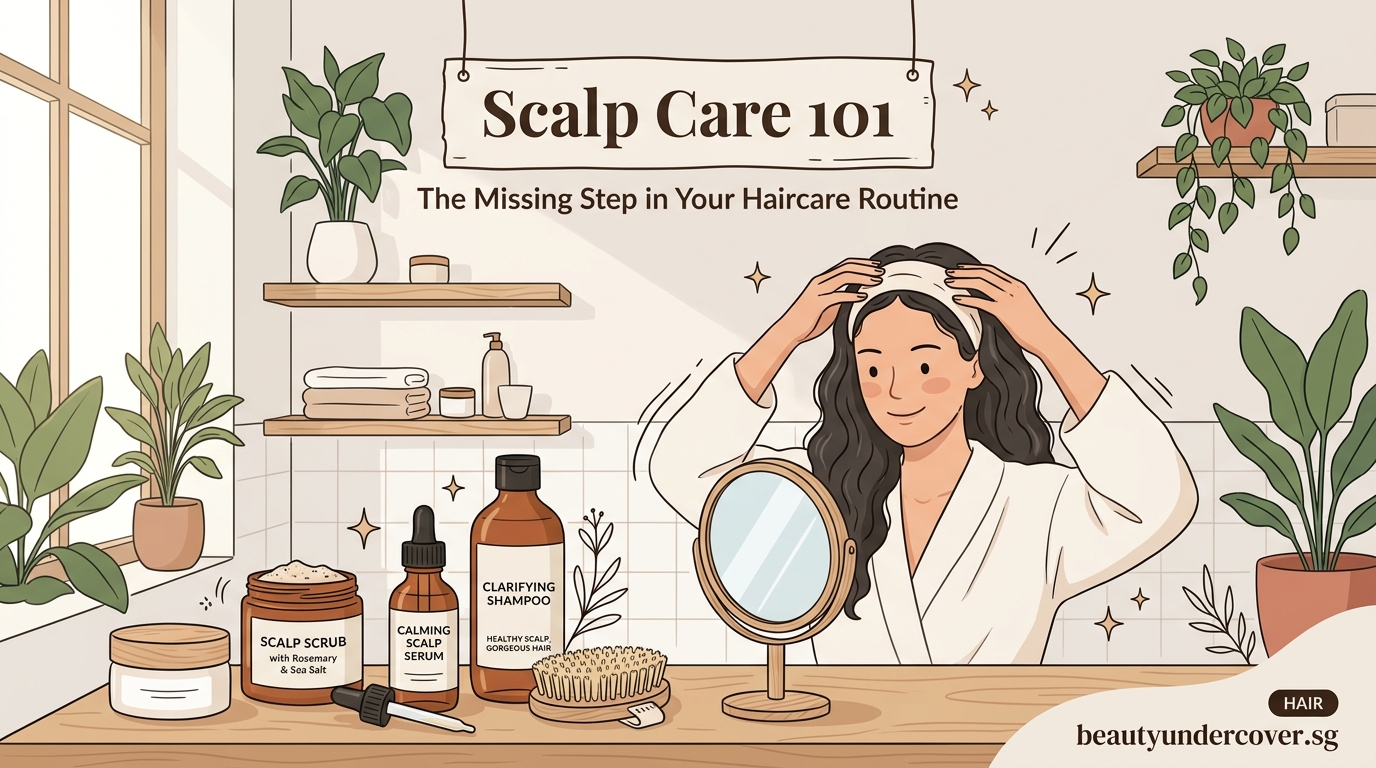
Proper cleansing forms the backbone of any scalp care routine. Most people wash their hair but never actually clean their scalp.
Start by wetting your hair thoroughly with lukewarm water. Hot water strips natural oils and triggers more oil production later. Apply shampoo directly to your scalp, not your hair lengths. Use your fingertips (never your nails) to massage in circular motions for at least 60 seconds. This mechanical action loosens buildup, dead skin cells, and excess sebum.
Pay special attention to your hairline, behind your ears, and the nape of your neck. These areas accumulate the most product residue and sweat. Rinse completely. Leftover shampoo causes itchiness and flaking that people mistake for dandruff.
For oily scalps, wash every other day or as needed. For dry scalps, extend to every three to four days. Combination types might need to wash the crown area more frequently while being gentler on drier zones.
Just like how to build a simple 3-step skincare routine for absolute beginners teaches you to start with cleansing, your scalp needs that same foundational step done correctly.
The Weekly Exfoliation Step Most People Skip
Scalp exfoliation removes the buildup that regular shampooing misses. Dead skin cells, product residue, and hardened sebum create a barrier that prevents treatments from working and clogs hair follicles.
Physical exfoliants use small granules to manually scrub away buildup. Look for sugar, salt, or jojoba beads in scalp scrubs. Apply to wet hair, massage gently for two to three minutes, then rinse thoroughly. Use once weekly for normal scalps, twice monthly for sensitive types.
Chemical exfoliants work differently. Salicylic acid dissolves oil and penetrates pores. Glycolic acid loosens dead skin cell bonds. Lactic acid provides gentler exfoliation with added hydration. These come in pre-shampoo treatments or leave-in formulas.
| Exfoliant Type | Best For | Frequency | Application |
|---|---|---|---|
| Physical scrub | Oily, buildup-prone | Weekly | On wet scalp before shampoo |
| Salicylic acid | Oily, dandruff | 1-2x weekly | Apply, wait 5-10 min, rinse |
| Glycolic acid | Normal to oily | Weekly | Pre-shampoo treatment |
| Lactic acid | Dry, sensitive | Bi-weekly | Gentler option, short contact time |
Never exfoliate broken, irritated, or sunburned skin. Skip this step if you have active scalp conditions until they heal.
Targeting Specific Scalp Concerns with Treatment Products
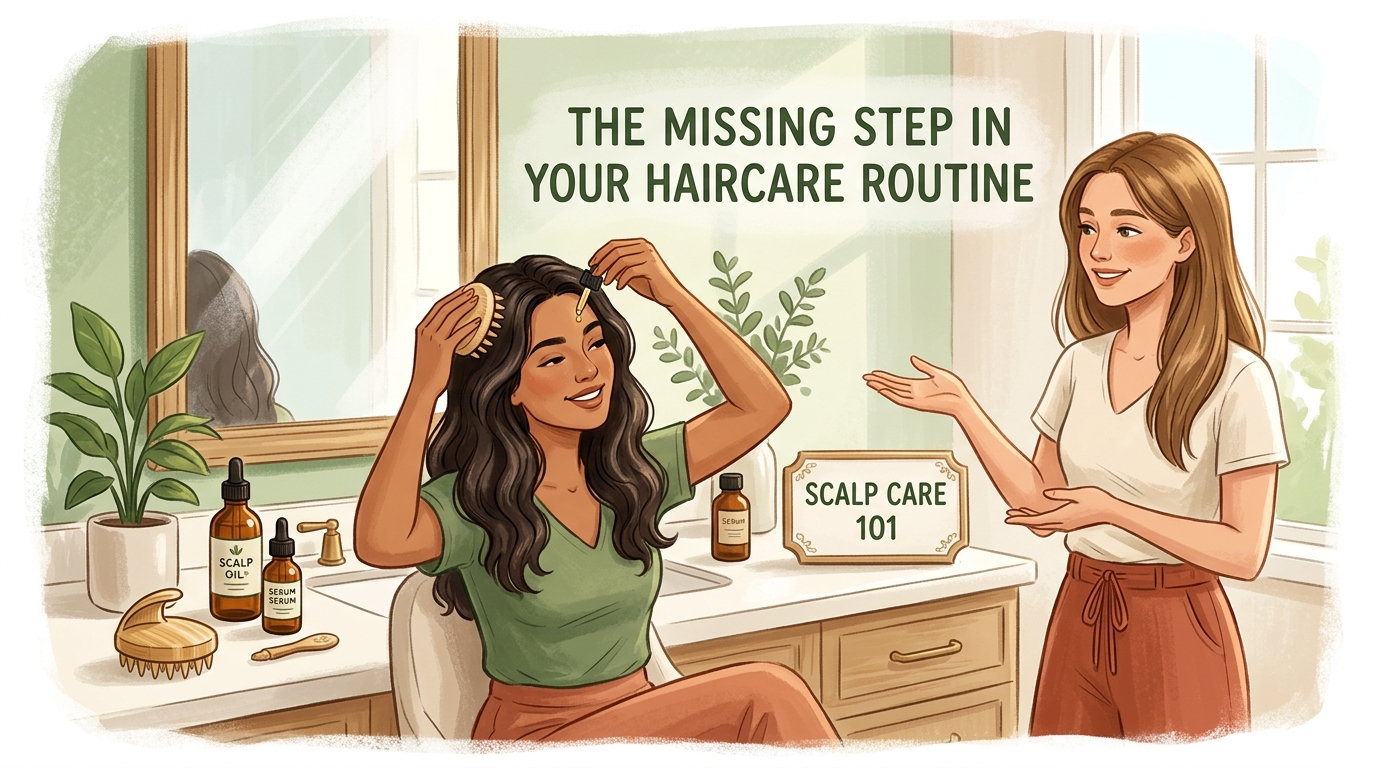
Once you’ve established cleansing and exfoliation, treatment products address your specific issues.
For dandruff and flaking: Zinc pyrithione, ketoconazole, selenium sulfide, or coal tar shampoos target the fungus that causes most dandruff. Use two to three times weekly until symptoms improve, then maintain with once-weekly application. If flaking persists beyond six weeks, see a dermatologist. What you think is dandruff might be seborrheic dermatitis or psoriasis.
For excess oil production: Niacinamide serums regulate sebum without stripping your scalp. Apply after washing to damp skin. Clay masks (used sparingly) absorb excess oil. Tea tree oil has natural astringent properties but needs dilution to avoid irritation.
For dryness and itchiness: Hyaluronic acid scalp serums add moisture without greasiness. Aloe vera gel soothes irritation. Avoid products with drying alcohols (alcohol denat, isopropyl alcohol). Similar to the best hydrating serums for dry skin under $30, your scalp benefits from the same hydrating ingredients.
For thinning hair: Minoxidil (over-the-counter) stimulates growth but requires consistent use. Caffeine solutions improve circulation. Peptide serums support follicle health. Rosemary oil shows promise in studies but needs three to six months of daily use to see results.
For sensitivity and redness: Centella asiatica (cica) calms inflammation. Colloidal oatmeal relieves itching. Avoid fragrances, essential oils, and sulfates. Patch test everything before applying to your entire scalp.
“Your scalp and face share the same skin biology. If you wouldn’t put a harsh product on your face, don’t put it on your scalp. The barrier function works the same way.” — Dr. Angela Lamb, dermatologist
Creating Your Personal Scalp Care Schedule
Consistency matters more than perfection. Here’s how to structure your routine based on your needs.
Daily maintenance:
- Massage your scalp for 60 seconds during showering (even on non-wash days)
- Apply leave-in treatments or serums to target concerns
- Avoid touching your scalp throughout the day (transfers oil and bacteria)
2-3 times per week:
- Cleanse thoroughly with appropriate shampoo
- Apply treatment products while scalp is damp
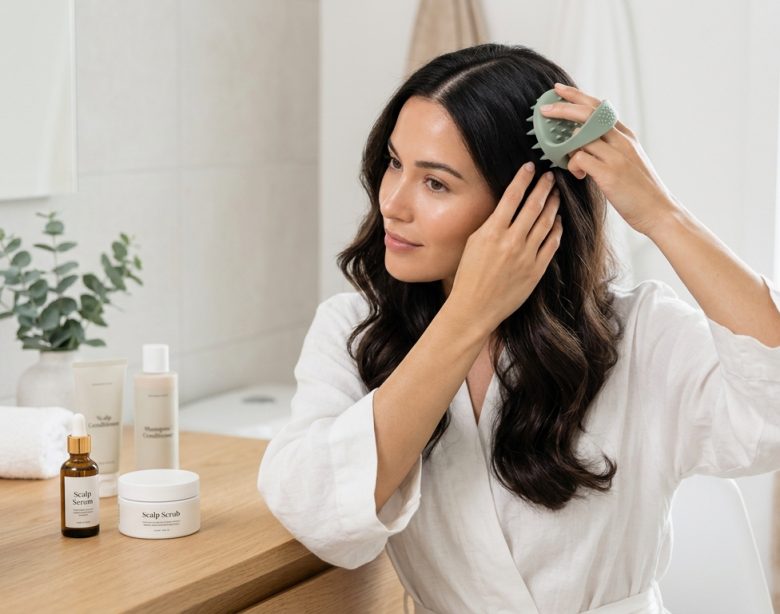
- Use a scalp massager tool to boost circulation
Weekly deep care:
- Exfoliate with scrub or chemical treatment
- Apply a targeted mask or intensive treatment
- Massage for five minutes to improve absorption
Monthly assessment:
- Check for changes in oiliness, dryness, or sensitivity
- Evaluate if current products still work
- Adjust routine based on seasonal changes
People often ask about timing. Morning washes work better for oily scalps since sebum production increases overnight. Evening washes suit dry scalps because you can apply overnight treatments. Choose what fits your schedule since consistency beats optimal timing.
Understanding morning vs night skincare which products go when and why it matters helps you apply similar logic to scalp care timing.
Product Application Techniques That Actually Work
How you apply products matters as much as what you apply.
For shampoos, use a quarter-sized amount for short hair, double that for long or thick hair. Emulsify between your palms first. Apply to your scalp in sections, not in one blob. Work from front to back, then side to side. The friction from your fingertips activates the cleansers.
For scalp serums and treatments, part your hair in one-inch sections. Apply product directly to the exposed scalp using a dropper or nozzle applicator. Massage each section for 10 seconds before moving to the next. This ensures even distribution and prevents product from sitting only on your hair.
For masks and scrubs, apply to damp (not soaking wet) hair. Excess water dilutes the product. Focus on your scalp, not your hair lengths. Use gentle circular motions. Rinse with cool water to close cuticles and soothe your scalp.
Never pile your hair on top of your head while washing. This tangles strands and prevents thorough scalp cleaning. Instead, let water flow from roots to ends while you massage your scalp.
Common Mistakes That Sabotage Your Progress
Even with the right products, these errors undermine your results.
Using too much product: More doesn’t mean better. Excess product causes buildup, which creates the problems you’re trying to solve. Start with less than you think you need.
Skipping the scalp when conditioning: Conditioner belongs on your hair lengths and ends, not your scalp. Applying it to your scalp adds unnecessary oils and can clog follicles.
Washing with water that’s too hot: Hot water feels good but strips protective oils. Your scalp compensates by producing more oil. Stick to lukewarm or cool water.
Not rinsing thoroughly: Leftover product irritates your scalp and attracts dirt. Rinse until water runs clear, then rinse for another 30 seconds.
Changing products too frequently: Your scalp needs four to six weeks to adjust to new products and show results. Switching every week prevents you from knowing what actually works. This mirrors why your skin purges when you start new products and what to do about it.
Ignoring your hairbrush: Dirty brushes transfer oil, product buildup, and bacteria back to your clean scalp. Wash brushes weekly with shampoo and warm water.
Aggressive scrubbing: Your scalp is sensitive. Harsh scrubbing causes micro-tears that lead to inflammation and infection. Gentle, consistent pressure works better.
Shopping for Scalp Care Products Without Wasting Money
The scalp care market exploded recently. Not every product delivers on its promises.
-
Sulfate-free doesn’t always mean better: Sulfates cleanse effectively. If you have oily scalp or use heavy styling products, sulfate-free formulas might not clean adequately. Choose based on your needs, not trends.
-
“Natural” ingredients aren’t automatically safe: Essential oils, even natural ones, can irritate sensitive scalps. Tea tree, peppermint, and eucalyptus oils cause reactions in many people.
-
Expensive doesn’t guarantee results: Some drugstore scalp treatments outperform luxury options. Check ingredient lists rather than price tags. Look for 15 drugstore beauty products that work better than their high end counterparts for budget-friendly options.
-
Multitasking products save time and money: A clarifying shampoo with salicylic acid handles cleansing and exfoliation. A niacinamide serum addresses both oil control and inflammation.
-
Sample sizes prevent expensive mistakes: Buy travel sizes or ask for samples before committing to full-size products, especially for treatments and serums.
Read reviews from people with your scalp type. Someone with dry, sensitive skin won’t have the same experience as someone with oily, resilient skin.
Adjusting Your Routine for Seasons and Life Changes
Your scalp’s needs shift throughout the year and during major life events.
Winter: Cold air and indoor heating dry out scalps. Increase hydrating treatments. Reduce exfoliation frequency. Consider adding a humidifier to your bedroom.
Summer: Heat and humidity trigger more oil production. You might need to wash more frequently. Protect your scalp from sun damage with hats or SPF sprays. Chlorine and saltwater strip moisture, so rinse immediately after swimming.
Hormonal changes: Pregnancy, menopause, and monthly cycles affect oil production and sensitivity. Your usual products might suddenly irritate. Keep a gentler backup routine ready.
Stress periods: Stress triggers inflammation and can worsen conditions like dandruff or hair loss. Add soothing ingredients like centella or chamomile. Prioritize scalp massage to reduce tension.
After illness or medication: Antibiotics, birth control, and other medications alter your scalp’s microbiome and oil production. Give your scalp extra care during these transitions.
Post-coloring or chemical treatments: Your scalp barrier gets compromised. Skip exfoliation for two weeks. Use gentle, pH-balanced products. Add barrier-repair ingredients.
The concept applies similarly to how to transition your skincare routine from summer to fall without breaking out.
Lifestyle Factors That Impact Your Scalp Health
Products only solve part of the equation. Daily habits significantly affect your scalp.
Diet matters: Omega-3 fatty acids reduce inflammation. Zinc supports healing. B vitamins promote cell turnover. Deficiencies show up as scalp problems before anywhere else.
Hydration affects your scalp: Dehydrated skin produces more oil to compensate. Aim for eight glasses of water daily. Your scalp benefits from internal hydration just like your face does.
Sleep quality influences inflammation: Poor sleep increases cortisol, which triggers inflammatory responses. Your scalp becomes more reactive and sensitive.
Exercise boosts circulation: Better blood flow means more nutrients reach your hair follicles. Just remember to rinse sweat from your scalp promptly. Dried sweat creates buildup and irritation.
Stress management reduces flare-ups: Chronic stress worsens nearly every scalp condition. Find stress-reduction techniques that work for you.
Hair tools need attention: Dirty pillowcases, hats, and headbands transfer bacteria and oil. Wash pillowcases twice weekly. Clean hats monthly. Avoid tight hairstyles that stress your scalp and restrict blood flow.
When to See a Professional About Scalp Issues
Some problems need medical attention rather than better products.
See a dermatologist if you experience:
– Severe itching that interferes with sleep or daily activities
– Thick, crusty patches that don’t improve with over-the-counter treatments
– Hair loss in patches or rapidly thinning areas
– Painful sores or bleeding
– Signs of infection (pus, extreme redness, fever)
– Symptoms that persist despite six weeks of proper care
– Sudden changes in scalp condition without obvious cause
Your primary care doctor can rule out underlying conditions like thyroid disorders, nutritional deficiencies, or autoimmune issues that manifest as scalp problems.
Trichologists specialize in hair and scalp health. They can perform scalp analysis and create customized treatment plans. This option works well for chronic issues that aren’t medical emergencies.
Making Scalp Care a Sustainable Habit
Starting a new routine feels manageable. Maintaining it long-term proves harder.
Link scalp care to existing habits. If you never forget to brush your teeth, store your scalp serum next to your toothbrush. Visual reminders work better than mental ones.
Set realistic expectations. Dramatic transformations take months, not weeks. Track progress with photos rather than relying on memory. Take pictures in the same lighting every two weeks.
Start minimal and add gradually. Begin with proper cleansing technique alone. Once that becomes automatic, add exfoliation. Then introduce treatment products. Building slowly creates lasting habits.
Prepare for setbacks. You’ll forget days. You’ll run out of products. You’ll get lazy during stressful weeks. That’s normal. One missed week doesn’t erase months of progress.
Find your motivation. Maybe it’s reducing the embarrassment of visible flakes. Perhaps it’s stopping the constant itching. Or wanting thicker, healthier hair. Remind yourself why you started when motivation dips.
Similar to the ultimate 10 minute morning skincare routine for busy people, your scalp routine should fit your life rather than dominate it.
Your Scalp Deserves the Same Care You Give Your Face
You now have the framework for a complete scalp care routine. You understand your scalp type, know which products address your concerns, and have realistic expectations about timing and results.
Your scalp isn’t just the foundation for your hair. It’s living skin that responds to care and neglect in equal measure. The itchiness, flaking, oiliness, or thinning you’ve been dealing with isn’t something you have to accept. Most scalp issues improve dramatically with consistent, appropriate care.
Start tonight with one change. Massage your scalp properly during your next wash. Add one targeted treatment this week. Build from there. Your scalp will thank you with less irritation, better hair growth, and the confidence that comes from solving a problem you thought was permanent.
The relationship between healthy scalp and healthy hair isn’t complicated. Take care of the skin, and the hair follows. You’ve been doing that for your face for years. Now it’s time to extend that same attention a few inches higher.