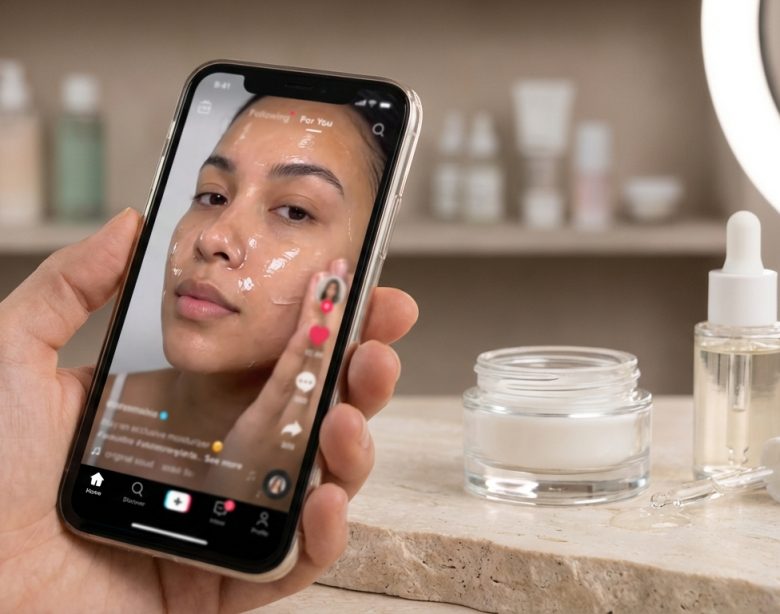
You’ve probably scrolled past videos of people slathering their faces with thick, glossy petroleum jelly before bed, waking up with glowing skin that looks almost too good to be true. The skincare trend called slugging has taken over social media, racking up millions of views and sparking heated debates about whether coating your face in what looks like Vaseline is genius or just gross. But here’s the thing: dermatologists have actually been recommending this technique for decades, long before it became a viral sensation. The name might be new, but the method is tried and true.
Slugging is a skincare technique where you apply an occlusive product like petroleum jelly as the final step in your nighttime routine to lock in moisture and strengthen your skin barrier. While it’s trending on TikTok, dermatologists have recommended this method for years to treat dry, damaged, or sensitive skin. It works best for people with dry or dehydrated skin but can cause breakouts for those prone to acne or clogged pores.
Understanding the Science Behind Slugging
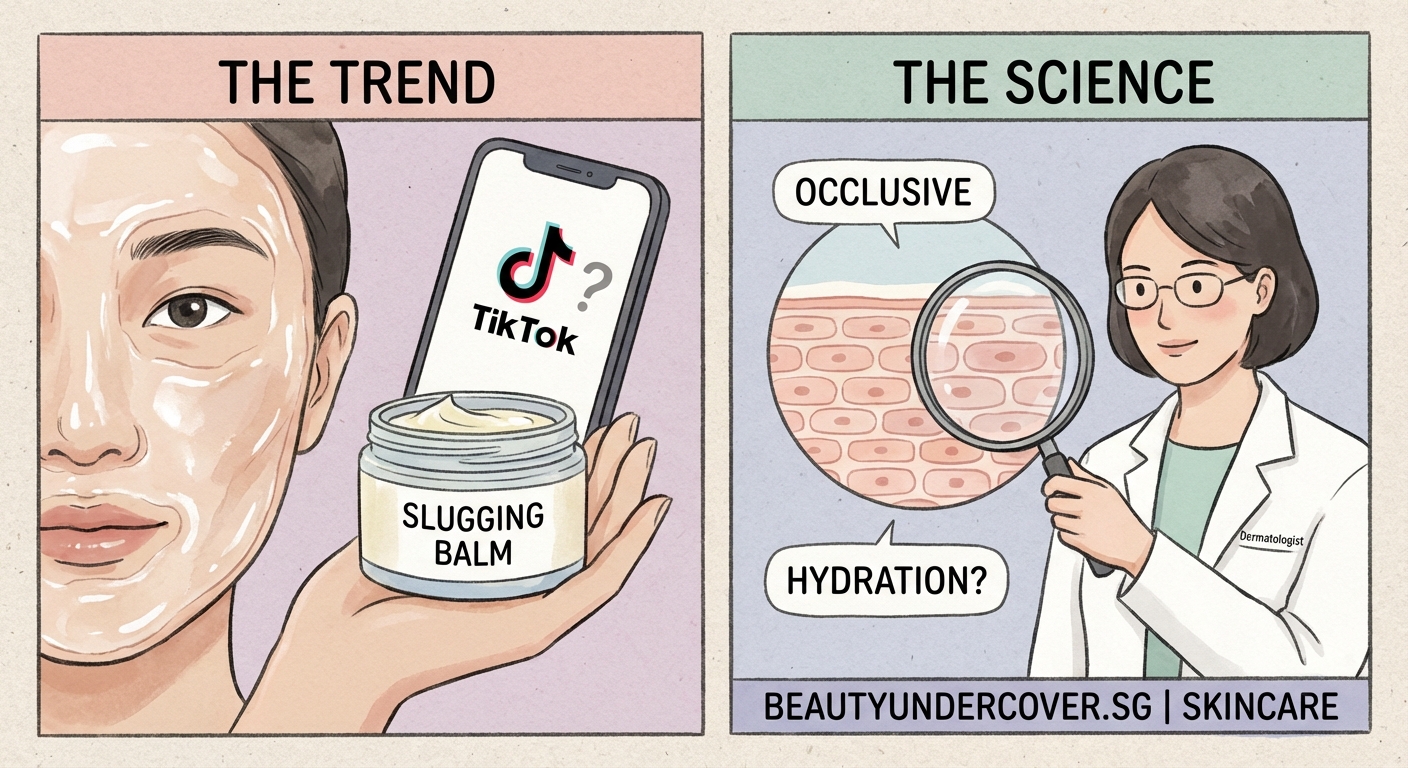
Slugging works through a simple but effective principle called occlusion. When you apply a thick, impermeable layer of petroleum jelly over your skincare products, you create a physical barrier that prevents water from evaporating from your skin’s surface. This process is called transepidermal water loss, and it’s one of the main reasons skin becomes dry, flaky, or irritated.
Your skin naturally loses moisture throughout the day and night. Without a protective barrier, all those expensive serums and moisturizers you applied earlier can evaporate before your skin fully absorbs their benefits. Petroleum jelly doesn’t add moisture to your skin on its own. Instead, it traps whatever hydration is already there, giving your skin more time to soak up the good stuff.
The technique gets its name from the shiny, slug-like appearance your face takes on after application. Not exactly glamorous, but the results speak for themselves. People who slug regularly report softer, plumper skin with fewer dry patches and a more even texture.
Who Actually Benefits from This Trend
Not everyone needs to turn their face into a glossy masterpiece every night. Slugging works best for specific skin types and concerns.
Ideal candidates for slugging:
- People with chronically dry or dehydrated skin
- Anyone dealing with a damaged skin barrier from over-exfoliation or harsh products
- Those experiencing winter dryness or living in low-humidity climates
- People with eczema or psoriasis looking for extra moisture retention
- Anyone using prescription retinoids that cause dryness and peeling
If you have naturally oily skin or are prone to acne, slugging might not be your friend. The thick occlusive layer can trap oil, bacteria, and dead skin cells, leading to clogged pores and breakouts. People with active acne, fungal acne, or very congested skin should skip this trend or consult a dermatologist first.
Combination skin falls into a gray area. You might benefit from spot-slugging, where you apply petroleum jelly only to dry areas like your cheeks while avoiding your oily T-zone.
The Right Way to Slug Your Skin
Proper technique makes all the difference between waking up with glowing skin and waking up with a greasy pillowcase and zero results. Follow these steps for the best outcome.
1. Start with freshly cleansed skin
Wash your face thoroughly with your regular cleanser. This step is critical because slugging will lock in whatever is on your skin, including dirt, makeup residue, or bacteria. Double cleanse if you wore makeup or sunscreen during the day.
2. Apply your regular skincare products
Layer on your usual nighttime routine: toner, serums, treatments, and moisturizer. Wait a few minutes between each step to let products absorb properly. This is when you want to use any active ingredients like niacinamide or hyaluronic acid, because the slug layer will seal them in.
3. Take a thin layer of petroleum jelly
You need less than you think. A pea-sized amount is usually enough for your entire face. Warm it between your fingers first to make application easier.
4. Press it gently onto your skin
Don’t rub or massage aggressively. Use gentle pressing motions to distribute the product evenly. Focus on dry areas but avoid getting too close to your eyes or hairline.
5. Wait before hitting the pillow
Give the product 10 to 15 minutes to settle before lying down. This prevents transferring half the product onto your pillowcase. Some people prefer to sleep on their back when slugging, or use an old pillowcase they don’t mind getting a bit greasy.
6. Cleanse normally in the morning
Wash your face with your regular morning cleanser. Your skin should feel soft and hydrated, not greasy or heavy.
“Slugging is particularly effective after using active ingredients like retinoids or chemical exfoliants. The occlusive layer helps minimize irritation while maximizing the benefits of these powerful treatments. Just make sure you’re not slugging over active acne or open wounds.” – Board-certified dermatologist
Common Mistakes That Ruin Your Results

Even a simple technique like slugging has pitfalls. Avoid these errors to get the best results without the breakouts.
| Mistake | Why It’s a Problem | The Fix |
|---|---|---|
| Using too much product | Wastes product, feels uncomfortable, transfers to pillowcase | Start with a pea-sized amount and add more only if needed |
| Slugging on dirty skin | Traps bacteria and dirt, leading to breakouts | Always cleanse thoroughly first |
| Doing it every single night | Can overwhelm your skin and cause congestion | Start 1-2 times per week, increase only if tolerated well |
| Skipping moisturizer underneath | Petroleum jelly doesn’t hydrate, only seals | Always apply hydrating products before slugging |
| Using the wrong product | Some occlusives contain comedogenic ingredients | Stick to pure petroleum jelly or non-comedogenic alternatives |
| Slugging with active breakouts | Traps bacteria and worsens acne | Wait until skin clears or spot-slug only dry areas |
Choosing the Right Product for Your Slug Session
Pure petroleum jelly remains the gold standard for slugging. Brands like Vaseline, Aquaphor, and CeraVe Healing Ointment all work well. Look for products with minimal ingredients and no added fragrances or dyes.
Some people prefer alternatives to traditional petroleum jelly:
- Lanolin-based products offer similar occlusive properties with a slightly lighter feel
- Squalane oil provides a less intense version of slugging for sensitive or acne-prone skin
- Shea butter works for those who want a more natural option, though it’s not quite as occlusive
Avoid products marketed as “petroleum jelly” that contain additional ingredients like essential oils, fragrances, or botanical extracts. These additives increase the risk of irritation or allergic reactions, especially when sealed against your skin for eight hours.
How Often Should You Actually Do This
Frequency depends entirely on your skin type and concerns. Most people see benefits from slugging one to three times per week. Your skin will tell you what it needs.
Start conservatively with once per week for the first month. Monitor how your skin responds. If you notice increased softness and hydration without any breakouts or congestion, you can gradually increase frequency.
People with extremely dry skin or severe eczema might slug every night under dermatologist supervision. Those with normal to combination skin usually find that once or twice weekly provides enough benefit without overwhelming their pores.
Seasonal adjustments make sense too. You might slug more frequently during harsh winter months when indoor heating strips moisture from your skin, then scale back during humid summer weather.
What to Expect After Your First Slug
Your skin should feel noticeably softer and more supple the morning after slugging. Fine lines might appear less prominent due to improved hydration. Any dry, flaky patches should look smoother and feel more comfortable.
Some people experience minor breakouts after their first few sessions as their skin adjusts. This doesn’t necessarily mean slugging isn’t for you. Give it three to four attempts before deciding whether the technique works for your skin type.
If you develop painful cystic acne, widespread breakouts, or severe irritation, stop immediately. These reactions indicate that your skin doesn’t tolerate occlusive treatments well, or that you might have an underlying skin condition that needs professional attention.
Combining Slugging with Your Existing Routine
Slugging fits seamlessly into most nighttime skincare routines as the absolute final step. Think of it as the period at the end of your skincare sentence, sealing everything in place.
The technique pairs especially well with simple, streamlined routines that focus on hydration and barrier repair. If you’re using multiple active ingredients or following a complex 10-step routine, slugging might be overkill unless you have very dry skin.
Time your slugging sessions strategically. The night before an important event or photo shoot works well because you’ll wake up with plump, glowing skin. Just make sure you’re not trying it for the first time the night before your wedding or a big presentation, in case your skin reacts unexpectedly.
You can also incorporate slugging into body care routines for extremely dry areas like elbows, knees, or heels. The same principles apply: cleanse, moisturize, then seal with an occlusive layer.
Beyond the Hype: Real Benefits Worth Considering
Strip away the TikTok drama and you’re left with a legitimate skincare technique that addresses real concerns. Slugging helps repair compromised skin barriers, which is the foundation of healthy skin function.
When your skin barrier is damaged from over-exfoliation, harsh weather, or irritating products, it loses moisture faster and becomes more susceptible to irritation, redness, and sensitivity. The occlusive protection from slugging gives your barrier time to heal itself without constant moisture loss.
The technique also maximizes the effectiveness of other products in your routine. Those expensive serums work better when they’re not evaporating into your pillowcase all night. By trapping active ingredients against your skin, slugging ensures you get full value from every product you apply.
For people dealing with prescription retinoids, slugging offers a way to minimize the notorious dryness and peeling that often accompanies these powerful treatments. The protective layer buffers irritation while still allowing the retinoid to work its magic.
Why This Trend Deserves Your Attention
Slugging stands out from other viral beauty trends because it’s grounded in solid dermatological science. This isn’t about rubbing random kitchen ingredients on your face or following unproven beauty hacks. It’s a simplified version of what dermatologists have recommended for decades to treat dry, damaged skin.
The technique costs almost nothing to try. A jar of petroleum jelly runs a few dollars and lasts for months. You don’t need special tools, expensive products, or complicated instructions. Just clean skin, your regular skincare products, and a thin layer of occlusive protection.
Most importantly, slugging teaches an important lesson about skincare: sometimes the simplest solutions work best. You don’t always need the latest high-tech serum or trending ingredient. Sometimes your skin just needs help holding onto the moisture it already has.
Give it a try on a night when you have nowhere to be the next morning, just in case your skin needs time to adjust. Start with a tiny amount, follow the steps carefully, and pay attention to how your skin responds. You might just find that this slimy, slightly ridiculous-looking trend becomes your secret weapon for soft, hydrated, healthy skin.