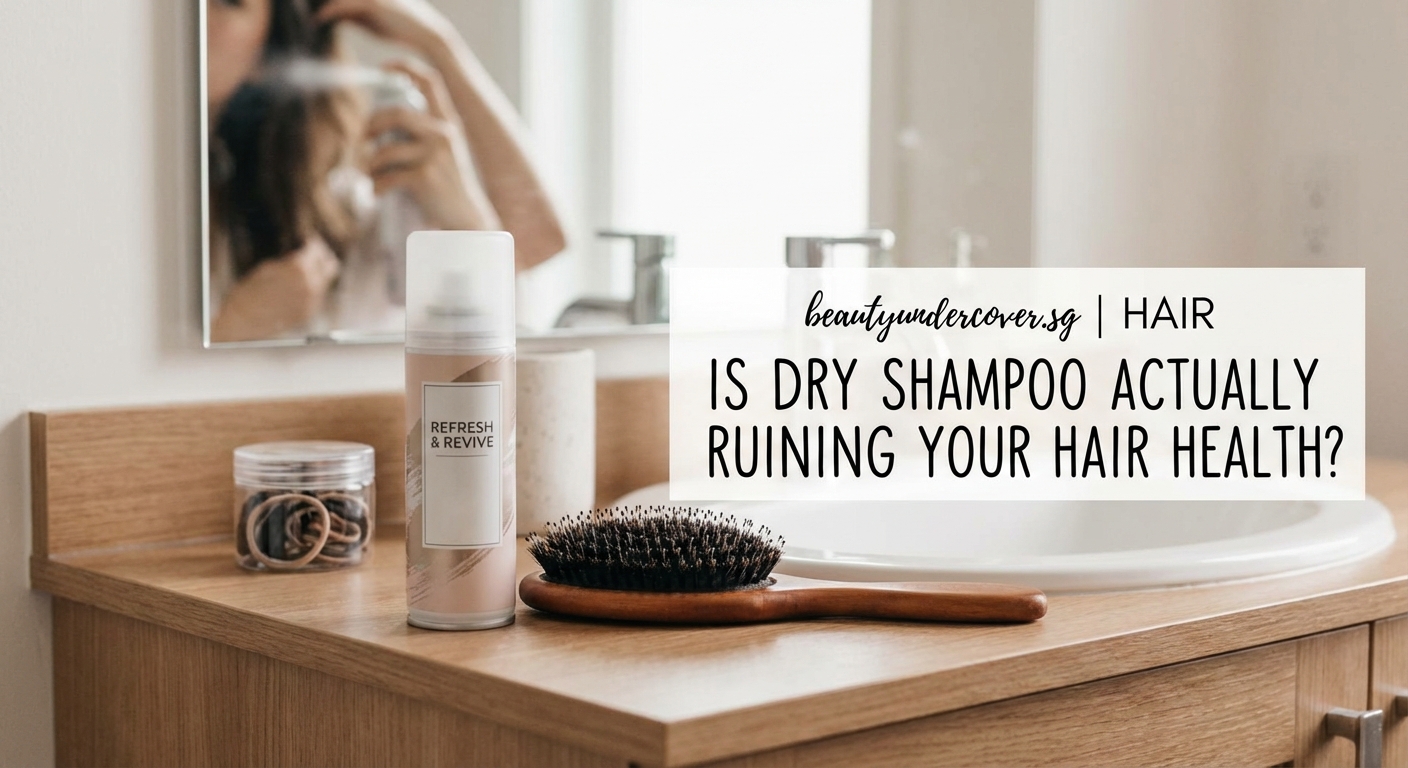
You reach for that familiar bottle on rushed mornings, spritzing your roots to buy one more day between washes. But lately, you’ve noticed your scalp feels itchy, your hair looks duller, and you’re wondering if your beloved dry shampoo is doing more harm than good.
Dry shampoo isn’t inherently bad for your hair, but overuse can lead to scalp buildup, clogged follicles, irritation, and potential hair breakage. When used sparingly (two to three times per week maximum) and applied correctly, it’s a safe styling tool. The key is never replacing regular shampooing and always thoroughly removing product buildup to maintain healthy hair and scalp conditions.
Understanding What Dry Shampoo Actually Does
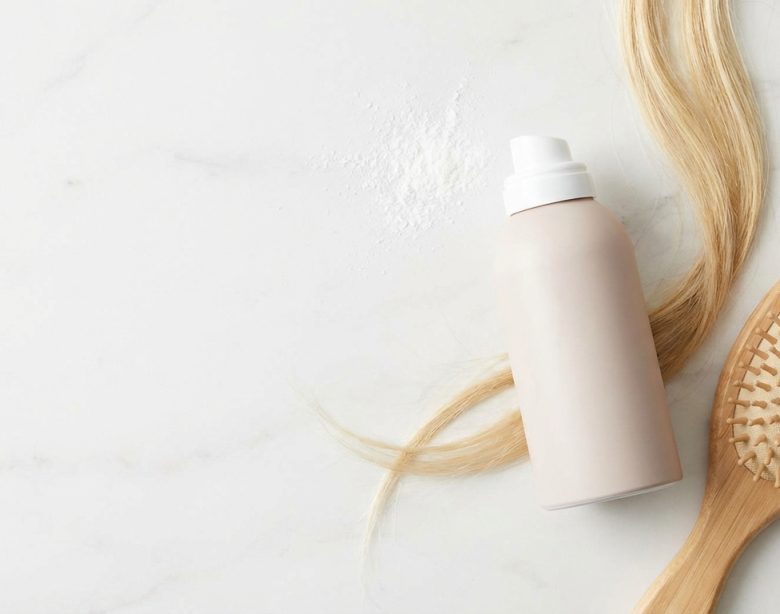
Dry shampoo works by absorbing excess oil from your scalp and hair using powder-based ingredients like rice starch, corn starch, or clay minerals. These particles soak up sebum, making your hair appear cleaner and more voluminous without water.
The product doesn’t actually clean your hair in the traditional sense. It masks oil and odor temporarily.
Regular shampoo uses surfactants to bind with dirt, oil, and product buildup, then rinses everything away with water. Dry shampoo leaves those absorbed oils, along with the product itself, sitting on your scalp and strands.
This fundamental difference matters more than most people realize.
The Real Risks of Regular Dry Shampoo Use
Scalp Buildup and Clogged Follicles
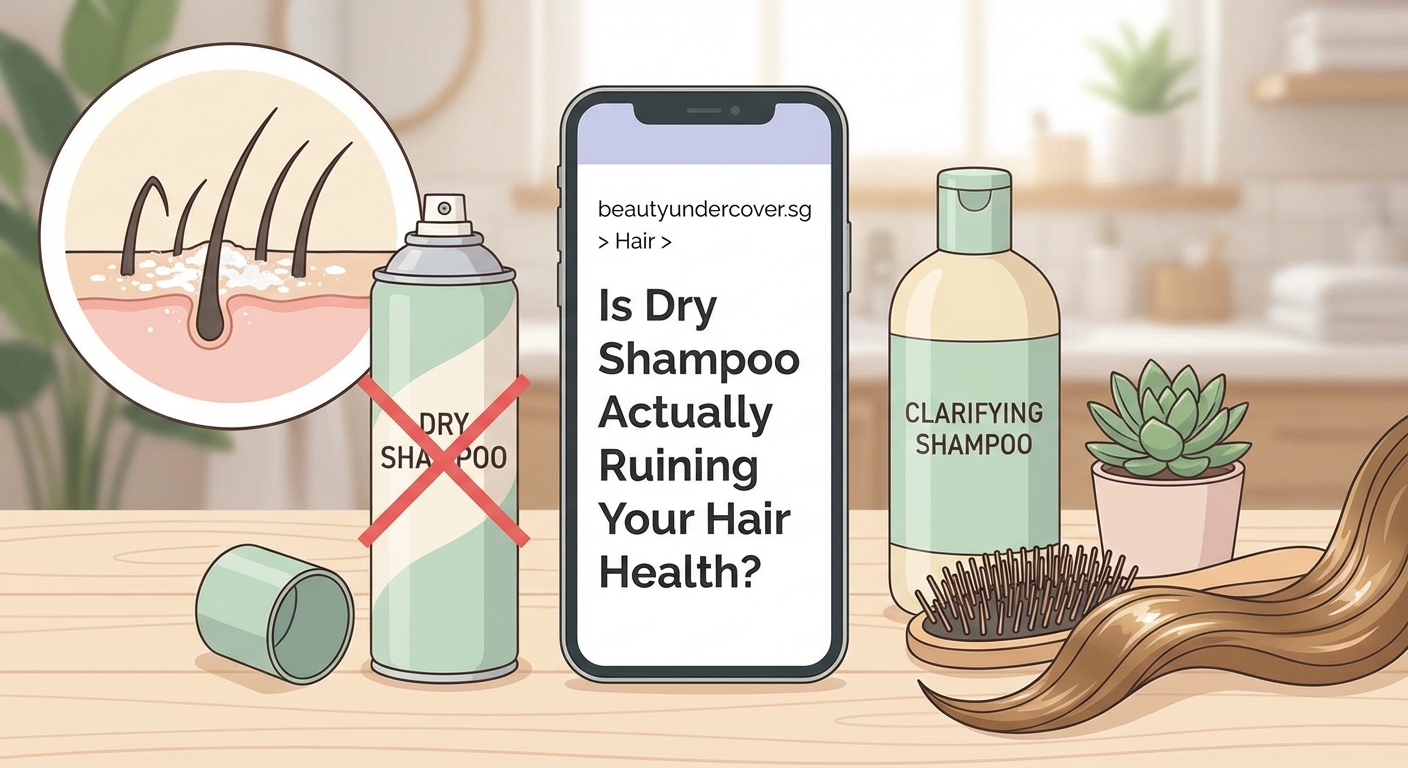
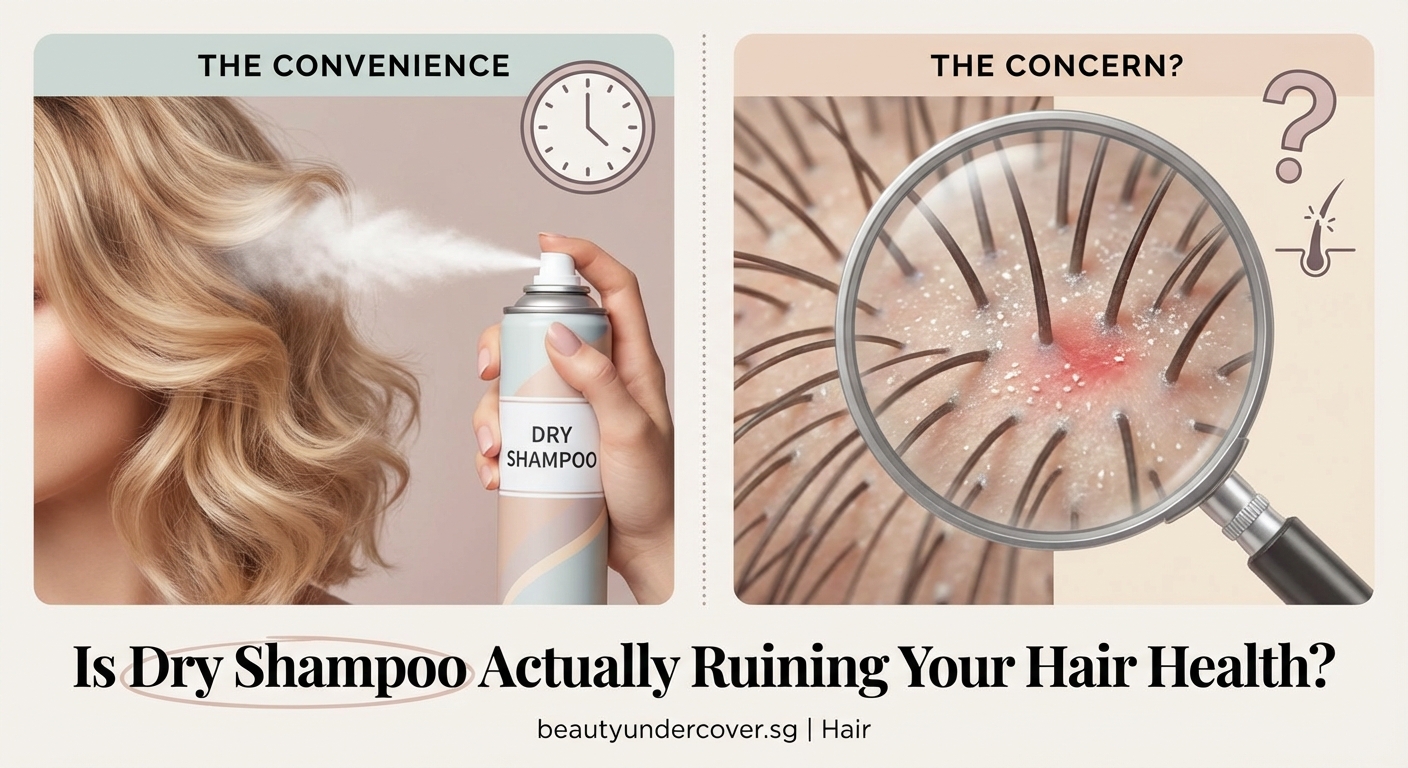
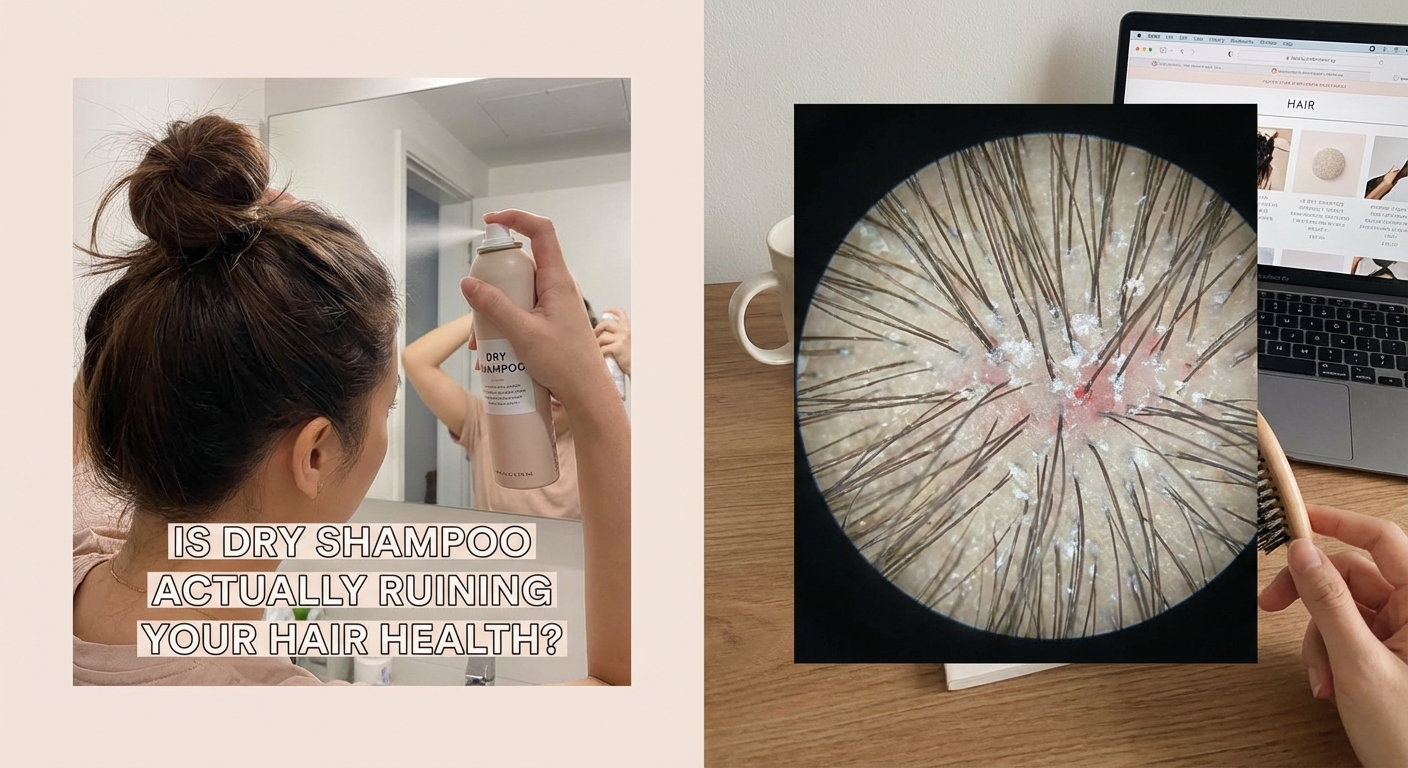
Every time you apply dry shampoo, you’re adding a layer of product to your scalp. Without proper cleansing, these layers accumulate.
The powder particles mix with natural oils, dead skin cells, sweat, and environmental pollutants. This creates a paste-like residue that sits directly on your scalp.
Clogged follicles can’t function properly. They struggle to produce healthy hair and may become inflamed or infected.
Irritation and Inflammation
Many dry shampoos contain alcohol to help the product dry faster and add texture. While effective for styling, alcohol strips moisture from both your scalp and hair.
A dry, irritated scalp often responds by producing more oil to compensate. This creates a cycle where you need more dry shampoo, which causes more dryness, leading to more oil production.
Some people develop contact dermatitis from fragrances or other ingredients in dry shampoo formulas.
Weakened Hair Strands
The texture that makes your hair look fuller comes from the product coating each strand. Over time, this coating can make hair brittle and prone to breakage.
Dry shampoo also creates friction between strands, especially when you brush or style your hair afterward. This mechanical stress damages the hair cuticle.
If you’re already dealing with compromised hair, learning how to repair heat damaged hair at home without cutting it all off can help restore strength while you adjust your dry shampoo habits.
Potential Hair Loss Connection
While dry shampoo doesn’t directly cause permanent hair loss, the scalp conditions it creates can contribute to temporary shedding.
Inflamed, clogged follicles don’t support optimal hair growth. Weakened strands break more easily, creating the appearance of thinning.
If you notice increased shedding after frequent dry shampoo use, your scalp likely needs a reset.
When Dry Shampoo Actually Helps
Despite the risks, dry shampoo serves legitimate purposes when used appropriately.
It extends time between washes for people with very dry or chemically treated hair that benefits from less frequent shampooing. Washing too often can strip essential oils from already dry hair types.
The product adds volume and texture for styling, especially for fine or limp hair. Many people use it as a texturizing spray rather than an oil absorber.
Dry shampoo provides convenience during travel, after workouts when you can’t shower immediately, or during illness when washing your hair feels impossible.
The difference between helpful and harmful comes down to frequency and application method.
How to Use Dry Shampoo Without Damaging Your Hair
Follow these steps to minimize risks while getting the benefits:
-
Shake the can thoroughly to distribute the powder evenly and prevent concentrated spots that create more buildup.
-
Hold the bottle 6 to 8 inches from your scalp to ensure even distribution and avoid concentrated product deposits that are harder to remove.
-
Apply only to your roots in short bursts, focusing on the oiliest areas like your hairline, crown, and part.
-
Wait two to three minutes before touching your hair to let the powder fully absorb the oil.
-
Massage the product in thoroughly with your fingertips, working it down to your scalp to prevent visible white residue and distribute the powder.
-
Brush through your hair to remove excess product and distribute what remains evenly from roots to ends.
“Think of dry shampoo as a styling product, not a replacement for washing. If you wouldn’t skip washing your face for three days, you shouldn’t skip washing your scalp either.” – Trichologist specializing in scalp health
Common Mistakes That Cause the Most Damage
| Mistake | Why It’s Harmful | Better Approach |
|---|---|---|
| Using it daily | Prevents scalp from breathing, creates excessive buildup | Limit to 2-3 times per week maximum |
| Spraying too close | Concentrates product in small areas, harder to distribute evenly | Keep 6-8 inches away from scalp |
| Skipping the massage | Leaves visible residue, doesn’t absorb oil effectively | Work product in with fingertips for 30 seconds |
| Not brushing it through | Allows powder to cake on scalp and hair | Brush thoroughly after application |
| Using it on dirty hair | Adds to existing buildup instead of refreshing | Start with relatively clean hair |
| Choosing the wrong formula | Alcohol-heavy formulas dry out scalp excessively | Look for gentler, starch-based options |
Finding the Right Balance for Your Hair Type
Fine hair typically gets oily faster but also shows buildup more obviously. Use dry shampoo sparingly and choose lightweight formulas.
Thick or coarse hair can often go longer between washes naturally. You might need dry shampoo less frequently than you think.
Curly or textured hair tends to be drier and benefits from less frequent washing overall. Dry shampoo can disrupt curl patterns and cause frizz, so use it strategically only when necessary.
Color-treated hair needs protection from both overwashing and product buildup. Tinted dry shampoos designed for colored hair can refresh roots without the harsh ingredients found in some regular formulas.
Signs Your Scalp Needs a Break
Pay attention to these warning signals:
- Persistent itching that doesn’t resolve after washing
- Flaking that looks different from your normal dandruff pattern
- Tenderness or pain when you touch your scalp
- Increased hair shedding in the shower or on your brush
- Hair that feels gummy, sticky, or stiff even after washing
- Reduced volume despite using volumizing products
- Scalp acne or small bumps along your hairline
If you notice any of these symptoms, stop using dry shampoo immediately and focus on gentle, thorough cleansing for at least two weeks.
Healthier Alternatives and Complementary Practices
DIY Options
Cornstarch or arrowroot powder works similarly to commercial dry shampoo without added fragrances or alcohol. Add cocoa powder for darker hair tones.
Apply with a makeup brush for more controlled distribution.
Scalp Care Integration
Regular scalp exfoliation removes buildup that dry shampoo creates. Use a gentle scalp scrub once weekly.
Clarifying shampoo once or twice monthly strips away accumulated product residue that regular shampoo might miss.
Washing Technique Adjustments
Focus your regular shampoo on your scalp, not your lengths. Your scalp produces oil; your ends don’t need the same cleansing intensity.
Rinse thoroughly for at least twice as long as you think necessary. Product residue from incomplete rinsing mimics the problems dry shampoo creates.
Timing Strategies
Apply dry shampoo the night before you need it rather than in the morning. This gives the powder maximum time to absorb oil and allows you to brush out excess before styling.
Your hair will look fresher in the morning with less visible residue.
Creating a Sustainable Hair Care Routine
Building healthy habits means thinking beyond individual products to your overall approach.
Train your scalp to produce less oil by gradually extending time between washes. Your sebum production adjusts to your washing frequency over several weeks.
Start by adding just one extra day between washes. Use that transition period to experiment with styles that work with slightly oily hair rather than fighting it.
Incorporate the ultimate 10-minute morning skincare routine for busy people mindset to your hair care by streamlining your process. Efficiency doesn’t require sacrificing thoroughness.
Invest in a shower cap for days when you wash your body but not your hair. This prevents the temptation to wet your hair “just a little,” which often leads to needing dry shampoo afterward.
Product Ingredients to Seek and Avoid
Look for dry shampoos with:
- Rice or tapioca starch as primary absorbers
- Clay minerals like kaolin for gentle oil absorption
- Natural fragrances or fragrance-free options
- Minimal alcohol content
Avoid formulas with:
- Talc, which has raised health concerns in some studies
- High alcohol content listed in the first five ingredients
- Aerosol propellants if you have respiratory sensitivities
- Heavy synthetic fragrances that can irritate sensitive scalps
Reading ingredient lists matters as much for hair products as it does for skincare.
Making Peace with Your Natural Hair Cycle
Your hair doesn’t need to look freshly washed every single day. That’s an unrealistic standard that dry shampoo companies benefit from promoting.
Slightly textured, lived-in hair often holds styles better than squeaky-clean strands. Many hairstylists prefer working with day-old hair for updos and braids.
Learning to work with your hair’s natural texture and oil production reduces reliance on any product, including dry shampoo.
Second-day hair pulled into a sleek ponytail or bun can look just as polished as freshly washed hair worn down. Third-day hair works beautifully for textured styles, braids, or casual waves.
The Real Answer to Your Hair Health Concerns
Is dry shampoo bad for your hair? The honest answer is that it depends entirely on how you use it.
Occasional use as a styling tool or emergency refresh won’t damage healthy hair. Daily use as a replacement for regular washing absolutely will create problems over time.
Your scalp is skin. It needs regular cleansing to stay healthy, just like the skin on your face. Dry shampoo can’t provide that cleansing, no matter how advanced the formula claims to be.
Think of it as makeup for your hair. Just as you wouldn’t sleep in foundation every night, you shouldn’t coat your scalp in powder continuously without proper cleansing.
Use dry shampoo strategically, wash your hair when it actually needs washing, and pay attention to what your scalp tells you. Your hair will thank you with better texture, stronger growth, and fewer frustrating problems that require even more products to fix.