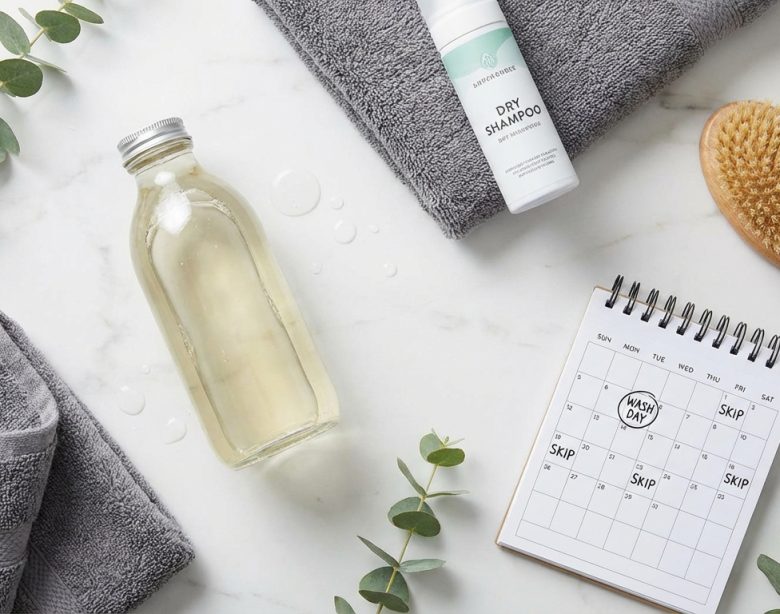
Your hair feels greasy by noon, but your friend washes hers twice a week and looks flawless. What gives? The truth is, there’s no universal answer to how often you should wash your hair. Your scalp produces oil at a different rate than anyone else’s, and factors like hair texture, activity level, and even where you live all play a role. Understanding your unique needs can transform your hair from dull and lifeless to healthy and vibrant.
Most people should wash their hair every two to three days, but this varies widely based on hair type, scalp condition, and lifestyle. Fine or oily hair may need daily washing, while thick, coarse, or curly hair often thrives with just one or two washes per week. The goal is to balance oil production without stripping your scalp of essential moisture.
What determines your ideal washing schedule
Your scalp is constantly producing sebum, a natural oil that protects your hair and keeps it moisturized. Some people produce more sebum than others, which is why your best friend can skip washes while you feel like you need to shampoo every morning.
Hair texture matters enormously. Fine, straight hair shows oil faster because sebum travels down the hair shaft more easily. Thick, curly, or coily hair takes longer for oil to reach the ends, which means these textures can go longer between washes without looking greasy.
Your age also plays a role. Teenagers and young adults often have more active sebaceous glands, leading to oilier scalps. As you get older, oil production typically slows down, and you might find you can stretch washes further.
Activity level changes everything. If you hit the gym five days a week, sweat and bacteria build up on your scalp, making more frequent washing necessary. Someone with a desk job who doesn’t sweat much can usually go longer.
Environmental factors count too. Humid climates can make hair look greasier faster. Pollution and hard water can leave residue that requires more frequent cleansing.
Washing frequency by hair type
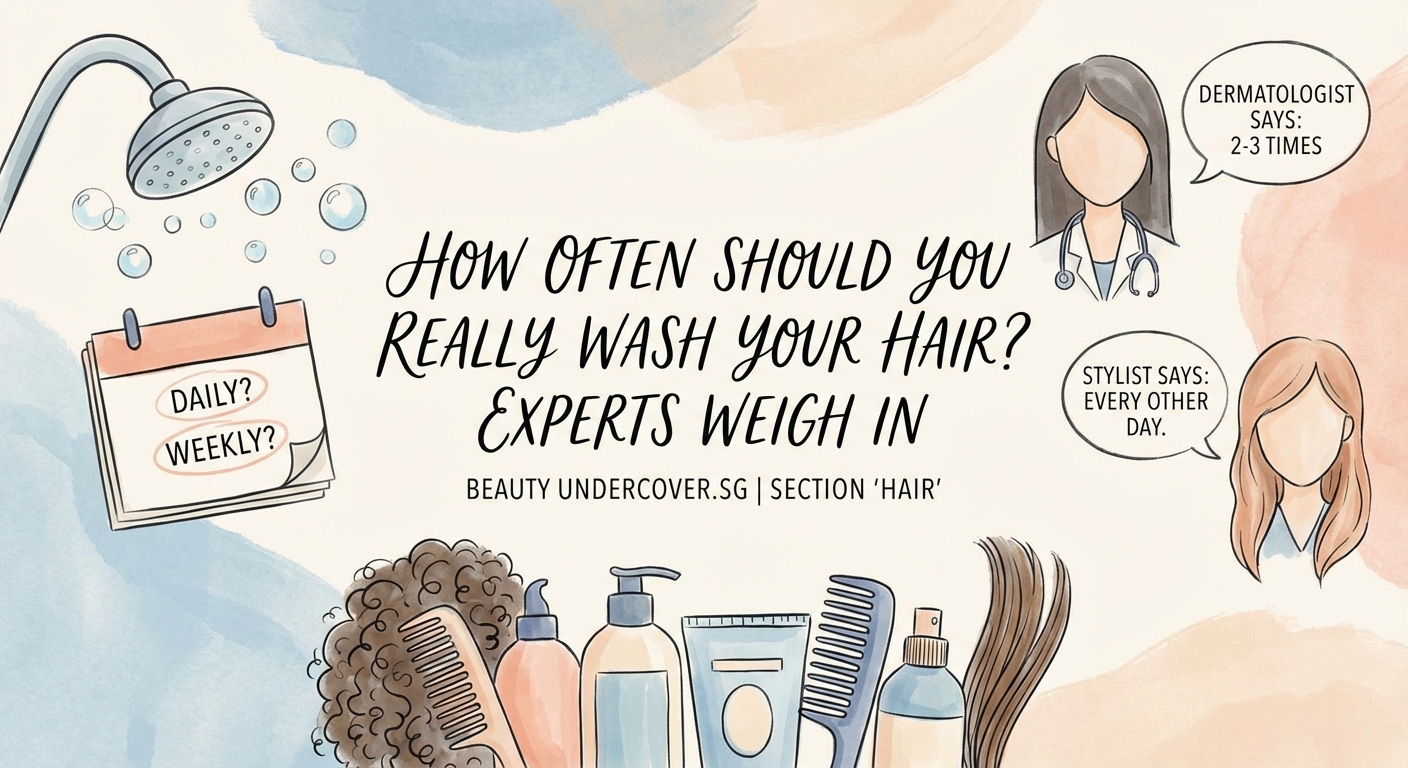
Different hair types have vastly different needs. Here’s what works for most people:
Fine or thin hair tends to look flat and oily within 24 to 48 hours. Washing every day or every other day usually works best. Use lightweight, volumizing formulas that won’t weigh hair down.
Medium or normal hair typically looks fresh for two to three days. This is the sweet spot for most washing schedules. You can experiment within this range to find what feels right.
Thick or coarse hair holds up well for three to four days between washes. These hair types benefit from the natural oils that keep strands moisturized and manageable.
Curly or coily hair often does best with just one or two washes per week. These textures are naturally drier because sebum has a harder time traveling down the spiral shape of each strand. Over-washing can lead to dryness, frizz, and breakage.
Color-treated or chemically processed hair needs gentler, less frequent washing to preserve color and prevent further damage. Aim for two to three times per week with sulfate-free formulas.
| Hair Type | Recommended Frequency | Key Consideration |
|---|---|---|
| Fine/Thin | Daily to every other day | Prone to looking greasy fast |
| Medium/Normal | Every 2-3 days | Most flexible schedule |
| Thick/Coarse | Every 3-4 days | Needs natural oils for moisture |
| Curly/Coily | 1-2 times per week | Avoid dryness and frizz |
| Color-Treated | 2-3 times per week | Preserve color and prevent damage |
Signs you’re washing too often
Over-washing strips your scalp of its natural oils, triggering a rebound effect where your scalp produces even more oil to compensate. This creates a frustrating cycle where you feel like you need to wash more frequently, but you’re actually making the problem worse.
Your hair might feel dry and brittle at the ends while still looking greasy at the roots. This is a classic sign of over-washing. The shampoo is removing too much natural moisture, leaving your lengths parched.
Scalp irritation, itching, or flaking can also indicate you’re washing too much. Your scalp’s protective barrier becomes compromised, leading to sensitivity and inflammation.
Color fading faster than expected means you’re probably shampooing too often. Each wash strips a bit of color, especially if you’re using harsh sulfates.
Increased hair breakage and split ends suggest your hair is becoming weak and dehydrated from excessive cleansing.
“Your scalp is skin, and just like the skin on your face, it needs a balanced approach. Strip it too often, and you’ll trigger overproduction of oil. Wash too little, and you’ll deal with buildup and potential inflammation. Finding your personal balance is key.” – Dermatologist recommendation
Signs you’re not washing enough

On the flip side, under-washing comes with its own set of problems. Dead skin cells, excess sebum, and product buildup accumulate on your scalp, creating an environment where bacteria and yeast can thrive.
Persistent itching that doesn’t go away might indicate buildup. Your scalp is trying to signal that it needs a proper cleanse.
Visible flakes that aren’t typical dandruff could be product residue or accumulated dead skin cells. A thorough wash with a clarifying shampoo can help.
An unpleasant odor from your scalp suggests bacterial overgrowth. Hair should smell neutral or lightly fragranced from your products, not musty or sour.
Hair that feels heavy, looks dull, and won’t hold a style often means there’s too much buildup weighing it down. Even dry shampoo can only do so much before you need a proper reset.
Scalp acne or small bumps along your hairline indicate clogged follicles from oil and product accumulation.
How to wash your hair properly
Getting the technique right matters just as much as frequency. Here’s the step-by-step process that maximizes cleansing while minimizing damage:
-
Brush before you shower. This removes tangles and distributes natural oils from root to tip, making washing more effective.
-
Wet your hair thoroughly with lukewarm water. Hot water strips more oil and can irritate your scalp. Spend at least 30 seconds saturating every strand.
-
Apply shampoo to your scalp, not your lengths. Focus on massaging the product into your roots with your fingertips, not your nails. The lather that rinses through your lengths is enough to clean them.
-
Massage for at least 60 seconds. This isn’t just about cleaning. You’re stimulating blood flow to your scalp, which promotes healthy hair growth.
-
Rinse completely. Leftover shampoo causes buildup and irritation. Spend twice as long rinsing as you did washing.
-
Apply conditioner from mid-length to ends only. Avoid your roots unless you have extremely dry hair. Let it sit for two to three minutes before rinsing.
-
Finish with cool water. This helps seal the hair cuticle, adding shine and reducing frizz.
If you’ve been dealing with damage, learning how to repair heat damaged hair at home without cutting it all off can complement your new washing routine beautifully.
Extending time between washes
Training your hair to go longer between washes takes patience, but it’s absolutely possible. Your scalp will adjust its oil production over time if you’re consistent.
Start by adding just one extra day between washes. If you normally wash daily, try every other day for two weeks. Your hair might feel greasier at first, but push through. Your scalp is recalibrating.
Use dry shampoo strategically, not as a daily crutch. Apply it to your roots the night before you plan to wear your hair down. This gives it time to absorb oil while you sleep, resulting in better texture in the morning.
Style your hair in ways that work with a bit of texture. Braids, buns, and textured waves all look better on second or third-day hair than freshly washed strands.
Invest in a silk or satin pillowcase. Cotton absorbs your hair’s natural oils and creates friction that leads to frizz. Silk keeps your style intact longer.
Keep your hands out of your hair. Every time you touch your hair, you transfer oil from your fingers to your strands, making them look greasier faster.
Adjust your product routine. Heavy serums and oils applied near your roots will make hair look dirty faster. Apply these products only to your ends.
Consider your workout timing. If you exercise, try to schedule it on wash days. If that’s not possible, rinse with water only and use dry shampoo afterward instead of doing a full wash.
Common washing mistakes to avoid
Even with the right frequency, poor technique can sabotage your results. Here are the mistakes people make most often:
- Using too much product. A quarter-sized amount of shampoo is enough for most people. More doesn’t mean cleaner.
- Scrubbing with your nails. This irritates your scalp and can cause micro-tears. Always use your fingertips.
- Applying conditioner to your roots. Unless you have very dry, coarse hair, this makes your scalp look greasy faster.
- Not rinsing thoroughly enough. Product residue is one of the main causes of dull, lifeless hair.
- Using water that’s too hot. High heat opens the cuticle too much and strips essential moisture.
- Skipping the scalp massage. This is one of the most beneficial parts of washing. Take your time here.
- Washing lengths too aggressively. Your ends are the oldest, most fragile part of your hair. Treat them gently.
Special considerations for different lifestyles
Your daily routine should inform your washing schedule just as much as your hair type does.
Athletes and gym-goers often worry about washing too much because of daily workouts. You don’t always need a full shampoo after exercise. A water-only rinse followed by dry shampoo can refresh your scalp without over-stripping. Save the full wash for every other workout or when your hair truly feels dirty.
People with very active outdoor lifestyles exposed to sun, chlorine, or saltwater need more frequent washing to remove these harsh elements. Use a gentle, moisturizing shampoo to prevent dryness.
Those with scalp conditions like seborrheic dermatitis, psoriasis, or severe dandruff might need medicated shampoos used on a specific schedule. Follow your dermatologist’s recommendations, which might mean washing more or less frequently than general guidelines suggest.
New parents and busy professionals sometimes struggle to maintain any routine. On days when a full wash feels impossible, a thorough dry shampoo application and a high ponytail can buy you another day. Just like the ultimate 10-minute morning skincare routine for busy people makes self-care manageable, finding shortcuts for hair care helps you stay consistent.
People living in different climates need to adjust seasonally. You might wash more often in humid summer months and less in dry winter weather.
Choosing the right products for your schedule
The products you use matter enormously. If you’re washing less frequently, you need formulas that thoroughly cleanse without being harsh.
For daily washers, choose gentle, sulfate-free shampoos that won’t strip your scalp. Look for words like “daily,” “gentle,” or “balancing” on the label.
For weekly washers, you need more clarifying power to remove buildup. Rotate between a moisturizing shampoo and a clarifying formula used once every two weeks.
Dry shampoo quality varies wildly. Avoid formulas with heavy talc or starch that leave white residue. Look for invisible, powder-free options or tinted versions that match your hair color.
Scalp treatments can extend your washing schedule. Products with tea tree oil, salicylic acid, or witch hazel help control oil and keep your scalp feeling fresh between washes.
Co-washing (using conditioner instead of shampoo) works well for very dry, curly, or coily hair types. These formulas gently cleanse without stripping natural oils.
Adjusting your routine over time
Your ideal washing frequency isn’t fixed forever. Life changes, and your routine should adapt.
Hormonal fluctuations during pregnancy, menopause, or while starting or stopping birth control can dramatically change your scalp’s oil production. Be willing to reassess your schedule during these times.
Seasonal shifts often require adjustments. Many people find they need to wash more in summer and can stretch washes longer in winter.
As you age, your sebaceous glands become less active. You might find that the every-other-day schedule that worked in your twenties feels like too much in your forties.
Product changes can affect your washing needs. Switching to heavier styling products might mean you need to wash more often, while lightweight formulas let you stretch washes further.
Health changes, medications, and stress levels all impact your scalp. Increased stress can trigger more oil production. Some medications cause dryness. Pay attention to these factors and adjust accordingly.
Building a sustainable hair care routine
Finding your perfect washing schedule is part of building a complete hair care approach that works with your life, not against it. Think of it like building a body care routine that actually works. Consistency matters more than perfection.
Start by tracking your current routine for two weeks. Note when you wash, how your hair looks and feels each day, and what activities you do. This gives you baseline data to work from.
Make one change at a time. If you want to wash less frequently, add one extra day between washes and stick with it for at least two weeks before making another adjustment.
Be patient with the transition period. Your scalp needs time to adjust its oil production. The first week of any new schedule often feels uncomfortable, but most people see improvement by week three.
Listen to your scalp, not arbitrary rules. If your scalp feels itchy, irritated, or uncomfortable, that’s feedback. Adjust based on what you’re experiencing, not what you think you should be doing.
Remember that healthy hair starts with a healthy scalp. Just like you wouldn’t skip washing your face for a week, your scalp needs regular cleansing. But also like your face, over-washing causes problems. Balance is everything.
Your hair, your rules
There’s no magic number of days that works for everyone. Your perfect washing schedule depends on your unique combination of hair type, scalp condition, lifestyle, and environment. The goal isn’t to follow someone else’s routine. It’s to understand your hair well enough to give it exactly what it needs. Start with the general guidelines for your hair type, pay attention to how your scalp responds, and adjust from there. Your hair will tell you what it needs if you’re willing to listen.