You’ve probably noticed a shift in how people talk about makeup lately. It’s not just about looking good anymore. It’s about feeling good too. The dopamine beauty trend is rewriting the rules of how we choose and wear cosmetics, putting emotional wellness at the center of every product decision.
The dopamine beauty trend prioritizes makeup that triggers positive emotions through vibrant colors, playful textures, and products that make you genuinely happy. Instead of following strict beauty standards, this movement encourages choosing cosmetics based on how they make you feel, combining self-care with aesthetic expression to create a more joyful relationship with makeup.
What the dopamine beauty trend actually means
Dopamine beauty isn’t just another aesthetic floating around social media. It’s a fundamental shift in why we buy and wear makeup.
The concept draws from dopamine dressing, where clothing choices are made based on mood-boosting colors and textures. But makeup takes this further because it sits directly on your skin. Every time you catch your reflection, you get a little hit of joy.
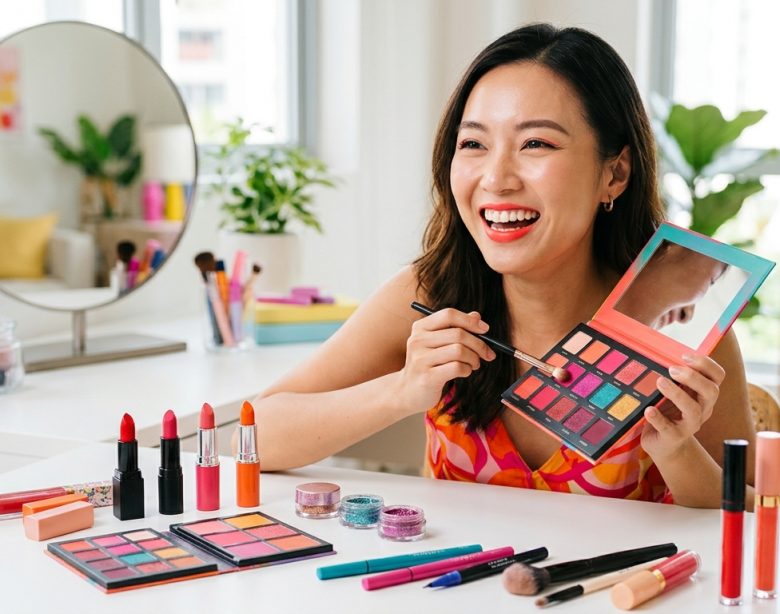
Think bright pink blush. Electric blue eyeliner. Glossy lips in unexpected shades. These aren’t products you wear to impress anyone else. They’re products that make you smile when you look in the mirror.
The trend gained serious traction on TikTok throughout 2023 and 2024. Beauty creators started sharing “makeup that makes me happy” videos. Comment sections filled with people saying they felt seen. The movement grew because it validated something many of us already knew: makeup should be fun.
Research backs this up too. Color psychology shows that certain hues can influence mood. Warm tones like coral and peach tend to feel energizing. Cool tones like lavender can feel calming. The dopamine beauty trend lets you use these effects intentionally.
Why this trend resonates with younger beauty consumers
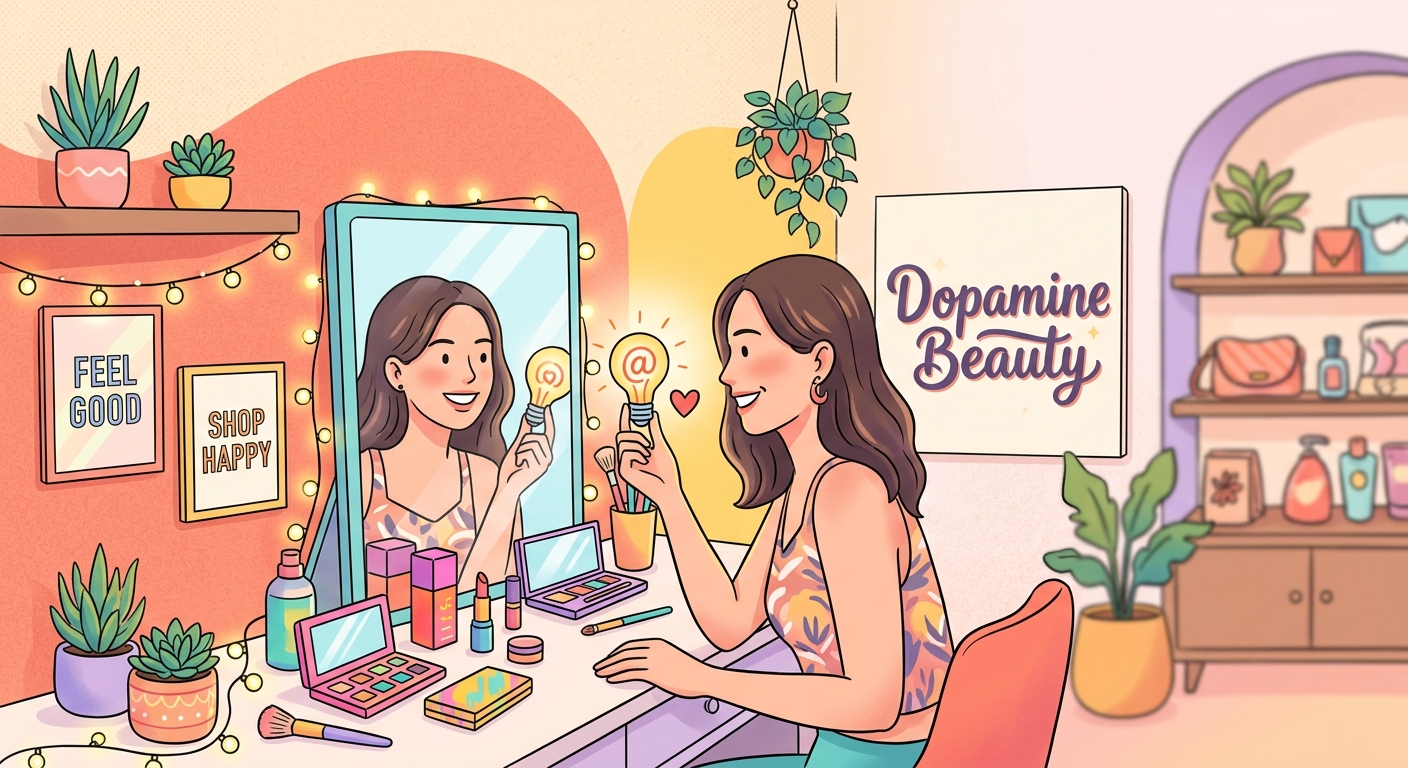
Gen Z and younger millennials grew up with Instagram perfection. Contouring tutorials. Flawless skin filters. Makeup that looked beautiful but felt like work.
The dopamine beauty trend is a direct reaction to that exhaustion. It prioritizes feeling over perfection. A slightly messy application doesn’t matter if the color makes you grin.
This generation also values mental health openly. They talk about therapy, self-care routines, and emotional wellness without stigma. Makeup that supports mental wellbeing fits naturally into that conversation.
Social media algorithms favor this content too. Videos showing genuine reactions to products perform better than polished tutorials. When someone tears up because a lipstick shade makes them feel confident, viewers connect with that authenticity.
The trend also aligns with broader cultural shifts toward individuality. Cookie-cutter beauty standards are losing their grip. People want to look like themselves, just happier versions.
“Dopamine beauty is about giving yourself permission to play. It’s makeup as self-expression rather than self-improvement. When you choose products that genuinely spark joy, getting ready becomes a form of daily self-care.” – Beauty therapist and wellness advocate
How to build your own dopamine beauty routine
Creating a dopamine-driven makeup collection doesn’t require buying everything at once. Start by identifying what genuinely makes you happy.
Step 1: Audit your current collection
Go through your existing products. Pull out anything that makes you smile when you see it. Maybe it’s a lipstick you bought on vacation. Or a blush that reminds you of your favorite flower.
Notice what you avoid using. Sometimes we keep products because they were expensive or trending, not because we love them. Those can go.
Step 2: Identify your joy triggers
What colors lift your mood? What textures feel satisfying? Do you prefer glossy finishes or matte? Creamy formulas or powder?
Think beyond traditional beauty advice. If yellow eyeshadow makes you happy, that matters more than whether it “suits your undertone.”
Consider sensory experiences too. Some people love the click of a lipstick tube. Others prefer cushiony applicators. These small details contribute to the overall joy of using a product.
Step 3: Shop with intention
When buying new products, ask yourself: “Will this make me happy every time I use it?”
Test products in natural light when possible. Swatch them on your skin. Notice your immediate emotional reaction. If you feel excited, that’s your answer.
Don’t be swayed by influencer recommendations if the product doesn’t resonate with you personally. The whole point is choosing based on your own joy, not someone else’s.
Step 4: Create rituals around application
The dopamine boost comes from the entire experience, not just the final look. Make your makeup routine feel special.
Play music you love. Light a candle. Give yourself enough time to enjoy the process rather than rushing.
Some people find that building a simple skincare routine before makeup helps them feel more present and intentional with their beauty rituals.
Step 5: Experiment without judgment
Try that bright orange lipstick. Test neon eyeliner. Mix unexpected colors. The worst that happens is you wash it off.
Document what works. Take photos on days when your makeup makes you genuinely happy. Over time, you’ll notice patterns in what brings you joy.
Key products that define the dopamine beauty movement
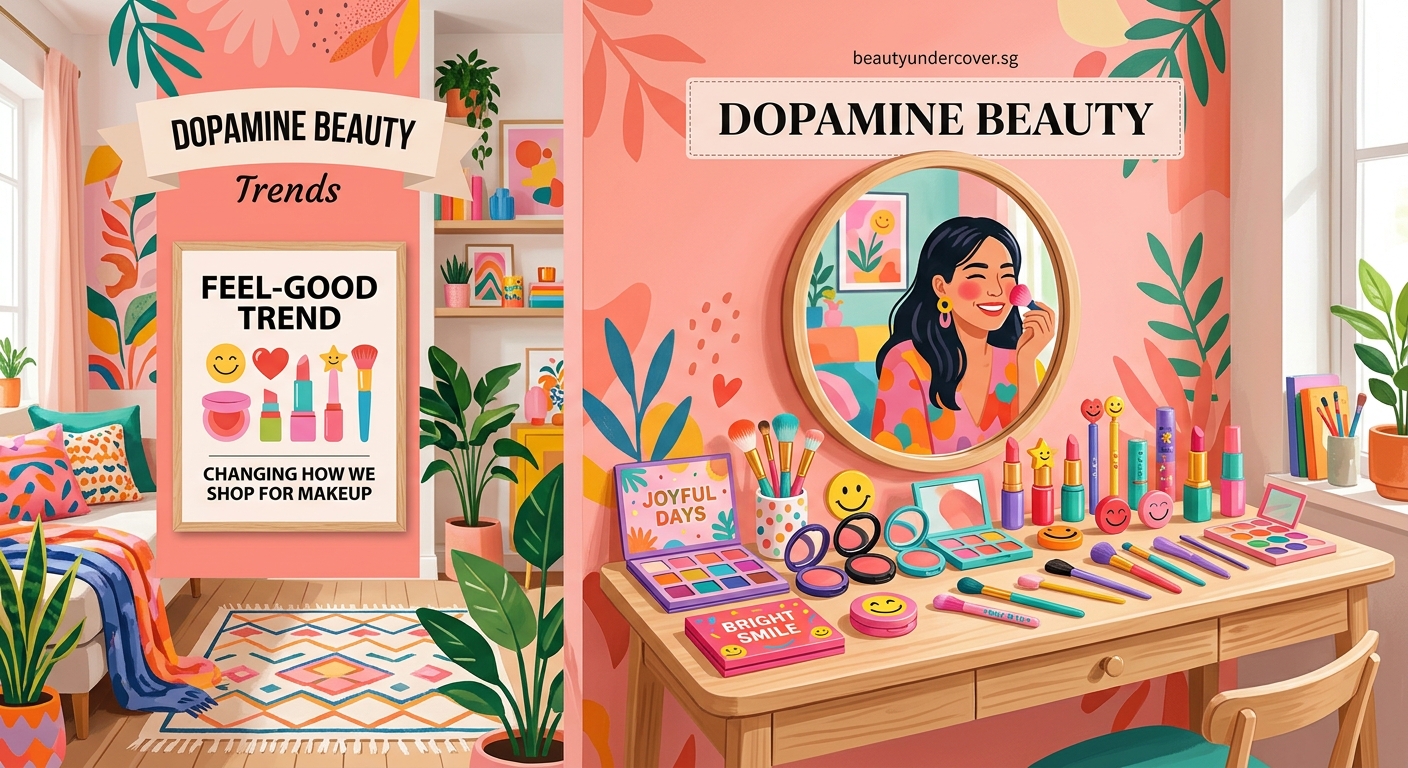
Certain product categories naturally lend themselves to this trend. Here’s what to consider adding to your collection:
- Vibrant blushes in unexpected shades: Think hot pink, bright coral, or even lavender tones
- Colorful eyeliners: Electric blue, emerald green, or metallic purple options
- Glossy lip products: High-shine formulas in playful colors that catch the light
- Cream eyeshadows in bold hues: Easy to apply and blend, perfect for spontaneous looks
- Nail polishes in mood-boosting colors: Your hands are always visible, making this an easy dopamine hit
- Scented products with uplifting fragrances: Citrus, vanilla, or floral notes that make application more sensory
The best products for dopamine beauty often have multiple sensory appeals. A lipstick might have a beautiful color, smooth texture, satisfying click, and light vanilla scent. Each element adds to the joy.
Common mistakes when trying this trend
| Mistake | Why it happens | Better approach |
|---|---|---|
| Buying every trending colorful product | Excitement about the trend leads to impulse purchases | Start with one or two products in colors you genuinely love |
| Forcing yourself to wear bold looks daily | Misunderstanding the trend as requiring constant brightness | Dopamine beauty can be a nude lip that makes you feel confident |
| Ignoring your actual preferences | Following what others say should make you happy | Trust your own emotional responses to products |
| Treating it as another beauty standard | Pressure to participate in every trend | Only engage if it genuinely appeals to you |
| Neglecting product quality for color | Prioritizing fun shades over good formulas | Choose products that perform well and look appealing |
The biggest misconception is that dopamine beauty requires bold, bright makeup every day. For some people, a perfectly applied no-makeup makeup look triggers more dopamine than neon eyeshadow. The trend is about knowing what works for you.
How dopamine beauty changes the shopping experience
This trend fundamentally alters how we approach beauty purchases. Traditional shopping focused on problem-solving. You bought concealer to hide dark circles. Foundation to even skin tone. Products were solutions to perceived flaws.
Dopamine beauty flips this. You buy products because they bring joy, not because you need to fix something.
This shift affects what questions you ask in stores. Instead of “Will this cover my redness?” you ask “Does this color make me excited to wear it?”
Sales associates trained in traditional beauty might find this confusing. They’re used to matching customers to products based on skin concerns. Now customers want to know how a product feels, smells, and whether the packaging sparks joy.
Online shopping becomes trickier too. You can’t experience the sensory elements through a screen. This is where reviews focusing on emotional reactions become valuable. Comments like “this blush makes me so happy every morning” matter more than technical shade descriptions.
Some brands are catching on. Product descriptions now include mood-focused language. “Energizing coral” instead of just “warm-toned pink.” “Confidence-boosting red” rather than simply “classic red shade.”
The psychology behind why this works
Understanding the science makes the trend feel less frivolous and more legitimate as a wellness practice.
Dopamine is a neurotransmitter associated with pleasure, motivation, and reward. When you do something that triggers dopamine release, your brain wants to repeat that behavior.
Wearing makeup that makes you happy creates a positive feedback loop. You feel good when you apply it. You feel good when you see yourself. Your brain learns to associate your makeup routine with positive emotions.
Color psychology plays a role too. Certain colors have measurable effects on mood and energy levels. Red can increase heart rate and create feelings of excitement. Blue tends to have a calming effect. Yellow is associated with happiness and optimism.
But individual associations matter more than universal color meanings. If purple reminds you of your grandmother’s garden, it might bring you joy even though it’s not traditionally considered a “happy” color.
The tactile experience matters as well. Smooth, creamy textures can feel luxurious and comforting. The physical act of application becomes a form of self-touch, which can be soothing and grounding.
Scent adds another layer. Fragrance is directly linked to the limbic system, the part of the brain that processes emotions and memories. A product that smells good can trigger positive associations before you even apply it.
How to explain this to people who don’t get it
You might face skepticism. “It’s just makeup” is a common response. Here’s how to frame it:
Makeup as self-care isn’t new. People have used cosmetics for confidence and self-expression for thousands of years. The dopamine beauty trend just makes that emotional component explicit.
Compare it to other mood-boosting practices people readily accept. No one questions why someone might buy flowers for themselves or wear their favorite sweater on a tough day. Makeup that makes you happy is the same concept.
For people focused on the cost, explain that buying one lipstick that genuinely brings joy is more valuable than ten products you feel obligated to use. Quality over quantity applies to emotional value too.
Some might worry it’s narcissistic or self-indulgent. Counter this by noting that feeling good about yourself often makes you more present and generous with others. Self-care isn’t selfish when it helps you show up better in your life.
If someone still doesn’t understand, that’s okay. The dopamine beauty trend is personal by definition. Not everyone needs to participate or approve.
Combining dopamine beauty with practical considerations
Joy shouldn’t completely override function. You still need products that work for your skin type, lifestyle, and environment.
A bright blue mascara might make you happy, but if it smudges on your oily lids within an hour, the frustration will outweigh the joy. Look for formulas that perform well in addition to looking appealing. Understanding why eyeshadow creases and how to prevent it helps you choose products that maintain their dopamine-boosting effects throughout the day.
Consider your daily activities. If you work in a conservative environment, you might save bold looks for weekends. Or find subtle ways to incorporate the trend, like a fun nail color hidden under professional attire.
Climate matters too. Glossy products that feel luxurious might not work in humid weather. Choosing between waterproof and long-wear formulas based on your needs ensures your joyful products actually stay put.
Skin sensitivity is another factor. A beautiful bright blush won’t bring joy if it causes irritation. Always check ingredients if you have reactive skin.
The goal is finding the overlap between what makes you happy and what actually works for your life.
Budget-friendly ways to try the trend
Dopamine beauty doesn’t require luxury products. Joy comes from the emotional connection, not the price tag.
Drugstore brands now offer extensive color ranges. You can find vibrant options at every price point. Affordable foundations that rival high-end brands prove that quality and fun don’t require spending a fortune.
Single eyeshadows are more budget-friendly than palettes. Buy individual shades in colors you know you’ll love rather than a palette with only two shades you’ll actually use.
Nail polish offers the most affordable entry point. A $5 bottle in a color that makes you smile provides weeks of dopamine hits every time you look at your hands.
Look for sales and promotions on colorful products. Brands often discount bold shades because they’re harder to sell than neutral tones. This works in your favor.
Consider multi-use products. A bright cream blush can work on lips and cheeks, giving you more joy per dollar spent.
Some people find that shopping at beauty outlets or waiting for seasonal sales helps them try the trend without financial stress.
When dopamine beauty becomes your new normal
After a few weeks of intentional joy-focused makeup choices, something shifts. The practice becomes automatic.
You stop reaching for products out of habit or obligation. Your hand naturally goes to items that make you happy.
Your collection starts to reflect your actual preferences rather than aspirational beauty standards. The gap between what you own and what you use shrinks.
Getting ready in the morning feels less like a chore and more like a moment of self-connection. Even on rushed days, applying one product you love can set a positive tone.
You might notice you’re more experimental. When makeup is about joy rather than perfection, there’s less fear of getting it wrong. A look that doesn’t work out is just a learning experience, not a failure.
Other areas of your life might shift too. The practice of checking in with what genuinely makes you happy can extend beyond makeup. You start questioning other “shoulds” and making more authentic choices.
This doesn’t mean every day will feel magical. Sometimes you’ll be too tired or stressed to care about makeup. That’s fine. The trend is about having the option to use beauty as a mood-boosting tool when you want it.
Making dopamine beauty work for different lifestyles
The trend adapts to various situations and life stages.
For students: Focus on affordable options and looks that work with your schedule. A bright lip balm takes seconds to apply between classes but still provides a mood lift.
For professionals: Find workplace-appropriate ways to incorporate the trend. A bold nail color, subtle shimmer on lids, or a lip color just a shade brighter than your usual might be your version.
For parents: Choose products that apply easily and don’t require precision. Cream formulas you can blend with fingers work well when you’re getting ready with a toddler at your feet. Even a minimal evening routine can incorporate one joyful product.
For active lifestyles: Prioritize products that last through workouts or outdoor activities. A long-wearing lip stain in a fun color or waterproof mascara in an unexpected shade might be your go-to.
For sensitive skin: The trend works with gentle formulas too. Many clean beauty brands offer colorful options without irritating ingredients. Joy doesn’t require compromising skin health.
The beauty of this movement is its flexibility. There’s no single way to practice dopamine beauty. It molds to fit your life rather than requiring you to change your life to fit it.
Why this trend might actually last
Unlike many beauty trends that fade after a season, dopamine beauty has staying power. Here’s why.
It’s rooted in genuine psychological principles rather than just aesthetics. The mood-boosting effects of color and self-expression aren’t going anywhere.
The trend empowers rather than dictates. It doesn’t tell you what to buy or how to look. It gives you permission to trust your own preferences.
It aligns with broader cultural movements toward authenticity and mental health awareness. As these values become more mainstream, practices that support them gain traction.
The economic argument is strong too. When people buy products they genuinely love, they use them more. Less waste, more satisfaction. Brands benefit from customers who actually finish products and repurchase favorites.
Social media algorithms will continue to favor authentic emotional content over polished perfection. This keeps the trend visible and accessible to new audiences.
Most importantly, it works. People who try dopamine beauty often stick with it because they notice a real difference in how they feel. That personal experience is more convincing than any trend cycle.
Finding joy in your makeup bag
The dopamine beauty trend isn’t about following rules or buying specific products. It’s about recognizing that makeup can be a tool for emotional wellness, not just physical appearance.
Your makeup bag should make you happy when you open it. Every product should earn its place by bringing you genuine joy, whether that’s through color, texture, scent, or the confidence it gives you.
Start small if this feels overwhelming. Choose one product this week that makes you smile. Notice how it affects your mood. Build from there.
The most revolutionary thing about dopamine beauty might be its simplicity. In a world of complicated routines and expensive products, it reminds us that beauty’s real value lies in how it makes us feel. Trust that feeling. Your happiness is the best guide.