You stare at your reflection and all you see are those tiny craters dotting your nose and cheeks. Pores seem to expand overnight, collecting oil and makeup, making your skin texture look uneven. You’ve tried everything from pore strips to Instagram-famous serums, but nothing seems to work. Here’s the truth: you can’t actually shrink pores permanently, but you can make them significantly less visible with the right approach.
Pore size is largely genetic, but you can minimize their appearance through consistent cleansing, chemical exfoliation with AHAs or BHAs, retinol application, daily sunscreen use, and avoiding comedogenic products. Professional treatments like microneedling and laser therapy offer more dramatic results. The key is keeping pores clear of debris and maintaining skin firmness through collagen support.
Understanding Why Your Pores Look So Large
Pores are tiny openings in your skin that release oil and sweat. Their size is determined by genetics, but several factors make them appear larger than they actually are.
When dead skin cells, oil, and dirt accumulate inside pores, they stretch the opening. Think of it like a balloon. An empty balloon is small, but fill it with water and it expands. Your pores work the same way.
Sun damage breaks down collagen around pores, causing the skin to lose elasticity. Without that structural support, pores sag and look wider. Age makes this worse because collagen production naturally decreases over time.
Oily skin types struggle more with visible pores because excess sebum production keeps pores constantly filled. Hormonal changes during your cycle can temporarily increase oil production, making pores look more prominent during certain weeks.
The Science Behind Pore Appearance
Your actual pore size cannot change. Pores don’t have muscles, so they can’t open and close despite what some beauty myths suggest. What changes is how full they are and how firm the surrounding skin remains.
When you use hot water or steam, pores don’t actually open. The warmth softens the sebum inside, making it easier to remove. Cold water doesn’t close pores either, though it can temporarily tighten skin and reduce inflammation.
The goal isn’t to shrink pores but to keep them clear and support the skin around them. This makes them appear smaller and creates smoother texture overall.
Step-by-Step Method to Minimize Pore Appearance
Follow this systematic approach to see real improvement in pore visibility within 8 to 12 weeks.
1. Start With Proper Cleansing
Wash your face twice daily with a gentle, non-foaming cleanser. Morning and night, no exceptions.
Use lukewarm water, not hot. Hot water strips natural oils, triggering your skin to produce even more sebum to compensate.
Massage the cleanser for 60 seconds. This gives the product time to dissolve oil and makeup trapped inside pores. Most people rush this step and wonder why their pores stay clogged.
Pat dry with a clean towel. Never rub, which can irritate skin and trigger inflammation.
2. Incorporate Chemical Exfoliation
Physical scrubs can damage skin and worsen pore appearance. Chemical exfoliants work better because they dissolve the bonds between dead skin cells.
Start with salicylic acid, a BHA that’s oil-soluble. It penetrates into pores and breaks down the sebum and debris inside. Use a 2% concentration three times per week initially.
AHAs like glycolic or lactic acid work on the skin surface, removing dead cells that can clog pores. They also boost collagen production, which helps firm the skin around pores.
Apply chemical exfoliants after cleansing but before other serums. Wait 10 minutes before applying the next product to let the pH-dependent acids work properly.
3. Add Retinol to Your Routine
Retinol increases cell turnover, preventing dead skin from accumulating in pores. It also stimulates collagen production, which tightens the skin around pores.
Start with a low concentration, around 0.25% to 0.5%. Apply it three nights per week for the first month.
Use a pea-sized amount for your entire face. More isn’t better and will only cause irritation.
Always apply retinol at night because it breaks down in sunlight. Follow with a moisturizer to minimize dryness and peeling.
Expect some purging during weeks two through four. Your skin is pushing out everything trapped in your pores, which temporarily causes breakouts. Push through this phase because results appear around week six.
4. Never Skip Sunscreen
UV damage is one of the biggest contributors to enlarged-looking pores. Sun exposure breaks down collagen and elastin, causing skin to sag around pore openings.
Apply SPF 30 or higher every single day, even when it’s cloudy. UVA rays penetrate clouds and windows.
Choose a non-comedogenic formula that won’t clog pores. Mineral sunscreens with zinc oxide work well for oily skin types.
Reapply every two hours if you’re outdoors. This isn’t optional if you want to see improvement.
5. Use Non-Comedogenic Products Only
Check every product you put on your face, including makeup and moisturizer. Comedogenic ingredients clog pores and undo all your other efforts.
Common pore-clogging ingredients include:
– Coconut oil
– Cocoa butter
– Isopropyl myristate
– Acetylated lanolin
– Sodium lauryl sulfate
Switch to oil-free or gel-based moisturizers. These hydrate without leaving pore-clogging residue.
Remove makeup completely every night. Sleeping in makeup is like leaving a cork in a bottle. Everything stays trapped inside your pores overnight.
If you’re starting fresh with your routine, building a simple 3-step skincare routine for absolute beginners can help you establish the right foundation.
Key Ingredients That Actually Work
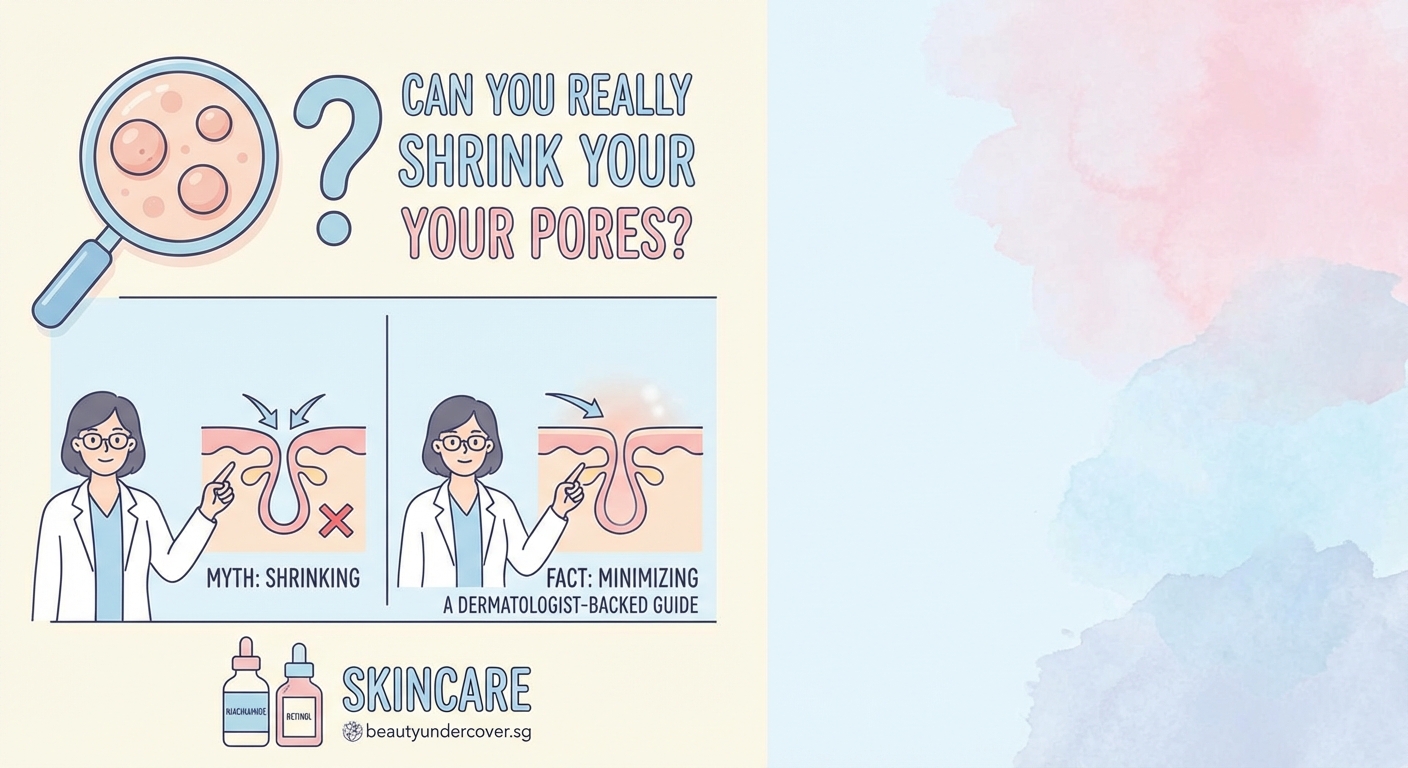
These ingredients have clinical evidence supporting their ability to minimize pore appearance.
Niacinamide regulates oil production and reduces inflammation. Studies show 5% niacinamide can reduce sebum production by up to 30% after four weeks. If you want to understand exactly how this ingredient works, learn more about what niacinamide really does for your skin.
Salicylic acid penetrates oil-filled pores and dissolves the mixture of sebum and dead skin cells. It’s particularly effective for blackheads, which are just oxidized oil trapped in pores.
Retinoids increase cell turnover and boost collagen. Prescription-strength tretinoin shows the most dramatic results, but over-the-counter retinol works too with consistent use.
Alpha hydroxy acids remove surface dead skin and stimulate collagen. Glycolic acid has the smallest molecular size, so it penetrates deepest.
Clay masks absorb excess oil when used once or twice weekly. Kaolin and bentonite clay work best without over-drying skin.
What Makes Pores Look Worse
Avoid these common mistakes that sabotage your progress.
| Mistake | Why It’s Harmful | Better Alternative |
|---|---|---|
| Using pore strips | Removes surface debris but damages skin barrier | Use salicylic acid treatments |
| Over-exfoliating | Triggers oil production and inflammation | Limit exfoliation to 3 times weekly |
| Skipping moisturizer | Dehydrated skin produces more oil | Use lightweight gel moisturizer |
| Picking at pores | Causes scarring and enlarges openings | Let products do the work |
| Using heavy makeup | Clogs pores throughout the day | Choose non-comedogenic formulas |
Pore vacuums became trendy on social media, but dermatologists warn against them. They can burst capillaries and cause bruising without providing lasting results.
Professional Treatments Worth Considering
If at-home methods aren’t enough, these professional treatments offer more dramatic improvement.
Chemical peels use higher concentrations of acids than over-the-counter products. A series of three to six peels spaced four weeks apart can significantly improve pore appearance.
Microneedling creates controlled micro-injuries that trigger collagen production. As new collagen forms, it tightens skin around pores. Results appear gradually over three to six months.
Laser treatments like fractional CO2 or erbium lasers resurface skin and stimulate deep collagen remodeling. These are the most aggressive options with the longest downtime but also the most noticeable results.
Prescription retinoids like tretinoin or adapalene work faster and more effectively than over-the-counter retinol. Your dermatologist can prescribe the right strength for your skin type.
“You can’t change your pore size, but you can absolutely change how they look. Consistent use of exfoliating acids, retinoids, and sunscreen makes the biggest difference. Most people give up too soon. You need at least 12 weeks to see real improvement.” (Dermatologist consensus from clinical practice)
Building Your Pore-Minimizing Routine
Here’s how to structure your daily routine for maximum effectiveness.
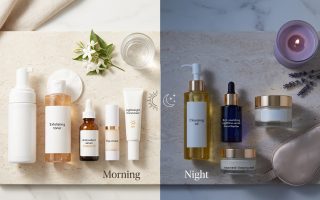
Morning:
1. Cleanse with gentle, non-foaming cleanser
2. Apply niacinamide serum
3. Moisturize with oil-free formula
4. Apply SPF 30 or higher
Evening:
1. Remove makeup completely
2. Cleanse thoroughly
3. Apply chemical exfoliant (3 nights per week)
4. Apply retinol (alternate nights from exfoliant)
5. Moisturize
Weekly:
– Clay mask once or twice
– Extra exfoliation if needed
Start slowly with active ingredients. Don’t use exfoliants and retinol on the same night initially. Your skin needs time to adjust.
For those with limited time in the morning, the ultimate 10-minute morning skincare routine for busy people can help you maintain consistency without feeling overwhelmed.
Common Questions About Pore Treatment
How long until I see results?
Most people notice improvement around week six with consistent use. Maximum results appear at 12 weeks.
Can I use multiple acids together?
Not initially. Start with one acid type, use it consistently for four weeks, then consider adding another if your skin tolerates it well.
Do primers really blur pores?
Silicone-based primers create a temporary smoothing effect that makes pores less visible under makeup. They don’t treat the underlying issue but can improve appearance for events. When you want your skin to look flawless, creating a no-makeup makeup look can help minimize pore visibility naturally.
Are expensive products better?
Not necessarily. Ingredient concentration and formulation matter more than price. Many drugstore options contain the same active ingredients as luxury brands.
Can diet affect pore appearance?
High-glycemic foods and dairy may increase oil production in some people. Reducing these can help, but topical treatments make a bigger difference.
Realistic Expectations for Results
Your pores will never disappear completely. That’s not the goal and it’s not possible.
What you can achieve is smoother texture, less visible pore openings, and fewer breakouts. Your skin will look more refined overall.
Before and after photos help track progress because changes happen gradually. Take photos in the same lighting once per month.
Some people see dramatic improvement with at-home treatments alone. Others need professional interventions to get the results they want. Genetics play a huge role in how your skin responds.
Maintenance is forever. Stop your routine and pores will return to their previous appearance within weeks. Think of it like working out. You can’t exercise for three months, stop, and expect to keep the results.
Your Pores Don’t Define Your Worth
Social media filters and edited photos create unrealistic expectations. Nobody has perfectly smooth, poreless skin in real life. Even models and celebrities have visible pores up close.
Your pores serve an important function. They release oil that protects your skin barrier and keeps skin hydrated. Trying to eliminate them completely would damage your skin’s natural defense system.
Focus on healthy skin rather than perfect skin. Clear pores, even texture, and good hydration matter more than chasing an impossible standard.
The methods outlined here work when you use them consistently. Give your skin time to respond. Track your progress with monthly photos rather than daily mirror inspections that make you focus on every tiny imperfection.
Start with one or two changes rather than overhauling your entire routine overnight. Add the right cleanser first. Master that for two weeks, then add an exfoliant. Build slowly and your skin will thank you with visible improvement that lasts.