If you’ve scrolled through beauty content lately, you’ve probably noticed blurring balms everywhere. They’re being called the next generation of primer, but they feel nothing like the silicone gels you might be used to. The texture is different. The application is different. Even the way they sit on your skin feels completely new.
Blurring balm primer transforms from a solid balm into a soft powder finish on skin, offering pore-blurring effects without traditional silicone slip. Unlike liquid primers that create a slick base, balms absorb quickly and work best with pressing motions rather than rubbing. They suit oily and combination skin types particularly well, though application technique matters more than skin type for achieving a smooth, matte canvas that holds makeup in place.
Understanding the balm to powder transformation
Traditional primers are liquid or gel based. You pump them out, rub them in, and wait for them to set.
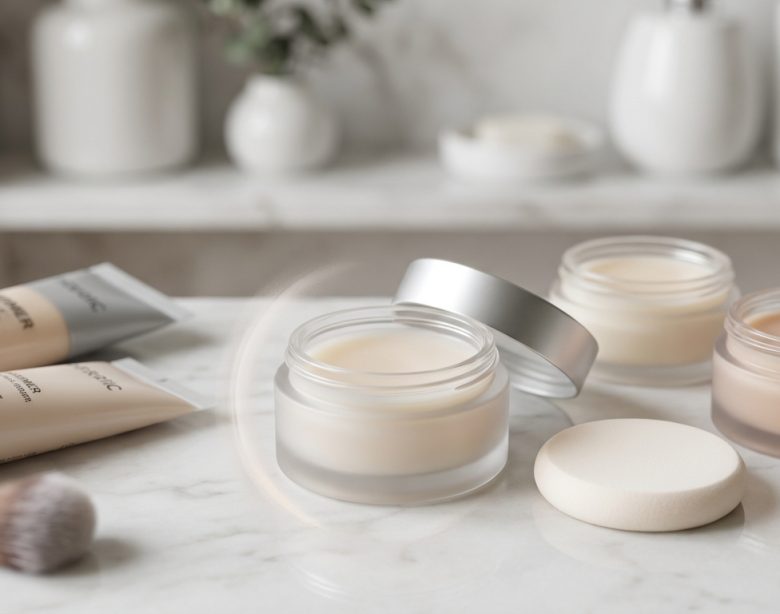
Blurring balms work differently. They start as a solid or semi-solid texture. When you warm them between your fingers or press them onto skin, they melt slightly. Then they set into a velvety, powder-like finish.
This transformation happens because of the formula. Most blurring balms contain a high concentration of silica, which gives that soft-focus effect. They also include emollients that allow the balm to glide on smoothly before the powder components take over.
The result is a matte, slightly grippy surface. Foundation and concealer layer beautifully on top because there’s texture for them to hold onto. You won’t get the slippery feel of silicone primers.
What makes blurring balm primer different from traditional formulas
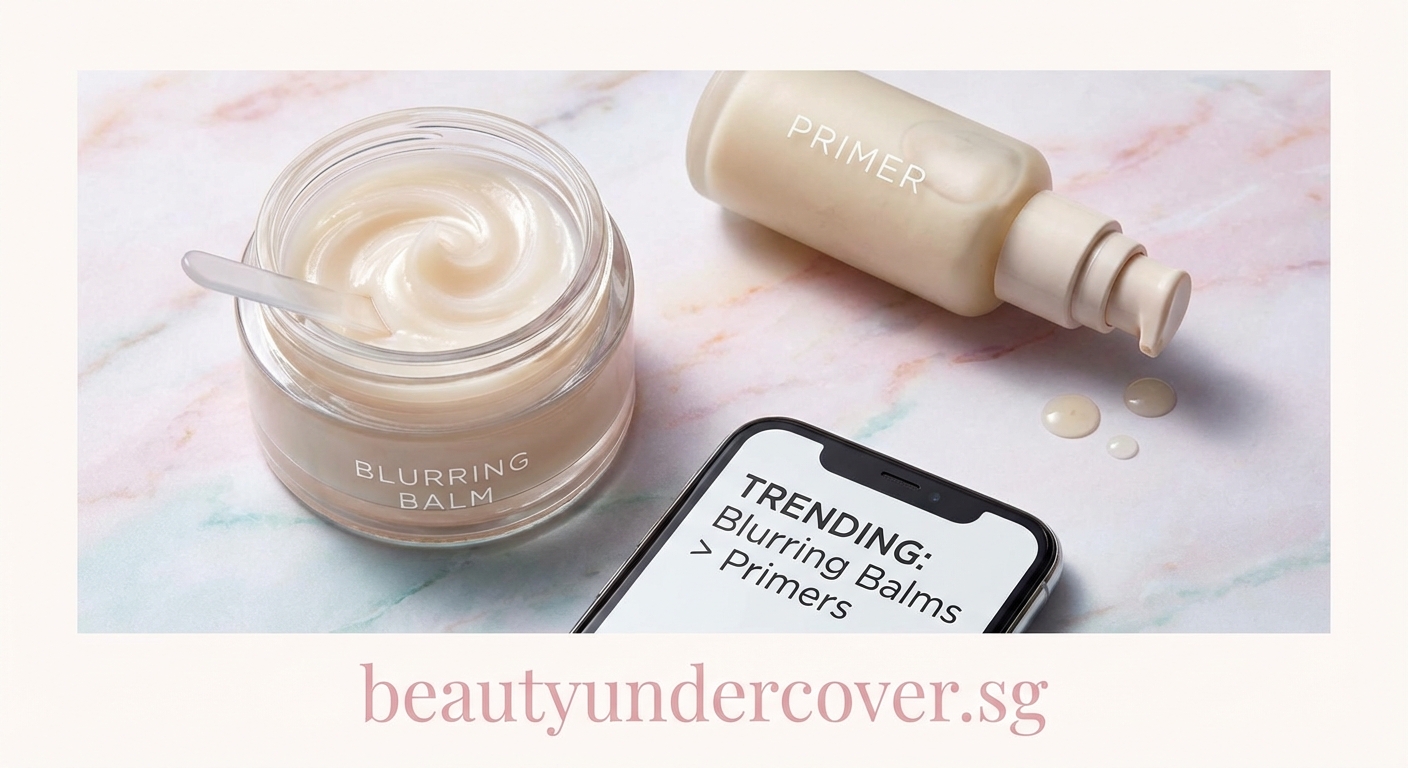
The ingredient list tells the story. Traditional primers often lead with dimethicone or cyclopentasiloxane. These are silicones that create slip and fill in texture.
Blurring balms flip that script. They prioritize:
- Silica powders for light diffusion and pore blurring
- Kaolin or other clays for oil absorption
- Waxes or butter-like ingredients for the balm structure
- Minimal silicone, if any at all
Because of this, blurring balms control oil much better than standard primers. If you have combination or oily skin, you’ll notice your T-zone stays matte longer. The balm absorbs excess sebum throughout the day instead of sliding around on top of it.
They also photograph differently. The light-diffusing particles scatter light, which is why they’re called “blurring.” In photos, pores and fine lines appear softer. This is the same principle professional photographers use with soft-focus filters.
If you’re working on how to create a flawless no-makeup makeup look in 5 easy steps, a blurring balm can replace both primer and setting powder in some cases.
How to apply blurring balm primer correctly
Application makes or breaks the experience. This is not a product you can rush.
The step by step process
- Start with clean, moisturized skin. Let your moisturizer absorb for at least two minutes. If your skin is still damp, the balm will pill.
- Scoop a small amount of balm with your fingertip. A little goes a long way. Think pea-sized for your entire face.
- Warm the product between your fingers. This softens the texture and makes it easier to press into skin.
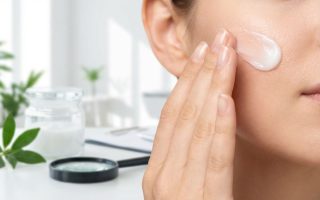
- Press the balm onto areas you want to blur. Use a patting or stippling motion. Do not rub or drag.
- Focus on the T-zone, cheeks, and any areas with visible pores or texture. Avoid applying too much around dry patches.
- Wait 30 to 60 seconds before applying foundation. The balm needs time to set into its powder finish.
If you apply foundation too soon, the balm will move around and create patchiness. Patience is everything here.
Tools versus fingers
Most people prefer using fingers because the warmth of your skin helps melt the balm. But some prefer a dense, flat-topped brush or a damp sponge.
A brush works well if you want lighter coverage or if you’re applying over sunscreen that hasn’t fully absorbed. Just make sure the bristles are packed tightly so they can pick up the balm.
A damp sponge can sheer out the product even more. This technique works if you have dry skin and want the blurring effect without the full matte finish.
Choosing the right blurring balm for your skin type
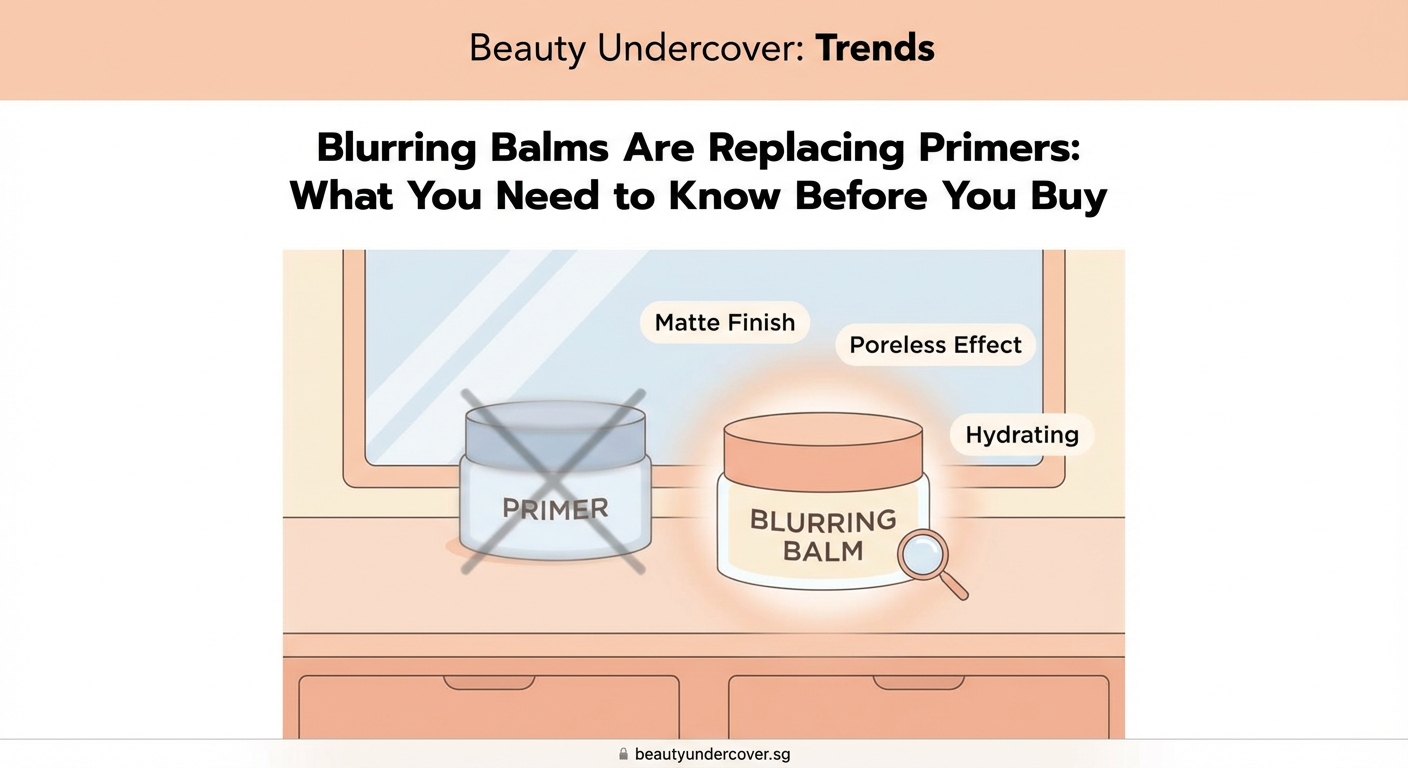
Not all balms are created equal. Some are intensely mattifying. Others offer a softer, more natural finish.
| Skin Type | What to Look For | What to Avoid |
|---|---|---|
| Oily | High silica content, clay ingredients, oil-free formulas | Balms with heavy oils or butters that add shine |
| Dry | Hydrating ingredients like squalane or hyaluronic acid, lighter powder finish | Formulas labeled “ultra-matte” or containing high amounts of clay |
| Combination | Balanced formulas with moderate oil control, customizable application | One-size-fits-all claims without ingredient transparency |
| Sensitive | Fragrance-free, minimal ingredient lists, dermatologist-tested labels | Added fragrance, essential oils, or alcohol high on the ingredient list |
If you have dry skin, you might think blurring balms aren’t for you. That’s not always true. You just need to prep properly. A good moisturizer or hydrating serum underneath makes all the difference. Consider pairing your balm with tips from how to build a simple 3-step skincare routine for absolute beginners to ensure your base is hydrated before you add any mattifying products.
For oily skin, blurring balms are a game changer. They replace both primer and powder in many cases, cutting down your routine while improving wear time.
Common mistakes and how to fix them
Even with the right product, application errors happen. Here are the most common ones.
Using too much product. Blurring balms are concentrated. A little truly does go a long way. If you use too much, your skin will look chalky or cakey. Start small. You can always add more.
Skipping skincare prep. If your skin is dehydrated or flaky, the balm will cling to dry patches and make them more visible. Always moisturize first.
Rubbing instead of pressing. This is the biggest mistake. Rubbing disrupts the balm and causes it to ball up or sit unevenly. Press and pat only.
Layering incompatible products. Oil-based foundations don’t play well with powder-finish balms. If your foundation is oil-based, either skip the balm or switch to a water-based or silicone-based foundation.
Not waiting for the balm to set. Applying makeup immediately will disturb the finish. Give it a full minute. Use that time to do your brows or apply eye makeup.
“Think of blurring balm as a hybrid product. It’s not just a primer and it’s not just a powder. It’s both, which means you need to treat it with the respect both steps deserve. Rushing through application will give you subpar results every time.”
Blurring balm primer in your makeup routine
Where does this product actually fit? That depends on your goals.
For a minimal routine, you can use blurring balm as your only base product. It evens out texture and gives a soft-focus finish without foundation. This works beautifully for running errands, video calls, or casual days when you want to look polished but not made up.
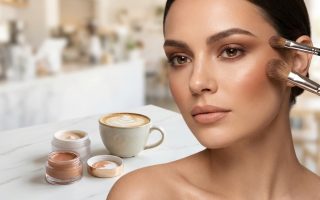
For a full face, apply the balm after skincare and before foundation. It creates the perfect canvas for liquid or powder foundation. Your makeup will blend more easily and last longer.
Some people also use blurring balm as a targeted touch-up product. Keep a small jar in your bag and press it onto your T-zone midday to absorb oil and refresh your makeup. This eliminates the need for powder compacts.
If you’re comparing options, you might also want to check out i tested 15 drugstore foundations under 15 and these 5 are actually worth it to find a foundation that pairs well with your new primer.
Ingredient deep dive
Understanding what’s inside your blurring balm helps you make smarter choices.
Silica is the star. It scatters light and creates that blurred, airbrushed effect. Silica also absorbs oil, which is why blurring balms work so well for shine control.
Polymethylsilsesquioxane is a silicone resin that gives a silky, powdery feel. It’s different from traditional liquid silicones. It doesn’t create slip. Instead, it enhances the soft-focus finish.
Dimethicone might still appear in some formulas, but usually lower on the ingredient list. It helps the balm glide on smoothly without leaving a greasy residue.
Niacinamide shows up in some balms as a skin-care bonus. It helps with pore appearance and oil regulation over time. If you’re curious about this ingredient, what does niacinamide really do for your skin breaks down the science.
Titanium dioxide or zinc oxide might be included for a subtle tint or sun protection. These are mineral ingredients that also contribute to the powder finish.
Avoid balms with heavy fragrance if you have sensitive skin. The fragrance doesn’t add performance and can cause irritation, especially since you’re pressing the product into your pores.
When blurring balm primer might not be the best choice
This product isn’t universal. There are situations where a traditional primer makes more sense.
If you have very dry or mature skin, a hydrating primer with hyaluronic acid or glycerin might serve you better. Blurring balms can emphasize texture or dryness if your skin isn’t properly prepped.
If you prefer dewy or glowy makeup, a balm will work against that finish. The matte, velvety texture is the opposite of luminous. You’d be better off with a radiance primer or a moisturizing base.
If you’re layering multiple cream products (cream blush, cream bronzer, cream highlighter), a blurring balm can make blending difficult. The powder finish grabs onto cream products and can cause patchiness.
For very textured skin, a smoothing silicone primer might fill in lines and pores more effectively. Blurring balms diffuse light but they don’t physically fill texture the way silicones do.
Pairing blurring balm with other products
What you layer on top matters just as much as the balm itself.
Powder foundations work beautifully over blurring balms. The textures are compatible and the finish stays cohesive. You get buildable coverage without any caking.
Liquid foundations need to be chosen carefully. Water-based or silicone-based formulas blend well. Oil-based foundations can separate or slide around.
Setting sprays are optional but helpful. A light mist after your makeup locks everything in place and prevents the balm from absorbing too much moisture from your foundation.
Cream products should be applied with a light hand. Use a stippling brush or sponge to blend cream blush or bronzer over the balm. Avoid dragging or rubbing.
Sunscreen should always go on before your blurring balm. Let your SPF absorb completely before applying the balm. If you skip this step, the balm can pill or separate.
Blurring balm trends worth watching
The beauty industry keeps evolving these formulas.
Tinted blurring balms are gaining traction. They combine the blurring effect with light coverage, so you can skip foundation entirely. These work well for people who want a natural, skin-like finish.
Balm-powder hybrids are also emerging. These come in a compact and apply like a cream-to-powder product. They’re more portable and easier to control than jar formulas.
Skincare-infused balms are another trend. Brands are adding peptides, antioxidants, and hydrating ingredients so the balm does double duty. You get the blurring effect plus long-term skin benefits.
Spray versions are hitting the market too. These offer the same light-diffusing particles in a mist format. They’re easier to reapply throughout the day but don’t offer the same level of oil control as solid balms.
For more on where makeup trends are heading, glass skin is out: the new skin finish everyone’s asking for in 2024 gives a broader view of what’s replacing old favorites.
Testing and finding your perfect match
Don’t buy the first blurring balm you see. Test a few options if you can.
Look for sample sizes or travel versions. Many brands offer smaller jars so you can try the texture and finish without committing to a full-size product.
Pay attention to how the balm feels after 10 minutes. Does it stay matte or does it start to break down? Does your skin feel comfortable or tight?
Check how your foundation applies on top. Does it blend easily or does it grab and pull? Does the finish look natural or does it emphasize texture?
Test the wear time. Take a photo in the morning and another after six hours. How does your skin look? Is the balm still controlling oil or has shine broken through?
Read reviews from people with your skin type. A balm that works beautifully on oily skin might be a disaster on dry skin, and vice versa.
Storing and maintaining your blurring balm
Proper storage extends the life of your product.
Keep the jar tightly closed when not in use. Exposure to air can dry out the balm and change its texture.
Store it in a cool, dry place. Heat can cause the balm to melt or separate. Don’t leave it in your car or near a window.
Use clean fingers or a spatula to scoop out product. This prevents bacteria from contaminating the jar.
Replace your balm every 12 months. Like all makeup, blurring balms have a shelf life. If the texture changes or the scent becomes off, toss it.
Making blurring balm primer work for you
This product has a learning curve, but once you figure out your technique, it’s hard to go back to traditional primers.
The key is understanding that it’s not just about the product. It’s about how you prep your skin, how much you use, and how you apply it. Those three factors determine whether you love or hate the experience.
Start small. Use less than you think you need. Press instead of rub. Wait before layering. These simple adjustments make all the difference.
And remember, blurring balm primer is a tool, not a magic solution. It works best when paired with good skincare, the right foundation, and realistic expectations. It won’t erase texture or stop oil production entirely, but it will give you a smoother, more refined canvas that photographs beautifully and wears comfortably throughout the day.