You see the ads everywhere. Gorgeous products spilling out of perfectly curated boxes. Five full-size items for just $25 a month. It sounds like a steal, right?
But after three months of subscriptions, you’re staring at a drawer full of products you’ll never use. The math suddenly doesn’t add up the way you thought it would.
Beauty subscription boxes can save you 30-60% on retail value, but actual worth depends on product match rate, usage habits, and hidden costs like shipping or upgrades. Most subscribers use only 40% of items received. Calculate your cost per used product before committing, and start with month-to-month plans to test fit before annual subscriptions.
The real cost breakdown nobody talks about
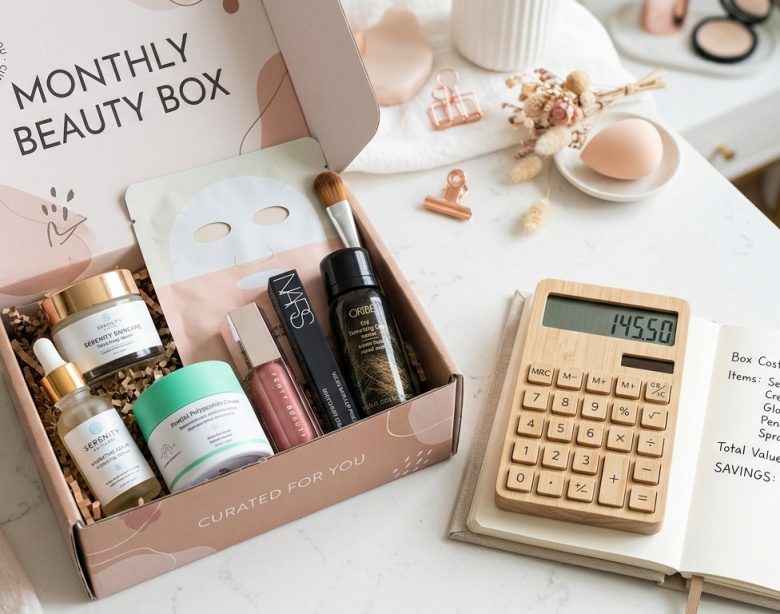
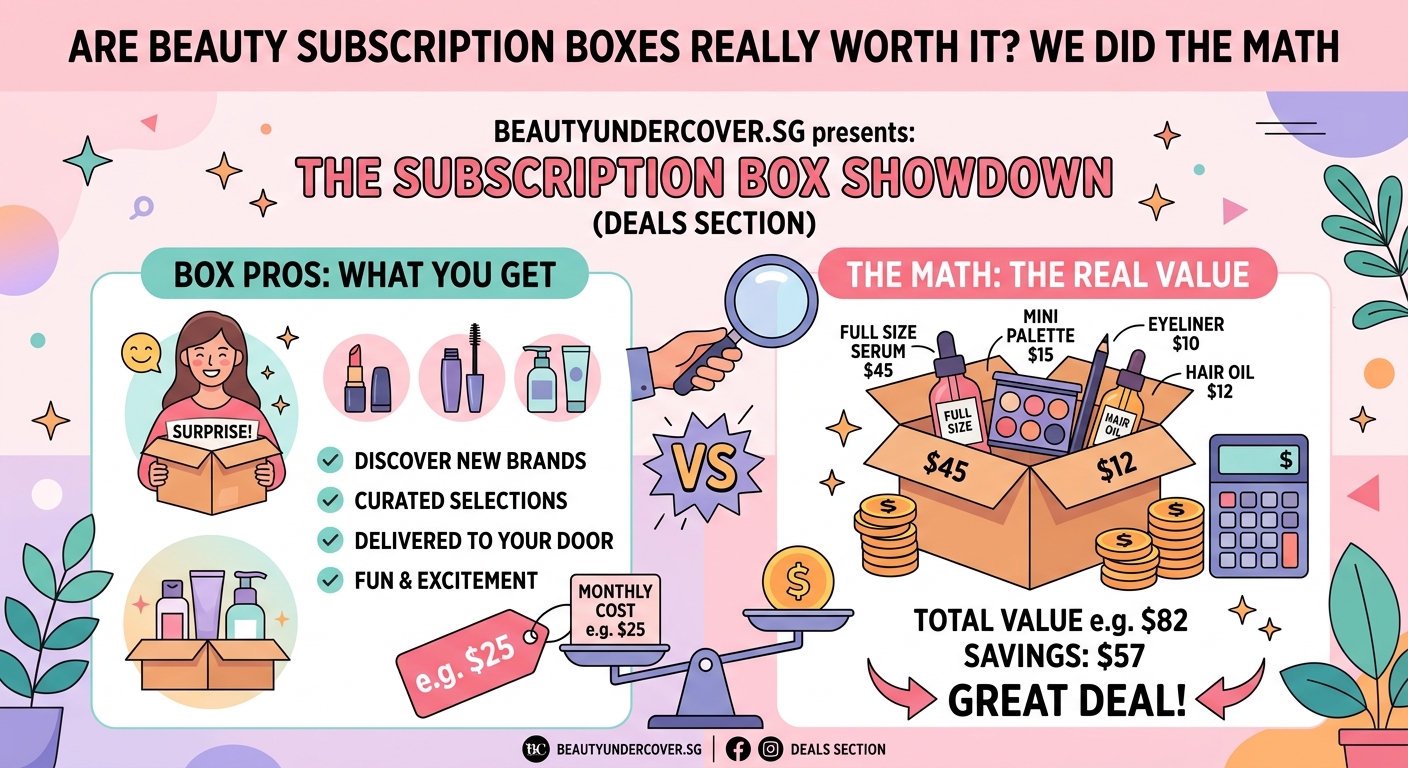
Most beauty boxes advertise their retail value prominently. A $25 box contains $80 worth of products. Sounds amazing.
But retail value means nothing if you don’t use the products.
Here’s what actually matters. The cost per item you’ll genuinely use. Not the theoretical value of everything in the box.
Let’s say you receive six products monthly. You love two, tolerate one, and never touch three. Your real cost per useful item is $12.50, not the $4.17 the company advertises.
That $12.50 adds up fast. Especially when you could buy exactly what you need for similar prices during sales.
Hidden fees that inflate your actual spending
Subscription boxes rarely mention these costs upfront:
- Shipping fees for international orders
- Upgrade charges for premium boxes
- Customization fees for product preferences
- Cancellation penalties for annual plans
- Restocking fees if you return unwanted items
One reader told me she paid $22 monthly for her box, but shipping added $8. Her actual cost was $30, not the advertised price.
What you actually get in most subscription boxes
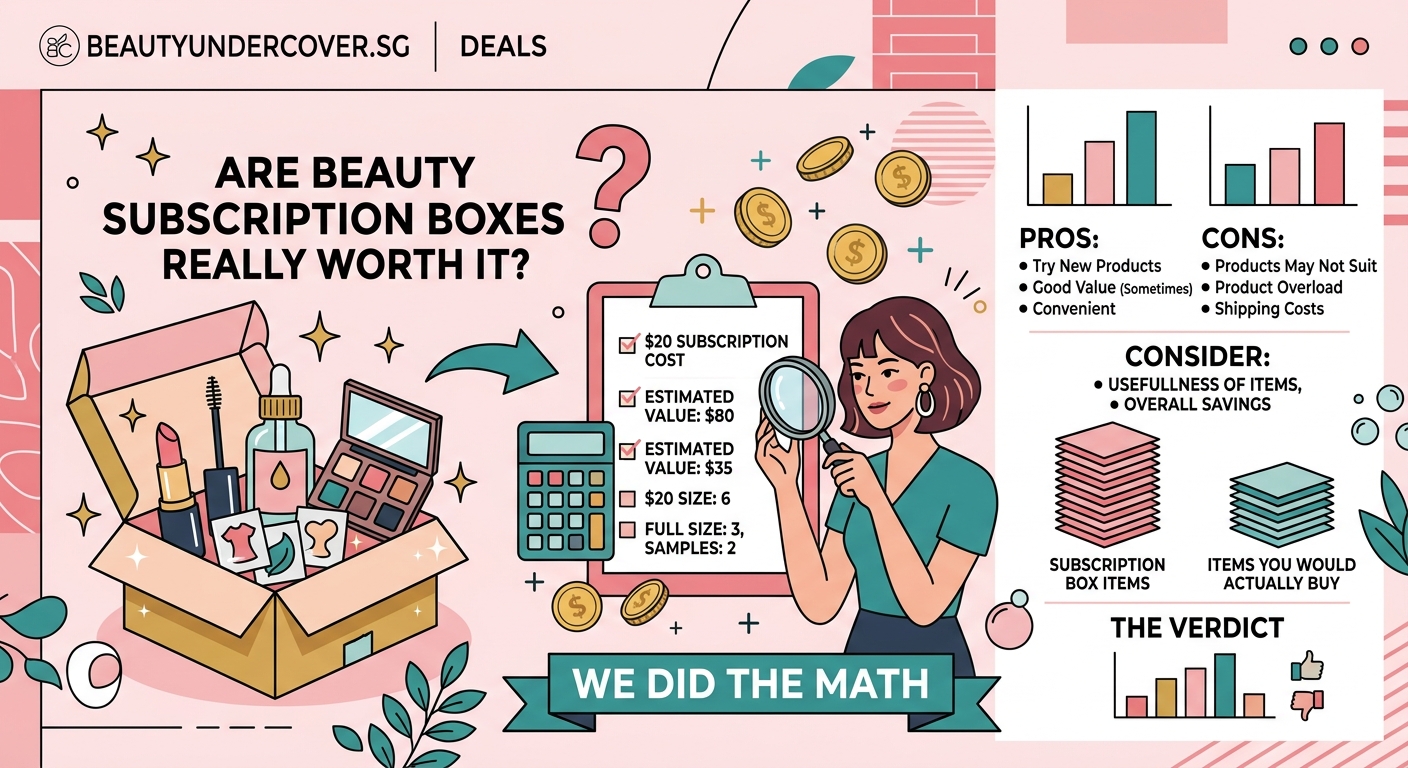
The contents vary wildly between services. Some focus on skincare. Others mix makeup, hair care, and fragrance samples.
Most boxes include:
- 1-2 full-size products (usually the hero items)
- 3-4 deluxe samples or travel sizes
- 1 filler item like a sheet mask or hair tie
- Product cards with usage instructions
The full-size items sound great until you realize they’re often from brands you’ve never heard of. These brands partner with subscription services because they can’t get retail shelf space otherwise.
Nothing wrong with discovering new brands. But you’re not getting Estée Lauder or La Mer in a $25 box. You’re getting startups hoping you’ll become a customer.
The product match problem
Here’s the biggest issue with beauty boxes. They can’t perfectly match your needs.
You might receive:
- Foundation two shades too dark
- Hair oil when you have oily hair
- Anti-aging cream at 26
- Bold red lipstick when you only wear nudes
- Heavily fragranced products despite sensitive skin
Some services offer quizzes to personalize your box. But algorithms can’t predict preference as well as you picking products yourself.
Even with customization, expect a 40-60% match rate at best. That means nearly half the box goes unused.
When subscription boxes actually make financial sense
Despite the drawbacks, boxes work brilliantly for specific situations.
You’re new to beauty and want to try everything. Subscription boxes let you test products without committing to full sizes. You’ll figure out what works through experimentation.
Starting with how to build a simple 3-step skincare routine for absolute beginners helps you understand what categories matter most before subscribing.
You love trying new products constantly. If you’re someone who gets bored with routines and craves novelty, boxes deliver that excitement monthly.
You actually use everything. Some people genuinely use every product they receive. They gift items that don’t suit them or incorporate everything into their routine.
You’re shopping for gifts. Subscription boxes make excellent presents. The recipient gets monthly surprises without you remembering to shop repeatedly.
The break-even calculation
Here’s how to figure out if a box saves you money:
- Track how many products you actually use each month
- Calculate the retail price of those specific products
- Compare that total to your subscription cost
- Factor in any shipping or upgrade fees
- Subtract the value of products you’d never buy yourself
If the used-product value exceeds your total cost by 30% or more, you’re getting real savings. Anything less means you’d save more by selective shopping.
Comparing popular subscription services
Different boxes serve different needs. Here’s what sets major services apart:
| Service Type | Best For | Average Cost | Customization | Typical Contents |
|---|---|---|---|---|
| Skincare-focused | Building routines | $20-35 | High | 4-5 skincare items |
| Makeup-heavy | Color cosmetics lovers | $25-40 | Medium | 3-4 makeup, 1-2 skincare |
| Luxury samples | Prestige brand fans | $35-50 | Low | 5-6 deluxe samples |
| Full-size only | Commitment-ready users | $40-60 | High | 3-4 full-size products |
| Clean beauty | Natural ingredient seekers | $30-45 | Medium | 4-5 clean-certified items |
The skincare-focused boxes typically offer the best value because skincare products have higher retail prices than makeup. A single serum can cost $40-80, making a $30 box worthwhile if you get even one good match.
Makeup boxes struggle with shade matching. You might receive three lipsticks in colors you’d never choose. That’s why the best drugstore foundations that rival high-end luxury brands often beats subscription box foundation samples.
Sample sizes versus full sizes
Travel sizes aren’t always bad deals. A deluxe sample of a $150 serum might contain 30% of the full-size product. If the box costs $30 and you’d actually buy that serum, you’re saving money.
But five tiny samples of products you’d never purchase full-size? That’s clutter, not value.
Full-size boxes sound better but often feature lesser-known brands. The companies can afford to include full sizes because their wholesale costs are low. You’re not getting $200 of Drunk Elephant products for $50.
The hidden costs of subscription fatigue
Nobody talks about what happens after six months of subscriptions.
Your bathroom fills with half-used products. You feel guilty not using everything. You start giving items away just to clear space.
This is subscription fatigue. The initial excitement fades. The boxes become a chore to sort through instead of a treat.
I’ve seen this pattern repeatedly. Someone subscribes to three boxes simultaneously. Within four months, they’ve canceled two and are considering dropping the third.
The real cost isn’t just money. It’s the mental load of managing products you didn’t choose and may not want.
Product waste and environmental impact
Beauty boxes generate significant waste:
- Excessive packaging for individual items
- Plastic samples you use once
- Products that expire before you finish them
- Shipping emissions from monthly deliveries
- Boxes and filler materials
If sustainability matters to you, selective purchasing creates less waste than subscription boxes. You buy exactly what you need in sizes you’ll finish.
Smart strategies if you still want to subscribe
Start with month-to-month plans. Never commit to annual subscriptions upfront. Test the service for three months to see if you actually use most products.
Subscribe to one box maximum. Multiple subscriptions guarantee product overload. You can’t possibly use everything from three different boxes monthly.
Set a three-month evaluation period. Track every product you receive and mark which ones you use. If your usage rate falls below 50%, cancel.
Look for cancellation-friendly policies. Some services make canceling difficult with phone-only options or retention tactics. Choose companies that let you cancel online instantly.
“The best subscription box is the one you’ll actually use. If you’re keeping products ‘just in case’ or gifting more than half your box, you’re not getting value. You’re getting clutter.” – Beauty budget expert
Timing your subscription strategically
Subscribe during promotional periods. Many services offer first-box discounts or bonus items for new subscribers. Take advantage, then reassess after the promotion ends.
Consider seasonal subscriptions instead of year-round. Some people subscribe only during fall and winter when they’re trying new products for weather changes. Learning about how to transition your skincare routine from summer to fall without breaking out helps you decide if seasonal boxes make sense.
Pause subscriptions during busy months. Good services let you skip months without penalty. Use this feature when you’re traveling, moving, or have too many unused products.
Better alternatives to subscription boxes
Before committing to monthly boxes, consider these options:
Sample programs at retailers. Sephora, Ulta, and department stores offer sample programs where you choose specific products to try. You get exactly what interests you without mystery items.
Discovery sets from brands. Many companies sell curated sets of their products at reduced prices. You’re trying multiple items from one brand you already trust.
Beauty box one-time purchases. Some subscription services sell individual boxes without ongoing commitment. You get the curated experience once without monthly charges.
Strategic sale shopping. Timing your purchases around the best time to buy beauty products often saves more than subscription boxes while giving you complete control over products.
Product swapping communities. Online groups let you trade unwanted products with others. You might find someone who loves what you received and has something you want.
Building your own custom routine
The most cost-effective approach is learning what your skin needs and buying those specific products.
Understanding ingredients helps tremendously. Knowing that what does niacinamide really do for your skin lets you seek out products with that ingredient rather than hoping a subscription box includes it.
Start with the best hydrating serums for dry skin under $30 if you know hydration is your primary concern. Targeted shopping beats random discovery.
You’ll spend less overall and use everything you buy. No waste, no clutter, no guilt about unused products.
Red flags that mean you should cancel
Watch for these warning signs that your subscription isn’t worth continuing:
- You dread opening the box instead of feeling excited
- More than half the products sit unused for three months
- You’re buying duplicates of items you actually need because the box doesn’t include them
- The box contains the same product types repeatedly (like three mascaras in two months)
- You feel pressured to use products just because you paid for them
The sunk cost fallacy keeps many people subscribed. You’ve already paid, so you feel obligated to continue. But throwing good money after bad doesn’t make financial sense.
Cancel without guilt. Your $25-40 monthly can go toward products you’ll actually use.
What to do with unwanted products
Don’t let unused items pile up. Here are productive options:
- Gift them to friends who might enjoy them
- Donate unopened items to women’s shelters
- Sell them on beauty resale platforms
- Use them for travel instead of buying travel sizes
- Repurpose containers for organizing small items
Some products work for purposes beyond their label. Face oil becomes cuticle oil. Body lotion works on elbows and feet. Get creative before tossing items.
Making the subscription box decision
Are beauty subscription boxes worth it? The honest answer is: it depends entirely on your habits and expectations.
They work beautifully for discovery-minded people who use most products and genuinely enjoy the surprise element. They’re terrible for anyone who prefers control, has specific needs, or struggles with product overload.
Calculate your real cost per used item. If that number seems reasonable and you’re genuinely excited about your boxes, keep subscribing. If you’re rationalizing the value or feeling overwhelmed, it’s time to cancel.
The beauty industry wants you to believe you need constant novelty and endless products. You don’t. You need a few good items that work for your specific concerns, purchased intentionally at prices that fit your budget.
Sometimes the best subscription is no subscription at all. Spending that $30 monthly on one product you’ve researched and genuinely want often delivers more satisfaction than five mystery items.
Try one box if you’re curious. Track your usage religiously. Make your decision based on data, not marketing promises or pretty packaging. Your bathroom and your bank account will thank you.