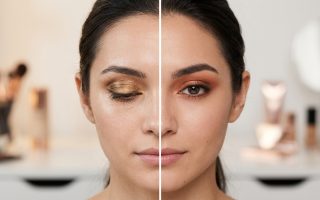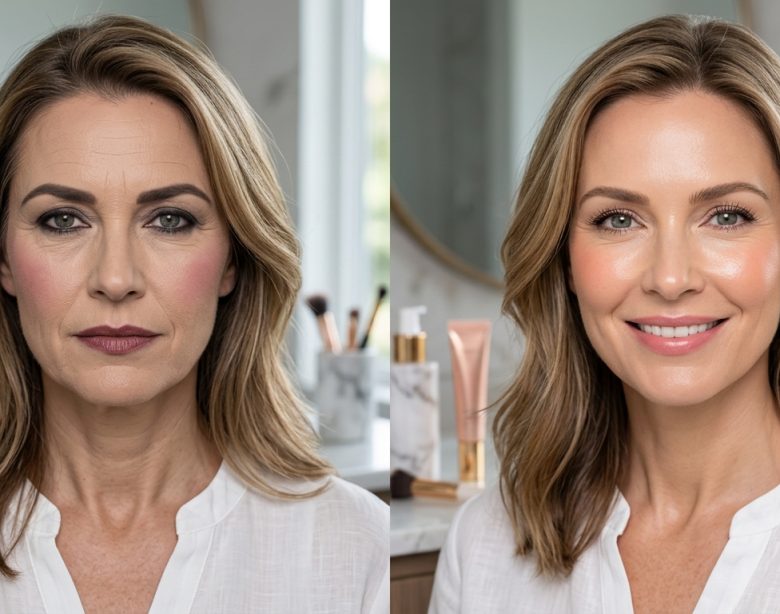
You look in the mirror after doing your makeup and something feels off. Your skin looks heavier. Lines you barely noticed before seem more pronounced. The makeup that’s supposed to make you look polished is somehow adding years to your face.
The truth is, most of us learned makeup techniques in our twenties that simply don’t work the same way as our skin changes. What looked fresh and glowing at 25 can settle into fine lines and emphasize texture at 45. But here’s the good news: small adjustments to your technique can make a dramatic difference.
Common makeup mistakes that age you include using too much powder, applying foundation incorrectly, and choosing the wrong undertones. The solution isn’t buying more products but adjusting your technique. Focus on hydration, strategic placement, and lighter application. These simple changes help makeup enhance your natural features rather than settle into lines or create a heavy, dated appearance that adds unnecessary years.
Using too much powder sets makeup into every line
Powder was once the holy grail for setting makeup. We were taught to dust it everywhere to prevent shine and lock everything in place.
But mature skin needs moisture, not mattification. When you apply powder liberally across your entire face, it settles into fine lines and makes them more visible. It also creates a flat, cakey texture that looks heavy under natural light.
The fix is simple but requires restraint. Use powder only where you actually need it: the T-zone, under eyes if you have creasing issues, and anywhere you tend to get genuinely oily. Skip your cheeks, temples, and anywhere with visible texture.
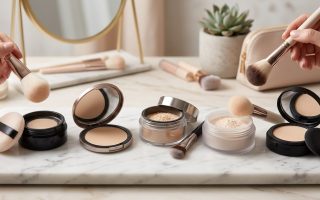
Choose a finely milled translucent powder and apply it with a light hand using a fluffy brush. Pat rather than sweep. If you’ve applied too much, a clean damp beauty sponge can lift excess powder without disturbing your foundation.
For most people over 40, a setting spray works better than powder for longevity. It locks makeup in place without the aging matte finish.
Wrong foundation shade creates a mask effect
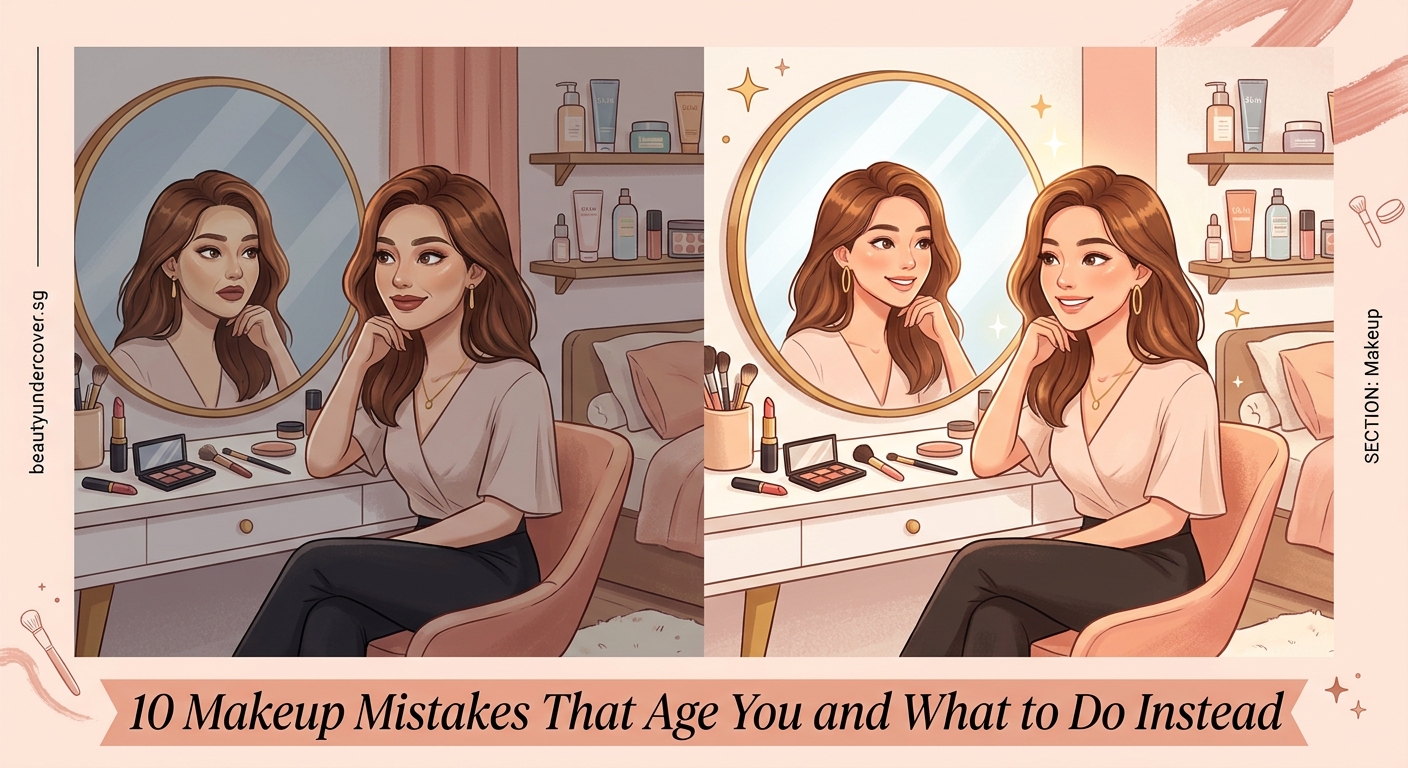
Foundation that doesn’t match your natural skin tone is one of the fastest ways to look older. Too light makes you look washed out and ghostly. Too dark creates an obvious line of demarcation at your jawline.
The problem gets trickier as we age because our skin tone often changes. Sun damage, hormonal shifts, and natural aging can alter your undertone. The shade you wore for years might no longer work.
Test foundation in natural daylight, not under store lighting. Apply a stripe along your jawline and check it outside. The right shade should disappear into your skin. If you can see where the foundation ends and your neck begins, keep looking.
Many women need to mix two shades as seasons change. Your summer shade will be too dark in winter. Keep both and blend them as your skin tone shifts.
Consider choosing the right foundation shade for your skin tone to ensure you’re starting with the best match possible.
| Mistake | Why It Ages You | Better Approach |
|---|---|---|
| Foundation too light | Creates ghostly pallor, emphasizes dark circles | Match to jawline in natural light |
| Foundation too dark | Obvious mask line, looks artificial | Test on jawline, blend into neck |
| Wrong undertone | Skin looks muddy or ashy | Identify if you’re warm, cool, or neutral |
| One shade year-round | Doesn’t adjust for seasonal changes | Mix two shades as needed |
Heavy concealer emphasizes under-eye wrinkles
We reach for concealer to hide dark circles, but using too much or the wrong formula can backfire spectacularly. Thick, matte concealers settle into fine lines and make them more pronounced throughout the day.
The under-eye area has thinner skin with less oil production. It needs hydration, not heavy coverage. When you pile on concealer, it creases and cakes, drawing attention to exactly what you’re trying to hide.
Start with a hydrating eye cream and let it absorb for a few minutes before makeup. This creates a smooth base and prevents concealer from clinging to dry patches.
Choose a lightweight, creamy concealer with light-reflecting properties. Apply small dots under your eyes and blend gently with your ring finger or a damp sponge. The warmth from your finger helps the product melt into skin.
Use concealer one shade lighter than your foundation, not two or three. Too light creates an obvious reverse raccoon effect that looks unnatural.
Set with the tiniest amount of powder only if you experience creasing. For most people, leaving concealer unset looks more natural and youthful.
Harsh contouring adds years instead of definition
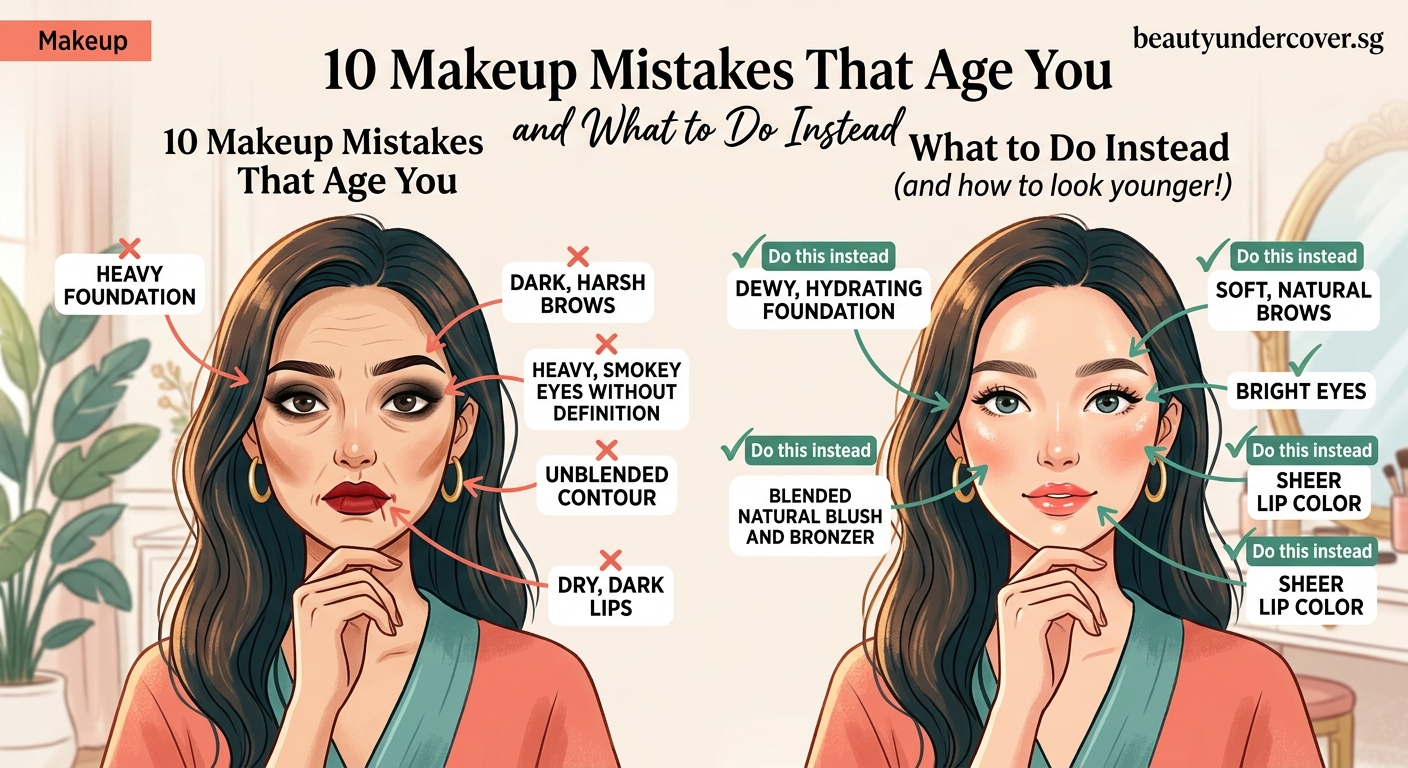
Contouring became hugely popular thanks to social media, but the heavy-handed techniques designed for photography don’t translate well in real life, especially on mature skin.
Dark contour lines in the hollows of your cheeks can look muddy and dirty rather than sculpted. They settle into lines and create shadows that make you look gaunt instead of chiseled.
As we age, our faces naturally lose volume. Adding dark shadows to already hollow areas emphasizes this loss rather than creating the illusion of structure.
If you want definition, use a cream bronzer one or two shades darker than your skin tone. Apply it lightly where the sun would naturally hit: temples, tops of cheekbones, bridge of nose.
Blend thoroughly until you can’t see where the bronzer starts and stops. The goal is a subtle warmth, not visible lines.
Focus more on strategic highlighting than contouring. A touch of luminizer on the high points of your face creates dimension through light rather than shadow.
Skipping primer lets foundation settle into pores
Foundation applied directly to bare skin has nothing to grip onto. It slides around, settles into pores and fine lines, and breaks down faster throughout the day.
Primer creates a smooth canvas that helps foundation apply evenly and last longer. It fills in texture and creates a barrier between your skin and makeup.
The key is choosing the right primer for your skin type. Mature skin generally benefits from hydrating primers with a slight luminosity. Avoid mattifying primers unless you have genuinely oily skin.
Apply primer after your skincare has fully absorbed. Use a small amount and focus on areas with visible pores or texture: typically the nose, cheeks, and chin.
Let the primer set for a minute before applying foundation. This gives it time to create that smooth base you’re looking for.
Some people find that hydrating serums for dry skin work better than traditional primers, providing both skincare benefits and a smooth makeup base.
Matte lipstick bleeds and emphasizes lip lines
Matte liquid lipsticks have staying power, but they’re often too drying for mature lips. They emphasize every line and crack, making lips look thinner and more wrinkled.
As we age, our lips lose volume and develop vertical lines. Dry, matte formulas cling to these lines and can bleed into them throughout the day.
Hydrating formulas with a slight sheen are more forgiving. They blur imperfections rather than highlighting them. Cream lipsticks, tinted lip balms, and satin finishes all work beautifully.
Before applying any lip color, exfoliate gently with a soft toothbrush and apply lip balm. Let it absorb, then blot excess before applying color.
Use a lip liner in a shade that matches your natural lip color, not your lipstick. Line just outside your natural lip line to prevent feathering. Fill in your entire lip with the liner to create a base that prevents bleeding.
Apply lipstick with a brush for precision. Blot, reapply, and blot again for longer wear without the drying effect of liquid formulas.
If you struggle with lipstick bleeding and feathering into fine lines, there are specific techniques that can help.
Applying blush too low drags your face down
Where you place blush makes a huge difference in how lifted and youthful your face appears. Many women learned to apply blush on the apples of their cheeks by smiling and applying color where the cheeks puff up.
This technique can actually drag your face downward, especially as facial structure changes with age. When you smile, your cheeks move lower, and applying blush there creates a droopy effect when your face is at rest.
The more youthful placement is higher on the cheekbone, angled upward toward your temples. This creates lift and draws the eye upward rather than down.
Smile to find the apple of your cheek, then apply blush slightly above that point, sweeping upward and outward. Blend well so there are no harsh edges.
Cream blushes work beautifully on mature skin because they blend seamlessly and create a natural flush from within. Apply with your fingers or a damp sponge, tapping gently into skin.
Consider whether cream or powder blushes are better for your skin type before making your next purchase.
“The most common mistake I see is women applying makeup with the same techniques they learned decades ago. Your face changes, and your makeup application needs to evolve with it. Lighter application, strategic placement, and hydrating formulas make all the difference.” — Professional makeup artist with 20+ years experience
Overdrawing eyebrows looks harsh and unnatural
Full brows are trendy, and many of us lost brow hair to overplucking in the past. The temptation is to draw them back in heavily, but this rarely looks natural.
Thick, blocky brows drawn on with a heavy hand look costume-like. They overpower your face and draw attention to themselves rather than framing your eyes beautifully.
The goal is to enhance what you have, not create entirely new brows. Use a brow pencil or powder one shade lighter than your natural brow color. Going darker looks harsh.
Fill in sparse areas with light, hair-like strokes rather than solid color. Follow your natural brow shape instead of trying to create a completely different arch.
Set brows with a clear or tinted brow gel to keep them in place without adding more color. Brush hairs upward and outward for a fuller, more modern look.
If your brows are very sparse, consider the best eyebrow products for sparse, thin, or over-plucked brows to find options that create natural-looking fullness.
Ignoring skincare makes makeup application harder
Makeup can only look as good as the skin underneath. If your skin is dehydrated, flaky, or rough, even the best makeup techniques will struggle to look smooth and youthful.
Many women focus on makeup products when the real issue is skincare. Dry skin makes foundation cling to patches. Dehydrated skin emphasizes lines. Rough texture prevents smooth application.
The foundation of youthful-looking makeup is actually good skincare. Hydration is particularly important. Well-moisturized skin plumps fine lines and creates a smooth canvas.
Start with a simple 3-step skincare routine if you’re not sure where to begin: cleanse, moisturize, and protect with SPF.
Exfoliate regularly but gently to remove dead skin cells that make makeup look cakey. Chemical exfoliants like AHAs work well for mature skin without the abrasiveness of scrubs.
Apply makeup to well-hydrated skin. If your foundation is pilling or looking patchy, the issue is likely dehydration, not the foundation itself.
Using the wrong tools applies makeup unevenly
Fingers, old sponges, and cheap brushes can make even expensive makeup look mediocre. The right tools help you apply products smoothly and blend seamlessly.
Dense, flat brushes pack on too much product. Brushes that are too soft don’t blend well. Dirty brushes transfer bacteria and old makeup onto your fresh application.
For foundation, a damp beauty sponge creates the most natural, skin-like finish. Bounce it over your face rather than dragging it. This presses foundation into skin without disturbing it.
Use fluffy, tapered brushes for powder products like blush and bronzer. They pick up the right amount of product and blend easily.
Small, precise brushes work best for concealer and detail work. Larger brushes are better for setting powder and bronzer.
Clean your brushes weekly with gentle soap or brush cleaner. Dirty brushes harbor bacteria and don’t apply makeup smoothly.
Replace sponges every few weeks. They break down and become less effective over time.
Step-by-step application order for a youthful finish
Following the right order helps each product work with the others instead of fighting them:
- Apply skincare and let it fully absorb (5-10 minutes)
- Use primer on areas with texture or large pores
- Apply foundation with a damp sponge, starting with less than you think you need
- Conceal only where needed: under eyes, around nose, blemishes
- Set strategically with powder only in areas that crease or get oily
- Apply cream blush high on cheekbones
- Add a touch of highlighter to high points
- Fill in brows with light, feathery strokes
- Finish with hydrating lip color
This order ensures each product has the best chance of looking natural and lasting throughout the day.
Common product swaps that make an immediate difference
Sometimes the issue isn’t your technique but the products themselves. These swaps can make makeup look more youthful instantly:
- Heavy matte foundation → luminous or satin finish foundation
- Powder blush → cream or liquid blush
- Matte liquid lipstick → cream lipstick or tinted lip balm
- Thick concealer → lightweight, hydrating concealer
- Powder highlighter → cream or liquid highlighter
- Pencil eyeliner on waterline → eyeliner on upper lash line only
- Black mascara → brown or brown-black mascara for softer look
These formulas work with mature skin instead of against it. They provide coverage and color without the heavy, aging effect of their matte counterparts.
If you’re looking for drugstore foundations that rival high-end luxury brands, there are excellent affordable options that work beautifully on mature skin.
Why less is genuinely more as skin matures
The instinct when we see signs of aging is to cover them up with more makeup. More foundation to even out skin tone. More concealer to hide dark circles. More powder to set everything.
But more makeup actually draws more attention to what you’re trying to hide. It settles into lines, emphasizes texture, and creates a heavy mask that looks dated.
Mature skin looks most beautiful with less coverage, not more. Sheer to medium coverage foundation that lets your natural skin show through looks fresher and more modern than full coverage.
Strategic concealing of specific concerns works better than trying to cover everything. Address the dark circles and redness, but let your natural skin texture show.
The goal isn’t perfection. It’s enhancing what you have and looking like the best version of yourself, not someone else entirely.
When you apply less makeup with better technique, you look more like yourself. Just refreshed, polished, and confident.
Making these changes work for your routine
Changing habits you’ve had for years feels awkward at first. Your hand wants to reach for powder the way it always has. You’ll feel like you’re not wearing enough makeup because it’s lighter than before.
Give yourself time to adjust. Take photos in natural light to see how your makeup actually looks, not just how it feels. Often what feels too light or too sheer in the mirror looks perfect in photos and real life.
Start by changing one thing at a time. Switch to cream blush this week. Next week, adjust where you apply it. The week after, try using less powder.
Small changes compound. You don’t need to overhaul your entire routine overnight. Each small adjustment makes a difference.
If something doesn’t work for you, that’s fine. Not every technique works for every face. The goal is finding what makes you feel confident and beautiful, not following rules rigidly.
Consider creating a flawless no-makeup makeup look as your everyday base, then add more when you want extra polish.
Your makeup should make you feel like yourself
The best makeup doesn’t announce itself. It doesn’t make people think “nice makeup.” It makes them think you look rested, happy, and vibrant.
These adjustments help your makeup enhance your natural beauty rather than masking it. They work with your changing skin instead of fighting against it.
You don’t need more products or expensive brands. You need smarter application, lighter hands, and formulas that work for your skin now, not your skin ten years ago.
Start with one change today. Use less powder, or move your blush higher, or try a cream formula instead of powder. Notice how it feels and looks. Build from there.
Your face tells your story. Let your makeup enhance that story rather than trying to rewrite it entirely.