Peptide serums have taken over beauty counters and Instagram feeds, promising to firm, smooth, and turn back the clock on aging skin. But with price tags that can make your wallet weep, you’re probably wondering if these tiny protein fragments actually deliver results or if you’re just paying for marketing hype. Let’s cut through the noise and look at what science actually says about peptides.
Peptides can genuinely improve skin firmness and reduce fine lines, but they work best alongside proven ingredients like retinoids and sunscreen. Results appear gradually over 8 to 12 weeks. Budget options often work as well as luxury formulas if they contain effective peptide concentrations. Skip them if you’re new to skincare and focus on basics first.
What Peptides Actually Do for Your Skin
Peptides are short chains of amino acids that act as messengers in your skin. When you apply them topically, they signal your skin cells to produce more collagen, elastin, and other proteins that keep skin looking firm and youthful.
Think of peptides as tiny coaches telling your skin cells to get back to work. As we age, collagen production slows down naturally. Peptides essentially trick your skin into thinking it needs to repair itself, ramping up production of structural proteins.
Different types of peptides send different messages:
- Signal peptides tell cells to make more collagen
- Carrier peptides deliver trace minerals that support enzyme function
- Enzyme inhibitor peptides slow down processes that break down collagen
- Neurotransmitter peptides relax facial muscles, similar to topical alternatives to injectables
The most studied peptides include palmitoyl pentapeptide (Matrixyl), copper peptides, and argireline. Research shows these can reduce wrinkle depth by 15 to 30 percent over several months of consistent use.
The Science Behind Peptide Effectiveness
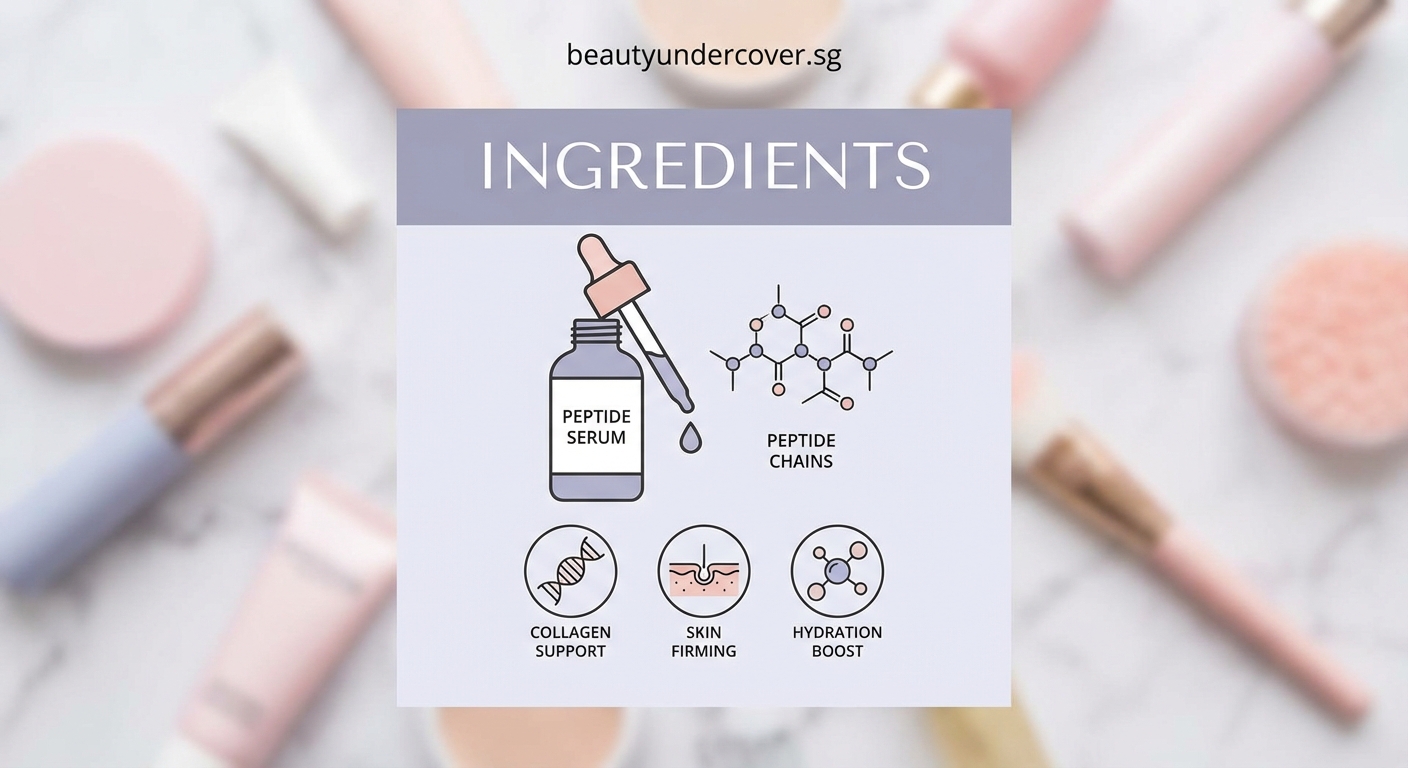
Here’s where things get interesting. Laboratory studies consistently show peptides stimulate collagen production in skin cells. Human studies show more modest but real improvements.
A 2005 study published in the International Journal of Cosmetic Science found that palmitoyl pentapeptide reduced wrinkle depth and volume after 12 weeks of twice-daily application. Participants saw visible improvement, though not dramatic transformation.
Copper peptides have even stronger evidence. They’ve been shown to improve skin firmness, elasticity, and clarity in multiple clinical trials. The catch? They can be irritating for sensitive skin types.
Peptides work, but they’re not miracle workers. Think of them as part of a comprehensive skincare strategy, not a standalone solution. Sunscreen and retinoids should come first.
The molecular size matters too. Peptides need to penetrate the skin barrier to work. Formulations that include penetration enhancers or encapsulation technology tend to perform better than basic peptide solutions.
Breaking Down the Cost Factor
Peptide serums range from $15 drugstore options to $300 luxury bottles. The price difference often reflects branding and packaging more than actual effectiveness.
What actually determines if a peptide product works:
- Peptide concentration: Look for products listing peptides in the first five ingredients
- Peptide type: Research-backed peptides like Matrixyl, copper peptides, or argireline
- Formula stability: Peptides degrade in unstable formulas or when exposed to light and air
- Supporting ingredients: Hyaluronic acid, niacinamide, and antioxidants boost peptide effectiveness
- Packaging: Airless pumps and opaque bottles protect peptide integrity better than jars
A $30 peptide serum with the right formulation can outperform a $200 option with poor stability or low concentration. Check ingredient lists, not just price tags.
| Factor | Worth Paying For | Skip It |
|---|---|---|
| Multiple peptide types | Yes, different peptides target different concerns | No, if the total peptide concentration is low |
| Airless pump packaging | Yes, keeps peptides stable longer | No, if stored properly and used within 3 months |
| Luxury brand name | No, unless formulation is superior | Yes, generic brands often use identical peptides |
| Added fragrance | No, can irritate and doesn’t improve results | Yes, always skip fragrance in treatment products |
| Clinical testing | Yes, shows the specific formula works | No, if only testing individual ingredients |
When Peptides Make Sense for Your Routine
Peptides fit best into established routines, not beginner regimens. If you’re just starting with skincare, build your foundation first with a simple 3-step skincare routine for absolute beginners.
You’re a good candidate for peptides if you:
- Already use sunscreen daily and have that habit locked in
- Have tried retinoids or vitamin C and want to add another anti-aging ingredient
- Notice early signs of aging like fine lines or slight loss of firmness
- Have sensitive skin that doesn’t tolerate stronger actives well
- Can commit to 8 to 12 weeks of consistent use before judging results
Skip peptides for now if you:
- Haven’t established a basic cleanser, moisturizer, and sunscreen routine
- Are dealing with active acne or significant skin concerns that need targeted treatment first
- Expect overnight results or dramatic transformation
- Switch products constantly and won’t stick with them long enough to see results
Peptides work gradually. You won’t wake up with different skin. But over weeks and months, you might notice your skin looks slightly firmer, fine lines appear softer, and your overall texture improves.
How to Use Peptides Effectively
Getting results from peptides requires consistent application and smart layering with other products.
Step-by-step peptide application:
- Cleanse your face thoroughly and pat dry
- Apply any water-based serums first (like hyaluronic acid or niacinamide)
- Apply your peptide serum while skin is still slightly damp
- Wait 1 to 2 minutes for absorption before layering other products
- Follow with moisturizer to seal everything in
- Always finish with sunscreen in the morning
Use peptide products twice daily for best results. Morning and evening application gives your skin consistent signaling to boost collagen production.
Peptides play well with most other ingredients. They’re particularly effective when combined with:
- Hyaluronic acid for hydration that plumps skin
- Antioxidants like vitamin C or E for additional anti-aging benefits
- Niacinamide for improved barrier function and texture
- Retinoids for comprehensive anti-aging results
Avoid mixing peptides with very low pH products like pure vitamin C serums or AHAs. The acidic environment can break down certain peptides. If you use both, apply vitamin C in the morning and peptides at night, or wait 20 minutes between applications.
Realistic Expectations and Timeline
Let’s be honest about what peptides can and cannot do.
Peptides can help with:
- Reducing the appearance of fine lines and wrinkles
- Improving skin firmness and elasticity over time
- Supporting overall skin health and barrier function
- Providing gentle anti-aging benefits for sensitive skin types
Peptides cannot:
- Erase deep wrinkles or completely reverse significant aging
- Replace professional treatments like lasers or injectables
- Work overnight or produce dramatic changes in days
- Fix skin concerns unrelated to collagen production
Most people notice subtle improvements around the 6 to 8 week mark. Skin looks slightly smoother and feels firmer. By 12 weeks, fine lines may appear softer and skin texture improves.
These changes are gradual. Take photos in consistent lighting every few weeks to track progress. Day-to-day, you won’t see dramatic differences, but month-to-month comparisons often reveal real improvement.
Budget-Friendly Alternatives That Work
If peptide serums don’t fit your budget right now, several alternatives deliver similar or better anti-aging results.
Retinoids remain the gold standard for anti-aging. Over-the-counter retinol or prescription tretinoin have decades of research proving they reduce wrinkles, improve texture, and boost collagen production. They cost less than most peptide serums and deliver more dramatic results.
Niacinamide improves skin barrier function, reduces inflammation, and helps with fine lines. It’s gentle, affordable, and works well for most skin types. Many drugstore products contain effective concentrations for under $20.
Vitamin C serums boost collagen production and protect against environmental damage. Look for L-ascorbic acid formulas with concentrations between 10 and 20 percent.
Sunscreen prevents the collagen breakdown that causes aging in the first place. Daily SPF 30 or higher does more to preserve youthful skin than any treatment product.
You can build an effective anti-aging routine without peptides. But if you’ve got your basics covered and want to add another layer of support, peptides offer gentle, proven benefits.
Making the Final Decision
Are peptides worth it? The answer depends on your specific situation.
Choose peptides if you want a gentle anti-aging ingredient that works gradually without irritation. They’re particularly valuable for sensitive skin types who can’t tolerate retinoids well. If you can find an affordable option with good formulation, they’re a solid addition to an established routine.
Skip them if you’re on a tight budget or just starting your skincare journey. Spend your money on sunscreen, a good moisturizer, and retinol first. Those basics deliver more bang for your buck. You can always add peptides later when you’re ready to build a luxury skincare routine without breaking the bank.
Consider your priorities too. If you prefer a 10-minute morning skincare routine, adding another serum might feel like too much. Peptides work best when you’ll actually use them consistently.
Your Skin Deserves Honest Answers
Peptides aren’t magic, but they’re not snake oil either. The science supports their ability to improve skin firmness and reduce fine lines with consistent use over several months. They work best as part of a complete routine, not as a standalone miracle cure.
Choose products based on formulation quality and peptide concentration, not price or packaging. A well-formulated drugstore option often performs just as well as luxury alternatives. Start with one peptide product, use it consistently for at least 12 weeks, and pay attention to how your skin responds. That’s the only way to know if peptides are worth it for you.