Your hair deserves more than a one-size-fits-all approach. The right hair oil can transform dry, brittle strands into soft, manageable locks, but only if you choose one that matches your unique texture and concerns. Too heavy, and you’ll look greasy by noon. Too light, and you won’t see any benefits at all.
Hair oils work differently depending on your hair type and concerns. Fine hair needs lightweight oils like argan or jojoba, while thick or curly hair thrives with coconut or castor oil. Damaged hair benefits from protein-rich options, and oily scalps should focus on dry-end application only. Choosing the right formula and applying it correctly makes all the difference between gorgeous shine and greasy disappointment.
Understanding hair oils and how they work
Hair oils aren’t just about adding shine. They penetrate the hair shaft, seal moisture, protect against heat damage, and smooth the cuticle layer. Some oils sit on the surface as a protective barrier, while others actually absorb into the strand.
The molecular size matters here. Coconut oil has small molecules that penetrate deeply. Olive oil has larger molecules that coat the outside. Neither approach is better, they just serve different purposes.
Your hair porosity plays a huge role too. High porosity hair (damaged, color-treated, or naturally porous) absorbs products easily but loses moisture just as fast. Low porosity hair (smooth, shiny, resistant to water) repels most products. Medium porosity sits somewhere in between.
Temperature also affects how oils perform. Coconut oil solidifies below 76°F but melts on contact with warm skin. Argan oil stays liquid at room temperature. This changes how you apply and distribute them.
Best oils for fine or thin hair
Fine hair walks a tightrope. You need nourishment without weight. Go too heavy and your hair looks flat and greasy within hours.
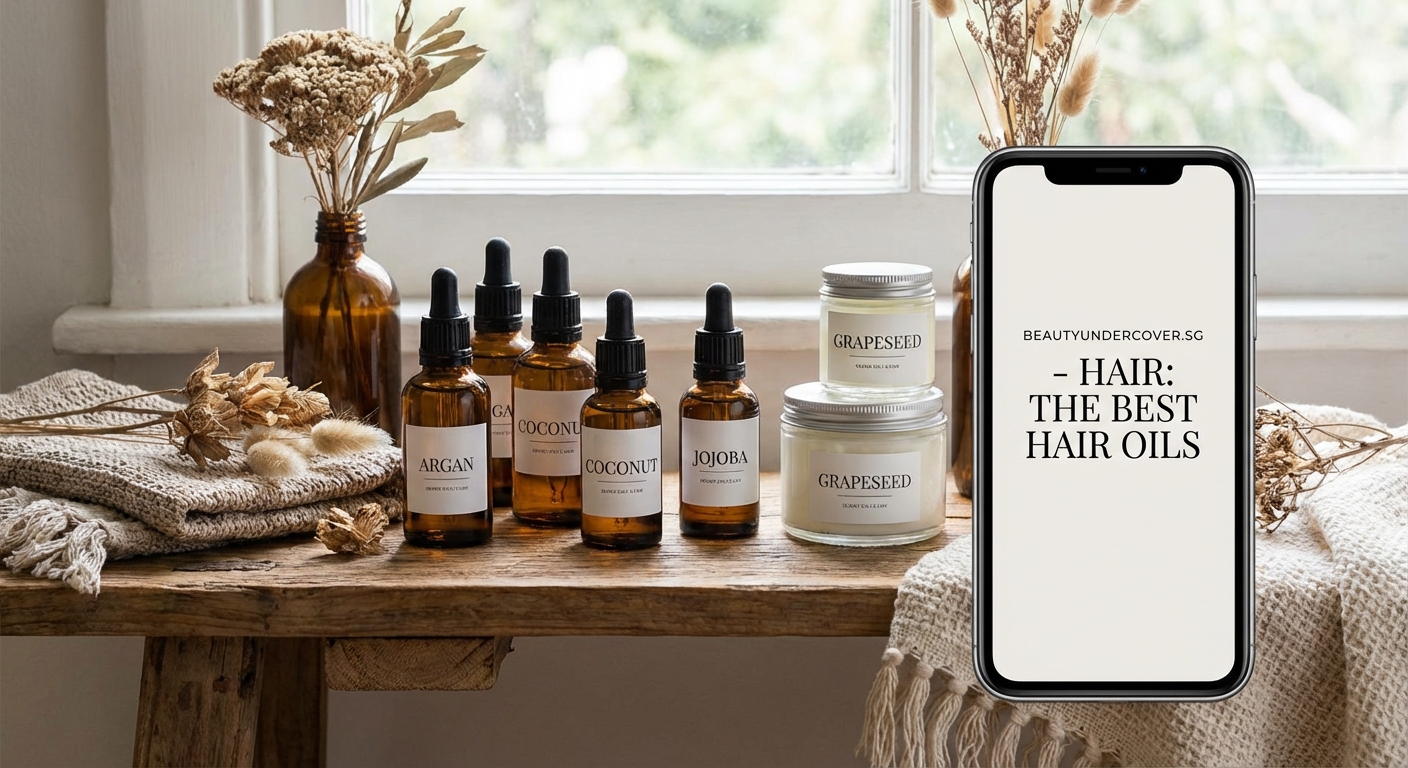
Argan oil tops the list for fine hair. It’s lightweight, absorbs fast, and doesn’t leave residue. A single drop warmed between your palms and smoothed over damp ends does the job.
Jojoba oil mimics your scalp’s natural sebum. It won’t confuse your oil production or weigh down roots. Use it sparingly on mid-lengths and ends only.
Grapeseed oil offers another featherlight option. It’s high in linoleic acid, which strengthens hair without heaviness. Apply to damp hair before blow-drying for heat protection.
Avoid these for fine hair:
– Coconut oil (too heavy for most fine textures)
– Castor oil (extremely thick and sticky)
– Shea oil (leaves coating that flattens volume)
Application technique matters as much as the oil itself. Start with one or two drops. You can always add more, but you can’t take it back once applied.
Top choices for thick or coarse hair
Thick hair can handle richer, more substantial oils. You need serious moisture to penetrate those dense strands.
Coconut oil works beautifully here. Apply it as a pre-shampoo treatment, leaving it on for 30 minutes to overnight. The small molecules actually penetrate the cortex, reducing protein loss during washing.
Olive oil provides intense moisture for very dry, thick hair. It’s heavier than most oils, making it perfect for overnight masks. Warm it slightly for better distribution.
Avocado oil contains vitamins A, D, and E plus fatty acids that thick hair craves. It penetrates well despite being relatively heavy. Use it on damp hair as a leave-in treatment.
Sweet almond oil offers a middle ground. It’s rich enough for thick hair but not so heavy that it takes forever to absorb. Great for daily use on ends.
Here’s a simple routine for thick hair:
- Apply oil to dry hair before shampooing (pre-poo treatment)
- Leave on for at least 30 minutes or overnight
- Shampoo twice to remove all residue
- Apply a small amount to damp ends after washing
- Style as usual
Perfect oils for curly and textured hair
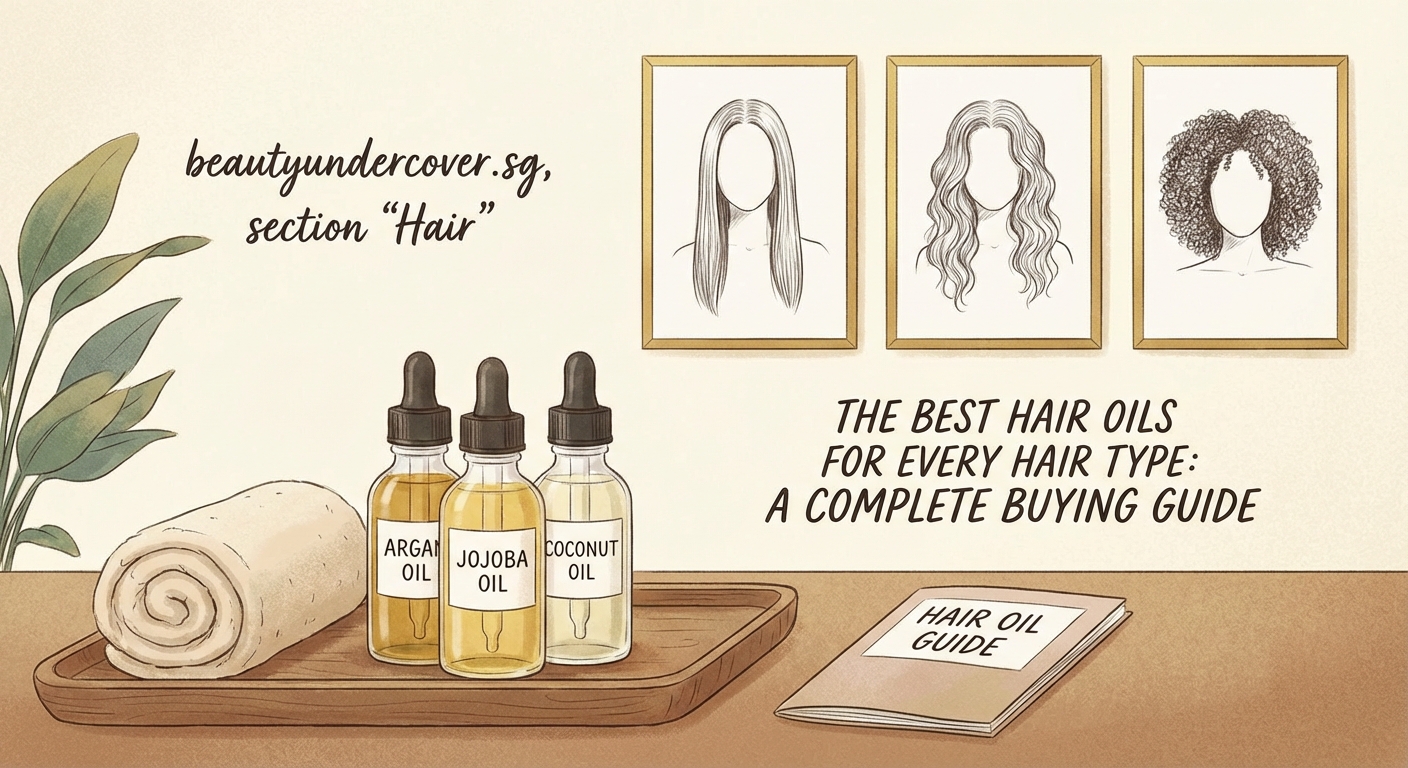
Curly hair has special needs. The curl pattern makes it harder for scalp oils to travel down the shaft, leading to dry ends even with an oily scalp.
Coconut oil remains a curly hair favorite. It reduces frizz, defines curls, and adds slip for easier detangling. Apply to soaking wet hair right after showering, then scrunch.
Castor oil works wonders for very tight curls and coils. Yes, it’s thick and sticky, but that’s exactly what high-density curls need. Mix it with a lighter oil if the texture bothers you.
Argan oil adds shine without crunch. Many curly-hair products contain silicones that build up over time. Argan oil gives you glossy curls without that problem.
Baobab oil deserves more attention in the curly community. It’s rich in omega fatty acids, absorbs well, and doesn’t leave a greasy film. Perfect for refreshing day-two curls.
“Curly hair needs moisture at every stage. Apply oil to soaking wet hair, not damp. The water helps distribute the oil evenly and prevents heavy spots that lead to greasy patches mixed with dry areas.” – Trichologist recommendation
The LOC method (Liquid, Oil, Cream) works brilliantly for curls:
– Apply water or leave-in conditioner
– Layer oil over wet hair
– Seal with a cream or butter
Solutions for damaged or chemically treated hair
Damage changes everything about how your hair behaves. The cuticle has lifted or broken away, creating gaps that leak moisture and protein.
Argan oil contains high levels of vitamin E and antioxidants that help repair oxidative damage from coloring and heat styling. Use it daily on ends.
Rosehip oil might surprise you. It’s packed with essential fatty acids and vitamin A, which support hair regeneration. Very lightweight despite its reparative properties.
Marula oil protects against future damage while conditioning existing breakage. It has a high oxidative stability, meaning it won’t go rancid quickly on your shelf or in your hair.
Pumpkin seed oil contains zinc and other minerals that support hair strength. Less common but worth seeking out for severely damaged hair.
| Hair Damage Level | Best Oil Choice | Application Frequency | Focus Areas |
|---|---|---|---|
| Mild (slight dryness) | Argan oil | 2-3 times per week | Ends only |
| Moderate (visible split ends) | Rosehip + argan blend | Daily | Mid-lengths to ends |
| Severe (breakage, brittleness) | Marula oil | Daily, plus weekly mask | Full length, avoid roots |
| Chemical damage | Pumpkin seed oil | 4-5 times per week | Especially around face frame |
Protein treatments and oil treatments serve different purposes. Alternate them rather than using both at once. Too much protein makes hair brittle. Too much moisture without protein makes it mushy.
Addressing specific scalp concerns
Your scalp condition dictates whether you should apply oil near your roots at all.
For dry, flaky scalps, jojoba oil massaged directly onto the scalp helps. Do this at night, sleep with a shower cap, and shampoo in the morning. Tea tree oil (diluted, never straight) can address dandruff.
Oily scalps should avoid oil near roots entirely. Focus on ends only. If you must treat your scalp, use very light oils like grapeseed and wash them out within an hour.
Sensitive scalps do best with single-ingredient oils rather than blends. This makes it easier to identify irritants if you react. Start with jojoba or argan, the least likely to cause problems.
For scalp conditions like seborrheic dermatitis or psoriasis, consult a dermatologist before adding oils. Some conditions worsen with oil application.
How to apply hair oil correctly
Technique trumps product choice. Even the perfect oil fails if you apply it wrong.
For pre-shampoo treatments:
1. Section dry hair into four parts
2. Apply oil generously from roots to ends
3. Massage scalp for two minutes to boost circulation
4. Twist sections and clip up
5. Wait 30 minutes minimum (or overnight for deep conditioning)
6. Shampoo twice to remove all residue
For leave-in application:
– Start with damp, not soaking hair (unless you have curls)
– Warm oil between palms first
– Apply to ends, working upward to mid-lengths
– Avoid roots unless you have a very dry scalp
– Use 2-3 drops for fine hair, up to a teaspoon for thick hair
Common mistakes that ruin results:
- Applying too much oil at once
- Putting oil on dry hair when you have fine texture
- Skipping the warming step (cold oil doesn’t distribute evenly)
- Applying to roots when you have oily skin
- Using the same amount regardless of hair length or density
- Not adjusting for humidity (you need less in humid weather)
Combining oils for custom blends
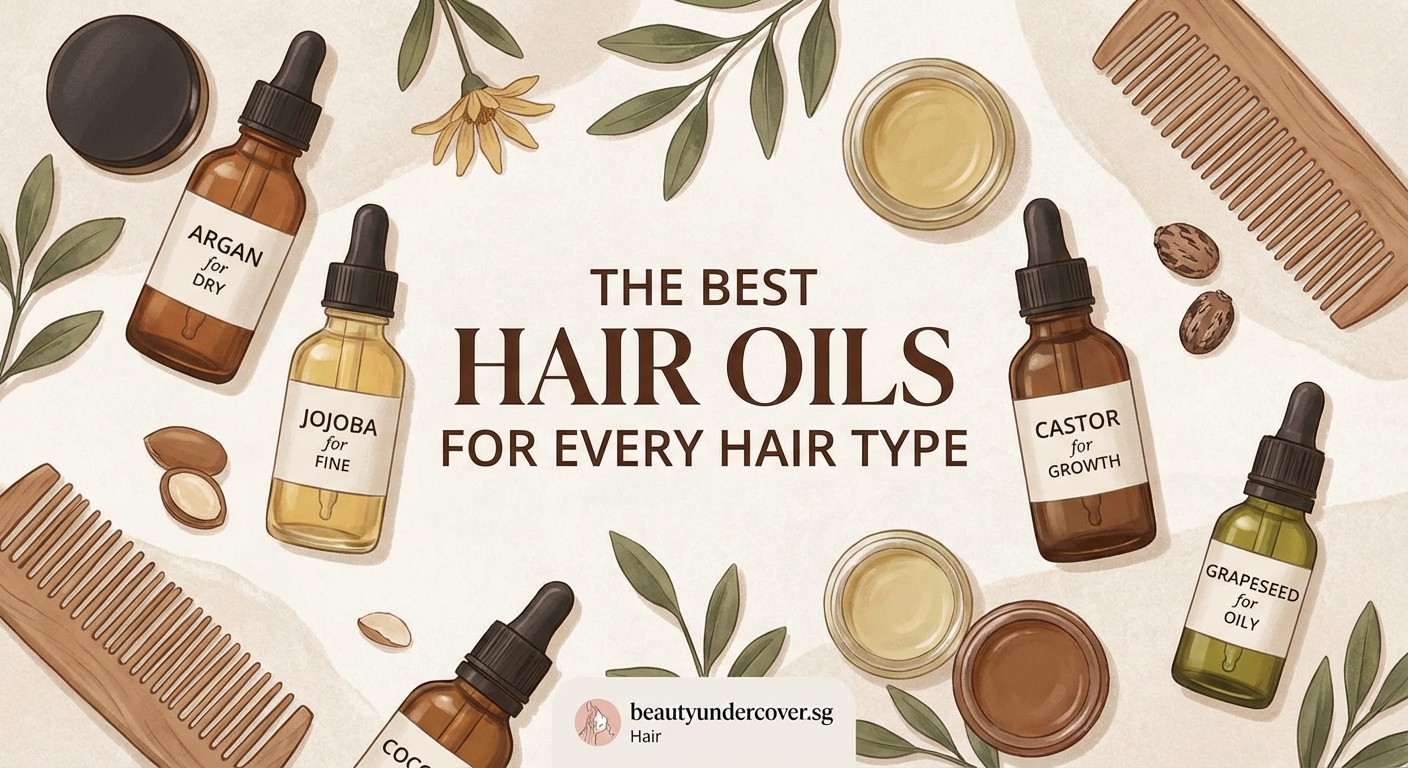
Mixing oils lets you target multiple concerns at once. Keep ratios simple to start.
For fine hair with damage:
– 70% argan oil
– 30% rosehip oil
For thick, dry hair:
– 50% coconut oil
– 30% olive oil
– 20% castor oil
For curly hair with frizz:
– 60% argan oil
– 40% coconut oil
Store custom blends in dark glass bottles away from heat and light. Most oils last six months to a year when stored properly. Smell them before use. Rancid oil smells like crayons or paint and should be tossed.
Add a few drops of vitamin E oil to extend shelf life. It acts as a natural preservative.
Reading labels and avoiding marketing traps
Not all hair oils deliver what they promise. Marketing often misleads.
Check ingredient lists carefully. If the first ingredient is silicone (dimethicone, cyclomethicone) rather than actual plant oil, you’re buying a silicone serum, not a hair oil. Nothing wrong with silicones, but know what you’re getting.
“Infused with argan oil” usually means there’s a tiny amount mixed with cheaper oils or silicones. Look for products where the beneficial oil appears in the first three ingredients.
Cold-pressed and unrefined oils retain more nutrients than refined versions. They cost more but work better. Refined oils have longer shelf lives and milder scents, which some people prefer.
Organic certification matters less for hair than for food. Focus on processing method instead. Cold-pressed beats refined regardless of organic status.
Price doesn’t always indicate quality. Some expensive salon brands contain the same ingredients as drugstore versions. Compare ingredient lists, not price tags.
Seasonal adjustments for year-round results
Your hair needs different things in July versus January.
Summer hair faces humidity, salt water, chlorine, and UV damage. Switch to lighter oils that won’t melt in heat. Argan and grapeseed work well. Apply oil before swimming to create a protective barrier against chlorine and salt.
Winter brings dry air, static, and indoor heating. Your hair can handle heavier oils now. Coconut and avocado oil combat seasonal dryness. Increase application frequency as needed.
Fall and spring let you experiment. Your hair is usually at its healthiest during these moderate seasons. Try new oils or techniques when conditions are stable.
Humidity affects how much oil you need. High humidity means less product. Your hair is already absorbing moisture from the air. Dry climates require more generous application.
Budget-friendly options that actually work
You don’t need expensive bottles to get great results.
Pure coconut oil from the grocery store works just as well as fancy hair-specific versions. Same with olive oil, sweet almond oil, and grapeseed oil. Buy food-grade oils and save money.
Avoid “hair oil” products with long ingredient lists and high prices. You’re paying for marketing, fragrance, and packaging. A $8 bottle of pure argan oil from a health food store outperforms a $45 salon blend that lists argan as the fifth ingredient.
Buy in bulk if you use oil regularly. A 16-ounce bottle costs less per ounce than multiple small bottles. Store extra oil in a cool, dark place.
Multi-use oils offer better value. Coconut oil works for hair, skin, and cooking. Jojoba oil suits hair and face. You get more bang for your buck.
Testing new oils safely
Even natural oils can cause reactions. Test before committing.
Patch test on your inner arm first. Apply a small amount and wait 24 hours. Redness, itching, or bumps mean skip that oil.
Try new oils on a small section of hair before applying all over. Use one inch of hair near the nape of your neck. This shows you how your hair responds without risking your whole head.
Introduce one new oil at a time. If you try three new products in one week and get a bad reaction, you won’t know which one caused it.
Start with less than you think you need. You can always add more next time. Too much oil requires re-washing, wasting time and causing frustration.
Finding your perfect match
Hair oil isn’t complicated once you understand the basics. Your hair type, porosity, and specific concerns point you toward certain oils. Fine hair needs lightweight options. Thick hair handles heavier choices. Damaged hair requires reparative ingredients.
Start with one oil that matches your primary concern. Use it consistently for two weeks before judging results. Hair grows slowly, so changes take time to become visible.
Pay attention to how your hair feels and behaves. Does it get greasy by evening? Use less or switch to a lighter oil. Still dry and frizzy? Try a richer option or increase frequency.
The best hair oil is the one you’ll actually use regularly. Consistency beats perfection every time.