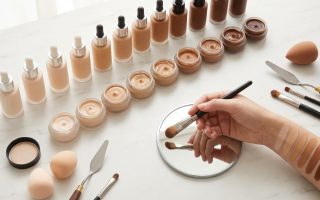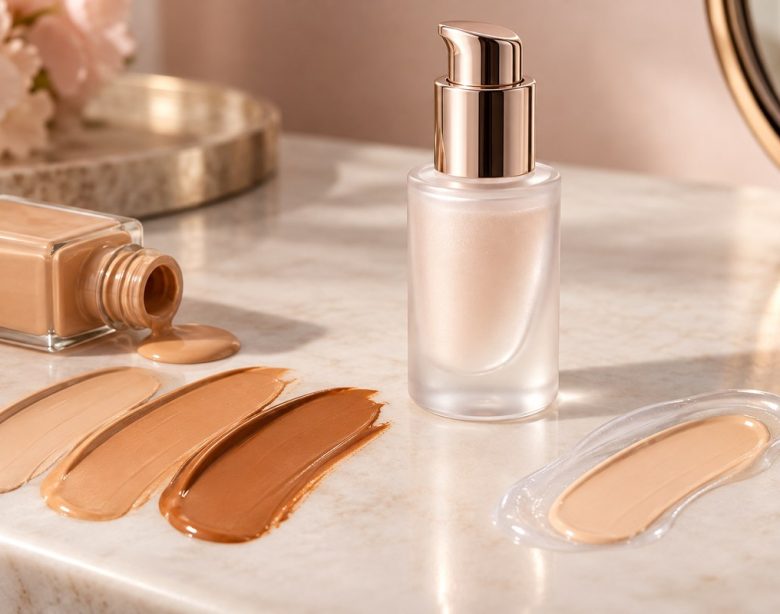
You pick up your favorite foundation, apply it carefully, and walk out the door feeling flawless. Two hours later, you catch a glimpse of yourself in the car mirror and your face has turned a shade darker, almost orange. This frustrating phenomenon is called foundation oxidation, and it happens to almost everyone with oily or combination skin at some point. The good news? You don’t have to throw away your foundation. You just need to understand the chemistry behind the color change and add one specific product to your routine.
Foundation oxidation happens when the pigments in your makeup react with oxygen, oil, or a high skin pH, causing them to darken. The most effective solution is a silicone-based primer that creates a protective barrier between your skin and the foundation. Look for dimethicone or cyclopentasiloxane as the first ingredient. This simple swap stops the chemical reaction before it starts, keeping your shade true all day.
What Actually Causes Your Foundation to Turn Orange
Oxidation sounds like a complex chemistry term, but it’s actually a simple reaction. Think of what happens to a sliced apple when you leave it on the counter. It turns brown. The same process happens to the iron oxides and other pigments in your liquid foundation when they are exposed to air, light, and the natural oils on your face.
Several factors speed up this reaction:
- Your natural skin oils. Sebum contains linoleic acid and other compounds that trigger oxidation. Oily skin types see this happen faster.
- A high skin pH. Your skin naturally has a slightly acidic pH around 4.5 to 5.5. When your pH rises above that range, it can cause foundation pigments to break down and darken.
- Certain skincare ingredients. Some active ingredients like vitamin C, AHAs, and benzoyl peroxide can interact with foundation formulas and cause color change.
- Old or poorly stored foundation. Makeup that has been exposed to heat or air for too long already contains oxidized particles before you even apply it.
- Applying with fingers. The natural oils and bacteria on your hands can transfer into the foundation and speed up the reaction.
Why Most Solutions Don’t Work
You have probably tried some of the common fixes. Setting powder can help a little, but it only absorbs surface oil after the damage is done. Switching to a lighter shade might mask the problem for an hour, but the color will still shift. Using a mattifying moisturizer helps reduce oil, but it does not create a barrier against oxygen.
The real solution is to stop the reaction before it starts. That is where the right primer comes in.
The One Primer That Blocks Oxidation Completely
After testing dozens of formulas and talking to cosmetic chemists, one type of primer consistently prevents foundation oxidation. The key is a high concentration of silicones, specifically dimethicone or cyclopentasiloxane.
These ingredients form a thin, breathable film on your skin. This film does two things. First, it creates a physical barrier that prevents your natural oils from mixing with the foundation pigments. Second, it limits the amount of oxygen that reaches the liquid makeup, slowing down the chemical reaction.
A good foundation oxidation primer should have dimethicone listed as one of the first three ingredients. Avoid water-based primers that contain mostly glycerin or aloe vera, because they do not provide the same protective seal.
How to Choose the Right Primer
Not all silicone primers are created equal. Here is a simple table to help you pick the right one.
| Primer Type | Key Ingredient | Best For | Effectiveness Against Oxidation |
|---|---|---|---|
| Silicone gel | Dimethicone | Oily skin | Very high |
| Silicone cream | Cyclopentasiloxane | Combination skin | High |
| Water-based | Glycerin | Dry skin | Low |
| Mattifying | Silica | Acne-prone skin | Moderate |
Look for a primer that lists dimethicone first. If you have dry skin, you can still use a silicone primer, just layer a hydrating serum underneath.
How to Apply Your Primer for Maximum Protection
Using the right product is only half the battle. You also need to apply it correctly. Follow these steps to stop oxidation for good.
-
Start with clean, dry skin. Wash your face with a gentle cleanser and pat it dry. Wait at least 5 minutes after applying any skincare products to let them absorb fully. If your skin is still damp, the primer will not form a proper seal.
-
Apply a pea-sized amount of silicone primer. Use your fingertips to press it into the skin, focusing on the center of your face where you get the most oil and where oxidation usually starts. Do not rub it in. Pressing helps the film form evenly.
-
Wait 60 seconds. Give the primer time to set and dry down. It should feel smooth and slightly velvety, not slippery or wet.
-
Apply your foundation. Use a damp beauty sponge or a dense brush. Avoid using your fingers. Stippling the foundation on in thin layers helps prevent the makeup from breaking the primer barrier.
-
Set with a light dusting of translucent powder. This locks everything in place and absorbs any excess moisture from the air.
A cosmetic chemist once told me, “Think of the primer as a raincoat for your foundation. The raincoat keeps the water out, and the primer keeps the oil and oxygen out.” This is the most accurate advice I have ever heard.
Common Mistakes That Ruin Your Primer Barrier
Even with the best foundation oxidation primer, a few habits can undo all your hard work.
- Skipping the wait time. If you apply foundation immediately after primer, you mix the two products together. The barrier never forms.
- Using too much primer. A thick layer of primer can pill up and create uneven patches. Less is more.
- Applying water-based products on top of silicone. If you use a water-based concealer or setting spray, it may not sit well on a silicone base. Stick to silicone-based products for your entire makeup routine.
- Reapplying powder throughout the day. Adding more powder can actually push foundation deeper into your pores and mix it with oil, worsening oxidation. Instead, blot with a tissue.
What to Do If You Already Have an Oxidized Foundation
If you love the formula of your current foundation but it keeps turning orange, you have two options. You can mix a drop of color adjuster (a blue or green pigment corrector) into the foundation before applying. This neutralizes the orange tones. Or, you can use the silicone primer trick and see if it rescues the bottle you already own.
For a more permanent fix, check out our guide to the best drugstore foundations that rival high-end luxury brands for formulas that are less prone to color change.
Your New Morning Routine for Oxidation-Free Skin
Building a routine around a foundation oxidation primer is simple. Here is a bulleted summary of the steps you should follow every day.
- Cleanse and dry your face thoroughly.
- Apply any water-based serums or moisturizers first.
- Wait 5 minutes for everything to absorb.
- Press a pea-sized amount of silicone primer into your skin.
- Wait 60 seconds for the primer to set.
- Apply foundation with a sponge or brush.
- Set with translucent powder.
This routine takes less than two extra minutes, and it saves you from the embarrassment of a mismatched face halfway through the day.
The Science Behind the Shield
If you want to get technical, here is why dimethicone works so well. Silicone molecules are large and spread out in a smooth, even layer. They do not absorb into the skin like water or oils. Instead, they sit on top and form a flexible film. This film is hydrophobic, meaning it repels water and oil. When your sebum tries to rise to the surface, it hits the silicone layer and cannot mix with your foundation. The pigments stay suspended in the liquid formula, exactly where they belong.
This is also why a foundation oxidation primer works better than setting spray or powder. Those products sit on top of the makeup, not between the skin and the makeup. They catch oil after it has already mixed with the foundation, which is too late.
What About Skin Type Differences?
If you have dry skin, you might be worried that a silicone primer will feel heavy or dry you out further. That is a valid concern. The trick is to layer a hydrating serum underneath the primer. Look for ingredients like hyaluronic acid or glycerin. Let that sink in for a few minutes, then apply the silicone primer. The primer seals in the hydration while still blocking oil and oxygen.
If you have sensitive skin, check the ingredient list for added fragrances or essential oils. Many silicone primers are fragrance-free, but some brands add them. Stick to hypoallergenic options.
Why Your Skincare Routine Matters
Sometimes the problem is not your foundation or your primer. It is what you put on your skin before you start your makeup. Certain active ingredients can raise your skin’s pH and make oxidation more likely. If you use a strong vitamin C serum or a BHA toner in the morning, give it at least 10 minutes to fully absorb and neutralize before you apply primer.
For a deeper understanding of how your products interact, read our article on what really happens when you layer too many skincare products. It explains the chemistry behind product layering and why timing matters.
The One Primer That Stops It for Good
To bring it all together, the single most effective product for stopping foundation oxidation is a silicone-based primer with dimethicone as the first ingredient. It creates a physical and chemical barrier that keeps your natural oils and oxygen away from your foundation pigments. No other product type works as consistently.
You can find excellent options at every price point. Drugstore brands like NYX, e.l.f., and Maybelline all have silicone primers that cost under $15. High-end options from Smashbox, Tatcha, and Fenty Beauty also work well. The ingredient list matters more than the brand name. Flip the bottle over, find the dimethicone, and you have found your solution.
Your Foundation Should Match You, Not Change You
Oxidation is frustrating because it makes you feel like you cannot trust your own makeup. You buy a shade that looks perfect in the store, and it betrays you a few hours later. With the right primer, you can finally stop worrying about color change and start enjoying your makeup again. Test the silicone primer method tomorrow morning. Look at your face at noon. You will see the same shade you applied at 7 AM, and that is the kind of beauty win we all deserve.