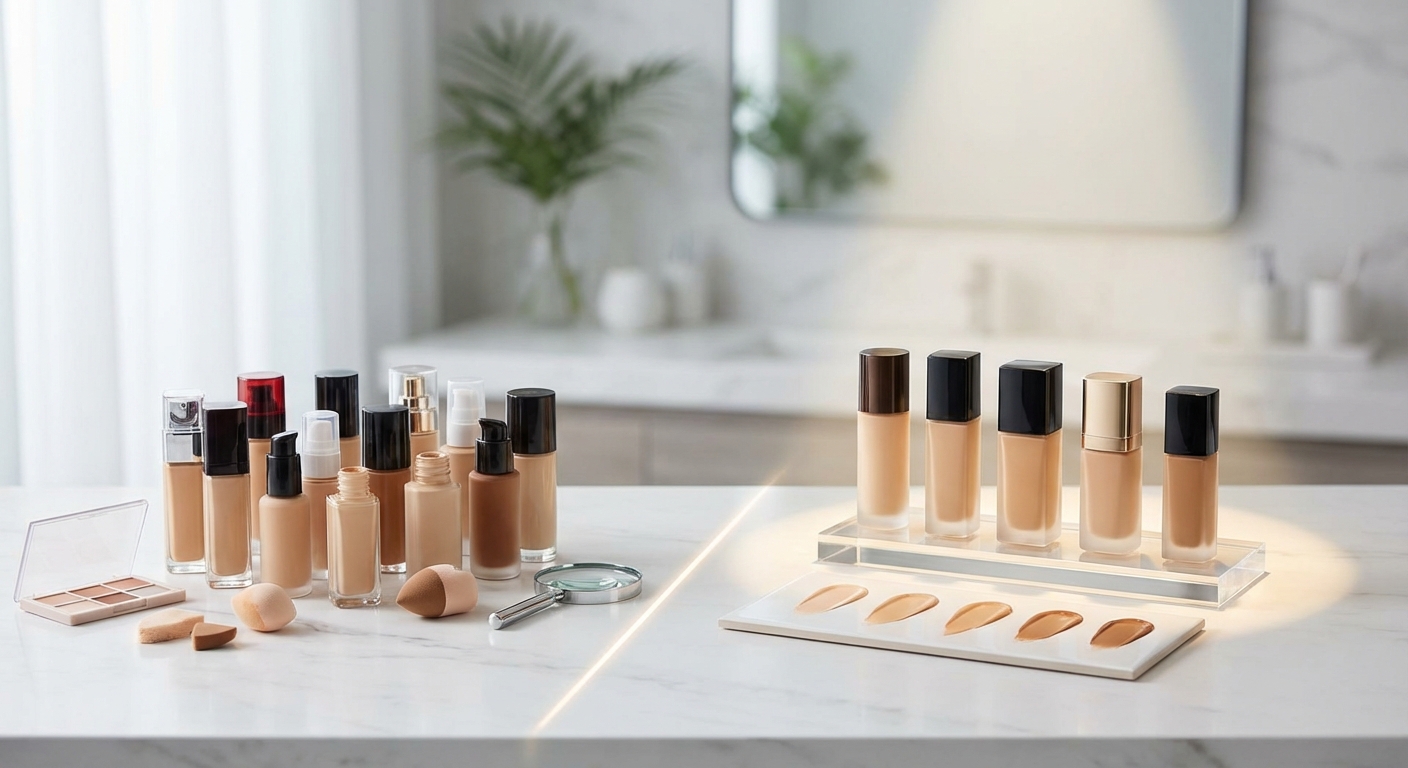
You don’t need to spend $50 on foundation to get a flawless base. Some of the best drugstore foundations perform just as well as their luxury counterparts, and I’ve tested enough of both to know the difference. After trying 15 affordable options, I found five that genuinely deliver on coverage, wear time, and finish without breaking the bank.
Drugstore foundations under $15 can match high-end performance when you know what to look for. The top five formulas offer buildable coverage, long wear, and diverse shade ranges. Success depends on matching formula type to your skin type, testing undertones in natural light, and using proper application techniques for your chosen finish.
What makes a drugstore foundation actually good
Price doesn’t determine quality anymore. The gap between drugstore and prestige foundations has narrowed dramatically over the past five years.
Good foundation does three things well. It matches your skin tone accurately, wears comfortably for at least eight hours, and looks natural in different lighting conditions.
The best affordable options now include skin-loving ingredients. Hyaluronic acid, niacinamide, and SPF appear in formulas that cost less than a lunch out. These additions mean your base makeup can actually benefit your skin instead of just sitting on top of it.
Shade range matters more than brand prestige. A $12 foundation with 40 shades beats a $45 option with only 12 colors. You need to find your actual match, not settle for “close enough.”
The five foundations that passed every test
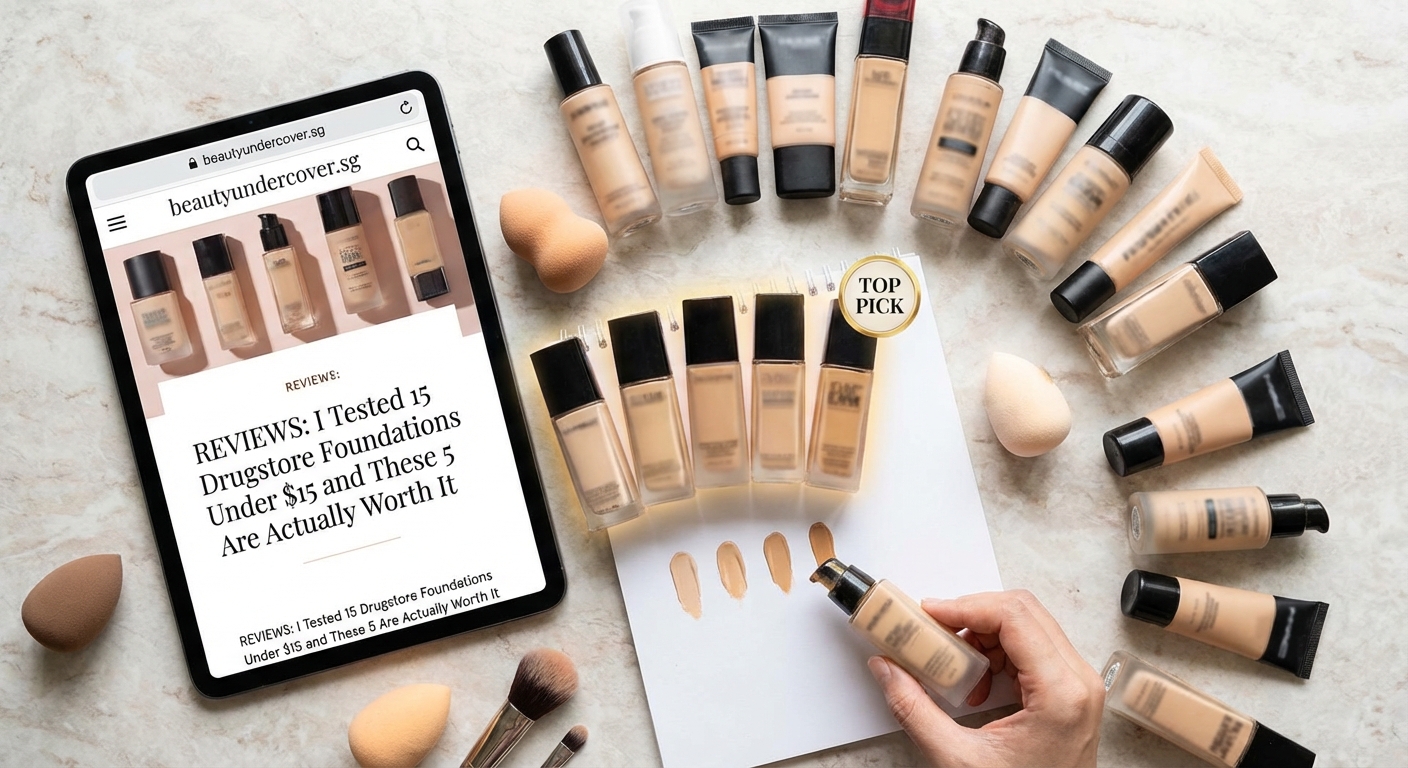
After wearing each formula for full days in different conditions, these five stood out consistently.
Maybelline Fit Me Matte + Poreless works for oily and combination skin types. The formula controls shine for up to 10 hours without looking cakey or settling into pores. It builds from light to medium coverage and blends easily with fingers, sponge, or brush. The shade range includes 40 options with proper undertone variety.
L’Oréal Infallible Pro-Matte delivers the longest wear time of any drugstore foundation I’ve tested. This one survives humid weather, long commutes, and full workdays. The coverage sits at medium to full, making it ideal for covering acne scars or hyperpigmentation. It does dry down completely, so you need to work in sections and blend fast.
Revlon ColorStay for Combination/Oily Skin has earned its cult status for good reason. The formula photographs beautifully, which matters if you take a lot of selfies or attend events. It offers buildable medium coverage that looks like skin, not makeup. The pump bottle ensures you don’t waste product or contaminate the formula.
CoverGirl Clean Fresh Skin Milk feels lightweight and works perfectly for dry or normal skin. This foundation contains hyaluronic acid and gives a dewy, hydrated finish. The coverage is light to medium, best for evening out skin tone rather than covering major imperfections. It layers well over skincare and under powder without pilling.
NYX Can’t Stop Won’t Stop bridges the gap between drugstore and mid-range performance. The formula resists transfer, stays put through sweat, and maintains its finish without oxidizing. It provides full coverage that you can sheer out by mixing with moisturizer. The 45-shade range includes options for very fair and very deep skin tones.
Matching foundation formula to your skin type
Your skin’s needs should dictate which formula you choose, not trends or marketing claims.
| Skin Type | Best Formula | Finish to Look For | Ingredients to Avoid |
|---|---|---|---|
| Oily | Matte, oil-free | Natural matte or semi-matte | Heavy oils, silicones at top of list |
| Dry | Hydrating, luminous | Dewy or radiant | Alcohol, mattifying powders |
| Combination | Satin or natural | Skin-like, adaptable | Extremely matte or extremely dewy |
| Sensitive | Fragrance-free, minimal ingredients | Any, based on preference | Fragrance, essential oils, dyes |
| Mature | Hydrating with light-reflecting particles | Radiant or satin | Matte formulas that emphasize texture |
Oily skin needs formulas that control sebum without stripping. Look for oil-free bases with ingredients like salicylic acid or niacinamide. These foundations should feel lightweight and set to a powder finish within a few minutes.
Dry skin requires hydration throughout the day. Foundations with hyaluronic acid, glycerin, or squalane prevent that tight, uncomfortable feeling. Skip anything labeled “long-wear” or “24-hour” as these usually contain more film-formers that can emphasize dry patches.
Combination skin benefits from adaptable formulas. These foundations balance oil control in the T-zone while providing enough moisture for drier areas. Satin finishes work best because they don’t look flat or overly shiny.
Sensitive skin needs simple formulas. Fewer ingredients mean fewer potential irritants. Avoid foundations with fragrance, even natural ones, as these cause reactions more often than any other ingredient category.
Mature skin looks best with hydrating formulas that contain light-reflecting particles. These foundations settle into fine lines less noticeably and give skin a healthy glow. Avoid anything too matte, as it can make skin look flat and emphasize texture.
How to test foundation shades properly
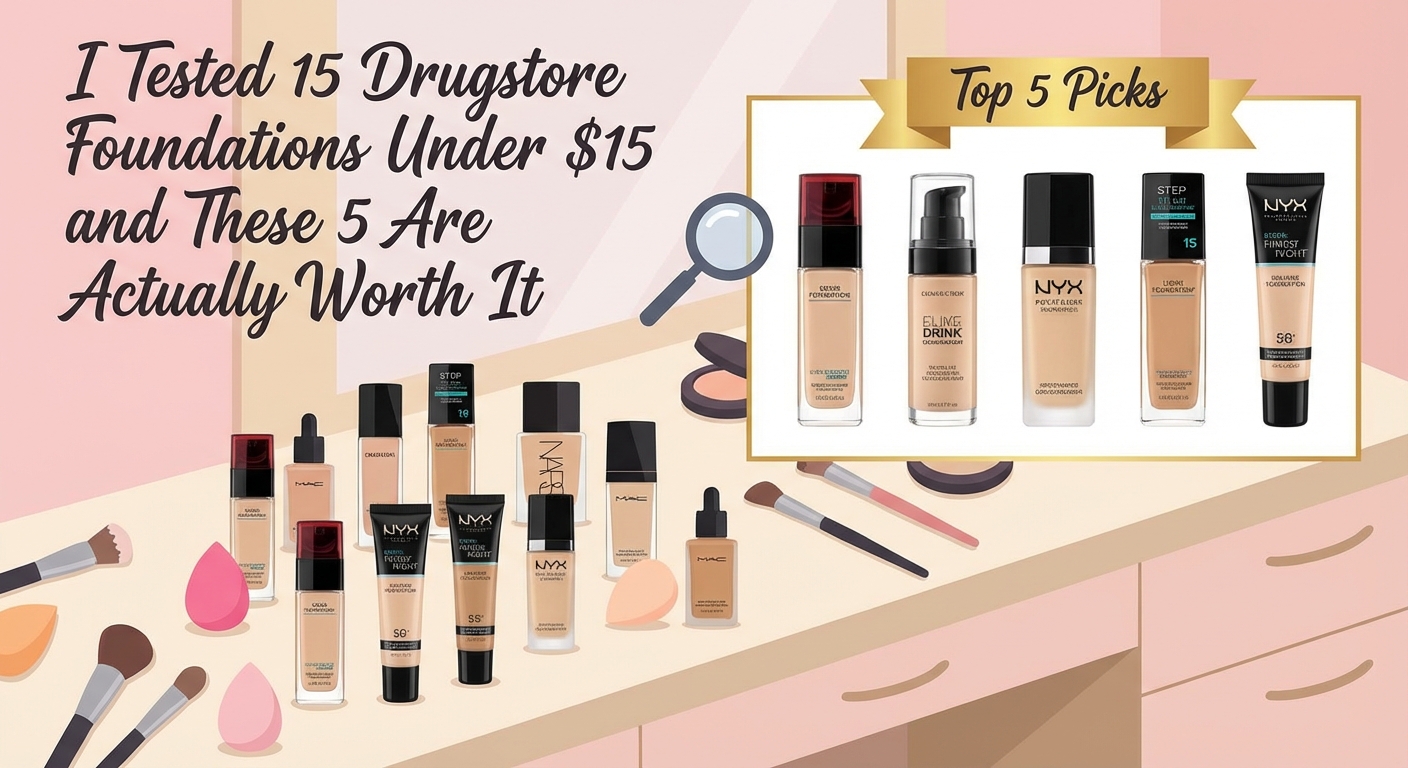
Most people test foundation wrong, which leads to bad matches and wasted money.
- Swatch three shades on your jawline, not your hand or wrist.
- Step outside in natural light and check which shade disappears into your skin.
- Wait 10 minutes to see if the formula oxidizes or changes color.
- Check the match in different lighting conditions before buying.
Your hand is typically several shades different from your face. Testing there guarantees a mismatch. Your jawline provides the most accurate testing spot because it shows how the foundation will blend into your neck.
Natural light reveals the truth about foundation matches. Artificial store lighting makes everything look different, usually better than reality. Take a small mirror outside or stand near a window to see the real color.
Oxidation happens when foundation reacts with your skin’s natural oils. Some formulas darken by one or two shades after 10 minutes of wear. Testing for this prevents buying a foundation that looks perfect in-store but turns orange an hour later.
Different lighting shows different undertones. A foundation that looks great in your bathroom might look gray in office fluorescents or yellow in evening light. Test in multiple settings if possible, or at least be aware of where you’ll wear it most.
A perfect foundation match should be invisible on your jawline in natural light. If you can see where it ends and your neck begins, the shade is wrong. Your foundation should match your neck, not your face, especially if you have redness or discoloration you’re trying to even out.
Application techniques that maximize drugstore formulas
How you apply foundation matters as much as which formula you choose.
Start with properly prepped skin. Moisturizer should absorb for at least five minutes before foundation application. Primer helps but isn’t mandatory if your moisturizer works well with your foundation.
Use the right tool for your formula. Matte foundations blend best with damp beauty sponges. Dewy formulas work beautifully with brushes or fingers. Full-coverage options need stippling motions rather than sweeping.
Build coverage gradually instead of applying a thick layer at once. One thin layer looks more natural than one heavy application. You can always add more where needed, but removing excess creates a messy situation.
Set strategically, not everywhere. Powder only the areas that get oily, typically the T-zone. Setting your entire face can make foundation look cakey and emphasize dry patches.
Common mistakes that make cheap foundation look cheap
These errors make even good drugstore foundations perform poorly.
Using too much product is the biggest mistake. Foundation should enhance your skin, not mask it completely. Start with a pea-sized amount for your entire face and add more only where needed.
Skipping skincare creates a poor canvas. Foundation clings to dry patches, settles into dehydrated fine lines, and slides off oily skin. Your skincare routine directly impacts how your foundation wears.
Applying foundation to dirty tools transfers bacteria and old makeup back onto your face. This causes breakouts and makes application patchy. Wash sponges after every use and brushes weekly.
Ignoring undertones leads to foundations that look orange, pink, or gray. Cool undertones need pink or neutral bases. Warm undertones need yellow or golden bases. Neutral undertones can wear most shades but still need to avoid extremes.
Expecting one foundation to work year-round sets you up for disappointment. Your skin changes with seasons, hormones, and environment. Many people need two shades: one for summer when skin tans slightly, one for winter when skin is paler.
Extending wear time without buying setting sprays
You don’t need expensive setting products to make drugstore foundation last all day.
Skincare layering creates natural longevity. Apply products from thinnest to thickest consistency. Let each layer absorb before adding the next. This prevents pilling and helps foundation adhere better.
Blotting papers remove excess oil without disturbing makeup. Press gently on shiny areas instead of rubbing. This technique works better than powder for maintaining your foundation’s original finish.
Strategic touch-ups beat full reapplication. Carry your foundation and a small brush or sponge. Dab tiny amounts only where needed rather than adding layers everywhere.
The right moisturizer acts as a primer. Gel moisturizers work under matte foundations. Cream moisturizers pair well with dewy formulas. Matching your skincare texture to your foundation type improves wear automatically.
When to replace your foundation
Foundation doesn’t last forever, even if the bottle isn’t empty.
Most foundations expire 12 months after opening. Check the small jar symbol on the packaging with a number inside. That number indicates how many months the product stays good after you first use it.
Separation that doesn’t remix means the formula has broken down. Some separation is normal, but if shaking doesn’t recombine the product, it’s done.
Smell changes indicate bacterial growth or ingredient degradation. Foundation should smell neutral or slightly like its original scent. Any sour, chemical, or strong odor means it’s time to toss it.
Texture changes affect performance. Foundation that becomes thicker, thinner, or grainy won’t apply smoothly. These changes happen faster if you store foundation in hot or humid environments.
Color shifts make matching impossible. If your foundation looks darker, lighter, or more orange than when you bought it, the pigments have oxidized beyond use.
Why these five beat the other ten
The foundations that didn’t make the cut failed in specific ways.
Some oxidized dramatically, turning two shades darker within an hour. Others separated on the skin, creating patchy areas by midday. A few had shade ranges so limited that most people couldn’t find a match.
Texture issues eliminated several contenders. Foundations that felt heavy, looked cakey, or emphasized pores didn’t earn recommendations. Comfortable wear matters more than impressive initial coverage.
Longevity testing revealed weaknesses. Foundations that faded, transferred onto clothes, or required constant touch-ups couldn’t compete with options that stayed put for eight-plus hours.
The best drugstore foundations perform consistently across different skin types and conditions. They work in various climates, photograph well, and layer nicely with other products. The five winners checked all these boxes reliably.
Building your foundation routine around budget picks
You can create a complete base routine using only affordable products.
- Cleanse and moisturize properly before any makeup application
- Apply sunscreen and wait five minutes for it to set
- Use color corrector only on areas with significant discoloration
- Apply foundation where needed, not necessarily everywhere
- Conceal after foundation to use less product overall
- Set with powder only in areas prone to oiliness
- Finish with a light mist of water to meld everything together
This routine works whether your foundation costs $8 or $80. The steps remain the same because good technique matters more than product price.
Color correcting before foundation reduces how much coverage you need. Peach corrector neutralizes dark circles. Green corrector tones down redness. Using these strategically means your foundation can be lighter and more natural.
Concealing after foundation is more efficient. You can see exactly where you need extra coverage instead of guessing. This prevents the heavy, made-up look that comes from too many layers.
Your affordable foundation deserves proper storage
How you store foundation affects its performance and lifespan.
Keep foundation away from heat and direct sunlight. Bathroom counters near windows or radiators degrade formulas faster. A drawer or cabinet maintains more stable temperatures.
Store bottles upright to prevent leaking and maintain proper product consistency. Laying foundation on its side can cause separation and make pumps malfunction.
Wipe bottle necks and caps after each use. Dried foundation around openings introduces air and bacteria into the formula. Clean bottles also make it easier to see how much product remains.
Avoid storing foundation in your car. Temperature fluctuations from hot days and cold nights break down ingredients rapidly. Keep a separate touch-up product in your bag if needed.
Finding your perfect match takes patience
The best drugstore foundation for you might not be someone else’s favorite. Your skin type, tone, concerns, and preferences all factor into which formula works best.
Test one foundation at a time instead of buying several at once. Wear it for at least three full days in different conditions before deciding. Return policies at most drugstores let you exchange products that don’t work.
Take photos in various lighting to see how foundation photographs. Natural light, fluorescent office lighting, and evening indoor light all reveal different aspects of how a foundation looks.
Ask for samples when possible, though drugstores offer fewer than beauty retailers. Some brands provide small sample cards or will make returns easy if you’re unsure.
Build a relationship with store staff who can track your purchases and preferences. They often know which formulas work for specific concerns and can alert you to new releases or sales.
Making drugstore foundation work as well as luxury
The application and preparation matter more than the price tag on the bottle.
Invest in good tools even if you save on foundation. A quality beauty sponge or foundation brush improves application dramatically. These tools last months with proper care and make every foundation perform better.
Learn your face’s specific needs. Some areas need more coverage while others need barely any. Customizing application to your face creates a more polished result than applying the same amount everywhere.
Practice blending techniques that suit your chosen formula. Matte foundations need different motions than dewy ones. Full-coverage formulas require more buffing than sheer tints.
Mix foundations to create your perfect shade or formula. Combining a too-light and too-dark shade gets you an exact match. Mixing a matte and dewy formula creates a custom satin finish.
Your foundation should make you feel confident
Foundation exists to enhance your natural skin, not hide it completely. The best drugstore foundations let your skin show through while evening tone and covering concerns.
Confidence comes from knowing your foundation will last through your day. Whether you’re at work, running errands, or attending events, reliable base makeup removes one worry from your mind.
Affordable options mean you can experiment without guilt. Try different finishes, coverage levels, and formulas to learn what you truly prefer. This experimentation teaches you more about makeup than sticking with one expensive product forever.
The five foundations highlighted here offer genuine quality at accessible prices. They prove that smart shopping and good technique matter more than spending a lot. Your perfect foundation is probably sitting on a drugstore shelf right now, waiting for you to find it.
Leave a Reply